
 Save 15% on your 1st Autoship learn more

 Email us
 Live Chat
 FAQs
FAQs





Introduction
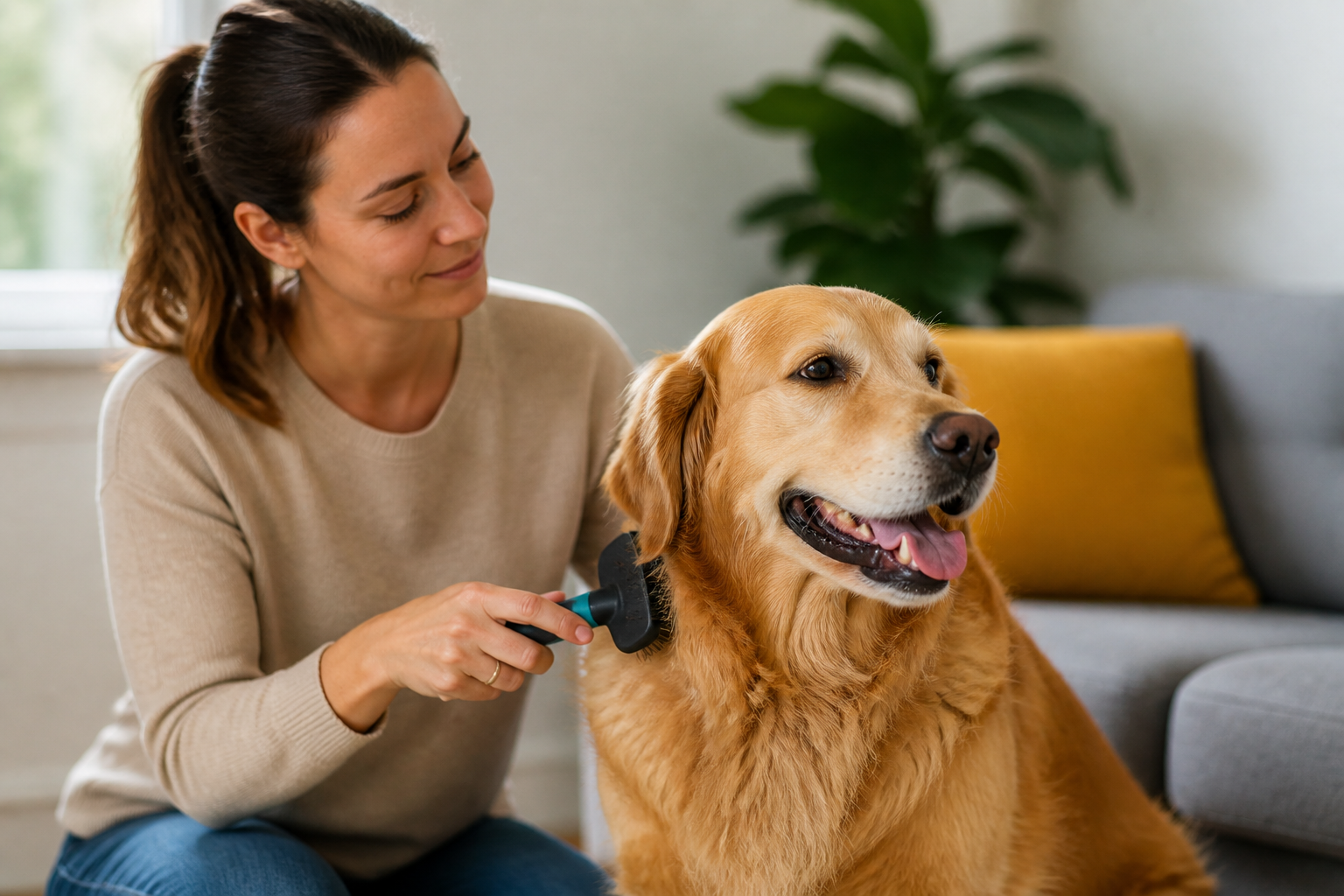
You just finished applying a topical flea treatment to your dog. Now, you notice an oily patch on their neck and your first instinct is to grab a brush and smooth it out. Maybe your dog decided to celebrate their treatment by rolling in the grass, or you simply want to check if those pesky pests are already falling off. It is a common situation for many pet owners who want to keep their dogs comfortable and clean. At BaxterBoo, we know that timing is everything when it involves parasite prevention. Brushing too soon can actually strip away the medication before it has a chance to work. This post covers exactly how long you should wait, how different treatments react to grooming, and the safest way to use a flea comb. Success depends on letting the medicine settle so your dog stays protected.
The Short Answer: When to Wait
The general rule for most topical flea treatments is to wait at least 24 to 48 hours before brushing the application site. This window allows the liquid to move from the surface of the hair down to the skin and into the oil glands. If you brush the area immediately, you risk pulling the medication away from the skin and onto the brush bristles. This leaves your dog unprotected and wastes the money you spent on the treatment.
For oral flea medications, the rules are different. Since the medication is processed internally, there is no residue on the fur. You can brush your dog immediately after they swallow a chewable tablet. However, for most spot-on products, patience is required.
Quick Answer: Wait 24 to 48 hours before brushing the specific spot where you applied a topical flea treatment. This ensures the medication absorbs into the skin oils. Brushing too early can remove the active ingredients and reduce the effectiveness of the product.
How Topical Flea Treatments Interact With the Coat
To understand why brushing is a bad idea right after treatment, you need to know how these products work. Topical treatments do not just sit on top of the hair. They are designed to travel through the coat to the skin. You can compare different options in our flea and tick collection.
The Science of Sebaceous Glands
Most spot-on treatments use the natural oils on your dog's skin to spread across their entire body. These oils are produced by the sebaceous glands. Once you apply the liquid between the shoulder blades, it begins a process called translocation. It hitches a ride on the skin oils and moves outward. Within 24 hours, the medication usually covers the dog from head to tail.
Why Brushing Can Disrupt the Process
When you run a brush through a fresh application of flea medicine, several things happen. First, the bristles absorb the concentrated liquid. Instead of that medicine sinking into the skin, it ends up trapped in the brush. Second, brushing can spread the wet chemicals to the tips of the hair rather than the base. Most flea treatments need to reach the skin to be effective. If the medicine stays on the outer guard hairs, it may evaporate or rub off on your furniture before it can do its job.
Brushing After Different Types of Treatments
Not every flea product has the same grooming requirements. The type of treatment you choose determines how quickly you can get back to your normal grooming routine. For a broader comparison, read our guide to flea and tick prevention products.
Topical Spot-On Treatments
Products like Frontline, Advantage, and K9 Advantix II are liquid formulas. They require the longest wait time. Even if the spot looks dry after a few hours, the chemical bond with the skin oils is still forming. It is best to avoid the application area entirely for the first two days. You can still brush the rest of your dog's body, such as their legs or tail, as long as you stay away from the neck and back.
Oral Flea Medications
If your dog uses a chewable flea preventive like NexGard or Bravecto, grooming is much simpler. These medications enter the bloodstream through the digestive tract. There is no physical barrier on the skin that a brush could disturb. You can brush, bathe, or take your dog swimming immediately after they take their pill. This makes oral treatments a great choice for dogs that require frequent professional grooming or those that love to get dirty.
Flea Collars and Brushing
Flea collars, such as those from Seresto, release active ingredients slowly over several months. When you first put a new collar on your dog, it takes about 48 hours for the medication to spread through the coat. During this initial period, try to avoid heavy brushing around the neck. Once the collar has been on for a few days, you can resume normal grooming. Just be careful not to snag the brush on the collar itself. You can browse flea and tick collars for dogs when comparing prevention formats.
Key Takeaway: Oral medications offer the most freedom for grooming, while topical liquids require a strict 48 hour waiting period to remain effective.
Using a Flea Comb Safely
A flea comb is a specialized tool with very fine, tightly spaced teeth. It is designed to physically pull adult fleas, larvae, and flea dirt out of the fur. While it is an excellent tool, you must use it at the right time.
When to Start Using a Flea Comb
You should not use a flea comb on the application site for at least two days after a topical treatment. However, once that window has passed, a flea comb becomes your best friend. It helps you monitor whether the treatment is working. If you comb your dog and find dead fleas, the medication is doing its job. A fine-toothed flea comb for dogs can help with this routine.
Techniques for Effective Flea Removal
When you are ready to comb, follow these steps to get the best results:
- Prepare a bowl of soapy water.
- Start at the head and neck, moving slowly toward the tail.
- Focus on the base of the tail and the armpits, as fleas love these warm spots.
- Dip the comb into the soapy water after every pass to drown any live fleas you catch.
- Check for "flea dirt," which looks like small black pepper flakes. If these flakes turn red when placed on a wet paper towel, they are flea droppings.
Vet Tip: If you find a large number of live fleas even after 48 hours of treatment, consult your veterinarian. They can check if your dog has a flea allergy or if the infestation in your home requires a more aggressive approach.
What to Do If Your Dog Gets Dirty Immediately After Treatment
Every dog owner knows that dogs have a knack for getting dirty at the worst times. If your dog rolls in mud ten minutes after you applied a topical treatment, do not panic.
Spot Cleaning vs. Full Baths
If the mud is only on the dog's legs or belly, use a damp cloth to spot clean those areas. Avoid getting water near the application site on the neck. If the dog is covered in something truly foul and needs a full bath, you will likely lose the flea treatment. For additional bathing guidance, see these dos and don'ts for bathing your dog.
Do not immediately reapply a second dose of flea medication. This can lead to an overdose, which is toxic. Instead, wash the dog with a mild, non-stripping shampoo and contact your vet for advice on when it is safe to try the treatment again.
Recommended Cleanup Tools
Keep a pack of pet wipes on hand for these emergencies. Wipes allow you to clean specific areas without soaking the skin. At BaxterBoo, we carry a variety of dog grooming wipes that are gentle on the skin but tough on dirt. They are a much safer alternative to a full bath when you are in the 48 hour waiting window.
Safety for the Pet Owner
Brushing your dog after flea treatment is not just about the dog's health. It is also about your safety and the safety of your family.
Avoiding Chemical Transfer
Topical flea medications contain concentrated active ingredients. If you brush your dog too soon, those chemicals transfer to the brush. From there, they can get on your hands, your clothes, or other surfaces in your home. Some ingredients can cause skin irritation or numbness in humans if handled directly. Always wash your hands thoroughly after applying treatment or grooming a recently treated pet.
Keeping Other Pets Safe
If you have multiple pets, keep them separated until the treatment site is dry. Cats are especially sensitive to certain ingredients found in dog flea treatments, such as permethrin. If a cat grooms a dog that has fresh flea medicine on its neck, the cat could become severely ill. Brushing can actually make this worse by spreading the chemicals across more of the dog's fur, making it easier for other pets to come into contact with it.
Why Your Flea Treatment Choice Matters
Choosing the right product makes a big difference in how you manage your dog's coat. Some owners prefer the convenience of a long-lasting collar, while others want the fast action of a monthly chewable. We carry over 500 trusted brands to ensure you find the exact match for your pet's lifestyle. If your dog has sensitive skin, certain topical formulas might cause redness or itching. In those cases, switching to an oral medication might be a better path forward.
The Role of Professional Guidance and the BaxterBoo Pharmacy
Managing fleas can be a complex task, especially if your dog has underlying health issues or severe allergies. Sometimes over the counter options are not enough to break the flea life cycle in your home. This is where professional veterinary guidance is essential.
Our dog pharmacy provides access to prescription medications and prescription pet foods. If your vet determines that your dog needs a prescription-strength flea and tick preventive, or a specific medicated shampoo to heal skin damaged by flea bites, we can help. Having a reliable source for these medications ensures you are getting genuine products that are stored and shipped correctly.
Key Takeaway: For chronic flea issues or skin infections resulting from bites, always consult your veterinarian for a prescription solution that can be filled through our pharmacy.
Maintaining a Flea-Free Home
Brushing and medicating your dog are only parts of the solution. Since only a small percentage of fleas live on your pet, the rest are in your carpets and bedding.
- Vacuum daily for at least two weeks during an infestation.
- Wash all pet bedding in hot water.
- Steam clean rugs where your dog spends a lot of time.
- Treat all pets in the household at the same time.
Regular grooming helps you spot these issues early. By making brushing a part of your weekly routine, you can catch a single flea before it turns into a full-blown infestation. Our MVP Rewards program makes it easy to stay stocked up on grooming tools and preventives while earning points on every purchase.
Conclusion
Brushing your dog after flea treatment requires a little bit of strategy and a lot of patience. If you use a topical liquid, give it a full 48 hours to absorb before you pick up the brush. For those who want more flexibility, oral medications allow for immediate grooming and swimming. Remember that your veterinarian is your best resource for choosing the right product and managing any skin reactions. If you need prescription-strength protection, our pharmacy is here to support your pet's health.
Bottom line: Respect the 48 hour wait for topicals to ensure your dog gets the full protection they deserve.
FAQ
Can I brush my dog if I use a flea collar?
Yes, you can brush your dog while they are wearing a flea collar, but wait about 48 hours after first putting it on. This allows the active ingredients to distribute through the skin oils. When you do brush, be careful not to pull or snag the collar with the brush teeth.
What happens if I brush my dog too soon after a topical treatment?
Brushing too soon can remove the medication from the skin and trap it in the brush bristles. This significantly reduces the effectiveness of the treatment and may leave your dog vulnerable to fleas. It also increases the risk of you or other family members coming into contact with the chemicals.
Is it safe to use a flea comb every day?
Once the initial 48 hour waiting period for topical treatments has passed, it is perfectly safe to use a flea comb every day. Daily combing is an excellent way to remove dead fleas and monitor for new activity. It also helps remove flea dirt and eggs from the coat, which helps break the life cycle faster.
Should I brush my dog before applying flea treatment?
Yes, brushing your dog before applying a topical treatment is actually a great idea. It removes loose fur and debris, making it easier to reach the skin when you apply the liquid. Just make sure the dog's coat is completely dry before you put the medication on.






