
 Save 15% on your 1st Autoship learn more

 Email us
 Live Chat
 FAQs
FAQs





Introduction
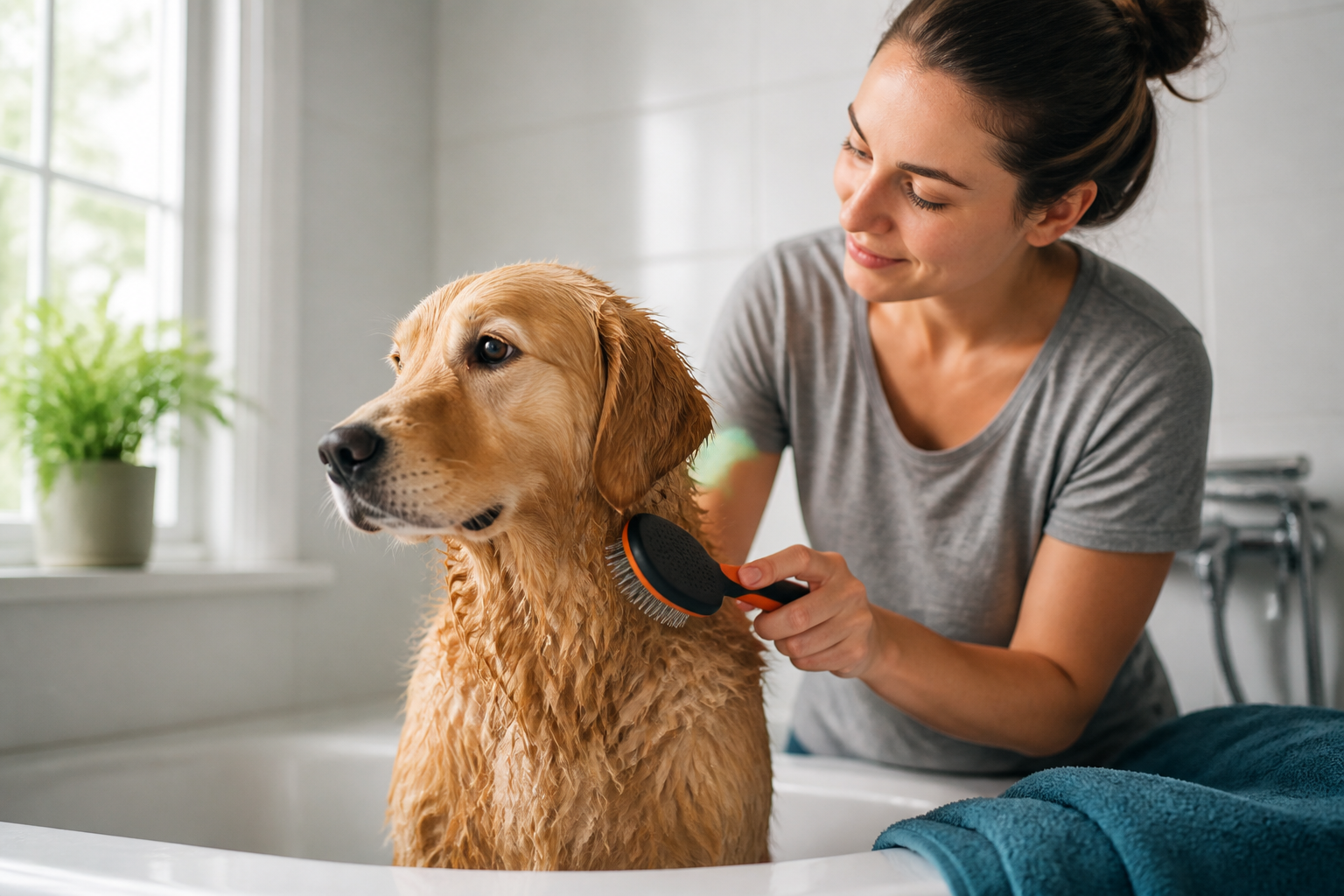
You just finished giving your dog a bath. They are soaking wet and ready for a vigorous shake. You might be tempted to grab a brush and start working through their coat while they are still damp. It seems like a great way to save time and prevent tangles from forming as they dry. However, the answer to whether you should brush a wet dog is not always a simple yes or no.
At BaxterBoo, we have helped thousands of pet owners navigate the complexities of at-home grooming since 2006. We know that every coat type is different. While most dogs should be brushed only when their fur is completely dry, there are specific situations where wet brushing is actually the better choice. This article explains the science behind wet hair, the risks of brushing damp fur, and the rare exceptions where it helps. Understanding these rules will keep your dog's coat healthy and their skin free from irritation.
Quick Answer: For most dogs, you should wait until the coat is fully dry before brushing. Wet hair is weaker and more prone to snapping or stretching. The main exception is during the bathing process itself when you have applied a high quality conditioner to provide slip.
The Science of Wet Dog Hair
To understand why wet brushing is often a bad idea, you have to look at the structure of a single hair. Dog hair is made of proteins held together by different types of bonds. These bonds determine the strength and shape of the coat.
Hydrogen bonds are the most common. These bonds are responsible for helping the hair retain moisture and stay flexible. When you soak your dog in the tub, these hydrogen bonds break down. This is a natural process, but it fundamentally changes how the hair behaves.
When hair is wet, the outer layer or cuticle begins to swell. This makes the hair much more elastic than usual. It can stretch significantly further than dry hair can. While that sounds like a good thing, it actually makes the hair weaker. If you pull a brush through wet hair, it may stretch to its breaking point and snap. This leads to split ends and a frizzy, damaged appearance.
Key Takeaway: Water breaks the hydrogen bonds in your dog's fur. This makes the hair weak and stretchy. Brushing at this stage causes the hair to snap rather than detangle.
The Risk of Cementing Mats
One of the biggest mistakes a pet owner can make is bathing a matted dog without brushing them first. Water acts like a finishing agent for existing tangles. When a mat gets wet, the hair fibers swell and lock together even tighter.
Groomers often call this "cementing" the mats. Once those knots are wet and then dried, they become nearly impossible to remove without clippers. If you try to brush these wet mats, you will likely cause your dog significant pain. The brush will tug at the skin because the knot is too tight to allow the bristles to pass through.
Always perform a thorough brush-out before the dog ever touches the water. This ensures that the shampoo and water can actually reach the skin. It also prevents those small tangles from turning into a thick felted mess. If you find a mat during the bath, do not try to pull it apart with a brush. Wait until the dog is dry and use a specialized detangling tool. For additional bath preparation tips, read our guide to dos and don'ts for bathing your dog.
When Wet Brushing is Actually Helpful
Despite the risks, there are a few moments when wet brushing is beneficial. Professional groomers often use a technique called "wet brushing" during the conditioning phase of a bath.
When you apply a heavy conditioner or a detangling spray, you create "slip." This slip allows a brush to glide over the hair shafts without causing the friction that leads to breakage. This is particularly helpful for dogs with very thick undercoats, like Siberian Huskies or German Shepherds.
By using a brush while the conditioner is still on the fur, you can help move dead undercoat out of the way. This makes the drying process much faster. However, this should only be done with specific tools and a very light touch. You can compare shampoos, conditioners, and detangling products in our dog shampoo and conditioner collection.
The Curly Coat Exception
Dogs with curly or wavy hair, such as Poodles and Doodles, are the biggest exception to the dry-brushing rule. If you wait until a Poodle is bone dry to brush them, you may end up with a frizzy mess.
For these breeds, brushing while the hair is damp—but not dripping wet—can help set the curl and prevent mats from forming during the drying process. Many Doodle owners find that using a leave-in conditioner and a slicker brush on damp hair helps maintain that "fluffy" look without damaging the coat.
Vet Tip: If your dog has sensitive skin or existing hotspots, avoid brushing while wet. The moisture can make the skin more prone to micro-tears from brush bristles. Always check for redness or irritation before starting any grooming session.
Choosing the Right Tools for the Job
If you are going to brush your dog while they are damp, you cannot use just any brush. The wrong tool will scrape the skin or pull too hard on the weakened hair shafts. Our team at BaxterBoo suggests matching the tool to the specific task. Browse our dog grooming supplies to find brushes, combs, shampoos, and bath accessories.
Pin Brushes
A high-quality pin brush is usually the safest choice for wet or damp hair. Look for pins with rounded ends. These move through the hair more easily than the sharp wires found on some slicker brushes. Pin brushes are excellent for distributing conditioner through long hair during a bath.
Wide-Tooth Combs
A stainless steel wide-tooth comb is a staple for any grooming kit. Use the wide end to gently check for tangles while the coat is saturated with conditioner. Because the teeth are far apart, they are less likely to snag and snap the hair than a fine-tooth comb.
Rubber Brushes
For short-haired breeds like Labradors or Boxers, a rubber curry brush is perfect for the bath. You can use it in a circular motion while the dog is covered in shampoo. This helps loosen dead hair and massages the skin. Since rubber brushes do not have sharp pins, they are very safe to use on wet skin.
Slicker Brushes
Slicker brushes should generally be reserved for dry hair. The fine, bent wires are designed to grab hair, which is exactly what you want to avoid when the hair is in its elastic, wet state. Only use a slicker brush on damp hair if you are working on a curly breed and have applied plenty of detangling spray.
Bottom line: Only use tools with rounded or soft edges on wet hair to prevent skin damage and hair breakage.
A Step-by-Step Guide to Safe Bathing and Brushing
To get the best results, you should follow a specific order of operations. This routine protects the hair bonds and ensures your dog stays comfortable.
Step 1: The Pre-Bath Brush.
Use a slicker brush or comb to remove every single tangle while the dog is dry. If you find a mat that won't budge, consider using a mat splitter or carefully trimming it out. Do not move to the bath until the coat is clear.
Step 2: The Wash and Rinse.
Wet the dog thoroughly and apply shampoo. Focus on the skin rather than just the top of the fur. Rinse until the water runs completely clear. Leftover soap can cause itching and dull the coat.
Step 3: The Conditioning Phase.
Apply a generous amount of conditioner. This is the only time you should consider using a brush on truly wet hair. Use a pin brush or your fingers to distribute the product from the neck down to the tail.
Step 4: The Towel Dry.
Do not rub the dog vigorously with a towel. This creates tangles and friction. Instead, pat the dog down and squeeze the water out of the fur. This preserves the direction of the hair growth.
Step 5: The Damp Finish.
Once the dog is about 70 percent dry, you can apply a leave-in spray. Use your wide-tooth comb to ensure the hair is laying flat. If your dog has a double coat, you can start using a blow dryer on a cool setting now.
Step 6: The Final Dry Brush.
Once the dog is 100 percent dry, do a final pass with your brush. This is when you will see the most shine. It also helps you find any small knots that might have formed during the drying process.
Managing Skin Conditions During Grooming
Grooming is not just about looks. It is a vital part of your dog's health. While brushing, you might notice things you usually miss, like dry flakes, redness, or small bumps. These are often signs of allergies or skin infections.
If your dog has chronic skin issues, your veterinarian might recommend a prescription shampoo or a specific topical treatment. These products often need to sit on the skin for 10 to 15 minutes to be effective. This is a great time to use a soft rubber brush to keep the dog calm and ensure the medicine reaches the skin.
For dogs with severe allergies or ongoing health needs, our dog pharmacy offers prescription medications with veterinary approval. If you notice persistent itching or a strange odor coming from the coat, consult your vet before continuing your at-home grooming routine. For more guidance on choosing products for sensitive skin, read our roundup of sensitive skin dog shampoos.
Common Myths About Brushing Wet Dogs
There is a lot of conflicting advice online about grooming. Let's clear up a few of the most common misconceptions we hear from pet owners.
Myth 1: Brushing a wet dog makes them dry faster.
While moving the hair around can help airflow, brushing alone does not speed up evaporation. In fact, if you brush too much, you might just be pushing water back down toward the skin. Using a high-velocity dryer or a microfiber towel is a much more effective way to dry a dog quickly.
Myth 2: You can brush out mats more easily in the tub.
As we discussed, the opposite is true. Water makes mats tighter. The only "easy" way to remove a mat in the tub is if you are using a massive amount of conditioner to essentially lubricate the hair out of the knot, but even then, it is safer to do this while dry.
Myth 3: Short-haired dogs don't need to be brushed when wet.
While they won't mat like a Golden Retriever, short-haired dogs benefit greatly from a rubber brush during the bath. It is the best way to manage shedding for breeds like Pugs or Beagles. It gets the "dead" hair out in the tub rather than on your sofa later.
Myth 4: All conditioners make the hair safe to brush.
Not all products are created equal. Some "human" conditioners have a pH level that is too acidic for a dog's skin. This can cause the hair cuticle to stay open and vulnerable. Always use products specifically formulated for canines to ensure the hair bonds are protected. A pH-balanced option such as ALZOO Natural Dog Shampoo - Hypoallergenic can be considered for dogs with sensitive skin.
Post-Grooming Care and Rewards
Grooming can be a stressful experience for some dogs. Making it a positive event will ensure they cooperate the next time. Once the brush is put away and the coat is dry, offer a high-value treat or a favorite toy.
We find that most dogs appreciate a calm environment during grooming. If your dog is anxious, try using a licking mat with some peanut butter to keep them occupied while you work. Consistency is key. Brushing for five minutes every other day is much better than a one-hour marathon session once a month.
If you find that you are constantly running out of shampoo or treats, consider our Autoship programme. It is a simple way to get your grooming supplies delivered on a schedule that works for you. Plus, it comes with an MVP Gold membership and extra savings on your first order.
Essential Grooming Supply Checklist
Before you start your next bath and brush session, make sure you have these items ready. Having everything within reach prevents your wet dog from running through the house while you look for a towel.
- A non-slip mat for the tub or grooming table
- High-quality dog shampoo (specific to their skin type)
- Conditioner or detangling spray
- A pin brush for long hair or a rubber brush for short hair
- A stainless steel wide-tooth comb
- Multiple microfiber towels
- A blow dryer with a cool setting
- Cotton balls for the ears to prevent water entry
- Treats for positive reinforcement
Key Takeaway: Preparation is the secret to a successful grooming session. Having the right tools for your dog's specific coat type prevents damage and reduces stress for both of you.
Conclusion
Brushing your dog while they are wet is generally not recommended due to the risk of hair breakage and skin irritation. The structural changes that occur when hair is saturated with water make it far too fragile for standard brushing. However, if you are using the right tools and a high-quality conditioner during a bath, you can safely move through the coat to remove undercoat or set curls.
Always remember to brush your dog thoroughly before they get wet. This simple step prevents mats from tightening and makes the entire process much easier. If you are ever unsure about your dog's skin health or notice unusual symptoms during grooming, a quick call to your veterinarian is the best course of action.
Here at BaxterBoo, we carry over 500 trusted brands to help you maintain your pet's coat, from professional slicker brushes to medicated shampoos. Whether you are managing a senior dog's sensitive skin or a puppy's first bath, we have the expert-curated gear you need. For those managing chronic skin conditions, remember that our pharmacy offers a convenient way to get prescription support delivered right to your door.
Check out our full dog grooming collection to find the perfect match for your dog's coat type. Don't forget to sign in to your account to earn MVP Rewards on every purchase.
FAQ
Why is it bad to brush a dog with wet fur?
When hair gets wet, it becomes much more elastic and loses its natural strength. Brushing hair in this state can cause it to stretch and snap, leading to permanent damage and a dull coat. Additionally, if the dog has any existing tangles, the water can cause them to tighten into dense mats that are painful to remove.
Can I brush my Poodle or Goldendoodle while they are wet?
Curly-coated breeds like Poodles and Doodles are the main exception to the rule. Brushing these dogs while they are damp can help prevent the hair from frizzing and keep the curls organized. It is still important to use a leave-in conditioner or detangling spray to provide slip and protect the hair from breaking.
What should I do if I find a mat while my dog is in the bath?
If you find a mat during a bath, do not try to brush it out immediately. Apply extra conditioner to the spot and leave it alone. Once the dog is dry, the hair will be stronger, and you can use a detangling tool or a mat splitter to carefully work the knot apart without causing as much pain or damage.
How do I dry my dog's hair after a bath?
The best way to dry a dog is to pat them down with a microfiber towel rather than rubbing, which can cause tangles. Follow up with a blow dryer on a low or cool heat setting. Once the hair is about 80 percent dry, you can begin to use a wide-tooth comb to straighten the fur and finish the drying process.






