
 Save 15% on your 1st Autoship learn more

 Email us
 Live Chat
 FAQs
FAQs





Introduction
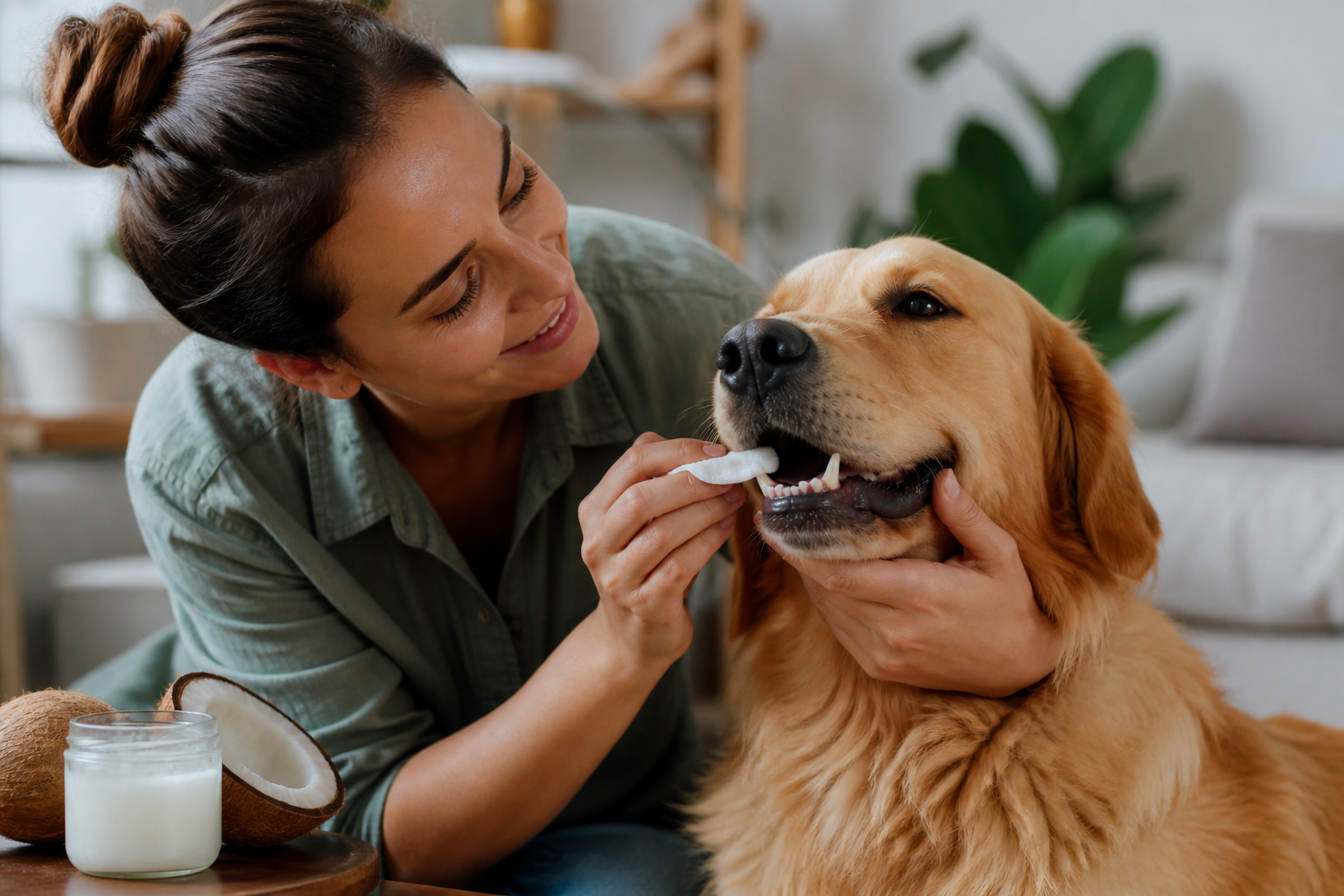
You might be sitting on the floor playing with your dog when they let out a big yawn, and suddenly you notice it. Their breath smells a bit stronger than usual, or perhaps you see a yellowish film building up along their gumline. Many owners want to keep their pet's mouth clean but struggle with traditional minty toothpastes that dogs often dislike. You might have a jar of organic coconut oil in your kitchen and wonder if it could serve as a natural alternative.
At BaxterBoo, we believe that dental care should be practical and stress-free for both you and your dog. Using coconut oil is a popular method for many pet parents, but it is important to understand the science and the safety limits involved. This post covers the benefits of coconut oil for canine dental health, how to apply it correctly, and when you need to step up to professional care. Using natural ingredients can be a great starting point for a healthier mouth.
Quick Answer: Yes, you can use coconut oil to help clean your dog's teeth. It contains lauric acid, which provides natural antimicrobial properties that help reduce the bacteria responsible for plaque and bad breath. While it is a helpful supplement, it works best when combined with physical brushing rather than as a standalone solution.
The Science Behind Coconut Oil and Dental Health
To understand why coconut oil works, you have to look at its molecular structure. Coconut oil is rich in medium chain triglycerides, specifically lauric acid. Lauric acid makes up about 50 percent of the fatty acids found in the oil. This specific fat is known for its ability to fight off harmful microbes.
When you apply coconut oil to your dog's teeth, the lauric acid goes to work on the bacteria in the mouth. One of the primary culprits for dental decay in dogs is a type of bacteria called Streptococcus mutans. This bacteria feeds on food particles and produces acid, which eventually leads to plaque. Lauric acid helps to disrupt the cell walls of these bacteria, effectively slowing down their ability to colonize the teeth.
Beyond the antibacterial benefits, coconut oil also has anti-inflammatory properties. Many dogs suffer from mild gingivitis, which is the inflammation of the gums. This often appears as a thin red line where the teeth meet the soft tissue. Gently massaging coconut oil into these areas can help soothe the irritation. It provides a protective barrier that keeps the tissue hydrated and less prone to bleeding during a regular brushing session.
Choosing the Best Coconut Oil for Your Dog
Not all jars of coconut oil are created equal. If you walk down the baking aisle of a grocery store, you will see many different labels. Choosing the wrong one could mean you are missing out on the dental benefits or, worse, introducing unwanted chemicals to your dog's system.
You should always look for unrefined or virgin coconut oil. Refined coconut oil often undergoes a process of bleaching and deodorizing. This high heat processing can strip away the very lauric acid that makes the oil useful for dental health. Unrefined oil is pressed from fresh coconut meat, which preserves the natural nutrients and the mild coconut flavor that most dogs enjoy.
At BaxterBoo, we recommend checking the ingredient list for any additives. Some products marketed for humans may contain xylitol as a sweetener, especially in lower-calorie versions. Xylitol is extremely toxic to dogs and can be fatal even in small amounts. Always ensure you are using 100 percent pure coconut oil. Organic options are generally better because they ensure the coconuts were grown without synthetic pesticides.
Table: Coconut Oil vs. Commercial Dog Toothpaste
| Feature | Coconut Oil | Commercial Enzymatic Toothpaste |
|---|---|---|
| Primary Action | Antimicrobial (Lauric Acid) | Enzymatic breakdown of plaque |
| Palatability | High (Natural sweet taste) | Variable (Mint, poultry, or beef) |
| Gum Support | High (Anti-inflammatory) | Moderate |
| Cost | Low to Moderate | Moderate to High |
| Abrasiveness | None | Low (Usually contains mild abrasives) |
Step-by-Step Guide to Cleaning Teeth With Coconut Oil
Introducing a new dental routine should be a slow process. If your dog is not used to having your hands near their mouth, jumping straight to a toothbrush can be overwhelming. Using coconut oil is a great way to build trust because of the pleasant taste.
Step 1: The taste test.
Put a tiny amount of coconut oil on your finger and let your dog lick it off. This creates a positive association with the oil. You want them to view this as a treat rather than a chore.
Step 2: Finger brushing.
Once they enjoy the taste, put a little more oil on your index finger. Gently lift their lip and rub the oil along the outer surface of their teeth and gums. Focus on the back molars where plaque tends to hide. Most dogs will naturally use their tongue to spread the oil to the inner surfaces of the teeth.
Step 3: Introduce the brush.
If your dog is comfortable with your finger, you can move to a soft-bristled dog toothbrush or a finger brush. Apply a pea-sized amount of coconut oil to the bristles. Use small, circular motions to break up the sticky biofilm on the surface of the teeth. The oil acts as a lubricant, making the brushing sensation less abrasive for the dog.
Step 4: Reward and consistency.
Consistency is more important than duration. A two-minute session three times a week is much more effective than a ten-minute session once a month. Always end the session with praise or a small dental chew to reinforce the good behavior.
Key Takeaway: Coconut oil is an excellent "training toothpaste" because the high palatability helps dogs accept oral handling while the lauric acid provides natural protection against bacteria.
Managing Bad Breath and Plaque
Bad breath, or halitosis, is usually the first sign that oral bacteria are out of balance. While coconut oil can freshen breath temporarily, it is important to remember that bad breath can also be a sign of deeper issues. If the smell is sweet, fruity, or excessively foul, it might indicate a health problem that requires a veterinarian.
Plaque is the soft, sticky film that forms on teeth within hours of eating. If plaque is not removed, it mineralizes into tartar, also known as calculus. Tartar is hard, brown, and cannot be brushed away at home. Coconut oil is very effective at helping to prevent plaque from turning into tartar, but it cannot dissolve tartar once it has formed.
If you notice thick, stony deposits on your dog's teeth, they likely need a professional dental cleaning. We often see owners try to scrape this off at home, but that can actually damage the tooth enamel and lead to more sensitivity. Use coconut oil as a preventative tool to keep new plaque from sticking to the teeth after a professional cleaning has been performed.
For additional guidance on warning signs, read how to recognize bad teeth in dogs.
Safety and Dosage Considerations
While coconut oil is natural, it is also a fat. Adding too much to your dog's routine can lead to unwanted side effects. The most common issue is digestive upset. If a dog gets too much oil too quickly, they may experience loose stools or even diarrhea.
For small dogs under 20 pounds, start with no more than a quarter teaspoon per day. Medium dogs can handle about half a teaspoon, and large dogs can have up to a full teaspoon. If you are using it specifically for teeth cleaning, most of that oil will be ingested as they lick their teeth. You should factor these calories into their daily intake, especially if your dog is prone to weight gain.
There is also a risk for dogs with a history of pancreatitis. Because coconut oil is a concentrated fat, it can trigger a flare-up in sensitive dogs. If your dog has ever had issues with their pancreas or requires a low-fat diet, you should always consult your veterinarian before adding coconut oil to their routine.
Vet Tip: If your dog has red, bleeding gums or loose teeth, stop home cleaning and see a vet immediately. These are signs of advanced periodontal disease that a topical oil cannot fix.
When Coconut Oil is Not Enough
Coconut oil is a wonderful wellness tool, but it is not a cure-all for dental disease. Periodontal disease is one of the most common conditions seen in adult dogs. It affects the structures that hold the tooth in place, including the bone. Once the bacteria get under the gumline, they can enter the bloodstream and potentially affect the heart, liver, and kidneys.
In these cases, your veterinarian might prescribe specific medications or a prescription dental diet. Our pet pharmacy carries FDA-approved medications and specialized foods through our partnership with Pet's Choice. These products are formulated to chemically and mechanically reduce plaque in ways that grocery store items cannot.
If your dog is struggling with chronic oral infections, they may need a course of antibiotics or professional imaging to see what is happening beneath the surface. Using coconut oil can still be part of their maintenance after these issues are addressed. It serves as a gentle way to keep the mouth comfortable between medical treatments.
Building a Complete Oral Health Routine
To get the best results, you should view coconut oil as one part of a larger strategy. A complete routine usually involves a combination of mechanical cleaning, chemical prevention, and dietary choices.
- Dental Chews: High-quality dental treats use a specific texture to scrub the teeth as the dog chews. These are great for days when you don't have time for a full brushing. Explore our dental dog treats for additional options.
- Water Additives: Some additives contain enzymes that break down plaque in the water bowl. These are helpful for dogs that absolutely refuse to have their mouths touched.
- Safe Toys: Rubber toys with nubs or ridges can help massage the gums and scrape away soft plaque during play. Avoid extremely hard toys like real bones or antlers, which can fracture teeth.
- Regular Inspections: Once a week, take a moment to look at your dog's teeth and gums. Catching a broken tooth or a small growth early can save your dog a lot of pain and save you money on expensive surgeries later.
At BaxterBoo, we stock a wide variety of these supplies to help you build a routine that fits your lifestyle. Whether you are looking for a specific type of toothbrush or a supplement to support gum health, we have options that have been vetted by people who care about pets.
Bottom line: Coconut oil is an effective, natural, and tasty way to support your dog's dental health, but it works best as part of a multi-layered approach to oral hygiene.
Diet and Its Impact on Dental Health
What your dog eats every day plays a massive role in how clean their teeth stay. Sugary treats and high-carb kibbles can leave behind a residue that feeds the bacteria in the mouth. When these bacteria thrive, they create a biofilm that turns into plaque.
Some owners find that switching to a higher-quality food with fewer fillers helps improve their dog's breath. There are also specific "dental diets" where the kibble is designed to stay together longer as the dog bites down. This creates a scrubbing action against the tooth surface. If you are considering a prescription diet for dental health, remember that you can fulfill those orders through our pharmacy partnership.
Adding coconut oil to the food itself can also provide systemic benefits. While topical application is best for the teeth, ingesting the oil allows the body to use those medium chain triglycerides for skin and coat health as well. Just remember to introduce it slowly to avoid any tummy troubles.
Common Myths About Coconut Oil for Dogs
There is a lot of information online about coconut oil, and not all of it is accurate. One common myth is that coconut oil can "dissolve" tartar. As mentioned earlier, tartar is essentially a rock-hard mineral deposit. Nothing you can safely put in a dog's mouth will dissolve it. It must be manually removed by a professional using specialized tools.
Another myth is that coconut oil can replace a rabies vaccine or act as a total parasite preventative. This is dangerous misinformation. While coconut oil has antimicrobial properties, it does not have the power to prevent serious viral infections or major infestations of fleas and ticks. Always stick to the preventative medications recommended by your vet for those concerns.
Finally, some people believe that because coconut oil is "natural," you can use as much as you want. Natural does not mean calorie-free or side-effect-free. Treating coconut oil with the same respect you would any other supplement ensures that your dog gets the benefits without the risks of obesity or digestive upset.
Conclusion
Using coconut oil is a practical and effective way to improve your dog's oral hygiene. Its natural antimicrobial properties help keep bacteria in check, and the taste makes it much easier to handle dogs that are picky about their teeth being cleaned. By starting slow and choosing a high-quality, unrefined oil, you can create a routine that your dog actually enjoys.
Always remember that home care is a supplement to professional veterinary visits. If you notice signs of pain, heavy tartar, or persistent bad breath, it is time to consult your vet. You can find a wide range of dental care products, from brushes to specialized treats, in our dog dental care category to keep your dog's smile bright.
FAQ
Can I use the coconut oil from my kitchen on my dog?
Yes, as long as it is 100 percent pure coconut oil with no added ingredients or sweeteners like xylitol. Unrefined or virgin coconut oil is the best choice because it contains higher levels of the beneficial lauric acid. Always check the label to ensure there are no flavorings or preservatives that could upset your dog's stomach.
How often should I put coconut oil on my dog's teeth?
For the best results, you should aim to apply coconut oil to your dog's teeth two to three times per week. If your dog has particularly bad breath or is prone to plaque, daily application is safe as long as you monitor their weight and digestion. Consistency is key to keeping the bacterial population in the mouth under control.
Will coconut oil make my dog's breath smell better?
Coconut oil can significantly improve your dog's breath by reducing the odor-causing bacteria in the mouth. It provides a mild, fresh scent that is much more pleasant than typical "dog breath." However, if the bad breath persists despite regular cleaning, it may indicate a deeper issue like tooth decay or an internal health problem that needs a vet's attention.
Is coconut oil safe for all dogs?
Most dogs tolerate coconut oil well, but it should be used with caution in certain cases. Dogs with a history of pancreatitis, obesity, or sensitive stomachs should only use coconut oil under a veterinarian's guidance due to its high fat content. Start with a very small amount to ensure your dog does not experience any loose stools or discomfort.






