
 Save 15% on your 1st Autoship learn more

 Email us
 Live Chat
 FAQs
FAQs






Why Dental Health Matters More Than You Think
Bad teeth in dogs is one of the most common yet overlooked health issues affecting our canine companions. If you're wondering about the signs, causes, and consequences, here's what you need to know:
Key Facts About Bad Teeth in Dogs:
- Affects 80% of dogs by age 3 with some level of periodontal disease
- Often goes unnoticed because dogs are experts at hiding dental pain
- Can lead to serious health problems including heart, kidney, and liver disease
- Is largely preventable with regular at-home care and veterinary checkups
We think of bad doggy breath as normal, even cute. But that smell is actually a warning sign. Behind those wagging tails and happy faces, many dogs are silently suffering from painful dental disease that affects far more than just their mouths.
The bacteria from infected gums don't stay put. They enter the bloodstream and travel to vital organs, potentially shortening your dog's life and diminishing their quality of life. The good news? Most dental disease is preventable, and even early-stage problems can be reversed with the right care.
Understanding what to look for and when to take action can save your dog from unnecessary pain and protect their overall health. Let's explore the warning signs every dog owner should know.
Spotting the Problem: 9 Warning Signs of Dental Disease
Recognizing the warning signs of dental disease in your dog is the first step toward a healthier pet. Our furry friends are remarkably good at hiding pain, so it's up to us to be vigilant. Here are nine key indicators that your dog might be struggling with bad teeth in dogs:
- Bad Breath (Halitosis): This is often the first and most noticeable sign. While "doggy breath" is common, an unusually foul or strong odor is a clear indicator of bacterial overgrowth in the mouth, often due to plaque and tartar buildup.
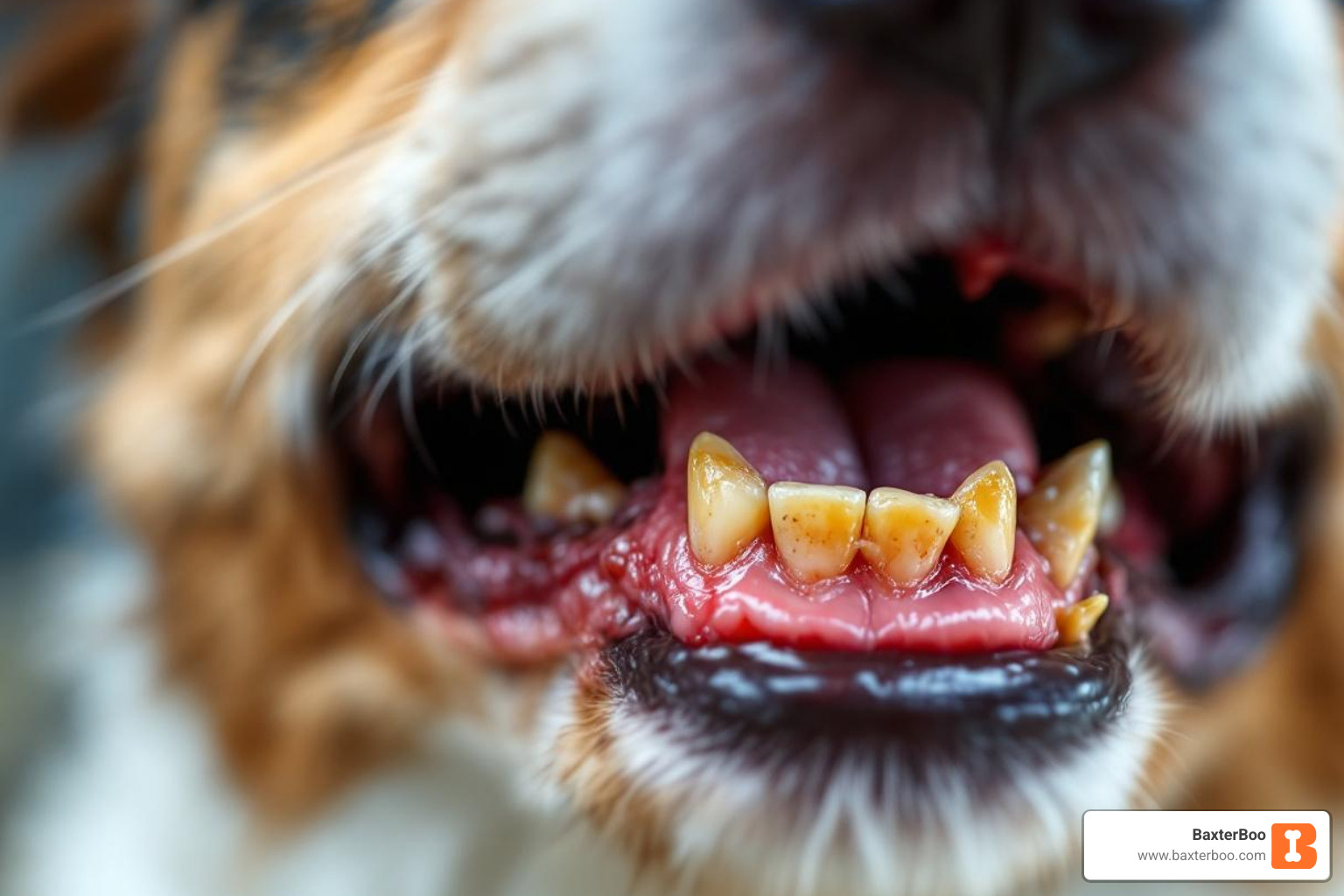
- Yellow or Brown Tartar: Look closely at your dog's teeth, especially near the gum line. A yellowish or brownish discoloration on the tooth surface is hardened plaque, known as tartar or calculus.
- Red, Swollen, or Bleeding Gums: Healthy gums should be a pale pink. Gums that appear bright red, inflamed, swollen, or bleed easily when touched or when your dog chews are signs of gingivitis, the initial stage of periodontal disease.
- Difficulty Chewing or Eating: If your dog seems hesitant to eat, chews on one side of their mouth, drops food, or shows a preference for softer foods, it could be a sign of dental pain. As Dr. Stanley Blazejewski notes, dogs are driven to eat and may "inhale" hard food without chewing to avoid painful teeth.
- Excessive Drooling: While some drooling is normal, an increase in drool, especially if it's blood-tinged or has a foul odor, can indicate oral discomfort or infection.
- Pawing at the Mouth or Face: If your dog frequently paws at their face, rubs their muzzle on furniture, or shakes their head more than usual, they might be trying to alleviate pain or irritation in their mouth.
- Loose or Missing Teeth: In advanced stages of dental disease, the structures supporting the teeth can become so damaged that teeth loosen and eventually fall out.
- Changes in Eating Habits: Beyond difficulty chewing, a dog with dental pain might have a decreased appetite, lose weight, or seem generally uninterested in food.
- Behavioral Changes: Pain can manifest in subtle behavioral shifts. A normally playful dog might become more lethargic, irritable, or even aggressive when their mouth is touched. They may seem "grumpy," which owners often misinterpret as normal aging, rather than a sign of chronic pain.
Common Signs of Bad Teeth in Dogs
Let's dive a little deeper into some of these common signs.
Visible Plaque and Tartar: Plaque is a sticky, colorless film of bacteria, food particles, and saliva that constantly forms on our dogs' teeth. If not removed, this plaque can harden into tartar within just 24 to 48 hours. Tartar, a rough, porous substance, then provides an ideal surface for more plaque to accumulate, creating a vicious cycle. Dr. Maria M. Soltero-Rivera, a board-certified veterinary dentist, explains that plaque is primarily made up of bacteria. It's this bacterial film that causes that unpleasant odor we associate with "dog breath."
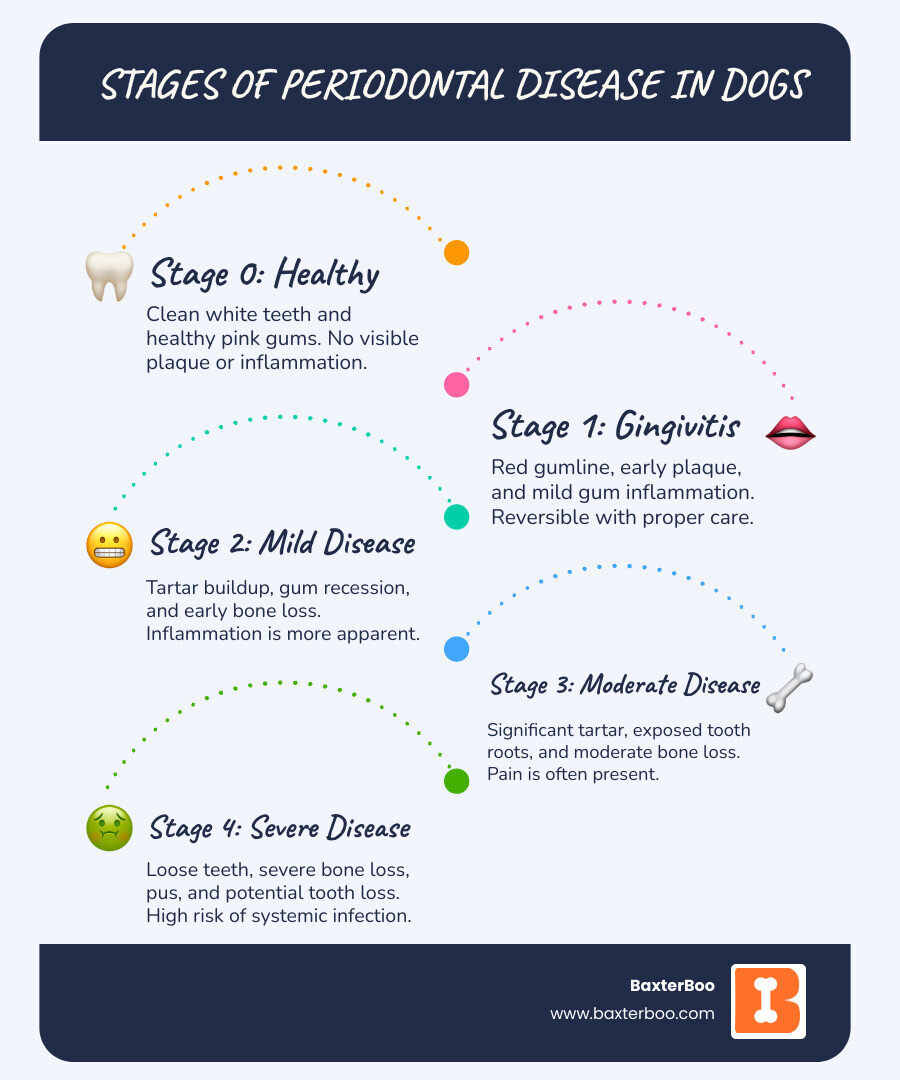
Gingivitis: This is the inflammation of the gums, and it's the first stage of periodontal disease. You'll notice your dog's gums becoming red and swollen, and they might bleed easily. The good news is that gingivitis is reversible with proper dental care. If left untreated, however, it progresses to more severe stages of periodontal disease.
Reluctance to Eat Hard Food or Dropping Food: Imagine having a toothache and trying to bite into something hard. Your dog feels the same way! They might try to eat, but then drop food from their mouth, or they might avoid their favorite crunchy treats altogether.
Expert Commentary on Hidden Disease: Dr. Donnell Hansen, a board-certified veterinary dentist, refers to dental disease as a "hidden disease." Our dogs are incredibly stoic and masters at masking pain. This means that by the time we notice obvious symptoms, the disease is often quite advanced. Many pet parents only notice the bad breath, but beneath the surface, serious damage could be occurring.
Blood on Chew Toys: If you find small specks of blood on your dog's favorite chew toys, it's a strong indication that their gums are bleeding. This is a sign of inflammation and infection that needs veterinary attention.
When to See a Vet Immediately
While regular check-ups are always important, some signs warrant immediate veterinary attention. These indicate a severe problem that could be causing intense pain or spreading infection:
- Facial Swelling: A swollen area on your dog's face, particularly under the eye, can be a sign of a tooth root abscess. This is a painful infection around the root of a tooth that can rupture and create a draining tract.
- Inability to Eat Due to Pain: If your dog is refusing to eat entirely, or is in obvious distress when attempting to eat, it’s an emergency. Severe pain can quickly lead to dehydration and other complications.
- Unexplained Weight Loss: Chronic dental pain can make eating so difficult that your dog consistently consumes less food, leading to noticeable weight loss.
- Persistent Bleeding from the Mouth: Any continuous or heavy bleeding from your dog's mouth is a serious concern and requires immediate veterinary intervention.
- A Broken Tooth: A broken or cracked tooth, especially if the pulp (the inner part of the tooth) is exposed, is extremely painful and vulnerable to infection. Dr. Gwenn Schamberger, a board-certified veterinary dentist, notes that these can be "serious and very painful."
The Root of the Issue: What Causes Bad Teeth in Dogs?
Understanding the underlying causes of bad teeth in dogs is crucial for effective prevention and treatment. It's not just about what we see on the surface; it's a complex interplay of factors.
The primary culprits are plaque buildup and bacteria. When food particles and bacteria combine in your dog's mouth, they form plaque. If this plaque isn't removed, it hardens into tartar. This tartar then irritates the gums, leading to inflammation and infection.
Other factors include a lack of appropriate chewing, which helps naturally clean teeth, genetic predispositions in certain breeds, and simply age, as older dogs have had more time for plaque and tartar to accumulate.
How Plaque and Tartar Form
It all starts with a microscopic film. Plaque is a sticky biofilm primarily composed of bacteria, food particles, and saliva. It constantly forms on the tooth surfaces and under the gumline. Dr. Lisa Fink, a board-certified veterinary dentist, explains that this bacterial plaque is what initiates the immune response leading to dental disease.
If this bacterial film isn't regularly removed, it begins to harden within a mere 24 to 48 hours, changing into tartar (also known as calculus). Tartar is a rough, porous substance that firmly adheres to the teeth. Unlike plaque, which can be brushed away, tartar requires professional scaling by a veterinarian to remove.
The real trouble begins when tartar forms below the gumline. This hidden tartar creates a haven for bacteria, leading to deeper infection and inflammation. This irritation is what causes gingivitis, the red, swollen, and often painful gums we discussed earlier. As the problem progresses, the bacteria and inflammation start to erode the tissues and bone that support the teeth, leading to periodontal disease.
Breeds and Other Risk Factors
While any dog can develop bad teeth in dogs, some are more predisposed due to genetics, anatomy, and lifestyle.
- Small Dog Breeds: These little dynamos often have disproportionately large teeth packed into small jaws, leading to crowding. This makes it easier for food and bacteria to get trapped, and harder for owners to clean. Studies show that owners of small dog breeds filed 10% more dental claims than owners of large dog breeds. Breeds like Chihuahuas, Yorkshire Terriers, Maltese, and Miniature Schnauzers are frequently cited as being more prone to dental issues.
- Brachycephalic (Flat-Faced) Breeds: Breeds such as Pugs, Bulldogs, and Shih Tzus often have crowded and rotated teeth due to their compacted skull structure. This anatomical challenge makes them highly susceptible to plaque and tartar buildup.
- Greyhounds and Whippets: These breeds are also mentioned in research as being particularly prone to dental disease.
- Older Dogs: As dogs age, they've had more time for plaque and tartar to accumulate. Additionally, their immune systems may not be as strong as they once were, making them less effective at fighting off the bacteria under the gums, which can accelerate the progression of dental disease.
- Diet High in Sugars or Simple Carbohydrates: Just like in humans, a diet rich in sugars and simple carbohydrates can contribute to bacterial growth in the mouth and plaque formation. While dry kibble can offer some abrasive cleaning action, a diet that doesn't encourage chewing can worsen the problem. Wet food, for instance, offers little to no mechanical cleaning.
- Lack of Chewing: Chewing on appropriate dental toys and chews helps to naturally scrape plaque off the teeth. Dogs who don't have enough opportunities for healthy chewing may develop more plaque and tartar.
- Genetics: Some individual dogs are simply genetically more prone to developing dental disease, regardless of their breed or care.
More Than a Mouthful: The Systemic Dangers of Poor Dental Health
The consequences of bad teeth in dogs extend far beyond their mouths. Periodontal disease is an inflammatory condition, and chronic inflammation anywhere in the body can have serious systemic effects. What starts as a localized infection can become a gateway for bacteria to wreak havoc throughout your dog's entire body.
The pain and discomfort alone are significant. Imagine living with a constant toothache! This can lead to a decreased quality of life for your beloved companion. Untreated periodontal disease also inevitably leads to tooth loss, making it difficult for your dog to eat properly. In severe cases, particularly in smaller breeds, the bone loss around infected teeth can weaken the jaw to the point where a simple jump off the couch could lead to a jaw fracture. Dr. Gwenn Schamberger emphasizes that such fractures are "serious and very painful."
Beyond the mouth, the biggest danger comes from systemic infections, a process called bacteremia. This is when bacteria from the infected gums enter the bloodstream and travel to vital organs.
The Long-Term Impact of Bad Teeth in Dogs
The insidious nature of dental disease means it often silently contributes to other serious health conditions.
- Link to Heart Disease: Research has shown a connection between periodontal disease and cardiopulmonary diseases like endocarditis. The World Small Animal Veterinary Association (WSAVA) reports that the risk of endocarditis is about six times higher in dogs with stage three (moderate to severe) periodontal disease compared to those without. Bacteria from the mouth can travel through the bloodstream and colonize heart valves, leading to dangerous infections.
- Kidney and Liver Damage: Once bacteria enter the bloodstream, they can reach the kidneys and liver, causing inflammation and damage over time. Dr. Jennifer Redmon highlights that untreated dental disease can ultimately lead to kidney failure.
- Complicating Diabetes: For diabetic dogs, dental disease can create a challenging cycle. Dr. Jason Nicholas explains that inflammation and infection from periodontal disease can affect blood-sugar metabolism, making diabetes harder to control. Treating the dental issue often helps stabilize the diabetes.
- Weakened Immune System: When your dog's body is constantly fighting a chronic infection in its mouth, its immune system is under continuous strain. Dr. Kris Bannon notes that reducing this inflammation by treating periodontal disease can have a profound impact on a dog's overall health by decreasing the "work the body has to do to fight this infection."
Can Rotten Teeth Be Fatal?
The question "Can rotten teeth kill a dog?" might sound extreme, but the answer is a sobering "yes." If left untreated, the infections associated with bad teeth in dogs can lead to life-threatening conditions.
- Sepsis: A severe infection in the mouth can spread throughout the bloodstream, leading to sepsis, a whole-body inflammatory response that can cause organ damage and be fatal.
- Organ Failure: As mentioned, bacteria traveling from the mouth can cause damage to vital organs like the heart, kidneys, and liver, potentially leading to their failure.
- Malnutrition: While dogs are often stoic, severe dental pain can eventually make eating unbearable, leading to significant weight loss and malnutrition, which further weakens their body.
- Painful Abscesses: Untreated tooth root abscesses can cause severe pain, spread infection, and in rare cases, lead to more widespread tissue destruction.
Research has consistently shown that periodontal disease can have a significant adverse effect on a dog’s health, impacting nutrition, causing pain, and potentially damaging the heart, liver, and kidneys. Therefore, addressing bad teeth in dogs is not just about oral hygiene; it's about preserving your dog's overall health and longevity.
A Proactive Paws-itive Approach: Prevention and Treatment
The good news is that much of the suffering associated with bad teeth in dogs is preventable. Our goal is to keep our dogs' mouths healthy, happy, and free from pain. This involves a two-pronged approach: consistent at-home care and regular professional veterinary attention.
The primary aim of prevention is to remove plaque before it has a chance to harden into tartar. "Brushing away plaque before it turns into solid tartar is the best way to prevent dental disease," as stated in our research. If caught early, gingivitis is the only stage of periodontal disease that can be reversed. Once it progresses, we shift from reversal to managing the advanced disease and preventing further damage.
Maintaining Your Dog's Dental Health at Home
Your daily routine plays a huge role in preventing bad teeth in dogs. Think of it like our own dental hygiene – consistency is key!
- Daily Tooth Brushing: This is the gold standard for at-home dental care. Ideally, you should brush your dog’s teeth every day, or at least every other day. It’s important to use pet-safe toothbrushes and toothpaste, as human toothpaste contains ingredients that can be harmful to dogs. We recommend starting when your dog is a puppy so they get used to it, but it’s never too late to start! You can even watch a helpful guide on ’How to brush your dog’s teeth’.
- Dental Chews and Toys: Encourage your dog to chew on dental toys and chews specifically designed to help clean teeth and gums. These can help scrape away plaque and prevent tartar buildup. At BaxterBoo, we offer a range of dental chews and treats that can make dental care a treat! Just remember to supervise your dog with any chew toy and ensure it’s not too hard to prevent tooth fractures. A good rule of thumb is that if you wouldn't want to bang it hard on your knee, it's too hard for your dog's teeth.
- Water Additives: Special dog-safe mouthwash can be added to your dog’s drinking water to help keep their mouth clean. Never use human mouthwash for your dog. BaxterBoo offers various dental care products, including water additives, that can be a simple addition to your dog's daily routine.
The Role of Diet and VOHC-Approved Products
What your dog eats can also impact their dental health.
- Specially Formulated Dental Diets: Some kibbles are designed with a unique texture that helps to scrub plaque off teeth as your dog chews.
- Dry Food vs. Wet Food: While wet food is delicious, dry biscuits may offer a slight advantage over wet food due to the mechanical action of chewing, which can help physically remove some plaque.
- The Importance of Chewing: Chewing is a natural and important behavior for dogs, and it's a great way to help keep their teeth clean. Products like our durable dental chew toys can satisfy this instinct while contributing to oral hygiene.
- VOHC (Veterinary Oral Health Council) Seal of Approval: When choosing dental products, look for the VOHC seal. This seal indicates that the product has been scientifically tested and proven to reduce plaque and/or tartar. Many of the dental treats and chews we offer at BaxterBoo, including our crunchy dental treats, carry this important certification. Dr. Maria M. Soltero-Rivera recommends choosing two to three VOHC-approved products that work in different ways if daily brushing isn't possible.
Professional Dental Cleanings and Check-ups
Even with the best at-home care, professional veterinary attention is indispensable for preventing and treating bad teeth in dogs.
- Annual Exams: Regular dental check-ups with your veterinarian are crucial. They can spot early signs of dental disease that you might miss. Most dogs benefit from annual professional dental examinations and cleanings. For small or high-risk breeds, twice-yearly check-ups might be recommended.
- Anesthesia Necessity:A thorough professional dental cleaning always requires general anesthesia. We understand that anesthesia can be a concern for pet parents, but it's essential for several reasons:
- Safety: Your dog won't understand the procedure and might move, bite, or become stressed, making a proper cleaning impossible and risking injury to themselves or the veterinary staff.
- Thoroughness: Anesthesia allows the vet to perform a complete oral examination, including charting, probing, and cleaning both above and, crucially, below the gumline where most dental disease hides.
- Diagnostics: It enables the veterinarian to take essential dental X-rays.
- Oral Examination and Dental X-rays: During a professional cleaning, your vet will perform a full oral examination, checking each tooth. Dental X-rays are critical for assessing the internal anatomy of the teeth, the health of the tooth roots, and the bone structure surrounding them. This helps identify hidden problems like abscesses, bone loss, or unerupted teeth.
- Scaling and Polishing: Using specialized instruments, the vet will carefully scale away all plaque and tartar from the tooth surfaces, both above and below the gumline. This is followed by polishing to smooth the tooth surface, making it harder for plaque to adhere again.
- Tooth Extractions: If a tooth is severely diseased, fractured, or causing pain, extraction may be necessary to prevent further infection and discomfort.
- Pet Dental Care Information: For more in-depth information, you can always consult reliable resources like the Pet dental care guide from the American Veterinary Medical Association or the Dental disease in dogs page from PDSA.
Frequently Asked Questions about Bad Teeth in Dogs
We often get asked common questions about bad teeth in dogs. Here are some answers to help you better understand your dog's oral health.
Are cavities common in dogs?
Surprisingly, canine cavities (also known as caries) are relatively rare in dogs, affecting only about 5 percent of them. This is because dogs have different tooth shapes (more pointed, less flat surfaces where food can get trapped) and a higher pH saliva, which helps neutralize acids that cause decay. Our main concern for bad teeth in dogs is almost always periodontal disease, not cavities.
How often should my dog have a professional dental cleaning?
The frequency of professional dental cleanings depends on several factors, including your dog's breed, age, genetics, and the effectiveness of their at-home dental care routine. For most dogs, an annual professional dental cleaning is recommended. However, small breeds or those with a higher predisposition to dental disease might benefit from cleanings twice a year. Your veterinarian is the best person to assess your dog's individual needs and recommend a cleaning schedule.
Is anesthesia-free dentistry safe for my dog?
While anesthesia-free dentistry might sound appealing, it is generally not recommended by veterinary dentists and most professional veterinary organizations. Here’s why:
- Incomplete Cleaning: Without anesthesia, it's impossible to thoroughly clean below the gumline, which is where periodontal disease originates and progresses. Anesthesia-free procedures are largely cosmetic, removing only visible tartar.
- No X-rays: Dental X-rays are crucial for identifying hidden problems like abscesses, bone loss, or unerupted teeth, and these cannot be performed without anesthesia.
- Stressful for the Pet: Even the most cooperative dog will find a thorough dental scaling uncomfortable and stressful without sedation.
- Risk of Injury: A struggling pet can be injured, and the procedure may not be performed safely or effectively.
For a truly effective and safe dental cleaning, anesthesia is necessary to ensure a complete examination, cleaning, and any necessary treatments.
Conclusion
The journey to understanding and preventing bad teeth in dogs is a vital one for every pet parent. We've seen that what might seem like a minor issue can lead to significant pain, discomfort, and even life-threatening systemic health problems affecting the heart, kidneys, and liver.
The key takeaway is clear: prevention is always easier and less costly than treatment. By being proactive, recognizing the warning signs, and implementing a consistent routine of at-home dental care combined with regular professional veterinary check-ups and cleanings, we can safeguard our dogs' oral health and, by extension, their overall well-being. A healthy mouth truly means a happier, healthier, and potentially longer life for our beloved canine companions.
At BaxterBoo, we're committed to supporting your pet's overall wellness with expertly curated, high-quality products. We believe that providing the right tools and information empowers you to make the best choices for your dog.
Ready to take the next step in your dog's health journey? Explore our dog health products.






