
 Save 15% on your 1st Autoship learn more

 Email us
 Live Chat
 FAQs
FAQs





Introduction
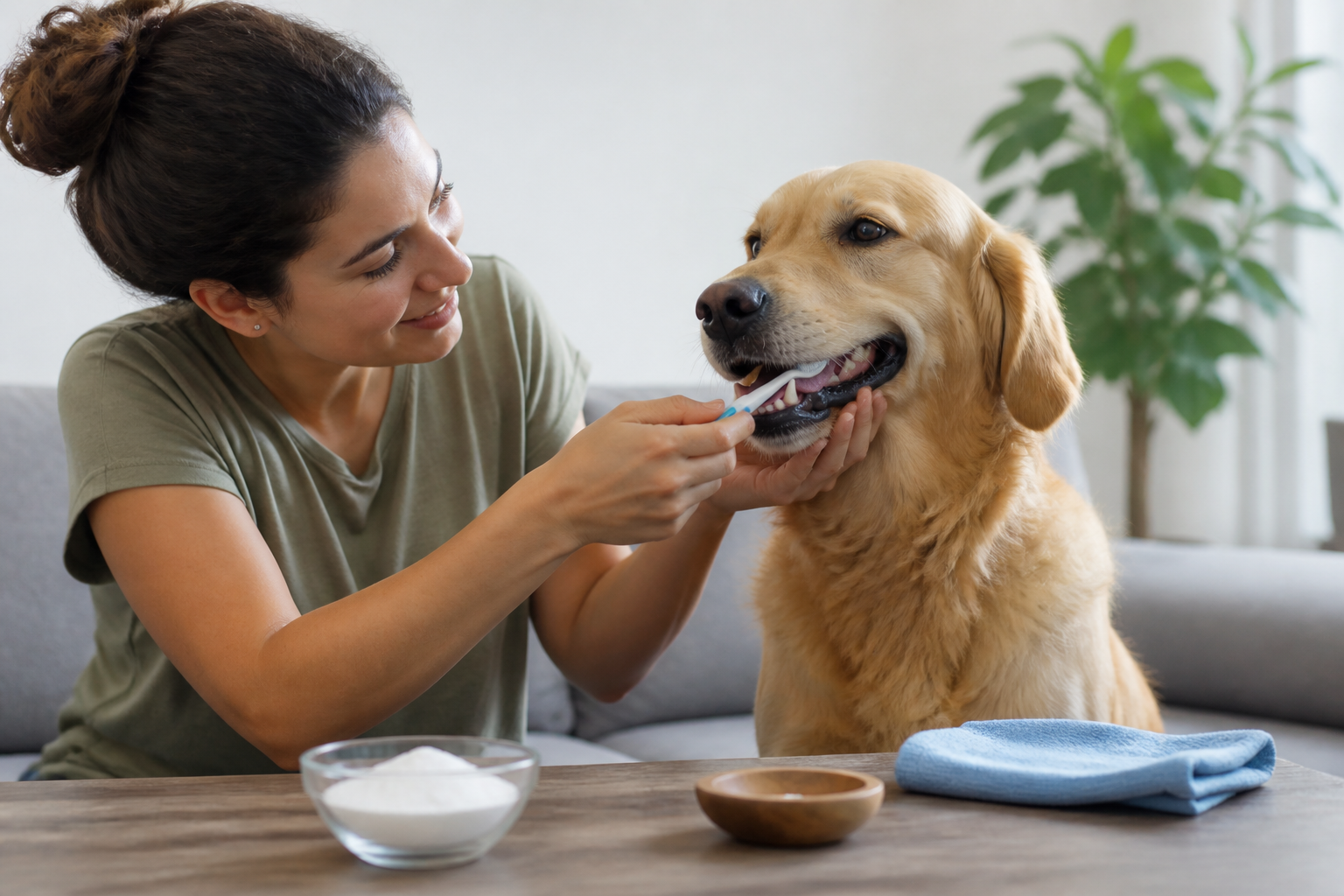
You are leaning in for a celebratory puppy kiss after a long day when a wave of "dog breath" hits you. It is a common moment for pet owners. You might look in your kitchen pantry and see a box of baking soda. It works for human teeth and fridge odors. You wonder if it can solve your dog's dental woes too.
At BaxterBoo, we know that keeping your dog's mouth clean is a major part of their overall health. While baking soda is often suggested as a DIY remedy, it is not always the best or safest choice for your pet. This article covers why baking soda can be risky and what alternatives actually work. We will help you build a dental routine that keeps those puppy kisses fresh and safe. Proper oral care involves the right tools and a gentle touch.
Is Baking Soda Safe for Dogs?
The short answer is that baking soda is not recommended for regular use on your dog’s teeth. While it is not strictly "poisonous" in tiny amounts, it poses several problems. Baking soda is the common name for sodium bicarbonate. It is a highly alkaline substance. Humans use it to scrub away stains, but we have the ability to spit it out.
Dogs cannot spit. When you brush your dog's teeth with baking soda, they will inevitably swallow most of it. This ingestion is where the trouble begins. A dog’s stomach environment is highly acidic to help them digest proteins and handle bacteria. Introducing a large amount of an alkaline substance can throw their digestive system out of balance.
Quick Answer: You should generally avoid using baking soda to clean your dog’s teeth. It can cause stomach upset if swallowed and lacks the enzymes needed to break down plaque effectively.
The Problem with Alkalinity
When a dog swallows baking soda, it neutralizes stomach acid. This can lead to digestive distress or gas. If a dog consumes too much, it can even lead to electrolyte imbalances. This is especially dangerous for dogs with underlying heart or kidney conditions who need to manage their sodium intake carefully.
The Taste Factor
Baking soda has a bitter, salty, and generally unpleasant taste to dogs. Most pets will find the flavor off-putting. If you are trying to train a puppy or an older dog to accept brushing, using something that tastes bad is a mistake. It creates a negative association with the toothbrush. You want your dog to enjoy the process so that it becomes a stress-free daily habit.
The Risks of Using Baking Soda
Beyond the immediate stomach upset, there are other reasons to skip the pantry staples. Baking soda is an abrasive. While some abrasion is good for removing surface stains, it does nothing to fight the bacteria that cause periodontal disease. For more guidance, read our article on warning signs of dental disease in dogs.
Key Takeaway: Baking soda provides a mechanical scrub but lacks the chemical power to kill oral bacteria or dissolve tartar.
- Sodium Content: High levels of sodium can be hard on a dog's system.
- Stomach Upset: Dogs often experience nausea or vomiting after ingesting baking soda.
- Enamel Wear: Used too often, the abrasive nature can wear down tooth enamel.
- Negative Association: The bad taste makes dogs fight the brushing process.
Better Alternatives to Baking Soda
If you want to keep your dog's teeth sparkling, there are much better options than baking soda. The goal of brushing is to remove plaque before it hardens into tartar. Once plaque turns into tartar, or calculus, it can usually only be removed by a veterinarian during a professional cleaning. You can explore our dog dental care collection.
Enzymatic Dog Toothpaste
This is the gold standard for home care. Enzymatic toothpastes contain proteins that actively break down the biofilm of plaque on the teeth. You do not even have to scrub hard for these to work. The enzymes do the heavy lifting. We carry several trusted brands like Virbac and Nylabone that offer these formulas.
These pastes come in flavors dogs actually love. You can find poultry, beef, peanut butter, and even vanilla mint. When the toothpaste tastes like a treat, your dog will look forward to the routine. This makes your job much easier. Learn more with our pet dental care tips.
Coconut Oil
If you are looking for a natural home remedy, coconut oil is a safer choice than baking soda. It has mild antimicrobial properties thanks to lauric acid. Most dogs enjoy the taste of coconut oil. You can use it on a finger brush to gently massage the gums and teeth. It will not break down tartar like an enzymatic paste, but it is a great "starter" for dogs who are hesitant about brushing.
Vet Tip: Never use human toothpaste on your dog. Many human brands contain Xylitol, which is a sweetener that is lethally toxic to dogs even in small amounts. They also contain fluoride, which is harmful if swallowed daily.
Choosing the Right Dog Toothbrush
The tool you use is just as important as the paste. A human toothbrush is often too hard for a dog's sensitive gums. Dog-specific brushes are designed with softer bristles and angled heads to reach the back molars. Browse our dog dental care supplies, including toothbrushes and toothpaste.
Finger Brushes
These are small silicone or rubber caps that slide over your index finger. They have tiny bristles on one side. Finger brushes provide excellent control and allow you to feel exactly where you are brushing. They are perfect for puppies or small breeds. However, be careful with dogs that might accidentally bite down during the process.
Dual-Ended Brushes
These long-handled brushes usually have a large head on one end and a tiny head on the other. The small end is specifically for reaching those difficult back teeth where tartar builds up most quickly. The long handle keeps your fingers away from the "danger zone" if your dog is still getting used to the sensation.
Bottom line: Matching the brush size to your dog's mouth makes the process more comfortable and more effective.
How to Brush Your Dog’s Teeth: A Step-by-Step Guide
Brushing should not be a wrestling match. It is a training process that requires patience. If your dog is resistant, take it slow. You might only brush one or two teeth the first day.
Step 1: Get them used to touch. / Spend a few days just lifting your dog's lips and touching their teeth with your finger. Reward them with a treat immediately.
Step 2: Introduce the flavor. / Put a small dab of dog-safe toothpaste on your finger. Let them lick it off so they associate the taste with a positive experience.
Step 3: Introduce the brush. / Put some paste on the brush and let them lick it. Do not try to brush yet. Just let them get used to the texture of the bristles.
Step 4: The circular motion. / Gently lift the lip and brush the outside surfaces of the teeth in a circular motion. Focus on the gum line where bacteria hide.
Step 5: Reward and praise. / Always end the session on a high note. Give them a favorite toy or a dental treat to celebrate a job well done.
Supporting Dental Health Through Diet
What your dog eats affects their oral health. While food cannot replace brushing, it can help. Some dogs benefit from specific diets designed to mechanically scrape teeth as they chew. You can find additional options in our dental supplements category.
Crunchy Vegetables
Raw carrots and apple slices (without seeds) are nature's toothbrushes. The crunch helps rub away loose plaque. They are also low in calories and high in fiber. This is a great way to reward your dog after a brushing session without adding unhealthy sugars to their mouth.
Dental Chews and Toys
High-quality dental chews are formulated to be "rubbery" or "scrubby." As the dog bites down, the chew surrounds the tooth to scrape the surface. Look for products with the VOHC (Veterinary Oral Health Council) seal of approval. Brands like Greenies or Barkworthies offer options that support gum health through chewing.
Water Additives
If your dog absolutely refuses a toothbrush, water additives are a helpful backup. These are liquids you add to their water bowl. They contain enzymes or ingredients that help kill the bacteria in the mouth that lead to plaque. It is not as effective as physical brushing, but it is much better than doing nothing. A product such as Vets Preferred Advanced Oral Care Water Additive for Dogs can be one option to consider.
When to Visit the Veterinarian
Home care is about prevention. It is not a cure for existing dental disease. If your dog already has heavy brown tartar or red, bleeding gums, you must see a vet. Bacteria from oral infections can enter the bloodstream. This can lead to serious issues with the heart, liver, and kidneys.
If you notice these signs, schedule a dental exam:
- Extremely foul breath (more than just "dog breath")
- Lethargy or loss of appetite
- Dropping food while eating
- Pawing at the mouth or face
- Loose or missing teeth
Our pharmacy at BaxterBoo offers a variety of FDA-approved medications and prescription dental diets through our partnership with Pet's Choice. If your vet prescribes a specific dental recovery plan or a medicated oral rinse, you can often find those through our pet pharmacy. Always follow your vet's guidance for dosing and treatment of active infections.
Conclusion
While the idea of using baking soda to clean your dog’s teeth is a common DIY tip, it often causes more trouble than it is worth. Between the risk of stomach upset and the unpleasant taste, it is not the ideal tool for a long-term dental routine. Instead, stick to enzymatic toothpastes and soft brushes specifically made for pets.
Consistent care is the secret to a healthy dog. Try to brush at least three times a week, though daily is best. Supplement this with dental chews and healthy, crunchy snacks. By making dental health a priority, you are helping your dog live a longer, more comfortable life.
If you are ready to start a routine, check out our selection of dog dental care supplies or visit our pharmacy for specialized health needs. Joining the MVP Rewards programme is also a great way to save on the supplies you will need for your dog's daily care.
Key Takeaway: Skip the baking soda and use an enzymatic toothpaste to safely and effectively protect your dog's smile.
FAQ
Is it okay if my dog swallows a little baking soda?
A tiny amount of baking soda used once is unlikely to cause a major emergency for most healthy dogs. However, it can still cause gas or a mild stomach ache. Because dogs swallow everything you put in their mouth, using it regularly for brushing can lead to more serious digestive issues or sodium imbalances.
Can I use a human toothbrush on my dog?
You can use a very soft human toothbrush if it is the right size for your dog’s mouth. However, a child’s toothbrush is usually a better fit than an adult one. Be very gentle, as human bristles are often stiffer than those on dog-specific brushes and can easily make a dog's gums bleed.
How often should I brush my dog's teeth?
Ideally, you should brush your dog’s teeth every single day. Plaque can begin to harden into tartar within 48 to 72 hours. If daily brushing is not possible, aim for at least three times a week to keep the bacterial load under control and prevent heavy buildup.
Why does my dog’s breath still smell bad after brushing?
If your dog has chronic bad breath despite regular brushing, they may have an underlying issue. This could be a deep infection under the gum line, a cracked tooth, or even a digestive problem. In these cases, home brushing cannot fix the smell, and you should take your dog to the veterinarian for a professional evaluation.






