
 Save 15% on your 1st Autoship learn more

 Email us
 Live Chat
 FAQs
FAQs





Introduction
You lean in for a quick pup kiss and get hit with a wave of dog breath that smells less like kibble and more like a swamp. Most of us have been there. While we often joke about stinky breath being a natural part of dog ownership, it is usually the first sign of a deeper health issue. You might wonder if a simple dental chew is enough or if it is finally time to ask: can the vet clean my dog's teeth?
At BaxterBoo, we see thousands of pet owners navigating the world of canine dental health. We know that the thought of a professional cleaning can be stressful and confusing. This post covers exactly what happens during a veterinary dental appointment, why it is different from home brushing, and how you can manage the costs. Understanding the process helps you make the best decisions for your dog's long term health.
The Reality of Professional Teeth Cleaning
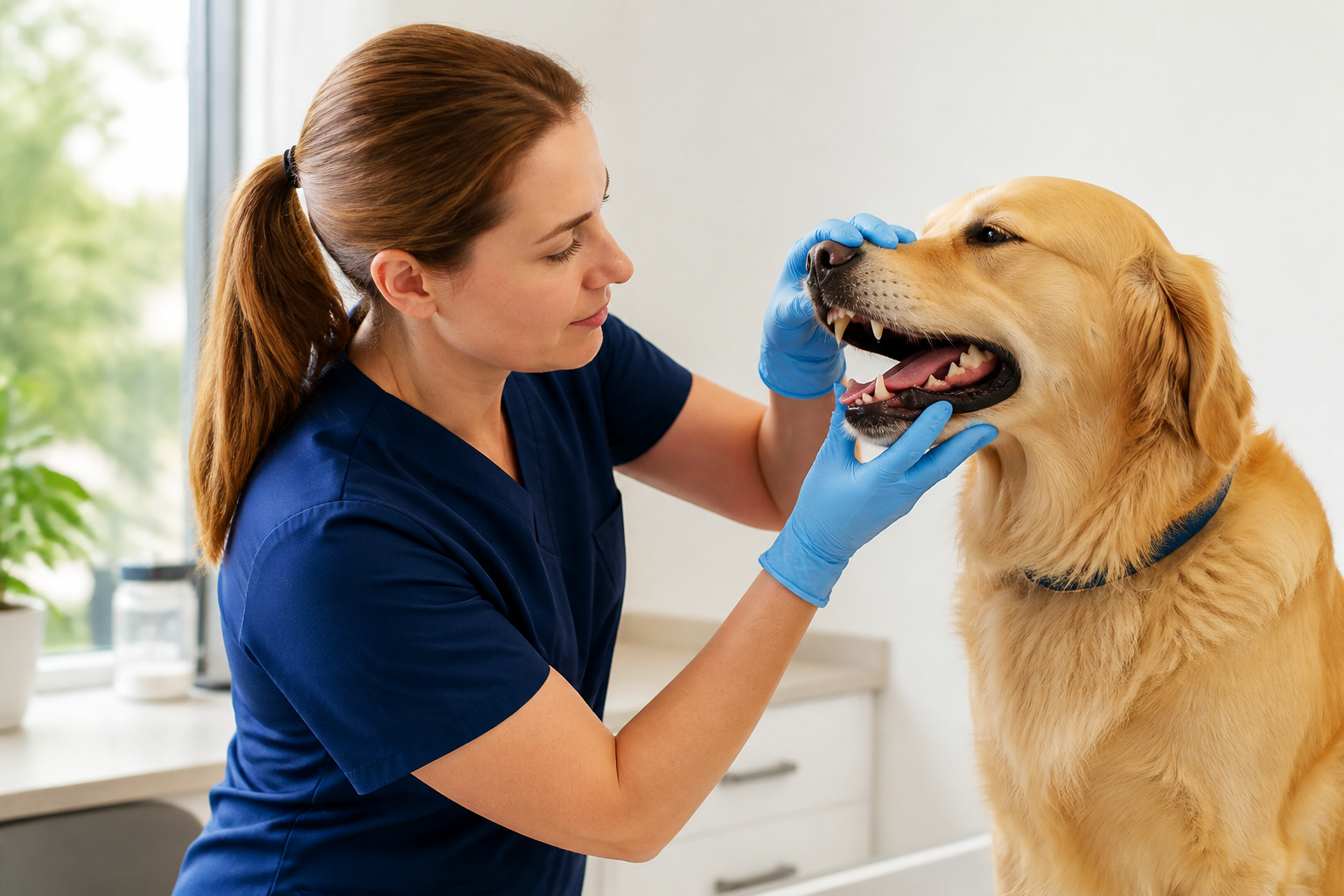
The short answer is yes. Your veterinarian can and should clean your dog's teeth. A professional cleaning is a medical procedure that goes far beyond what any toothbrush or dental treat can achieve at home. While you might brush the surface of the teeth, a vet addresses the areas you cannot see.
Professional cleanings are designed to treat and prevent periodontal disease. This is a condition where bacteria under the gumline cause inflammation, bone loss, and eventually tooth loss. By the time a dog is three years old, nearly 80 percent of them show some signs of dental disease. A vet cleaning is the only way to effectively remove the hardened tartar, also called calculus, that has bonded to the tooth enamel.
Why the Vet Cleaning Is Different
You might think that because your dog lets you brush their teeth, a vet visit is redundant. However, a veterinary dental cleaning is a comprehensive procedure. It involves specialized tools and training that a pet owner simply cannot replicate.
A standard cleaning at the clinic includes several critical steps:
- An initial oral exam while the dog is awake to assess general health.
- Pre-anesthetic blood work to ensure the liver and kidneys can process the medication.
- A thorough cleaning above and below the gumline using ultrasonic scalers.
- Polishing the teeth to smooth out microscopic scratches where bacteria like to hide.
- Full mouth X-rays to find hidden problems like root abscesses or jawbone loss.
Quick Answer: Yes, your vet can and should clean your dog's teeth. This professional procedure involves scaling and polishing both above and below the gumline under general anesthesia to prevent or treat periodontal disease.
The Importance of Anesthesia
One of the most common questions we hear is whether a dog can have their teeth cleaned while they are awake. While some groomers or specialized services offer anesthesia-free dental cleanings, these are largely cosmetic. They scrape off the visible tartar but leave the dangerous bacteria under the gumline untouched.
Veterinary professionals use general anesthesia for several vital reasons. First, it ensures the safety of the dog. Scaling involves sharp instruments and high speed water spray. If a dog moves suddenly, they could suffer severe injury to their gums or tongue. Second, anesthesia allows the vet to place a tube in the windpipe. This prevents the dog from inhaling water, bacteria, or debris during the cleaning.
Most importantly, you cannot perform a deep cleaning under the gums on a conscious animal. It is uncomfortable and requires the dog to remain perfectly still. Anesthesia allows the vet to do a thorough job without causing your dog stress or pain.
Vet Tip: If you are concerned about anesthesia, ask your vet about their specific monitoring protocols. Modern veterinary anesthesia is very safe, and the risks of untreated dental infections often outweigh the risks of the procedure itself.
How the Procedure Works Step by Step
If you have never dropped your dog off for a dental day, the process might feel mysterious. Here is a typical walkthrough of the day.
Step 1: The Pre-Check / Your vet performs a physical exam and reviews blood work. This step confirms your dog is healthy enough for the procedure.
Step 2: Sedation and Anesthesia / The medical team administers a sedative to calm the dog, followed by general anesthesia. They monitor heart rate, oxygen levels, and blood pressure throughout the entire process.
Step 3: X-Rays and Probing / The vet takes digital X-rays of the entire mouth. They also use a periodontal probe to check for "pockets" around each tooth where the gum has pulled away.
Step 4: Scaling and Polishing / The technician or vet uses an ultrasonic scaler to vibrate tartar off the teeth. After the teeth are clean, they use a specialized paste to polish the enamel.
Step 5: Recovery / The dog is moved to a quiet, warm area to wake up. Most dogs are ready to go home the same afternoon.
Understanding the Costs
The cost of a veterinary dental cleaning can vary significantly. In the US, a routine cleaning usually starts around $350 but can exceed $1,500 if the dog requires advanced care.
Several factors influence the final bill:
- Geographic Location: Vets in major metropolitan areas like New York or Los Angeles generally charge more than those in rural areas.
- Size and Weight: Larger dogs require more anesthesia and more time for the staff to manage.
- Extractions: If the vet finds a dead or broken tooth, removing it adds to the cost of surgery, time, and medication.
- Specialists: If your dog has a complex issue like a jaw fracture or needs a root canal, you may be referred to a board-certified veterinary dentist.
| Service Type | Estimated Cost Range |
|---|---|
| Routine Cleaning (General Vet) | $350 – $600 |
| Cleaning with X-rays and Bloodwork | $500 – $800 |
| Advanced Cleaning with Extractions | $800 – $1,500+ |
| Specialist Dental Visit | $1,500 – $3,000 |
Signs Your Dog Needs a Cleaning Now
While an annual cleaning is recommended for most dogs, some pets may need to see the vet sooner. Small breeds, such as Pugs, Chihuahuas, and Yorkies, often have crowded mouths that trap food and bacteria more easily. These dogs might need cleanings twice a year.
Watch for these specific signs that a dental appointment is a priority:
- Persistent bad breath that does not go away after brushing.
- Red, swollen, or bleeding gums.
- Yellow or brown crust (tartar) on the teeth near the gumline.
- Dropping kibble or showing a sudden preference for soft food.
- Pawing at the mouth or rubbing the face on the carpet.
- Loose or missing teeth.
If you notice any of these symptoms, a vet consult is the necessary next step. Dental pain in dogs is often hidden. They have a natural instinct to keep eating even when they are in significant discomfort.
Key Takeaway: Bad breath is not just a nuisance; it is a clinical sign of oral infection. Regular professional cleanings prevent bacteria from entering the bloodstream and damaging the heart, liver, or kidneys.
The Role of the BaxterBoo Pharmacy
Sometimes, a dental cleaning reveals a serious infection or a chronic condition that requires more than just a cleaning. Your vet might prescribe specific antibiotics or pain medications to help your dog recover after a difficult extraction.
Through our partnership with Pet's Choice, we offer our pet pharmacy that carries FDA-approved medications. If your vet determines that your dog needs a prescription dental diet, such as Farmina Vet Life, we can help you fulfill those needs. These specialized foods are formulated to provide a mechanical scrubbing action or include minerals that help prevent tartar from forming. Having access to a pharmacy makes it easier to manage your dog's ongoing oral health without multiple trips to different stores.
At-Home Maintenance Between Cleanings
A professional cleaning is a fresh start, but plaque begins to reform within hours of the procedure. To save money and keep your dog's mouth healthy, you need a solid at-home routine.
We recommend a multi-pronged approach to dental care. Daily brushing is the gold standard. Use a dog-specific toothpaste and a soft brush. Never use human toothpaste, as it contains ingredients like xylitol or fluoride that are toxic to dogs.
In addition to brushing, consider these supplemental tools:
- Dental Chews: High quality options like Greenies dental chews are designed to scrape teeth as the dog chews.
- Water Additives: These are simple liquids you add to your dog's water bowl to help break down biofilm.
- Dental Wipes: If your dog will not tolerate a brush, wipes can still remove some surface plaque.
- Specific Diets: Some dry kibbles are larger and more fibrous, requiring the dog to crunch through them, which provides a natural cleaning effect.
At BaxterBoo, we curate our dog dental care category to help you maintain that "just-cleaned" look for as long as possible. Using these tools regularly can often extend the time between professional cleanings.
Managing the Financial Side of Dental Care
Because dental care can be expensive, many owners look for ways to budget. One of the best methods is to check if your vet offers "Dental Month" specials. Many clinics offer discounts in February or August to encourage owners to book these important appointments.
You should also look into your pet insurance policy. Companies like FIGO often offer wellness riders that cover a portion of a routine dental cleaning. If you do not have insurance, starting a small savings fund specifically for annual vet visits can take the sting out of a $500 bill.
Another way to save is through our MVP Rewards program. Since dental health is a lifelong commitment, you can earn points on every purchase of toothpaste, brushes, and treats. Over time, those rewards add up, helping you offset the cost of the supplies you need to keep your dog's smile bright.
Recovering After the Cleaning
When you pick your dog up from the clinic, they might be a little groggy. This is normal as the anesthesia wears off. Your vet will provide specific instructions, but generally, you should keep your dog in a quiet place away from stairs or high furniture for the first 24 hours.
If your dog had extractions, they will likely need soft food for several days. Their gums will be sensitive, and hard kibble could cause pain or dislodge a clot. Watch for any excessive redness or a foul odor from the mouth during the first week. If you notice anything unusual, call your vet immediately.
Bottom line: Professional dental cleaning is an essential part of canine healthcare that prevents pain and systemic disease, making it a worthwhile investment in your dog's longevity.
Summary of Professional Dental Care
Taking care of your dog's teeth is a partnership between you and your veterinarian. While you handle the daily upkeep with brushes and treats, your vet provides the deep, medical cleaning necessary to keep your dog healthy.
- Professional cleanings require anesthesia for safety and effectiveness.
- Scaling and polishing must happen below the gumline to prevent disease.
- Cost varies by location, size of the dog, and the severity of the dental issues.
- At-home care is vital for maintaining the results of a professional cleaning.
The most important step you can take today is to lift your dog's lip and look at their teeth. If you see brown buildup or red gums, schedule a consultation. Whether you need to fulfill a prescription for dental health or stock up on daily dental treats, we are here to support your journey. You can even set up our Autoship programme for your favorite dental treats to ensure you never run out of the supplies your dog needs.
FAQ
How long does a dog teeth cleaning take?
A routine veterinary dental cleaning usually takes between 45 and 90 minutes. This includes the time for X-rays, scaling, and polishing. If your dog requires extractions or more complex dental work, the procedure can take longer.
Is anesthesia really necessary for cleaning a dog's teeth?
Yes, anesthesia is necessary for a safe and effective cleaning. It allows the veterinarian to clean deep under the gumline where disease starts and ensures the dog's airway is protected from water and bacteria. Anesthesia-free cleanings are primarily cosmetic and do not treat periodontal disease.
Can I clean my dog's teeth myself to avoid the vet?
You can brush your dog's teeth at home to remove plaque, but you cannot perform a professional cleaning. Once plaque hardens into tartar, it can only be removed with specialized veterinary tools. At-home brushing is a preventive measure, not a substitute for a medical procedure.
How often should my dog get their teeth cleaned by a vet?
Most veterinarians recommend a professional dental cleaning once a year starting at age two or three. However, small breeds or dogs prone to dental issues may need more frequent cleanings, sometimes every six months. Your vet will determine the best schedule during your dog's annual physical exam.






