
 Save 15% on your 1st Autoship learn more

 Email us
 Live Chat
 FAQs
FAQs





Introduction
You might notice a distinct, unpleasant odor when your dog leans in for a lick. Or perhaps you see a thick layer of yellow-brown buildup along their gum line. These are common signs that your pet needs more than just a dental chew. Many owners ask us if a professional cleaning is truly necessary or if they can handle it all at home. At BaxterBoo, we believe that understanding the difference between routine brushing and veterinary intervention is the first step toward a healthier, happier pet. This article covers the professional cleaning process, why anesthesia is vital, and what you can expect to pay for these services. Our goal is to help you navigate the world of canine oral health with confidence.
Quick Answer: Yes, veterinarians can and should clean your dog’s teeth. A professional cleaning involves scaling away tartar above and below the gum line while the dog is under anesthesia. This process is essential for preventing periodontal disease and systemic health issues.
Understanding Professional Dog Teeth Cleaning
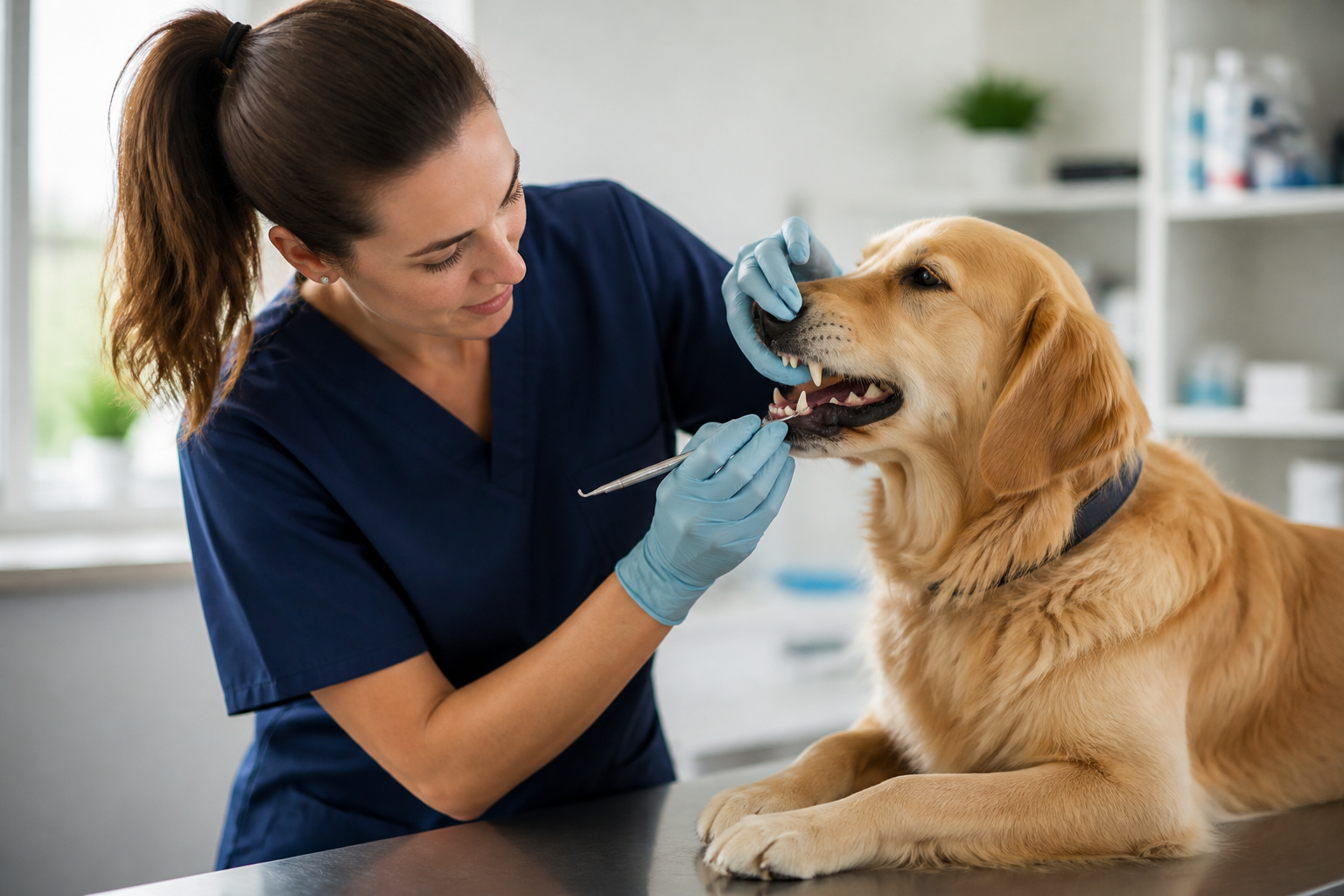
Professional dental cleaning for dogs is much more involved than a simple tooth brushing. Veterinarians refer to this as a Comprehensive Oral Health Assessment and Treatment, or COHAT. It is a medical procedure designed to address the parts of the mouth that you cannot see or reach at home.
While you can scrub the surfaces of the teeth with a brush, you cannot safely clean beneath the gum line on an awake animal. This area is where the most dangerous bacteria live. If left alone, these bacteria cause inflammation and eventually destroy the bone supporting the teeth.
A vet visit for dental work usually starts with a physical exam. Your vet looks for obvious signs of trouble like loose teeth, oral masses, or heavy tartar. However, they cannot give a full diagnosis until the dog is sedated. This is because many dental problems are hidden from view.
Why Your Dog Needs a Professional Cleaning
Most dogs show some sign of dental disease by the time they are three years old. Unlike humans, dogs do not brush their teeth twice a day. This leads to a rapid buildup of plaque. Plaque is a soft film of bacteria that hardens into tartar within 24 to 48 hours. Once tartar forms, you cannot brush it off.
When tartar builds up, it pushes under the gums. This causes gingivitis, which you will see as red, swollen, or bleeding gums. If this progress continues, it turns into periodontal disease. This condition is painful and can lead to the loss of teeth and even portions of the jawbone.
The danger is not just in the mouth. The mouth is highly vascular. This means bacteria from infected gums can easily enter the bloodstream. From there, it travels to major organs. Chronic dental disease is linked to heart, liver, and kidney damage in dogs.
Key Takeaway: Professional cleanings are not just about white teeth and fresh breath. They are a vital part of preventative healthcare that protects your dog’s internal organs from bacterial infection.
For additional guidance on warning signs, read our article about signs of dental disease in dogs.
The Professional Cleaning Process: Step-by-Step
If you are nervous about your dog going in for a dental procedure, it helps to know exactly what happens behind the scenes. Veterinary teams follow a strict protocol to ensure safety and thoroughness.
Step 1: Pre-Anesthetic Screening
Before any drugs are administered, the vet will perform blood work. This helps them check liver and kidney function. They need to ensure your dog’s body can safely process and clear the anesthesia.
Step 2: Anesthesia Induction
Once the blood work is cleared, the dog is sedated and then placed under general anesthesia. A breathing tube is inserted to protect the airway and deliver oxygen and anesthetic gas. This also prevents water and debris from the cleaning from entering the lungs.
Step 3: Full Oral Examination
With the dog safely asleep, the vet can look at every single tooth. They use a periodontal probe to check the depth of the pockets around the teeth. They also look for oral tumors, hidden fractures, or signs of infection in the back of the throat.
Step 4: Dental Radiographs
Dental X-rays are the most important part of the visit. Over 60 percent of a dog's tooth structure is below the gum line. Without X-rays, a vet might miss a painful abscess at the root of a tooth that looks perfectly healthy on the outside.
Step 5: Scaling and Polishing
The technician uses an ultrasonic scaler to vibrate tartar off the teeth. This is done above and below the gum line. After scaling, the teeth are polished with a special paste. This smooths out microscopic scratches left by the scaling tools. Smooth teeth are harder for plaque to stick to in the future.
Step 6: Extractions or Treatments
If the X-rays or exam show a tooth is dead, broken, or severely infected, it may need to be removed. This is called an extraction. The vet will usually call you before proceeding with any extractions that were not discussed in the initial estimate.
Step 7: Recovery
The dog is moved to a quiet, warm area to wake up. Veterinary staff monitor their vital signs until they are fully alert and able to walk.
The Importance of Anesthesia
You may have seen advertisements for "anesthesia-free" dental cleanings. While these might seem safer or cheaper, they are often a waste of money. They are also potentially dangerous for your pet.
An awake dog will not sit still while a sharp metal tool scrapes under their gums. This leads to accidental cuts on the tongue or gums. Furthermore, anesthesia-free cleanings are purely cosmetic. They remove the tartar you can see but leave the dangerous bacteria under the gum line. This gives owners a false sense of security while dental disease continues to rot the tooth roots.
General anesthesia allows the vet to do a thorough job without causing the dog stress or pain. It also allows for the use of a breathing tube, which prevents the dog from inhaling bacteria-laden water during the scaling process.
For more information about professional exams, brushing, and preventive care, review these pet dental care tips.
Vet Tip: If your dog has a known heart condition or is a senior pet, talk to your veterinarian about their specific anesthesia protocols. Modern veterinary medicine uses tailored drug combinations to make the procedure as safe as possible for pets of all ages and health statuses.
What Does Dog Teeth Cleaning Cost?
The cost of a professional cleaning varies significantly. It depends on your location, the size of your dog, and the health of their mouth. A routine cleaning for a young dog with healthy gums will be much less expensive than a procedure for an older dog with multiple infections.
Basic Cleaning Costs
A standard cleaning usually includes the exam, blood work, anesthesia, scaling, and polishing. In the United States, you can expect to pay anywhere from $300 to $700 for this basic package. Large dogs often cost more because they require higher doses of medication.
Advanced Dental Work
If your dog needs extractions or oral surgery, the price will go up. A single tooth extraction can range from $50 to $200, depending on the complexity of the tooth. Large molar extractions are more difficult and time-consuming than small incisor removals.
Summary of Potential Expenses
| Service Type | Estimated Cost Range |
|---|---|
| Pre-anesthetic Blood Work | $75 – $150 |
| Basic Cleaning & Anesthesia | $300 – $700 |
| Dental X-rays (Full Mouth) | $100 – $250 |
| Tooth Extractions (per tooth) | $50 – $200+ |
| Post-op Pain Meds & Antibiotics | $40 – $100 |
Signs Your Dog Needs a Professional Cleaning
It is best to schedule cleanings before your dog is in pain. However, dogs are experts at hiding discomfort. You must be proactive in checking their mouth regularly.
Look for these red flags:
- Bad breath that does not go away with brushing.
- Red, bleeding, or receding gums.
- Yellow or brown crust on the teeth.
- Dropping food while eating.
- Pawing at the face or mouth.
- Sudden reluctance to chew on hard toys.
- Swelling under one eye, which often indicates a root abscess.
If you notice any of these signs, a vet visit is necessary. Ignoring dental pain can lead to weight loss and behavioral changes in your dog.
Maintaining Dental Health at Home
While a vet is the only one who can deep clean your dog's teeth, you are the one who keeps them clean between visits. At-home care can significantly reduce the frequency of professional cleanings. It also makes the cleanings easier and safer when they do happen.
Our dog dental and breath care collection includes products for brushing, freshening breath, and supporting your dog’s daily oral care routine.
Daily Brushing
Brushing is the gold standard for home care. You should use a toothbrush and toothpaste specifically designed for dogs. Never use human toothpaste. It often contains xylitol, which is toxic to dogs, and foaming agents that can upset their stomach. We carry a wide variety of pet-safe brushes and flavored pastes at BaxterBoo to make this process easier.
Dental Chews and Treats
High-quality dental treats like Greenies can help scrub away plaque through mechanical action. These are great supplements to brushing. Look for products that have the Veterinary Oral Health Council (VOHC) seal of approval. This seal ensures the product has been tested and proven to reduce plaque or tartar.
You can explore our selection of Greenies products when choosing dental chews and other pet treats.
For more ideas, see our guide to the best dental chews for dogs.
Water Additives and Wipes
If your dog absolutely refuses a toothbrush, you have other options. Water additives are tasteless liquids you add to your dog's bowl. They contain enzymes that help break down plaque. Dental wipes are another alternative. You simply wrap them around your finger and rub the surface of the teeth to remove daily buildup.
Prescription Dental Diets
For dogs prone to rapid tartar buildup, your vet might recommend a prescription dental diet. These kibbles are usually larger and have a specific texture that does not crumble immediately. Instead, the tooth sinks into the kibble, which scrubs the surface as the dog bites down.
Bottom line: Home care is about consistency, not perfection. Even brushing three times a week can make a massive difference in your dog's long-term health.
Prescription Medications and the Pharmacy
Sometimes, a cleaning reveals a deep infection that requires more than just a scrub. Your vet may prescribe antibiotics or pain relief medications to help your dog heal. If your dog has chronic dental issues, they might even need a specialized prescription diet like Royal Canin Dental or Farmina Vet Life.
Our pet pharmacy at BaxterBoo provides a convenient way to get these essential health products. Through our partnership with Pet's Choice, we offer FDA-approved medications and prescription pet foods. This allows you to manage your dog's recovery and ongoing dental health in one place. Whether you need a specific antibiotic for a gum infection or a specialized diet to prevent future tartar, we can help you fulfill your vet's recommendations.
Recovery After a Cleaning
Most dogs bounce back quickly after a dental procedure. You will likely pick them up a few hours after they wake from anesthesia. They may be a little groggy or unsteady for the rest of the evening.
Follow these steps for a smooth recovery:
- Keep them in a warm, quiet area away from other pets.
- Offer a small, soft meal if the vet allows it.
- Monitor for any excessive bleeding from the mouth.
- Administer all prescribed medications exactly as directed.
- If extractions were performed, avoid hard kibble or chew toys for several days.
If your dog is not back to their normal self within 24 hours, or if they refuse to eat or drink, contact your veterinarian immediately.
Conclusion
Professional dental care is a cornerstone of responsible dog ownership. While the cost and the idea of anesthesia can be intimidating, the benefits of a clean, pain-free mouth are immeasurable. A routine visit to the vet for a cleaning can prevent serious illness and extend your dog's life. By combining these professional visits with a solid at-home routine using quality products from us, you give your dog the best chance at a healthy future.
Ready to start an at-home dental routine? Explore our dental food and treat collection for brushes, pastes, and VOHC-approved treats. If your vet has already prescribed a specialized dental diet or medication, visit the BaxterBoo pharmacy to have your prescription filled quickly and reliably.
FAQ
How often should my dog have a professional dental cleaning?
Most veterinarians recommend a professional cleaning once a year starting around age two or three. Small breeds, such as Chihuahuas or Yorkies, may need cleanings every six months because their teeth are crowded, which leads to faster plaque buildup. Your vet will assess your dog's mouth during their annual physical to determine the best schedule for your pet.
Can I clean my dog's teeth myself without a vet?
You can perform preventative maintenance like brushing and using dental wipes, but you cannot perform a deep cleaning. Only a veterinarian has the specialized tools and anesthesia required to remove tartar from beneath the gum line. Attempting to scrape tartar off with metal tools at home can cause painful injuries to your dog's gums or damage the tooth enamel.
Is anesthesia really necessary for a dog's teeth cleaning?
Yes, anesthesia is essential for a thorough and safe dental procedure. It allows the veterinarian to perform a full exam, take X-rays, and scale under the gum line without causing the dog stress or pain. It also protects the dog's airway from the bacteria and water used during the process, ensuring they don't accidentally inhale debris into their lungs.
Will my dog have trouble eating if they need teeth extracted?
Most dogs feel much better after a diseased or painful tooth is removed. While they may need soft food for a week or two while the gums heal, they can usually return to their normal diet afterward. In fact, many dogs with multiple extractions eat better than before because the source of their chronic mouth pain has been eliminated.






