
 Save 15% on your 1st Autoship learn more

 Email us
 Live Chat
 FAQs





Introduction
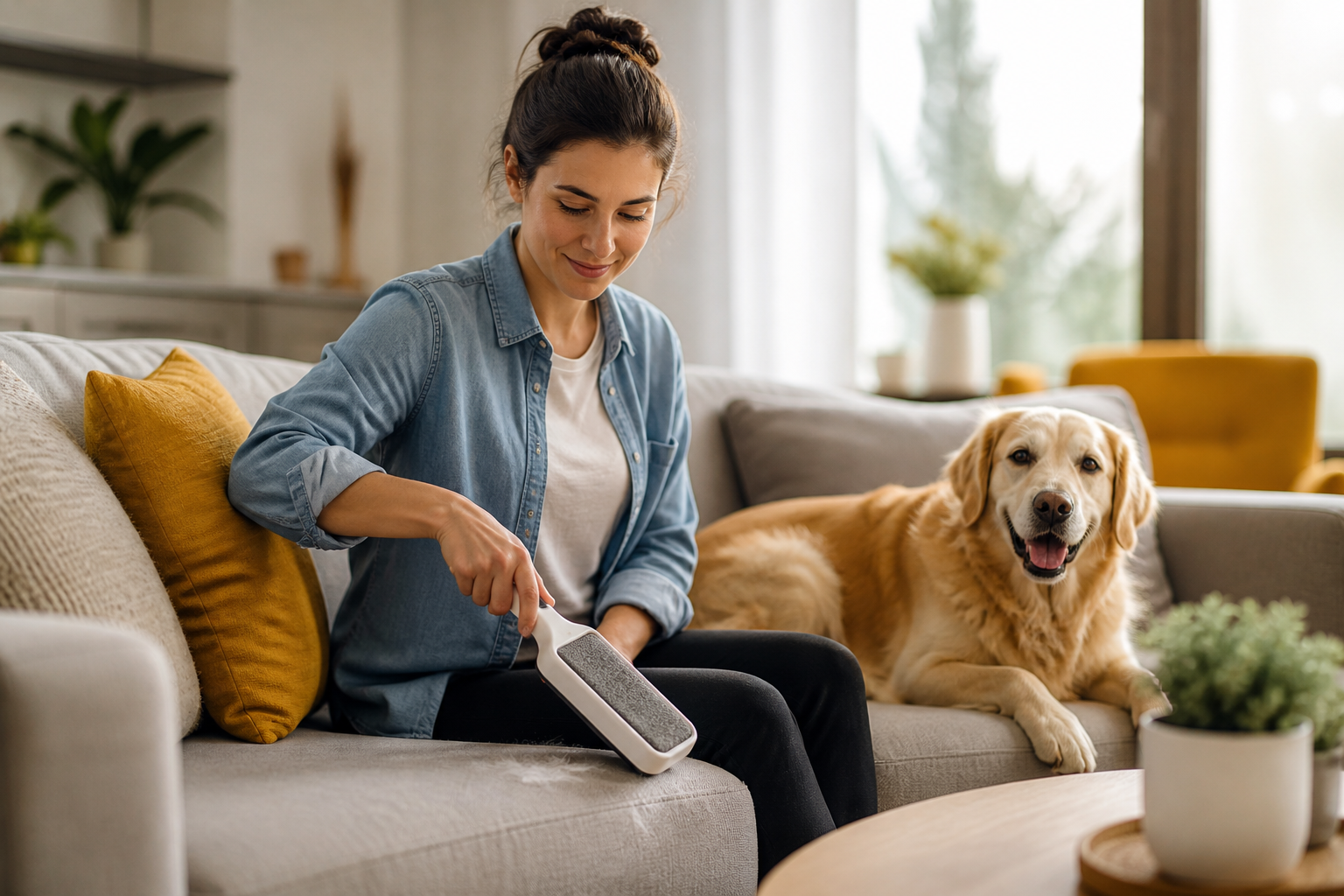
You are standing by the door and ready for a big meeting or a dinner date. You glance in the mirror and notice your dark navy blazer is covered in a fine layer of golden retriever fur. It is a moment every dog owner knows well. No matter how much you vacuum or brush your pet, their hair finds a way onto your favorite fabrics. At BaxterBoo, we have spent years helping pet parents manage the daily realities of living with shedding dogs. Finding the right dog hair lint brush is about matching the tool to the specific fabric and your lifestyle. This guide covers the various types of lint removal tools and how they perform on different surfaces. We will also look at how managing your dog’s coat health can reduce the amount of fur you find on your clothes.
The Evolution of the Lint Brush
The traditional way to handle pet hair was the adhesive tape roller. These tools are still popular because they are simple and effective. You peel off a sheet of sticky paper and roll it over your clothes. The adhesive grabs the hair and pulls it away from the fabric. Once the sheet is full of fur, you tear it off and discard it. They are great for a quick touch-up before you leave the house.
However, many pet owners are now moving toward reusable options. These tools do not create the same amount of waste as paper rollers. Some use specialized fabric that catches hair when moved in one direction. Others use rubber or silicone to create friction. Friction is a powerful force when it comes to lifting stubborn dog hair.
Reusable brushes often have a larger surface area than small tape rollers. This makes them more efficient for cleaning a sofa or a large winter coat. You do not have to stop every few seconds to peel off a used sheet. Instead, you can focus on the task and finish the job faster.
Quick Answer: The best dog hair lint brush depends on the surface you are cleaning. Adhesive rollers work best for fine hair on delicate clothing. Reusable rubber or fabric brushes are better for heavy shedding on furniture and rugs.
Dog Hair Removal & Lint Rollers


Understanding Different Brush Materials
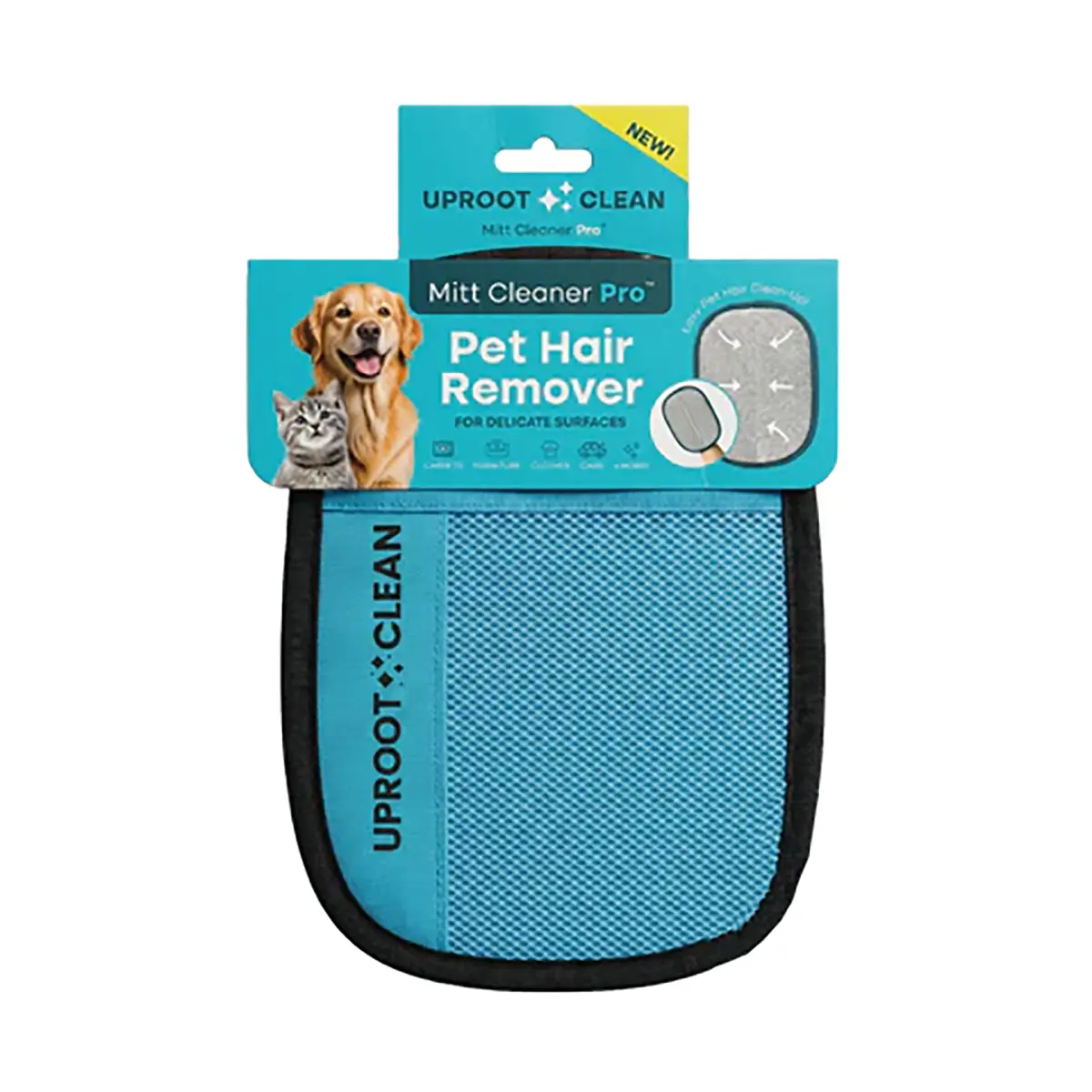
Not all dog hair lint brushes are built the same way. The materials used in these tools determine how they interact with fabric fibers. Some materials are designed to be gentle, while others are built for heavy-duty scrubbing.
Adhesive Tape Rollers
Adhesive rollers use a high-tack paper. This is excellent for picking up very fine hairs that get woven into cotton or linen. The downside is that you can go through an entire roll just cleaning one coat. If you have a heavy shedder like a Lab or a Shepherd, this gets expensive over time. They also do not work well on very textured fabrics like corduroy or heavy knits.
Micro-Bristle Fabric Brushes
These brushes often have a velvet-like texture. The bristles are angled in one direction. When you swipe the brush over your clothes, the bristles act like tiny hooks. They catch the hair and pull it out of the weave. These are very effective for flat fabrics. Most of these come with a self-cleaning base. You slide the brush into the sleeve, and it scrapes the hair into a small compartment at the bottom.
Rubber and Silicone Tools
Rubber is a fantastic material for grabbing dog hair. It creates a static charge and plenty of friction. When you use a rubber brush on a carpet or a car seat, the hair clumps together into little rolls. This makes it much easier to pick up by hand or with a vacuum. Many people use these in their vehicles because they can handle the tough, rugged fabric of car interiors.
Reusable Sticky Rollers
These look like traditional tape rollers but use a washable gel. When the roller gets full of hair, you rinse it under warm water with a bit of dish soap. The hair washes away, and the roller becomes sticky again once it dries. These are cost-effective because you never have to buy refills. They are best for light cleaning rather than heavy-duty tasks.
Key Takeaway: Match your tool to the job. Use adhesive for delicate office wear and rubber or micro-bristle tools for durable upholstery and rugs.
Managing Hair on Different Fabric Types
The way dog hair sticks to a surface depends on the weave of the fabric. Some fabrics are like magnets for fur. Others are more resistant. Knowing which tool to use for each material will save you from damaging your clothes.
Delicate Knits and Sweaters
Be careful with sweaters. Many reusable brushes use a rough texture that can snag loose threads. For a high-quality wool or cashmere sweater, an adhesive roller is the safest choice. It lifts the hair without pulling on the delicate fibers. If you must use a reusable tool, choose one with very soft silicone bristles.
Denim and Heavy Cotton
Denim is a tight weave, but its rough texture can hold onto short, coarse hairs. A micro-bristle brush works very well here. You can apply a bit more pressure than you would on a sweater. If the hair is really stuck, a quick swipe with a rubber brush can help loosen the fibers before you use a lint roller.
Synthetic Blends and Athletic Wear
Yoga pants and athletic shirts are notorious for attracting dog hair. This is often due to static electricity. A reusable fabric brush is usually the most effective tool for these materials. Since these fabrics are often very smooth, the micro-bristles can easily glide over them while snatching up every stray hair.
Checklist for Fabric Care
- Check for loose threads before using a micro-bristle brush.
- Test a small, hidden area of the fabric first.
- Always swipe in the direction indicated on the brush handle.
- Use light pressure on delicate silks or thin cotton.
- Keep an adhesive roller in your car for last-minute emergencies.
Cleaning Furniture and Large Surfaces
Cleaning a sofa is a much bigger job than cleaning a pair of pants. Using a standard lint roller on a sectional couch would take far too long. For furniture, you need a tool with a wide head. Some reusable rollers use a back-and-forth motion to trap hair inside a hidden chamber. These are very popular because they cover a lot of ground quickly.
If you have a fabric couch, dog hair often gets pushed deep into the fibers when you sit down. A vacuum might not have enough suction to pull it out. This is where a rubber-edged brush is helpful. You can use the brush to "rake" the sofa. This pulls the hair to the surface so your vacuum can actually reach it.
For rugs and carpets, specialized hair rakes are the best option. These have long handles so you do not have to crawl on your hands and knees. They use metal or stiff rubber teeth to pull hair out of the carpet pile. It is often shocking to see how much hair a rake can find even after you have already vacuumed.
Bottom line: For furniture and large home surfaces, choose a wide reusable roller or a rubber rake to maximize efficiency.
Why Some Dogs Shed More Than Others
Living with a dog means living with some amount of hair. However, if you feel like you are using your lint brush every five minutes, there might be a reason for the excessive shedding. Some of it is down to the breed. Double-coated breeds like Huskies or Labs go through a "blow out" period twice a year. During these times, they lose their entire undercoat.
Other factors include nutrition and skin health. A dog with dry, flaky skin will lose more hair. At our warehouse in Vernon Hills, we often talk to owners about the relationship between diet and shedding. High-quality food with the right balance of Omega fatty acids can help keep the coat healthy. When the hair is strong and the skin is hydrated, fewer hairs fall out prematurely. You can browse our dog skin and coat care category for relevant products.
Sometimes, excessive shedding is a sign of an underlying health issue. Allergies or hormonal imbalances can cause a dog to lose more fur than usual. If you notice bald patches or if your dog is scratching constantly, it is time for a professional opinion.
Vet Tip: Consult your veterinarian if you notice sudden changes in your dog's shedding patterns or skin condition. Our pharmacy offers FDA-approved medications and prescription diets through our partnership with Pet's Choice for dogs with specific health needs.
Managing Shedding at the Source
The best way to reduce your reliance on a lint brush is to stop the hair from falling in the first place. This starts with a consistent grooming routine. Brushing your dog once a day can significantly reduce the amount of loose fur in your home.
When you brush your dog, you are catching the dead hair before it has a chance to land on your rug or clothes. Use a tool that is appropriate for your dog's coat type. Slicker brushes are great for long-haired dogs. Deshedding tools are designed to reach through the topcoat and pull out loose undercoat hair. Browse our dog grooming tools to explore grooming options.
Bathing also helps. A good bath with a moisturizing shampoo loosens dead hair. Make sure you brush your dog thoroughly after they are dry. You will be amazed at how much fur comes off during a post-bath grooming session. We carry a wide selection of dog grooming supplies to make this process easier for both you and your pet.
Step-by-Step Grooming for Less Shedding
Step 1: Choose the right brush. Match the brush to your dog’s coat length and texture to ensure you reach the undercoat safely.
Step 2: Brush in the direction of hair growth. Work in small sections and be gentle around sensitive areas like the stomach and ears.
Step 3: Use a deshedding tool weekly. These tools are specifically designed to remove the dead undercoat that traditional brushes might miss.
Step 4: Maintain a regular bath schedule. Bathing every few weeks helps wash away loose hair and keeps the skin healthy and hydrated.
Maintaining Your Lint Removal Tools
To keep your dog hair lint brush working well, you need to take care of it. Adhesive rollers are simple because you just throw away the used sheets. However, reusable brushes require a bit of maintenance to stay effective.
Micro-bristle brushes can become clogged with dust and dander over time. If the brush stops picking up hair, it might be because the tiny bristles are dirty. Most can be cleaned by wiping them with a damp cloth. Make sure the brush is completely dry before you use it again.
Rubber and silicone tools are the easiest to clean. You can simply rinse them under the tap. If they have accumulated oils from the fabric or your hands, use a small amount of mild soap. Keeping the rubber clean ensures it maintains the high level of friction needed to grab hair.
If you have a self-cleaning base for your brush, remember to empty it frequently. If the base gets too full, it will stop cleaning the brush properly. Check the compartment every few uses to make sure there is plenty of room for more fur.
Key Takeaway: Regular cleaning of your reusable tools ensures they maintain the friction and grip necessary to remove stubborn pet hair effectively.
Travel and Portable Options
Dog hair does not stay at home. It follows you into your car and eventually into your office. Keeping a small lint removal tool in your vehicle or your desk drawer is a smart move. Many companies make travel-sized versions of their popular brushes.
A small adhesive roller is often the best choice for a travel kit. It is compact and does not require a bulky cleaning base. Some travel rollers have a folding handle to save even more space. If you prefer a reusable option, look for a small silicone tool that can be rinsed in an office sink.
If you frequently travel with your dog, consider using a seat cover in your car. This prevents the hair from getting deep into the upholstery in the first place. When the cover gets dirty, you can just shake it out or throw it in the wash. This makes the job of your lint brush much easier when you finally get around to cleaning the interior.
Choosing the Right Tool for Your Budget
The price of lint removal tools varies significantly. A basic adhesive roller is inexpensive upfront, but the cost of refills adds up over time. If you have multiple dogs or a heavy shedder, a reusable tool is usually the better investment.
Reusable brushes might cost more initially, but they can last for years. A high-quality rubber brush or a micro-bristle wand is built to withstand daily use. When you consider the hundreds of adhesive sheets you would have used in that same timeframe, the savings become clear.
At BaxterBoo, we curate our selection to offer both value and performance. We look for tools that are durable and easy to use. Our MVP Rewards program also helps you earn points on these everyday essentials, which can lead to savings on future purchases.
Bottom line: Investing in a durable, reusable lint brush saves money over time and reduces the waste associated with disposable adhesive sheets.
Conclusion
Living with a dog means accepting that their hair will eventually end up on your clothes and furniture. However, you do not have to let the fur take over your life. By choosing the right dog hair lint brush for your specific needs, you can keep your home and wardrobe looking their best. Whether you prefer the convenience of an adhesive roller or the sustainability of a reusable rubber tool, the key is consistency. Regular grooming and a quick daily sweep of your most-used surfaces will make a world of difference.
- Adhesive rollers are safest for delicate fabrics and office wear.
- Reusable micro-bristle and rubber tools are more efficient for furniture and heavy shedding.
- Consistent grooming and a healthy diet can reduce the amount of hair your dog loses.
- Clean your reusable tools regularly to maintain their effectiveness and longevity.
Key Takeaway: A combination of a high-quality lint brush for surfaces and a solid grooming routine for your dog is the most effective way to manage pet hair in your home.
If you find that your dog's coat needs extra support to stay healthy, our selection of skin and coat supplements can help. For dogs with more significant skin issues, remember to consult your veterinarian about prescription options available through our pet pharmacy.
FAQ
What is the most effective type of lint brush for dog hair?
The most effective type depends on where you are using it. For clothing, a micro-bristle brush with a self-cleaning base is often the best because it is reusable and gentle on most fabrics. For carpets and car seats, a rubber-edged brush or rake is better because it uses friction to pull out deeply embedded hair.
Are reusable lint brushes better than sticky tape rollers?
Reusable brushes are generally better for the environment and more cost-effective in the long run since you do not have to buy refills. They are also usually more efficient for large areas like sofas. However, sticky tape rollers are still superior for very fine hair on delicate fabrics where a brush might snag the threads.
How do I clean a reusable pet hair remover?
Most micro-bristle brushes come with a base that scrapes the hair into a collection bin you can empty. For rubber or silicone tools, you can simply rinse them with warm water and a little dish soap to remove oils and dander. Always let your tools dry completely before using them again to ensure they maintain their grip.
Can I use a dog hair lint brush directly on my pet?
Most lint brushes are designed for fabrics and are not effective or comfortable for use on a dog's skin. You should use grooming tools like slicker brushes or deshedding rakes that are specifically made for animal coats. If you want to remove loose hair after a grooming session, a specialized rubber grooming mitt is a much safer and more effective choice.


- Site & Contents BaxterBoo.com. BaxterBoo is located in the United States.
- Privacy & Security
- Terms of Use
- Accessibility Statement
