Save 15% on your 1st Autoship learn more

 Email us
 Live Chat
 FAQs
FAQs





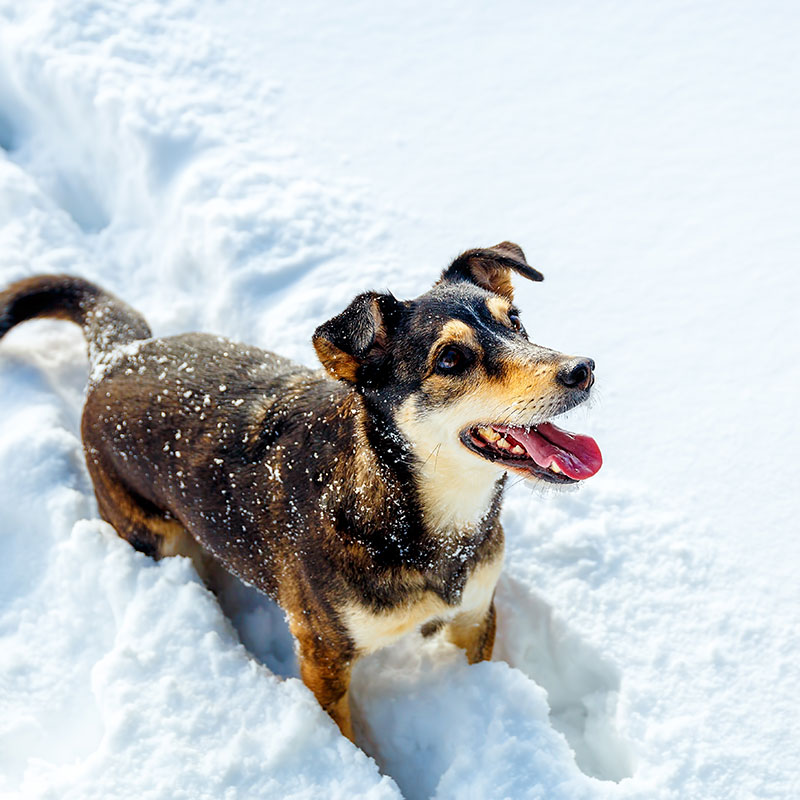
When the temperature drops and cold, wet weather begins to settle in, it's time to start considering how best to care for your beloved canine in such conditions. While many doting owners might have some vague idea of how best to care for their pets during the winter, there are still potentially harmful misconceptions about how much dogs can handle during inclement weather that need to be addressed. Read on to discover a few common myths about your furry friends and their abilities in winter conditions, and learn what you can do to properly care for them until warmer weather returns.
Dogs Shouldn't Get Dehydrated in Cold Temperatures
Just because you aren't feeling as overheated or sweaty during colder climates doesn't mean you aren't still losing a lot of moisture outdoors, and the same goes for your dog. Humans often feel the effects of rigid, icy weather on their skin, which can become very dry as a result, and we generally forget to drink as much water simply because we aren't feeling as overheated as we do during the hot, summer months. This, unfortunately, plays out in our care for our dogs as well, assuming they aren't becoming dehydrated since the temperature is cold. Always be sure to keep water bowls full around the house, available for dogs to drink before and after taking walks or getting involved in any kind of strenuous activity outside. Canines can actually lose a lot of body moisture simply through heavy panting, and breathing becomes more labored in colder weather, so having one or more room-temperature water bowls indoors and at the ready is crucial for helping your dog stay hydrated.
Since All Dogs Have Fur, They Won't Get Too Cold
Each dog breed is different, with some excelling better in certain environments than others. Clearly, a Siberian Husky would be more aptly suited for life in colder climates than a small terrier would be, meaning that just because all dogs have fur doesn't mean all dogs have the same tolerance for the cold. That being said, it's crucial to be wary of how much time your pet spends outdoors when temperatures are low and rain or snow is involved. Dogs can be highly susceptible to hypothermia or frostbite if they're out in inclement weather too long without proper protection, especially when it comes to their size and breed. Therefore, having suitable clothing for your canine friends like sweaters and coats during the winter season can be a great way to ensuring such harmful situations don't become a reality.
It's Safe for Dogs to Eat Snow
While it's not always a probability that your dog eating snow can lead to dangerous side effects, it's better to be safe than sorry and to watch your pet's behavior around packed snow on the ground. After all, if you're out for a walk and you're not sure about your surroundings, it's impossible to know what is truly lurking beneath the layers of snow your dog is digging into on the ground. Animal waste, garbage, or harmful salt and chemicals can all easily be covered under snow without your knowledge, so do your best to prevent your furry friend from consuming something that could make them sick. If your dog is thirsty and looking for water from the snow during a walk, have accessible water bottles on hand during your time outdoors for a quick refresher before returning home.
Paw Protection Isn't Necessary for Dogs If You're Not Outside for Long
Taking your dogs outdoors for any kind of walk or activity in brisk weather should be reason enough to provide them with paw protection, whether you're simply walking around the block for ten minutes or playing in the snow for over an hour. While skipping this step might seem fine at the time, paws that aren't suited with proper boots or pad wax can not only be susceptible to the frigid temperatures that lead to frostbite, but they can be harmed by certain chemicals used in the salt to melt ice, which can burn into the pads of your dog's feet without you even noticing. Other chemicals like antifreeze can be absorbed into their pads as well, so simply taking the few extra minutes to corral your dogs and get their feet covered is the best way to avoiding painful after-effects once you return indoors.
Dogs Can Shake Off Snow Easily Once They Warm Up Inside
If your excited pups had to jump into the biggest snowbank in the neighborhood once they finally made it outdoors, chances are they're going to run back in with ample amounts of snow stuck in their fur. While you might presume that it's all going to melt in a matter of minutes in your heated home, or that you can towel it off without a problem, be sure to take a few solid minutes cleaning out any clumps of dirty snow stuck within their fur and from between their paws. Again, harmful chemicals or salt can be present, and let your dog lick or chew off the melted snow can lead to harmful consumption.
Fleas and Ticks Aren't An Issue for Dogs in the Winter
Coming across these common pests might appear to be less of an issue in the cold, dry winter season, but it's a known fact that fleas and ticks seek out warmth when necessary, leading them directly to your heated home. Skipping over your regular flea or tick treatments shouldn't ever be considered just because you think the bugs are scarce. Be sure to maintain your average routine to avoid making any tick or flea problem worse in your home, and to prevent your dogs from excessively itching their already dry winter skin and causing greater problems for your dog's health.
Dog owners might all have different methods for caring after their favorite canine, but it's important to learn about common misconceptions regarding their dog's abilities for the sake of their pet's health during harsh winter climates. Understanding and using this knowledge for the protection of your furry friends during the colder months can lead to much happier, healthier dogs for a lifetime.