Save 15% on your 1st Autoship learn more

 Email us
 Live Chat
 FAQs
FAQs





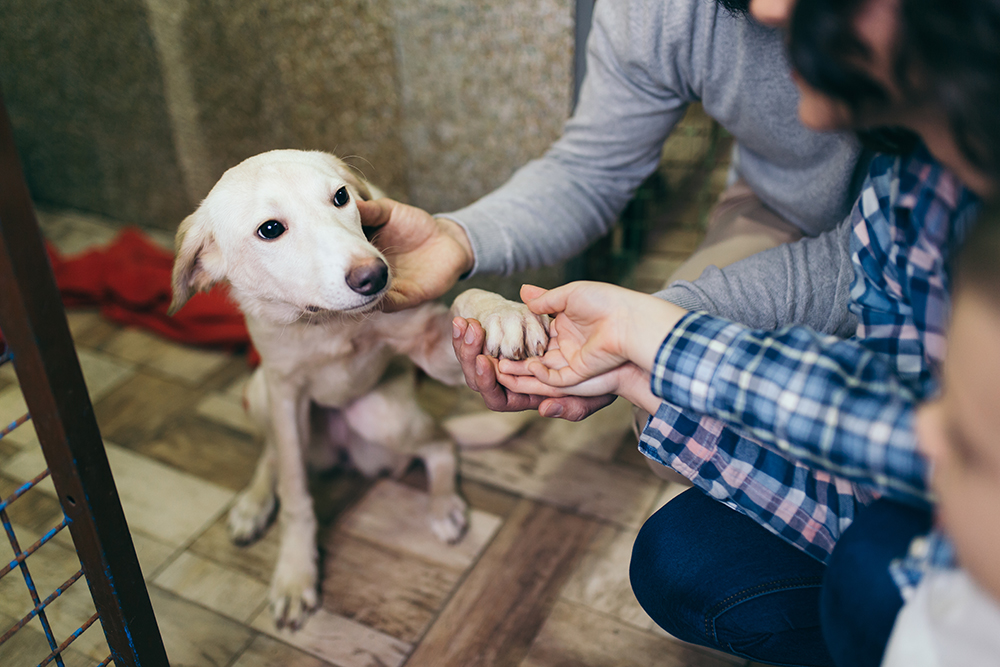
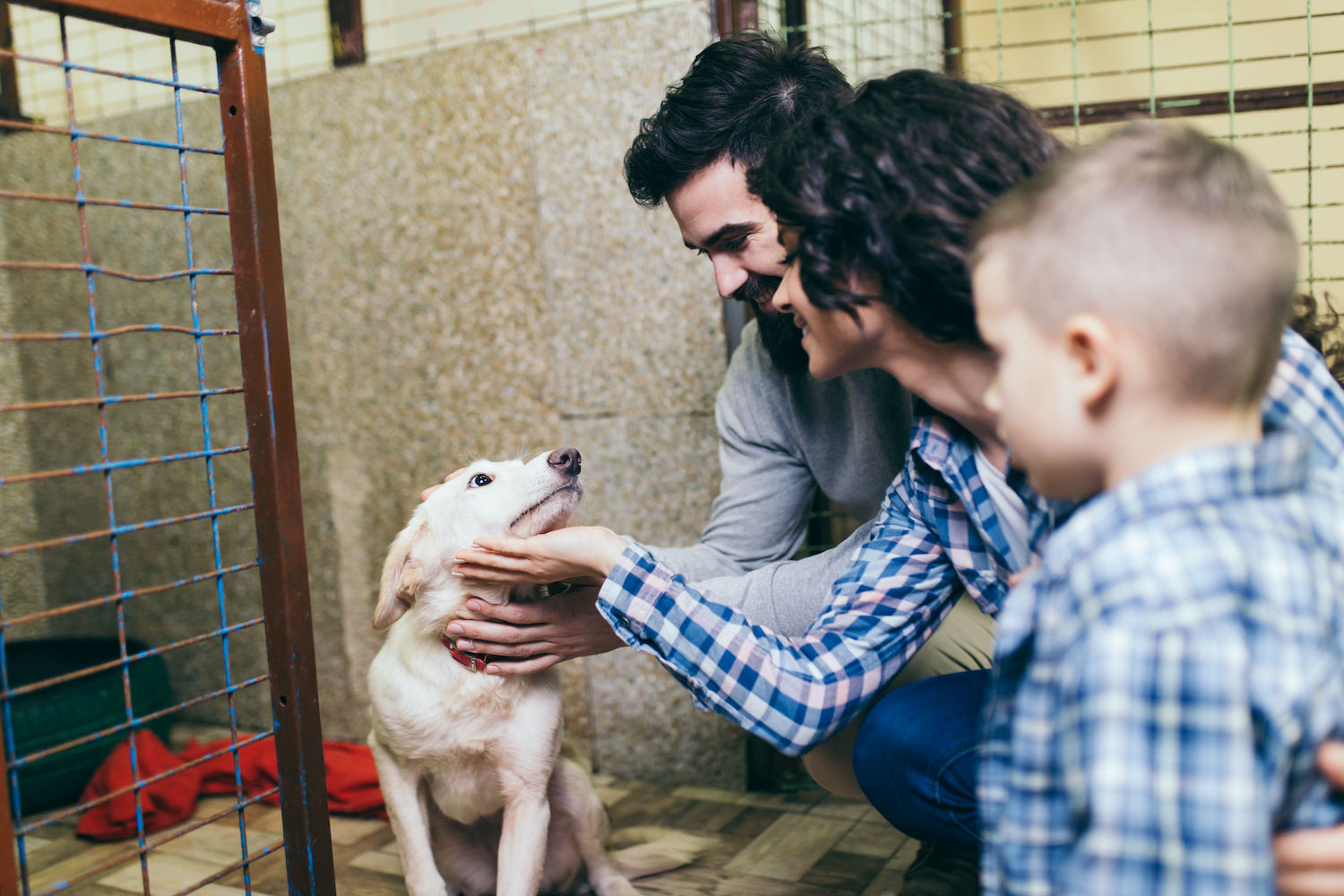
There are a lot of decisions that go into deciding to adopt a dog. The breed of a dog isn't always as important as the individual dog's personality. Mixed-breed dogs often make wonderful family pets by combining the good qualities of two or more breeds. However, their personalities, sizes, and health conditions can often be unpredictable, especially if you adopt a puppy. With a purebred dog, you usually have at least an idea of what you are going to get, and that may be important if you have certain requirements that your pet has to fulfill. Here are some things to consider when choosing which breed of dog to adopt.
Family Situation
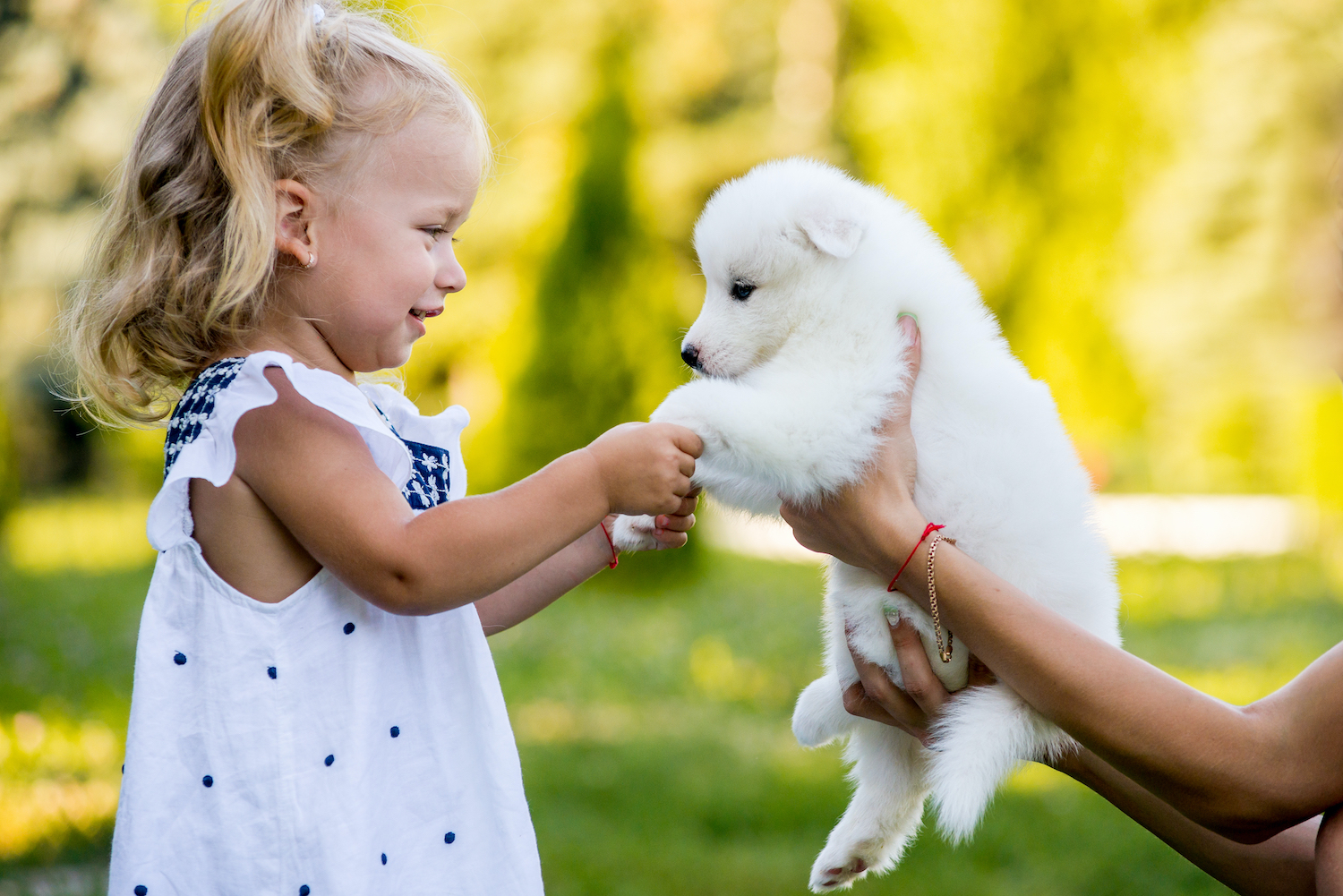
If you live alone, you only have to consider what you need, want, and expect from your dog. However, if there are other family members, you need to take their needs into consideration. Do you have young children? If so, you may want to consider a breed that is known for being family-oriented, such as a Labrador retriever. Do you have family members with allergies to pet dander? If so, you probably want a breed considered to be hypoallergenic, or at least unlikely to provoke symptoms.
Even if you make a decision based on these factors, the results can be unpredictable. Some people with allergies still have reactions to dogs considered to be hypoallergenic. Some individual dogs that are part of a family-oriented breed do not get along as well with children as others. Considering your family circumstances helps you narrow your search to breeds that you think might be a good fit. You can then evaluate individual members of this breed for suitability.
Activity Level
All dogs need at least some exercise. A sedentary lifestyle could cause a dog to put on weight or become bored. A bored dog may become destructive in order to amuse himself, so before you adopt a dog, you need to be sure that you can meet his needs for activity and mental stimulation.
Some dogs are more energetic than others, and these dogs require more exercise. For example, huskies and malamutes are bred to pull dog sleds over many miles of frozen terrain. They have to have high energy and endurance to be able to do this, which means they can get restless spending most of the day cooped up indoors. Greyhounds have a well-earned reputation for speed, but they are bred only to run for short sprints at a time. They spend most of the rest of their days lounging around and are typically happy with a short walk every day, and maybe an occasional trip to a fenced-in dog park.
If you're an active person looking for a new workout buddy, a high-energy breed may be a good match for you. However, you need to be honest about your energy level and find a dog that matches it. Adopting a high-energy dog in an attempt to motivate yourself to work out more is likely to end in heartbreak for both you and the dog. Low-energy dog breeds include Shih Tzu, Pekingese, basset hounds, bulldogs, Great Danes, and Chow Chows.
Size
Your living situation may dictate what size of dog you can have. If you live in a one-bedroom apartment, a large dog that is always knocking things over with her tail probably wouldn't be a good fit. You would probably need one of the smaller dog breeds. If you can accommodate either a large or small dog and can't decide between the two, there are plenty of middle-sized options to choose from.
When it comes to choosing the size of dog you want, there are other things to consider besides the space you have available. Even the gentlest and friendliest large dog can cause injuries to people, especially children, by accidentally knocking them over. Large dogs are more expensive to take care of and tend not to live as long. Small dogs are more sensitive to cold temperatures and vulnerable to injury by being manhandled or stepped on. Though they are small, they can still bite and therefore need obedience training. Small dogs may have to eat smaller meals more often, meaning that they may also have to eliminate more frequently. However, they may not necessarily have to go outside because small dogs can sometimes be trained to use pee pads or even litter boxes.
Grooming and Shedding
All dogs need some basic grooming: their nails ground down, their fur occasionally brushed, and a periodic bath. Some dogs require much more upkeep and maintenance. For example, some dogs have continually growing hair, so they need regular haircuts. Some dogs with long fur need to be brushed more often to prevent matting, which is uncomfortable and looks terrible.
You also have to consider how much and how often the dog sheds. Some dogs shed pretty consistently all the time, but breeds with double coats go through intense shedding periods twice a year. This is called "blowing coat," and it happens in the spring and the fall to get the dogs ready for the upcoming weather conditions of hot or cold. It means that your dog will shed more than usual, which means not only more grooming on your part but more vacuuming or dusting to keep your house clean.
Health Conditions
Some breeds of dogs are predisposed to certain health conditions. For example, large-breed dogs are susceptible to hip dysplasia. That is why it is important to go to a reputable breeder who can screen from such conditions if you purchase a puppy.
Don't think that you have to get a puppy if you want a specific breed. There are breed-specific rescues that help rehome purebred adult dogs.