
 Save 15% on your 1st Autoship learn more

 Email us
 Live Chat
 FAQs
FAQs





Introduction
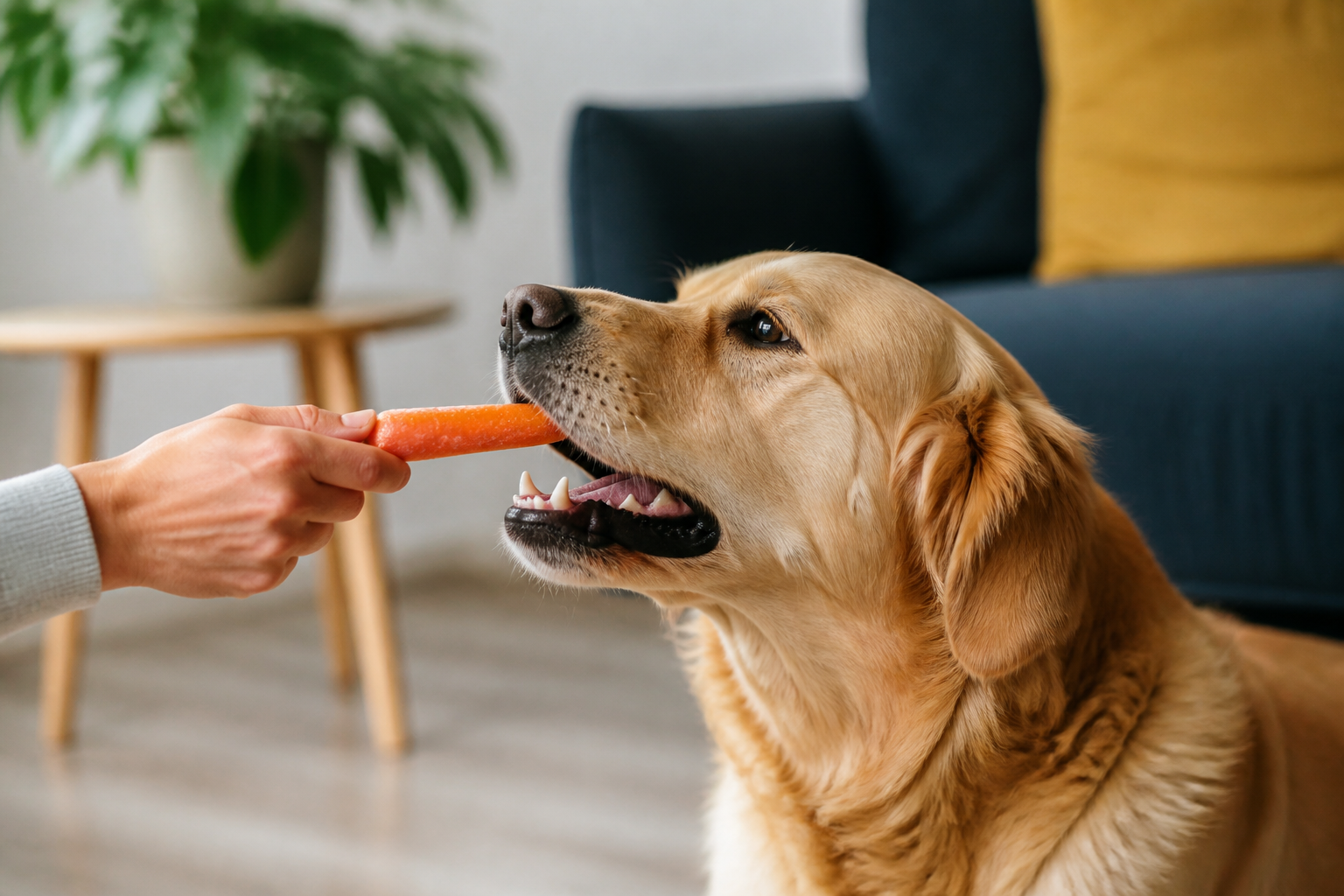
You are standing in the kitchen and your dog is staring at the vegetable drawer with those hopeful eyes. You might have heard that tossing them a frozen carrot is a secret trick for dental hygiene. It seems like a perfect win. It is a cheap, natural, and low calorie snack that keeps them busy. At BaxterBoo, we get this question often from pet parents who want to avoid expensive dental cleanings while keeping their dogs happy. We want to help you understand exactly what a carrot can and cannot do for your dog’s mouth. This post covers the mechanical benefits of chewing, the nutritional value of carrots, and the safest ways to serve them. While frozen carrots offer some help with plaque, they are better viewed as a healthy treat than a total dental solution.
Quick Answer: Frozen carrots provide a mechanical scraping action that can help remove some surface plaque from a dog's teeth. They are not a substitute for professional cleanings or bones, but they are a safe, low-calorie way to support oral health and soothe teething puppies.
The Reality of Carrots for Canine Dental Health
When a dog gnaws on a hard, frozen carrot, the surface of the vegetable rubs against the teeth. This action is similar to a very mild version of brushing. The friction can help disrupt the soft film of plaque that forms after a meal. This is why many owners reach for them as a natural tool.
However, plaque is only the first stage of dental issues. If plaque is not removed, it hardens into tartar or calculus. Once tartar forms, a carrot is simply not hard or abrasive enough to scrape it off. It stays stuck to the tooth and can lead to gum disease. While chewing does stimulate saliva flow, which has natural antibacterial properties, it only goes so far. For more information about warning signs, read our guide to bad teeth in dogs.
The scissor bite of a dog means they use their back molars to crush and grind. A carrot usually shatters under this pressure. This means the cleaning action only happens for a few seconds before the carrot is swallowed. For a deep clean, a dog needs something that requires prolonged chewing.
Key Takeaway: Carrots are useful for light plaque maintenance but cannot remove hardened tartar or replace the need for regular veterinary dental checkups.
Nutritional Benefits Beyond the Teeth
Carrots are much more than just a natural toothbrush. They are packed with nutrients that support your dog’s entire body. If you are looking for a way to improve your dog's diet without adding too many calories, these root vegetables are a fantastic choice.
The Power of Beta-Carotene
Carrots are famous for their high levels of beta-carotene. This is an antioxidant that the dog's body converts into Vitamin A. This vitamin is essential for maintaining clear vision and a strong immune system. It also plays a role in bone and tooth formation during the puppy stages.
Fiber for Digestive Regularity
Carrots contain both soluble and insoluble fiber. Insoluble fiber helps move food through the digestive tract and can help dogs with constipation. Soluble fiber can help firm up loose stools and supports the growth of healthy gut bacteria. This makes carrots a great addition for dogs with sensitive stomachs who need a little extra bulk in their diet.
Low Calorie Weight Management
If your dog needs to shed a few pounds, carrots are a life saver. Many traditional treats are high in fats and sugars. Replacing a biscuit with a carrot slice allows you to reward your dog without worrying about their waistline. We see many owners in our Vernon Hills warehouse looking for low fat options, and carrots are always at the top of the list.
How to Prepare Carrots Safely
Feeding a carrot is not as simple as just throwing one on the floor. Safety is always the priority when introducing any new food. You want to make sure your dog gets the benefits without any risks of choking or stomach upset.
Serving Frozen Carrots
Freezing whole carrots is a popular choice for teething puppies. The cold temperature helps numb sore gums. It also makes the carrot harder, which provides a better scraping action on the teeth. For additional teething guidance, see our article about when dogs lose their puppy teeth.
Step 1: Wash the carrots. / Remove any dirt or debris from the surface.
Step 2: Peel if necessary. / Some dogs prefer the taste without the skin, and it removes any lingering pesticides.
Step 3: Freeze whole. / Place large, whole carrots in a freezer bag for at least four hours.
Step 4: Supervise the chew. / Always watch your dog to ensure they do not swallow large, frozen chunks that could cause a blockage.
Steaming for Better Absorption
Dogs have a hard time breaking down the cellular walls of raw vegetables. If you notice orange chunks in your dog’s waste, they are not digesting the carrot fully. Lightly steaming or pureeing carrots breaks these walls down. This allows your dog to absorb more of the vitamins and antioxidants. This is the best method if you are using carrots for nutritional support rather than dental cleaning.
Vet Tip: If your dog has existing dental pain, loose teeth, or heavy tartar buildup, consult your veterinarian before giving them hard frozen treats. A professional exam is the only way to catch underlying gum disease that a carrot cannot fix.
Potential Risks and Precautions
Even the healthiest treats have some downsides if they are overused. Carrots are generally safe, but there are a few things to keep in mind to keep your dog healthy.
Sugar Content
Carrots have a higher natural sugar content than many other vegetables. For a healthy dog, this is not an issue. However, if your dog is diabetic, you should be very careful. Large amounts of carrots can cause a spike in blood glucose levels. Always check with your vet about the right treat portions for a diabetic pet.
Vitamin A Toxicity
While rare from food alone, Vitamin A is fat soluble. This means it builds up in the body over time. If your dog is already eating a high quality commercial food that is fortified with Vitamin A, adding massive amounts of carrots every day could lead to an imbalance. Most experts suggest that treats should only make up about ten percent of a dog's total daily calories.
Choking Hazards
Small pieces or baby carrots can be dangerous for "gulpers." These are dogs that try to swallow treats whole without chewing. A round, slippery piece of carrot can easily get lodged in the throat. Large, whole carrots are actually safer for many dogs because they are forced to gnaw on the ends rather than swallowing the whole thing.
Comparing Carrots to Other Dental Options
If your main goal is cleaning teeth, you might want to look at a variety of tools. Carrots are a great supplement, but they work best when used alongside our dog dental care collection.
| Feature | Frozen Carrots | Raw Beef Bones | Dental Chews (e.g. Greenies) |
|---|---|---|---|
| Plaque Removal | Moderate | High | High |
| Tartar Removal | Low | High | Moderate |
| Calorie Count | Very Low | High | Moderate |
| Risk Level | Low | Moderate (Splintering) | Low |
| Nutrients | High (Vitamin A) | High (Minerals) | Fortified |
Raw bones are often cited as the gold standard for natural tooth cleaning. The mechanical action of a bone is much more intense than a carrot. However, bones can be messy and carry a risk of tooth fractures for aggressive chewers. Dental treats like Greenies dental chews are formulated specifically to break down plaque and are highly digestible.
For dogs with significant dental health needs, we suggest looking into our pet pharmacy. Through our pharmacy, we offer prescription dental diets and oral rinses that provide a much deeper level of care than a vegetable ever could. These are especially helpful for senior dogs who can no longer handle hard chews but still need help managing bacteria in their mouths.
Alternatives to Carrots
If your dog is not a fan of carrots, there are other healthy produce options that offer similar benefits. Variety is the key to a balanced diet and keeps your pet interested in their meals.
- Apples: These provide a similar crunch and contain Vitamin C. Always remove the seeds and the core.
- Cranberries: Some studies show that cranberries can help prevent bacteria from sticking to the teeth.
- Butternut Squash: This is a great alternative for dogs who need the fiber of a carrot but with slightly less sugar.
- Celery: It is mostly water but the stringy fibers can act like a natural dental floss for some dogs.
Bottom line: Carrots are an excellent healthy snack, but they should be one part of a larger dental and nutritional plan.
The Importance of Professional Care
No matter how many carrots your dog chews, they still need their teeth checked by a professional. Gum disease can happen under the gum line where a carrot cannot reach. During a yearly exam, your vet can look for signs of infection or decay that might be hidden. Our dental treats for dogs can complement, but not replace, professional care.
If your vet recommends a specific dental routine, we can help you stay consistent. Our Autoship program is a great way to make sure you never run out of dental chews, healthy treats, or specialty food. You can save on your first order and get a free MVP Gold membership, which makes it easier to afford the high quality care your dog deserves. We also offer FIGO pet insurance to help cover the costs of professional dental cleanings, which can be quite expensive.
Conclusion
Frozen carrots are a wonderful addition to your dog's life. They provide a safe outlet for chewing, offer a boost of essential vitamins, and help keep plaque at a manageable level. While they are not a miracle cure for tartar, they are a low cost and low calorie way to bond with your pet. We recommend using them alongside regular brushing and professional veterinary checkups. If you are looking for more ways to support your dog’s health, you can explore our wide selection of dental care products and treats. Our team is always here to help you find the right fit for your dog's unique needs.
Key Takeaway: Use carrots for supplemental dental cleaning and weight management, but rely on professional care and specialized dental products for long-term oral health.
One of the best ways to keep your dog's teeth clean is consistency. Whether you are buying carrots at the grocery store or ordering premium dental treats through our pharmacy, sticking to a routine is what makes the difference. Visit the BaxterBoo medical and mobility section or our pharmacy to find FDA-approved dental solutions for your pet today.
FAQ
Can I give my puppy frozen carrots for teething?
Yes, frozen carrots are an excellent tool for teething puppies because the cold temperature helps soothe inflamed gums. The hard texture also gives them a safe item to gnaw on, which can redirect them away from chewing on your furniture or shoes. Just make sure to supervise them and use a whole, large carrot rather than small pieces to prevent choking.
Will carrots make my dog's breath smell better?
Carrots can help slightly improve breath by removing some of the food particles and plaque that cause odors. They also stimulate saliva, which helps wash away bacteria in the mouth. However, if your dog has chronic bad breath, it could be a sign of underlying gum disease or digestive issues that a carrot will not solve.
Are baby carrots safe for dogs to eat?
Baby carrots are safe in terms of nutrition, but they can be a major choking hazard for certain dogs. Because they are small and firm, a dog might try to swallow them whole, causing them to get stuck in the esophagus. It is usually safer to cut them into smaller slices or give the dog a full-sized carrot that they have to bite into pieces.
Can dogs with diabetes have carrots?
Carrots contain natural sugars, so they should be given in moderation to dogs with diabetes. While they are a better choice than many processed treats, you should always consult your veterinarian about the exact amount of sugar and fiber that is appropriate for your dog's specific condition. Monitor your dog's blood glucose levels if you are introducing carrots as a new regular treat.






