
 Save 15% on your 1st Autoship learn more

 Email us
 Live Chat
 FAQs
FAQs





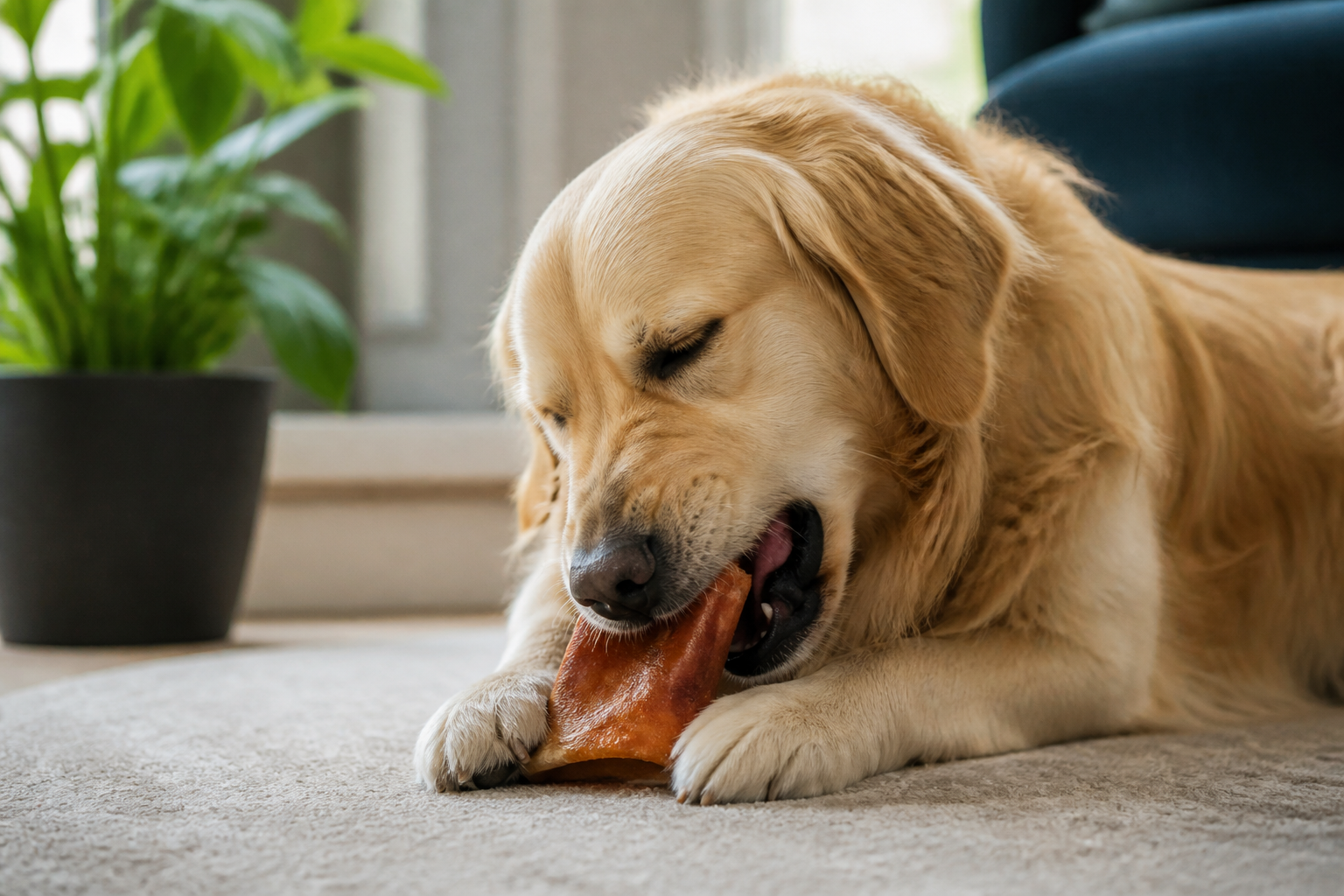
Introduction
You are standing in the treat aisle or browsing our digital shop. Your dog is likely sitting at your feet with hopeful eyes. You spot a bin of pig ears and wonder if they are just a greasy indulgence or a useful tool for oral hygiene. Pig ears have been a staple in the dog world for decades. They are prized for their flavor and the way they keep dogs occupied. This article explores the actual impact pig ears have on dental health. We will look at the nutritional benefits, the potential risks, and how they compare to other popular chews. You will learn how to choose the safest options for your pup and how to balance treats with a healthy lifestyle.
Quick Answer: Pig ears do help clean a dog's teeth through the mechanical action of chewing, which scrapes away plaque and tartar. However, they are high in fat and should be given in moderation as part of a broader dental care routine.
The Anatomy of a Pig Ear
To understand how pig ears interact with your dog's teeth, you have to look at what they are made of. A pig ear is primarily composed of skin and cartilage. This specific part of the ear is called the pinna. Unlike bones, which are mineralized and hard, or muscle meat, which is soft, cartilage provides a unique texture. It is tough and fibrous but remains pliable.
When a pig ear is dried or baked, the skin toughens and the cartilage becomes a firm, leathery material. Most dogs find this texture irresistible. It provides enough resistance to satisfy the natural urge to gnaw without being so hard that it risks breaking teeth. Many pet owners prefer them over rawhide because they are a single-ingredient product. They do not require the heavy chemical processing often associated with traditional rawhide chews.
How Chewing Cleans Teeth
The primary way pig ears clean teeth is through mechanical abrasion. As your dog gnaws on the tough cartilage, the material rubs against the surface of the teeth. This friction helps to scrape away soft plaque before it has a chance to harden into tartar.
Think of the pig ear as a very mild, edible piece of sandpaper. Because the ear is flexible, it can often wrap slightly around the tooth. This allows it to reach areas near the gumline that a hard bone might miss. The act of chewing also stimulates the gums. This increases blood flow to the oral tissues and promotes overall gum health.
Key Takeaway: The mechanical action of gnawing on cartilage is the main dental benefit of pig ears, as it physically disrupts plaque and tartar buildup.
The Limits of Edible Chews
While pig ears are helpful, they are not a substitute for regular toothbrushing. Plaque can start to harden into tartar within 24 to 48 hours. Most dogs do not receive pig ears frequently enough to stop all buildup. Furthermore, the chewing action usually focuses on the back molars and premolars. The small incisors at the front of the mouth and the canine teeth may not get the same level of cleaning.
We recommend using pig ears as one part of a multi-pronged approach. This should include:
- Daily or weekly brushing with pet-safe toothpaste.
- Annual dental exams with your veterinarian.
- A high-quality diet that supports oral health.
- Other dental toys or water additives if suggested by a pro.
For additional guidance, review these pet dental care tips.
Nutritional Benefits Beyond Dental Health
Pig ears are more than just a natural toothbrush. They offer several nutritional perks that contribute to a dog's overall wellness. Since they are essentially skin and cartilage, they are naturally rich in protein. Most pig ears contain between 60 and 70 percent protein on a dry-matter basis.
Joint Support
One of the most significant benefits of cartilage-based treats is the natural presence of glucosamine and chondroitin. These compounds are the building blocks of healthy joint tissue. While a single pig ear does not replace a concentrated joint supplement, regular chewing can provide a small, natural boost. This is particularly beneficial for senior dogs or large breeds prone to mobility issues.
Mental Stimulation and Enrichment
Dental health is not just about the physical state of the teeth. It is also about the behavior of chewing. Chewing releases endorphins in a dog's brain. This helps to lower stress levels and provide a sense of calm. Providing a long-lasting chew like a pig ear can prevent boredom and reduce destructive behaviors like chewing on furniture or shoes.
Vet Tip: If your dog has existing dental disease, such as loose teeth or inflamed gums, consult your veterinarian before giving hard chews. They can determine if your dog's mouth is healthy enough for the mechanical stress of gnawing on cartilage.
Understanding the Risks
While we love the benefits of pig ears, they are not without risks. We believe in providing a balanced view so you can make the best choice for your specific pet.
High Fat Content
The most significant drawback of pig ears is their fat content. Pigs are naturally fatty animals. The skin on the ear retains a significant amount of that fat even after the drying process. A typical pig ear can contain around 15 to 20 percent fat.
For a highly active dog, this might not be an issue. However, for dogs prone to weight gain or those with sensitive digestive systems, it can be problematic. Too much fat in a single sitting can trigger a condition called pancreatitis. This is a painful inflammation of the pancreas that requires immediate veterinary attention.
Choking Hazards and Blockages
Pig ears are generally safer than rawhide because they are more digestible. However, they can still pose a choking risk. This is especially true for "gulpers," which are dogs that try to swallow large chunks of food without chewing thoroughly. As the ear becomes soft and slimy from saliva, a dog might try to gulp the remaining portion.
If a large piece is swallowed, it can get stuck in the esophagus or cause a blockage in the intestinal tract. You should always supervise your dog when they are enjoying a chew. Once the ear gets small enough to be swallowed whole, it is time to take it away.
Choosing the Right Pig Ear
Not all pig ears are created equal. The way the ear is processed and where it comes from matters immensely. When you are shopping, keep these factors in mind to ensure you are getting a safe product.
For a single-ingredient option, consider the Canine Butcher Shop Dog Chew - Pig Ears.
Avoid Smoked Ears
Many pig ears in big-box stores are smoked to enhance flavor. We generally recommend avoiding these. The smoking process can make the cartilage more brittle. Brittle chews are more likely to splinter and cause damage to the mouth or digestive tract. Some smoked products also contain artificial flavorings or liquid smoke, which can cause stomach upset.
Look for Oven-Baked Options
The safest pig ears are those that have been slowly oven-baked or dehydrated at low temperatures. This process removes moisture and kills bacteria like Salmonella while keeping the ear flexible. A good pig ear should feel firm but have a slight "give" when you try to bend it. It should not snap like a cracker.
Sourcing and Safety
In the past, there have been FDA recalls related to Salmonella contamination in pig ears, particularly those sourced from certain international suppliers. Always look for treats sourced from reputable regions with high safety standards, such as the US, Canada, or South America.
Bottom line: High-quality, oven-baked pig ears from trusted sources are significantly safer and more effective for dental health than cheap, smoked alternatives.
When to Contact the Pharmacy
Sometimes, dental health and weight management go hand in hand. If your dog has a history of weight issues or has been diagnosed with a condition that requires a restricted diet, you might need to look beyond standard treats.
Our pet pharmacy offers a range of FDA-approved medications and prescription pet foods through our partnership with Pet's Choice. If your veterinarian has prescribed a specific dental diet or a low-fat food to manage weight or pancreatitis, you can find those options through our pharmacy services. Prescription diets are often formulated with specific kibble shapes that provide even better mechanical cleaning than standard treats, all while keeping calorie counts in check.
Alternatives to Pig Ears
If you are worried about the fat content of pig ears but still want the dental benefits, there are several alternatives to consider. Every dog has different preferences and health needs. You can explore our dog treats collection for additional chew options.
Cow Ears
Cow ears are very similar to pig ears in structure. They are made of cartilage and skin. However, cows are much leaner than pigs. Cow ears typically contain far less fat and fewer calories. They are often larger and have a slightly tougher texture, making them a great choice for larger dogs or those on a diet.
Bully Sticks
Bully sticks are made from high-protein beef muscle. They are much harder than pig ears and last significantly longer. Because they require more intense chewing, they can be even more effective at scraping away tartar. They are also very low in fat.
Learn more about chew safety in our guide to bully sticks for dogs.
Dental Chews and Sticks
Products like Greenies or specialized dental sticks are designed specifically for oral health. They often contain ingredients that help freshen breath and may have a texture specifically engineered to clean down to the gumline. While they are not as "natural" as a pig ear, they are often lower in calories and more consistent in their nutritional makeup.
For more options, browse our selection of Greenies products.
Beef Trachea
Beef trachea is another cartilage-based chew. It is often referred to as a "moo tube." It provides the same joint-supporting glucosamine as pig ears but is generally leaner. The hollow shape also makes it fun for dogs to crunch on.
Step-by-Step: Introducing Pig Ears Safely
If you have decided to try pig ears for your dog, follow these steps to ensure a positive experience.
Step 1: Choose a high-quality product.
Look for oven-baked, single-ingredient ears without added colors or flavors.
Step 2: Check the size.
Ensure the ear is appropriate for your dog's mouth. For very small dogs, you may want to cut the ear into smaller pieces using heavy-duty shears.
Step 3: Monitor the first session.
Watch how your dog interacts with the chew. Do they gnaw slowly, or do they try to tear off large chunks? This will tell you if they can be trusted with the treat in the future.
Step 4: Practice the "trade up."
Before the ear gets small enough to swallow, offer your dog a small, high-value training treat in exchange for the leftover bit of the ear. This prevents resource guarding and keeps them safe.
Step 5: Limit the frequency.
Start with one ear per week to see how your dog's stomach handles the rich fat content.
Common Signs of Digestive Upset
Because pig ears are rich, some dogs might experience minor gastrointestinal issues. Keep an eye out for these signs after your dog enjoys a chew:
- Loose stools or diarrhea.
- Increased gas.
- Decreased appetite for their regular meal.
- Lethargy or signs of stomach pain, such as stretching excessively or a "hunched" posture.
If these symptoms persist for more than 24 hours, or if your dog begins vomiting, contact your veterinarian. This could be a sign that the treat was too fatty or that a piece is causing an irritation in the gut.
Pig Ears for Different Life Stages
The appropriateness of a pig ear often depends on your dog's age.
Puppies
We generally recommend waiting until a puppy is at least 16 weeks old before introducing pig ears. At this age, their adult teeth are starting to come in, and their digestive systems are a bit more robust. Pig ears can be a great distraction during the teething phase. However, the high fat content can be very hard on a young puppy's stomach. Always introduce them slowly.
Adult Dogs
Healthy adult dogs are the prime candidates for pig ears. They have the jaw strength to benefit from the mechanical cleaning and the metabolism to handle the extra calories occasionally.
Senior Dogs
Senior dogs can benefit greatly from the glucosamine in the cartilage. However, many seniors have underlying dental issues or sensitive stomachs. If your senior dog is missing teeth or has heavily receded gums, a pig ear might be too tough or painful for them to chew.
Key Takeaway: Age and current health status are the most important factors when deciding if a pig ear is the right dental tool.
Storing Your Pig Ears
Proper storage is key to keeping pig ears safe and effective. Because they contain natural fats, they can go rancid if exposed to heat and light for too long.
Keep your pig ears in a cool, dry place. A pantry or a dedicated treat cupboard works well. If you buy in bulk, consider keeping them in an airtight container to maintain freshness and keep the meaty scent contained. Most dried pig ears have a shelf life of about 6 to 12 months if stored correctly. Avoid keeping them in the garage or any area with high humidity, as this can encourage mold growth.
Summary of the Benefits
While the question of whether pig ears clean teeth has a nuanced answer, the overall profile of this treat is positive for most dogs. They provide a combination of physical health benefits and mental enrichment that few synthetic treats can match.
- Mechanical cleaning of the back teeth and molars.
- Natural source of joint-supporting nutrients.
- High-protein, single-ingredient snack.
- Satisfies the instinctual urge to chew.
- More digestible than rawhide.
Final Thoughts on Pig Ears and Dental Health
Pig ears are a time-tested favorite for a reason. They offer a satisfying crunch and a flavor that dogs genuinely love. While they provide real mechanical cleaning benefits for your dog's teeth, they should be viewed as a supplement to a complete oral care routine. By choosing high-quality, oven-baked ears and supervising your dog's chew time, you can provide a treat that is both delicious and functional.
At BaxterBoo, we want to help you find the perfect balance between rewards and wellness. Whether you are looking for natural chews, professional dental supplies, or specialized nutrition through our pharmacy, we are here to support your journey as a pet parent. Our MVP Rewards program is a great way to save on these repeat-purchase items while ensuring your dog gets the quality they deserve.
Bottom line: Pig ears are an excellent tool for reducing plaque through chewing, provided they are fed in moderation and sourced with care.
FAQ
Can pig ears cause pancreatitis in dogs?
Yes, pig ears are high in fat and can trigger pancreatitis, especially in dogs that are already predisposed to the condition. If your dog is overweight or has a sensitive stomach, it is best to choose a leaner alternative like cow ears or consult your vet before feeding pig ears.
Are pig ears safer than rawhide?
Generally, pig ears are considered safer because they are more digestible and less likely to contain the harsh chemicals used in rawhide production. However, both can still pose a choking hazard if swallowed in large pieces, so supervision is always necessary.
How many calories are in a typical pig ear?
A standard-sized pig ear can contain anywhere from 130 to 150 calories. Because this is a significant amount for smaller dogs, you should adjust their daily food portions to account for the treat and avoid unintended weight gain.
Do pig ears smell bad?
Pig ears have a natural, meaty scent that dogs find very appealing, though some humans may find it strong. High-quality, oven-baked ears usually have a milder odor than smoked versions, and storing them in an airtight container helps keep the scent from spreading.






