
 Save 15% on your 1st Autoship learn more

 Email us
 Live Chat
 FAQs
FAQs





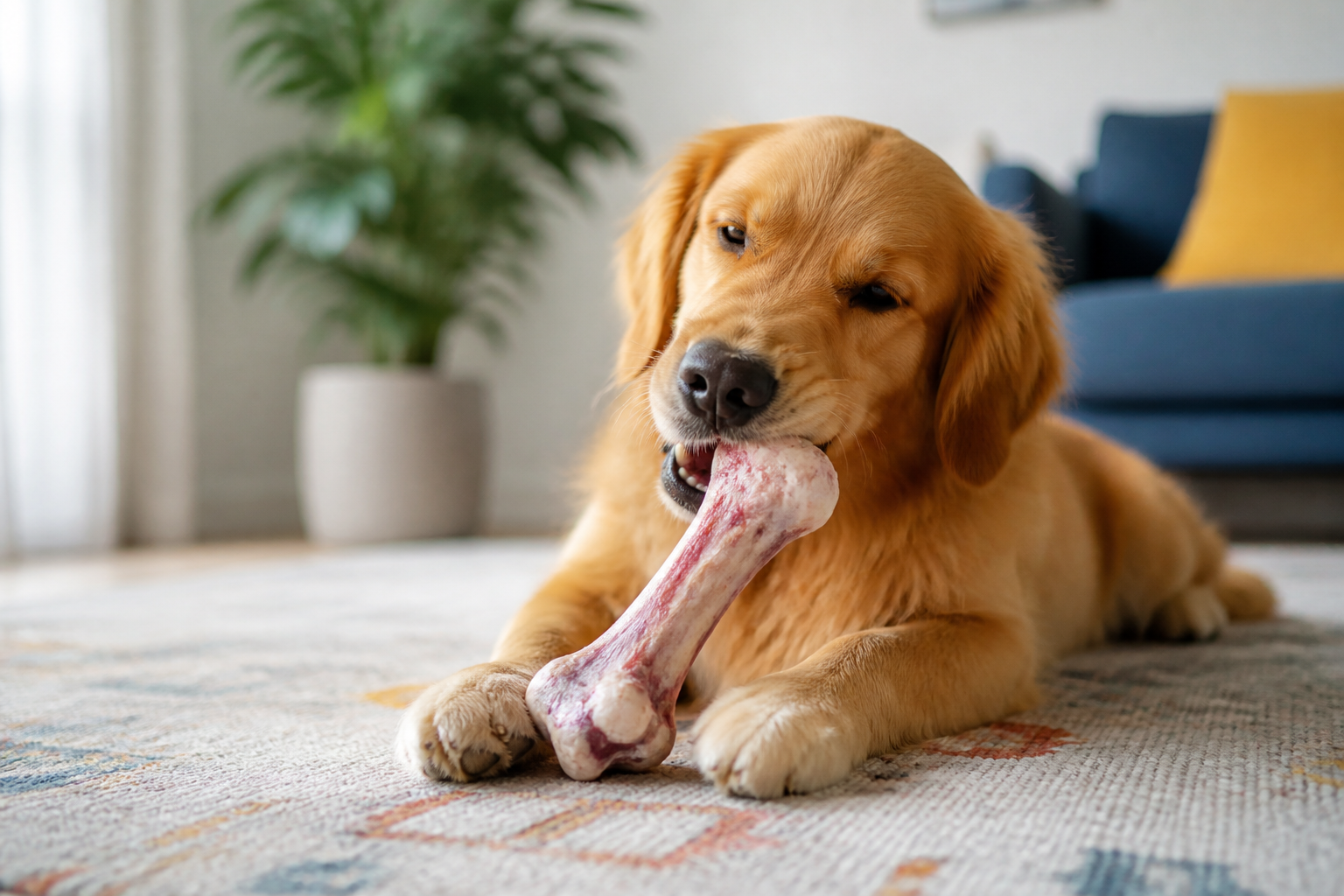
Introduction
You are sitting on the couch with your dog when they lean in for a friendly nuzzle. Suddenly, a wave of "dog breath" hits you. You lift their lip to find a thick layer of brown tartar along the gum line. It is a common sight for many pet owners. The American Veterinary Dental Society notes that a huge majority of dogs show signs of oral health issues by age three. Brushing a dog's teeth every single day is the gold standard. However, we know that many pups are not exactly fans of the toothbrush.
This leads many owners to ask if raw bones can do the work naturally. At BaxterBoo, we believe in providing practical solutions that fit your lifestyle and your dog's needs. Raw bones can indeed be an effective tool for maintaining a sparkling smile. This post covers the science behind raw bones for dental health, the safety rules you must follow, and how to choose the right bone for your specific dog. Raw bones act as nature's toothbrush, but they require a careful approach to keep your pet safe.
The Science of Chewing and Dental Health
Raw bones work through a process of mechanical abrasion. When a dog chews on a raw bone, the hard surface of the bone rubs against the surface of the teeth. This friction helps to scrape away soft plaque before it has a chance to mineralize into hard tartar. Tartar is like concrete on the teeth. Once it forms, it is very difficult to remove without professional tools.
A study involving Beagles showed impressive results regarding raw bones. Dogs given raw beef bones saw a reduction in tartar by over 70 percent in just twelve days. Some bones, specifically those with more "spongy" textures, reduced tartar even further. The chewing action is not just about the bone itself. It is also about the meat and connective tissue still attached to the bone.
As your dog works to pull gristle and meat off the bone, it acts like natural floss. This material gets between the teeth and rubs against the gum line. This dual action of scraping and flossing is why raw meaty bones are often more effective than "clean" or bleached bones found in big box stores.
Quick Answer: Yes, raw bones can significantly clean a dog's teeth by scraping away plaque and tartar. Studies show they can reduce tartar buildup by 70 to 80 percent when used regularly and safely.
Edible Bones vs. Recreational Bones
It is important to distinguish between the two main types of raw bones. Not all bones serve the same purpose in a dog's diet.
Edible Raw Bones
Edible bones are soft and do not contain marrow. Examples include raw chicken necks, chicken wings, and turkey necks. These bones are meant to be chewed thoroughly and swallowed. They provide a great source of calcium, phosphorus, and trace minerals. Because they are soft, they do not provide as much dental scraping power as harder bones. They are excellent for nutrition but are generally a secondary tool for dental hygiene.
Recreational Raw Bones
Recreational bones are the big, heavy bones meant for gnawing rather than eating. These include beef knuckle bones or femur bones. They are designed for long chewing sessions. These provide the mental stimulation dogs crave and the mechanical action needed to scrub teeth clean. Your dog should spend time gnawing on the ends of these bones to get the best dental benefits.
Key Takeaway: Use edible bones for a nutritional boost and recreational bones for deep dental cleaning and mental enrichment.
Why Raw is the Only Safe Option
We cannot stress this enough: never feed your dog a cooked bone. Whether it is a leftover rib bone from your dinner or a smoked bone from a grocery store shelf, heat changes the structure of the bone. Cooking makes bones brittle. When a dog bites down on a brittle bone, it can splinter into sharp shards. These shards can cause punctures in the mouth, throat, or digestive tract.
Raw bones are flexible and "live." They contain moisture and a more elastic protein structure. This allows them to crumble or crush rather than shatter. Even "natural" smoked bones found in pet aisles can be dangerous. The smoking process is a form of slow cooking that still increases the risk of splintering. Stick to 100 percent raw bones kept in the freezer or refrigerator until use.
Our team at BaxterBoo carefully curates our selection to ensure we only recommend the safest options for your pets. We have been in the business since 2006, and we have seen the difference that high quality, raw products make. If you are unsure about raw bones, we also carry a wide range of dental treats and chews.
Vet Tip: If your dog has existing dental disease, loose teeth, or inflamed gums, consult your veterinarian before starting raw bones. The hard surface of a bone can cause pain or further damage to an already compromised mouth.
Choosing the Right Bone Size and Density
A common mistake is giving a dog a bone that is too small or too hard. This is where most bone related injuries occur.
The Size Rule
A bone should always be larger than your dog's mouth. If a dog can fit the entire bone inside their mouth, it is a choking hazard. They might try to swallow it whole. For a large dog like a Golden Retriever, a beef knuckle bone is a great size. For a smaller dog, a lamb shank or a smaller beef rib might be appropriate.
The Density Problem
The weight bearing bones of large animals are incredibly dense. Think about the leg bones of a cow or a bison. These animals weigh over a thousand pounds. Their leg bones are designed to support that weight. These bones are often harder than a dog's tooth.
If an aggressive chewer clamps down on a dense femur bone, they can actually fracture their own teeth. This is a very expensive and painful injury. At our warehouse in Vernon Hills, Illinois, we often talk to customers about finding a balance. We recommend looking for bones from medium sized animals like lamb, goat, or deer. These are abrasive enough to clean teeth but usually have a lower density than large beef marrow bones.
Items to Avoid:
- Cooked or smoked bones of any kind.
- Small T-bones or rib bones that can be swallowed whole.
- Pork bones, which are often too soft and fatty, leading to stomach upset.
- Dense "shank" or "marrow" bones for aggressive chewers who might crack a tooth.
Managing the Mess and Bacteria
Feeding raw bones is a bit messier than giving a dry biscuit. There is also the concern of bacteria like Salmonella or Listeria. However, following basic food safety protocols makes the process very manageable.
Treat raw bones the same way you treat raw chicken for your own dinner. Thaw the bone in the refrigerator. When it is time for your dog to chew, place them on a surface that is easy to clean. A tile floor, a plastic crate tray, or even outside on the grass are all good options. Once the chewing session is over, wash the area with hot, soapy water.
Do not leave a raw bone out for days. After about thirty to forty five minutes, the bone has done its job. If there is still meat on it, you can rinse it and put it back in a sealed bag in the freezer for one more session. If the bone has been licked clean and looks dry, it is time to toss it. Dry bones become brittle and can splinter just like cooked ones.
Bottom line: Practice strict hygiene by cleaning surfaces and limiting chew time to keep both your family and your pet safe from bacteria.
How to Introduce Raw Bones to Your Dog
If your dog has only ever eaten kibble and soft treats, you need to introduce bones slowly. Their digestive system needs time to adjust to the extra calcium and rich marrow.
Step 1: Choose a meaty bone. A bone with plenty of meat still attached is more enticing and provides better "flossing" action.
Step 2: Limit the first session. Let your dog chew for only ten to fifteen minutes. This prevents them from overindulging in rich marrow, which can cause loose stools.
Step 3: Monitor the output. Check your dog's poop the next day. A little bit of white, crumbly stool is normal after eating bone. If they are straining or have diarrhea, you may need to try a different animal source or a less fatty bone.
Step 4: Establish a routine. For the best dental results, aim for two to three chewing sessions per week. This consistent scraping keeps plaque from turning into tartar.
Supervision is Mandatory
Never leave your dog alone with a bone. Even the most experienced chewer can have an accident. Sometimes a bone can get wedged between the upper teeth, or a small piece might break off. By staying in the room, you can step in if your dog starts to gag or if they manage to break the bone into a swallowable size.
If you see your dog trying to swallow a large chunk, it is time to trade. Keep a high value treat nearby. Offer the treat so they drop the bone, then safely remove the bone from their reach. This prevents resource guarding and keeps them safe.
Beyond the Bone: A Holistic Dental Approach
While raw bones are fantastic, they are part of a larger dental care picture. Some dogs have genetics that make them prone to dental issues regardless of what they chew. This is where professional care and high quality products come in.
For dogs with severe tartar or existing periodontal disease, a raw bone will not be a "magic wand." These dogs often require a professional cleaning under anesthesia by a veterinarian. Once the teeth are professionally cleaned, raw bones are the perfect way to maintain those results.
We also suggest looking into supplements that support oral health. Some powders or water additives help change the chemistry of the saliva to prevent plaque from sticking. You can find many of these in our Dental & Breath Care collection.
Vet Tip: Regular oral exams are vital. A vet can spot hidden issues like root abscesses or gum recession that a raw bone cannot fix. If you notice bleeding gums or a sudden change in chewing habits, schedule a checkup immediately.
The Pharmacy Connection for Dental Health
In some cases, dental issues lead to infections that require medication. Our dog pharmacy provides access to prescription medications. If your vet prescribes an antibiotic for a dental infection or a prescription dental diet like Royal Canin Dental or Farmina Vet Life, we can help fulfill those needs.
Because blog content is a primary way our customers discover our pharmacy services, we want to make it clear that we are more than just a toy and treat store. We are a full-service partner in your dog's health. Having your prescriptions delivered alongside your regular food and bone orders via our Autoship programme saves time and money. Plus, our Autoship customers get a free MVP Gold membership for even better rewards.
Environmental Enrichment Benefits
Dental health is the primary reason for this guide, but we should not ignore the mental benefits. Chewing is a natural, soothing behavior for dogs. It releases endorphins, which help to lower stress and anxiety. For a dog that gets bored easily or has mild separation anxiety, a long chewing session with a raw bone can be a great outlet.
It keeps their mind focused and their jaw muscles strong. Instead of chewing on your furniture or shoes, they are engaging in a productive, ancestral behavior. This is why we often suggest raw bones for high-energy breeds who need a job to do.
Why Quality Matters
When you buy bones from a grocery store, you often do not know the source of the meat or how long it has been sitting out. We focus on brands that prioritize safety and quality. Brands like Stella and Chewy’s or Primal offer raw bones that are handled with the same care as human food.
We carry over 500 trusted brands, and every single one is handpicked by people who genuinely love pets. We do not just stock what is popular; we stock what we would give our own dogs. This commitment to quality is why we have maintained a 4.9-star average on Google reviews. We want you to feel confident that the raw bone you give your dog is safe and beneficial.
Summary of Best Practices
Maintaining your dog's teeth does not have to be a daily struggle with a toothbrush. By incorporating raw bones, you are using a tool that your dog naturally enjoys.
- Only use 100 percent raw bones.
- Ensure the bone is larger than your dog's mouth.
- Avoid extremely dense weight-bearing bones from large cattle.
- Supervise every chewing session.
- Use raw bones two to three times a week for maximum tartar reduction.
- Maintain hygiene by cleaning surfaces after use.
Conclusion
Raw bones are an excellent, natural way to keep your dog's teeth clean and their mind engaged. By following the "raw only" rule and choosing bones of the correct size and density, you can avoid the risks of splinters or fractures. While no chew can completely replace veterinary checkups, the mechanical action of gnawing on a meaty bone is a powerful defense against plaque and tartar.
We invite you to explore our Dental Care category to find the right tools for your pup's oral health journey. Whether you need raw-coated treats, dental supplements, or a prescription diet through our pharmacy, we are here to help. Sign in to your account to take advantage of our MVP Rewards programme and earn up to 5 percent back on your dental care purchases. Keeping those pearly whites shining is one of the best things you can do for your dog's long-term health and comfort.
Bottom line: Raw bones are nature’s best tool for dental hygiene, provided you prioritize safety, size, and supervision.
FAQ
Can puppies have raw bones for their teeth?
It is generally best to wait until a puppy has their permanent adult teeth before introducing hard raw bones. Puppy teeth are much softer and more prone to fractures. For teething puppies, look for softer chews or frozen fabric toys to soothe their gums without the risk of breaking a tooth.
Will raw bones make my dog's breath smell better?
Yes, raw bones can help freshen a dog's breath by removing the bacteria-laden plaque and tartar that cause odors. However, if your dog has an underlying health issue like kidney disease or a deep infection, the "stinky breath" may persist. In those cases, a vet visit is necessary to find the root cause. For additional warning signs, read how to recognize hidden dental problems in dogs.
Is it okay if my dog eats small pieces of the raw bone?
Small, crumbly bits of raw bone are usually digested easily by the strong stomach acid in a healthy dog. These fragments provide essential minerals like calcium. However, if your dog breaks off a large, sharp chunk, you should remove it immediately to prevent choking or an internal blockage.
How do I know if a bone is too hard for my dog?
A good rule of thumb is the "knee cap test." If you would not want to be hit in the knee with the bone, or if you cannot indent it slightly with a fingernail (for edible bones), it might be too hard for an aggressive chewer. For recreational bones, avoid the thick, weight-bearing leg bones of cows and bison to protect your dog's tooth enamel. For alternatives, compare the best dental chews for dogs and consider a dental dog toy that suits your dog's chewing style.






