
 Save 15% on your 1st Autoship learn more

 Email us
 Live Chat
 FAQs
FAQs





Introduction
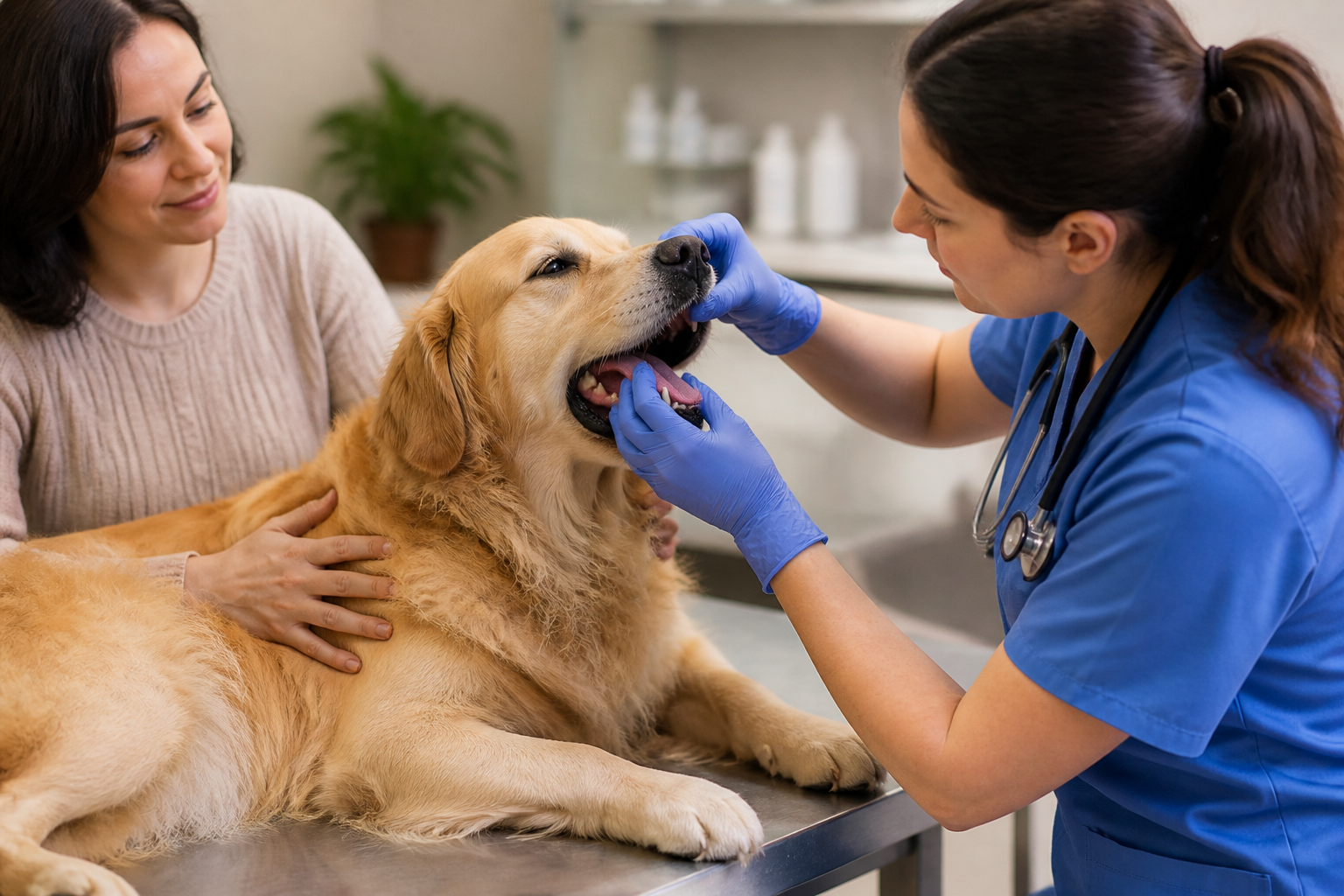
You might be sitting in the vet's office when the doctor notices a thick layer of tartar on your dog's molars. They recommend a professional cleaning. Then comes the part that makes many pet owners nervous: the mention of general anesthesia. It is natural to feel a bit of anxiety when you hear your pet needs to be put under. You want your dog to have a healthy mouth, but you also want them to stay safe. At BaxterBoo, we understand that your pet's safety is your top priority. This article explains why veterinarians use anesthesia, the risks of avoiding it, and how the process works. We will look at why professional cleanings are about more than just white teeth. Understanding the science behind pet dental health helps you make the best choice for your companion.
Quick Answer: Yes, veterinarians put dogs under general anesthesia to perform a thorough and safe dental cleaning. This allows them to clean below the gumline and take X-rays, which is impossible to do safely while a dog is awake.
Why Anesthesia Is the Standard for Dental Care
Most humans do not enjoy the dentist, but we understand why we have to sit still. Dogs do not have that luxury. If a stranger put a vibrating ultrasonic scaler in your dog's mouth, their natural instinct would be to pull away or snap. This creates a dangerous situation for both the dog and the veterinary staff. Anesthesia is the only way to ensure the patient remains completely still during the procedure.
Beyond keeping the dog still, anesthesia allows for a level of cleaning that cannot happen otherwise. A huge portion of dental disease happens below the gumline where you cannot see it. To reach these areas, the vet must use sharp instruments near sensitive tissue. Anesthetizing the dog prevents pain and ensures the vet can work efficiently. It also allows for the placement of an endotracheal tube. This tube protects the lungs from water, bacteria, and debris that are loosened during the cleaning process.
The Importance of Subgingival Cleaning
When you look at your dog's teeth, you see the crown. This is the white part above the gums. However, the most dangerous bacteria live in the "subgingival" space. This is the area between the tooth root and the gum tissue. If a cleaning only removes the visible tartar, it is essentially a cosmetic treatment.
Bacteria left under the gums will continue to eat away at the structures holding the tooth in place. This leads to bone loss, abscesses, and eventually tooth loss. General anesthesia is the only way to safely probe these deep pockets and remove the hidden infection.
Dental X-rays and Diagnostics
A professional cleaning is officially called a Comprehensive Oral Assessment and Treatment, or COHAT. A major part of this assessment is taking X-rays. Since 60 percent of a dog's tooth is hidden under the gumline, X-rays are the only way to find hidden problems.
Your dog might have a tooth that looks perfect on the outside but has a rotting root or a painful abscess underneath. To get clear X-ray images, the dog must be perfectly still. Anesthesia makes this diagnostic step possible, which often prevents future pain for your pet.
The Professional Cleaning Process Step by Step
When you drop your dog off for their dental appointment, the day follows a very specific clinical path. This ensures the highest level of safety and thoroughness. Most clinics follow a standardized protocol to manage the risks of anesthesia while maximizing the health benefits.
Step 1: Pre-anesthetic exam / The vet performs a physical exam and reviews blood work to ensure the liver and kidneys can process the medications.
Step 2: Pre-medication / The dog receives a sedative to reduce anxiety and a pain reliever to start the comfort process early.
Step 3: Induction and intubation / An injectable anesthetic is given, and a breathing tube is placed to deliver oxygen and anesthetic gas.
Step 4: Full oral exam / The vet probes every tooth, looking for pockets, cracks, or signs of oral cancer.
Step 5: Scaling and polishing / An ultrasonic scaler removes tartar from all surfaces, followed by a polish to smooth the enamel.
Step 6: Recovery / The dog is monitored closely as they wake up to ensure their temperature and heart rate stay within normal ranges.
Key Takeaway: A professional dental cleaning is a multi-step medical procedure that addresses health issues hidden deep within the jaw and gums.
The Risks of Anesthesia-Free Dental Cleanings
You may have seen advertisements for "anesthesia-free" or "non-anesthetic" dental cleanings. These are often offered by groomers or specialized shops. While it sounds appealing to avoid the risks of being put to sleep, these procedures are widely discouraged by the American Veterinary Dental College.
The primary issue is that these cleanings are strictly cosmetic. The provider scrapes the visible tartar off the teeth so they look white. However, they cannot clean under the gumline where the real disease lives. This gives pet owners a false sense of security. You might think your dog's mouth is healthy because the teeth look bright, while a serious infection continues to spread under the surface.
Stress and Physical Restraint
In an anesthesia-free cleaning, the dog must be physically restrained for a long time. This can be incredibly stressful for the animal. Unlike a vet's office, where the dog is asleep and relaxed, these procedures require the dog to be held in place while someone pokes at their sensitive gums.
There is also a high risk of injury. Dental tools are very sharp. If a dog jerks their head suddenly while a scaler is in their mouth, it can cause deep cuts or punctures. Without a breathing tube, there is also the risk that the dog will inhale the bacteria-laden water and debris, leading to aspiration pneumonia.
A Lack of Proper Diagnostics
A non-veterinary professional cannot take X-rays or perform extractions. If they find a broken tooth or a growth, they cannot treat it. In many cases, these providers are not trained to recognize the early stages of oral diseases.
By the time you realize there is a problem, the disease may have progressed significantly. This often leads to more expensive and invasive procedures later on. Choosing a professional cleaning under anesthesia is often more cost-effective in the long run because it prevents these complications.
Vet Tip: If your vet discovers a tooth that needs to be removed during a cleaning, it is much safer and less stressful for the dog to have it done while they are already anesthetized.
How Safe Is Anesthesia for Dogs?
The fear of anesthesia is the number one reason pet owners avoid dental care. While no medical procedure is 100 percent risk-free, modern veterinary medicine has made anesthesia extremely safe. Vets use the same types of monitoring equipment and medications used in human hospitals.
Before the procedure, your vet will likely require blood work. This helps them understand how your dog's organs are functioning. If the liver or kidneys are not working well, they can adjust the type of anesthesia used or postpone the procedure. During the cleaning, a dedicated technician monitors the dog's vital signs every few minutes.
For additional information about warning signs that may indicate dental problems, read our guide to recognizing bad teeth in dogs.
High-Tech Monitoring Equipment
While your dog is asleep, they are connected to several monitors. These track heart rate, blood pressure, oxygen levels, and body temperature. If any of these numbers drift outside the healthy range, the vet can make immediate adjustments.
Most clinics also use intravenous (IV) fluids during the procedure. This helps maintain blood pressure and keeps the dog hydrated. It also provides a direct line for emergency medications if they are ever needed. This level of oversight makes the actual risk of a serious complication very low for most healthy pets.
Managing Senior Dogs and High-Risk Pets
Age is not a disease. Many senior dogs can safely undergo anesthesia for dental cleanings. In fact, dental care is often more important for seniors because they are more likely to have advanced periodontal disease.
For pets with heart conditions or other health issues, your vet might consult with a specialist. They can create a "tailored anesthetic protocol" that uses specific drugs that are easier on the heart or other organs. The goal is always to balance the risk of anesthesia against the very real risk of untreated oral infection.
The Connection Between Dental Health and Whole-Body Wellness
Putting a dog to sleep for a cleaning might seem like a lot of work just for some teeth. However, the mouth is the gateway to the rest of the body. Periodontal disease is an inflammatory condition. When the gums are infected, the barrier between the mouth and the bloodstream breaks down.
Bacteria from the mouth can travel through the blood to major organs. Research has shown links between poor oral health and damage to the heart, liver, and kidneys. In some cases, dogs with severe dental disease develop endocarditis, which is an infection of the heart valves.
Reducing Chronic Inflammation
Constant infection in the mouth keeps the immune system in a state of "high alert." This chronic inflammation can make a dog feel lethargic or "slow." Many owners report that their senior dogs seem to have a new lease on life after a professional dental cleaning.
When the pain and infection are gone, the dog feels better overall. They might start playing with toys again or show more interest in their food. This improvement in quality of life is one of the biggest benefits of a professional cleaning.
Preventing Tooth Loss and Jaw Fractures
In extreme cases of untreated dental disease, the infection can eat away so much bone that the jaw becomes weak. This can lead to a "pathologic fracture," where the jawbone actually breaks during normal activity like eating.
Regular cleanings under anesthesia prevent this level of bone loss. By catching problems early, your vet can save teeth that would otherwise need to be pulled. Maintaining the integrity of the jawbone is vital for your dog’s ability to eat and play throughout their life.
Preparing Your Dog for Their Appointment
If you have scheduled a dental cleaning, there are a few things you can do to ensure everything goes smoothly. Preparation starts at home a few days before the procedure. Following your vet’s instructions exactly is the best way to support a safe outcome.
- Fast your pet: Most vets require no food after midnight the night before. This prevents vomiting during anesthesia.
- Ask about medications: If your dog takes daily meds, check if they should get them the morning of the procedure.
- Update vaccinations: Some clinics require specific vaccines before a dog can stay for the day.
- Prepare a recovery space: Have a quiet, warm spot ready at home where your dog can rest undisturbed.
After you drop your dog off, the vet team will do their pre-op checks. You should be available by phone throughout the day. If the vet finds something unexpected on the X-rays, they will call you to discuss the next steps, such as an extraction.
Bottom line: Preparation and communication with your veterinary team are the keys to a stress-free dental surgery day.
At-Home Dental Care Between Professional Cleanings
While a professional cleaning is necessary once or twice a year, what you do at home matters every day. Good home care can extend the time between professional visits. It also makes those visits easier because there is less tartar to remove.
The gold standard for home care is daily brushing. You must use toothpaste specifically formulated for dogs. Human toothpaste contains fluoride and xylitol, both of which are toxic to pets. We carry a variety of pet-safe toothpastes and brushes in our dog dental and breath care collection to help you get started.
Dental Chews and Toys
Not every dog will tolerate a toothbrush. For those pets, dental chews and specific toys can help. These items are designed to scrape against the teeth as the dog chews. This mechanical action helps rub off soft plaque before it can harden into tartar.
Look for products that have the Veterinary Oral Health Council (VOHC) seal of approval. This seal means the product has been tested and proven to reduce plaque or tartar. Many of our dental treats and chews are VOHC-approved, giving you confidence in their effectiveness.
For more ideas, explore these dental chew options for dogs.
Water Additives and Prescription Diets
If your dog has a high tendency to develop tartar, your vet might recommend a prescription dental diet. These kibbles are larger and have a specific texture that "scrubs" the tooth. Our pharmacy carries several prescription dental foods through our partnership with Pet's Choice, which your vet can authorize for home delivery.
Water additives are another easy option. You simply add a small amount to your dog's water bowl. These additives contain enzymes or ingredients that help kill bacteria in the mouth. While they aren't a replacement for brushing, they are a great "extra layer" of protection for your dog's oral health.
You can also review our broader dog healthcare selection when building an at-home routine.
Recovery After Anesthesia
When you pick your dog up, they will likely be a bit groggy. This is normal. The anesthetic drugs take time to fully leave the system. Most dogs will be back to their normal selves within 24 hours.
Your vet may prescribe pain medication or antibiotics. This is especially common if your dog had a tooth pulled or if they had a severe infection. It is very important to finish the entire course of antibiotics, even if your dog seems fine. Our pharmacy is a great resource for these medications, ensuring you have FDA-approved treatments delivered right to your door.
Feeding After Surgery
If your dog had a simple cleaning, they can usually eat a small meal that evening. However, if they had extractions, they will need soft food for several days. This allows the extraction sites to heal without being poked by hard kibble.
You can soften their regular kibble with warm water or switch to a canned version of their favorite food. Monitor their appetite closely. If they refuse to eat for more than 24 hours after surgery, call your vet for advice.
Watching for Complications
While rare, complications can happen during recovery. Keep an eye on your dog's gums; they should stay pink. If the gums look pale or blue, contact a vet immediately. You should also watch for excessive bleeding or extreme lethargy that does not improve as the evening goes on.
Most dogs are happy to just sleep off the anesthesia in a warm bed. By the next morning, you should see their personality returning. The "dog breath" you might have been used to should also be significantly improved.
Summary of Pet Dental Health
Keeping your dog's teeth clean is a lifelong commitment. While the idea of anesthesia is intimidating, it is a vital tool for modern pet care. It allows for a pain-free, deep cleaning that protects your dog’s heart, kidneys, and overall happiness. By combining professional cleanings with daily home care, you are giving your dog the best chance at a long, healthy life.
- Anesthesia is necessary for safety, thorough cleaning, and accurate X-rays.
- Anesthesia-free options are cosmetic and do not treat underlying disease.
- Modern monitoring and pre-op testing make the process very safe.
- Home care, like brushing and dental treats, is essential between vet visits.
- Untreated dental disease can lead to serious heart and kidney problems.
Key Takeaway: The benefits of a professional dental cleaning under anesthesia far outweigh the small risks, providing your dog with a pain-free mouth and better long-term health.
Our warehouse in Vernon Hills is stocked with the gear you need to keep those pearly whites shining. Whether you need a new toothbrush or VOHC-approved treats, our dog treats category has options to support your at-home routine. For repeat-purchase items, our Autoship programme can help simplify reordering.
FAQ
Is it really necessary to put a dog under for a cleaning?
Yes, it is the only way to perform a safe and thorough procedure. Anesthesia allows the vet to clean under the gumline where the most dangerous bacteria live and take necessary X-rays. It also prevents the dog from feeling pain or accidentally getting injured by sharp dental tools during the process.
What are the main risks of dog dental anesthesia?
While rare, risks include a drop in blood pressure, heart rate changes, or an allergic reaction to the medication. However, veterinarians minimize these risks through pre-anesthetic blood work and constant monitoring of vital signs. For most healthy dogs, the risk of untreated dental disease is much higher than the risk of the anesthesia itself.
How much does it cost to have a dog's teeth cleaned with anesthesia?
The cost varies based on your location, the size of your dog, and whether extractions or X-rays are needed. A standard cleaning usually includes the anesthesia, the scaling and polishing, and the technician's time. It is best to get a detailed estimate from your vet after they have performed an initial oral exam on your dog.
How long does it take for a dog to recover from dental anesthesia?
Most dogs are a bit sleepy or "wobbly" for about 12 to 24 hours after they wake up. They should be able to walk and eat a light meal by the evening of the procedure. If your dog had extractions, the gums might be tender for a few days, but they should be back to their normal energy levels within a day or two.






