
 Save 15% on your 1st Autoship learn more

 Email us
 Live Chat
 FAQs
FAQs





Introduction
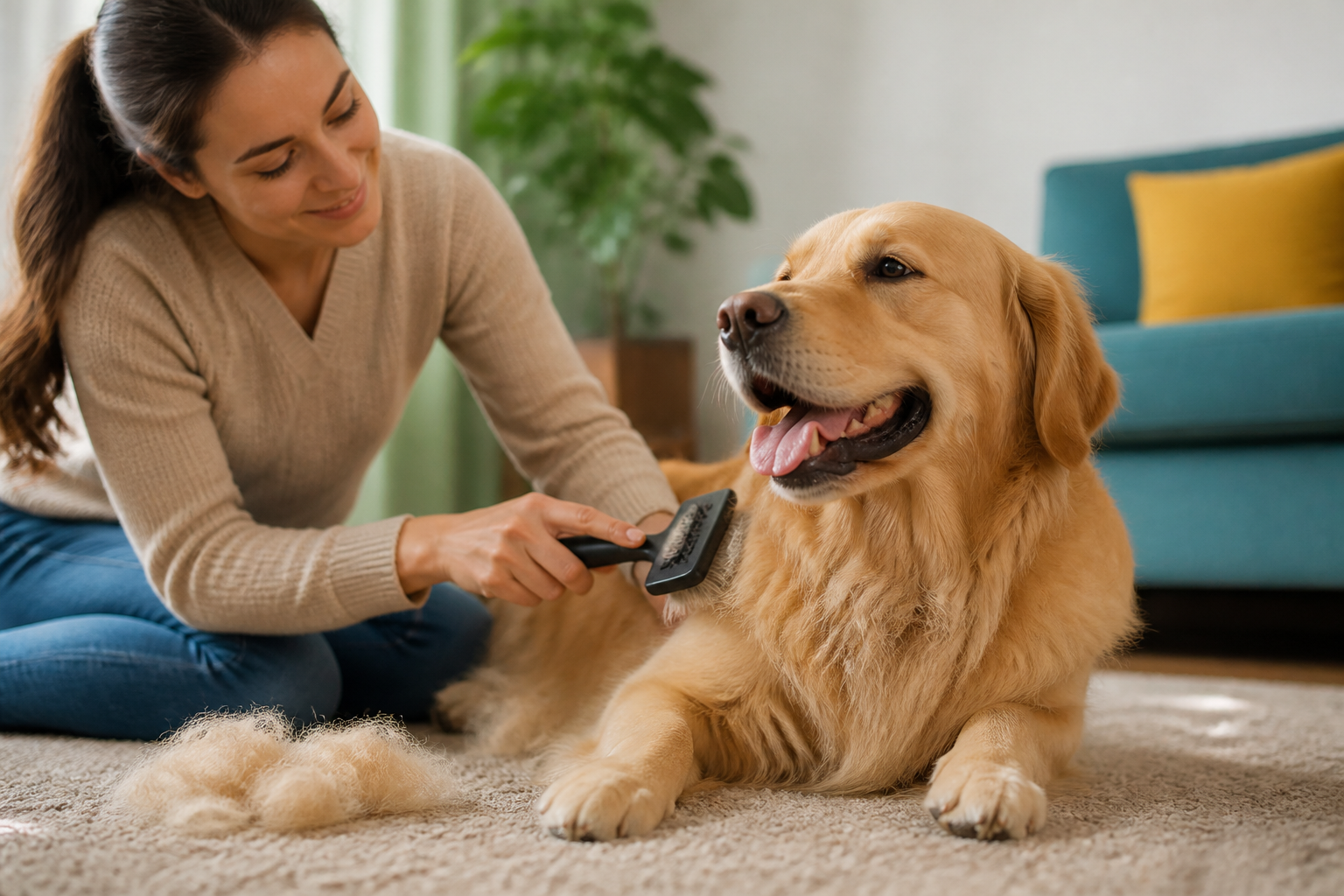
Finding a tumbleweed of fur rolling across your living room floor is a standard part of life for most pet owners. You might find hair on your favorite black sweater or stuck to the upholstery of your car. While shedding is a natural biological process for nearly every breed, managing the mess can feel like a full time job. At BaxterBoo, we talk to owners every day who wonder if they are fighting a losing battle against the fur. The good news is that you can significantly reduce the amount of hair in your home with the right habits. Brushing is the most effective way to manage this process. This post covers how brushing works, which tools are best for your dog, and how other factors like diet and health impact the coat. Regular grooming is your best defense against the endless cycle of shedding.
Quick Answer: Brushing your dog is the most effective way to reduce shedding. It removes dead hair and dander from the coat before it can fall onto your floors or furniture. Regular brushing also distributes natural oils that keep the skin healthy and the hair follicles strong.
How Brushing Actually Manages Shedding
Shedding occurs when a hair reaches the end of its growth cycle and falls out to make room for new growth. For many dogs, this hair does not immediately fall to the ground. Instead, it gets trapped within the existing coat. This is especially true for dogs with thick undercoats or curly fur. When that trapped hair finally works its way loose, it ends up on your carpet.
When you brush your dog, you are manually removing that dead hair in a controlled way. You decide where the hair goes instead of letting the dog decide. Brushing also stimulates the skin. This stimulation increases blood flow to the hair follicles. Better blood flow often results in a healthier, stronger coat that is less prone to excessive breakage.
Brushing also helps distribute sebum. This is the natural oil produced by your dog's skin. When these oils stay near the skin, the hair can become brittle and the skin can become dry. Dry skin often leads to more shedding. By brushing, you pull those oils down the hair shaft. This keeps the entire coat hydrated and shiny.
Identifying Your Dog’s Coat Type
To understand how brushing helps, you must first know what kind of coat your dog has. Not all fur is created equal. The tools and techniques we use at BaxterBoo for a Labrador are very different from what we recommend for a Husky.
Single Coated Dogs
Dogs with a single coat have only one layer of hair. These breeds often include Poodles, Chihuahuas, and many Terriers. They tend to shed less than other breeds because their hair has a longer growth cycle. However, they still lose hair. Brushing these dogs is more about preventing tangles and removing the occasional dead strand.
Double Coated Dogs
Breeds like Golden Retrievers, German Shepherds, and Huskies have a soft undercoat and a tougher outer coat. The undercoat is what does the heavy shedding. Twice a year, these dogs go through a blowout where they lose massive amounts of fur. Brushing is critical for these breeds to prevent the undercoat from matting against the skin.
Wire and Curly Coats
Wire haired dogs have a rough texture that can trap dead hair very easily. Curly coated dogs, like many water breeds, often trap shed hair within their curls. If you do not brush these dogs, the dead hair stays close to the skin and can cause painful mats. Brushing for these dogs is less about the floor and more about the health of the skin.
Choosing the Right Tool for the Job
Using the wrong brush is a common mistake that leads to frustration. If the brush is too gentle, it will not reach the undercoat. If it is too harsh, it can cause brush burn on the skin. We have found that having a few specific tools makes the job much easier. Explore our dog brushes and combs to compare options for different coat types.
| Brush Type | Best For | Primary Function |
|---|---|---|
| Bristle Brush | All coat types | Distributing oils and removing surface debris. |
| Slicker Brush | Medium to long hair | Removing tangles and loose undercoat hair. |
| Deshedding Rake | Double coated breeds | Reaching deep into the undercoat to pull out dead fur. |
| Rubber Curry Brush | Short haired breeds | Massaging the skin and grabbing loose, prickly hairs. |
The Versatility of the Slicker Brush
A slicker brush has fine, short wires placed close together on a flat surface. It is the workhorse of the grooming world. It is excellent for pulling out loose hair from dogs with medium or long fur. When using a slicker brush, use short, gentle strokes. Avoid pressing too hard, as the wire bristles can be sharp against the skin.
For an all-purpose option, the U-Groom Combo Brush for Dogs and Cats combines stainless-steel pins with boar bristles for everyday home grooming.
The Power of Deshedding Tools
Tools like the deshedding rake are designed specifically for the undercoat. These tools have teeth that pass through the topcoat and grab the loose undercoat hair. They are incredibly effective during seasonal transitions. Many owners are shocked at the mountain of fur these tools can produce in a single session.
Rubber Brushes for Short Hair
If you have a breed like a Beagle or a Boxer, a metal rake is not the right choice. Instead, use a rubber curry brush. The rubber creates friction that grabs the short, stiff hairs that these breeds shed constantly. It also provides a massage that most dogs find very relaxing.
Key Takeaway: Matching the brush to your dog's coat type is the only way to effectively reduce shedding. Using a tool designed for the undercoat is essential for double-coated breeds to prevent mats and heavy floor shedding.
Setting a Brushing Schedule
Consistency is more important than the length of the grooming session. Brushing your dog for five minutes every day is much more effective than a one hour session once a month. Daily brushing keeps the hair from building up and prevents the dead fur from tangling.
For most dogs, a full brushing session twice a week is sufficient. However, during the spring and fall, you may need to increase this frequency. This is when many dogs change their coats to prepare for the new season. If you stay ahead of the hair during these weeks, you will see a massive difference in your home’s cleanliness. For more seasonal grooming ideas, read how Australian Shepherds shed.
- Start at the head and work your way back toward the tail.
- Brush in the direction of hair growth to avoid discomfort.
- Check for sensitive areas like the belly or the back of the legs.
- Reward your dog with a treat after every session to create a positive association.
The Relationship Between Bathing and Shedding
While brushing is the primary tool, bathing plays a supporting role. A bath helps loosen hair that is deep in the coat. Using a deshedding shampoo can further help the process. These shampoos often contain ingredients like omega fatty acids or herbal extracts that help release the undercoat during the wash. You can find shampoos, conditioners, and bath supplies in our dog grooming collection.
It is important not to over-bathe. Washing your dog too frequently can strip the skin of the oils you worked so hard to distribute. For most dogs, a bath every four to six weeks is plenty. Always follow a bath with a thorough brushing once the coat is completely dry. Brushing a wet coat can sometimes stretch and damage the hair. For additional bathing guidance, see these dos and don'ts for bathing your dog.
After the bath, you might consider using a high velocity dryer. These are not like human hair dryers. They use a strong stream of air to literally blow the loose hair out of the coat. This is a favorite technique of professional groomers and can save you hours of manual brushing.
Nutrition and Coat Health
A dog that sheds excessively year round might be missing key nutrients. The coat is often the first place a nutritional deficiency shows up. If the body does not have enough protein or healthy fats, it will stop prioritizing hair health. This leads to a brittle coat that sheds much more than usual.
Look for foods that are high in Omega-3 and Omega-6 fatty acids. These fats nourish the skin and strengthen the hair at the root. Many owners find that adding a supplement like salmon oil to their dog’s meals makes a visible difference within a month. At BaxterBoo, we carry several high quality food brands and supplements designed to support skin and coat health. Browse our dog skin and coat care selection for food toppers and supplements.
Protein is also vital. Hair is made primarily of a protein called keratin. If your dog’s diet is low in quality animal protein, their hair will be weak. Check your dog food label for real meat as the first ingredient. Avoiding fillers like corn and soy can also help reduce skin irritation that leads to scratching and extra shedding.
Vet Tip: If you notice your dog is losing hair in patches or has red, inflamed skin, consult your veterinarian. Excessive shedding can sometimes be a sign of allergies, parasites, or hormonal imbalances like hypothyroidism. A professional diagnosis is necessary to rule out these underlying health issues.
Environmental Factors and Shedding
Where your dog spends their time also affects how much they shed. Indoor dogs are exposed to artificial light and temperature control. This can sometimes confuse their biological clock. Instead of shedding twice a year, some indoor dogs shed a consistent amount all year long.
Stress is another environmental factor. Have you ever noticed your dog leaves a cloud of hair on the vet's table? This is known as stress shedding. When a dog is anxious, their muscles tense up and their follicles release hair. If your dog is shedding more than usual, consider if there have been any big changes in your home. New pets, moving houses, or even a change in your work schedule can cause temporary increases in shedding.
Managing the Hair in Your Home
Even with perfect brushing habits, you will still have some hair to deal with. We recommend having a few cleanup tools ready to go. A high quality vacuum with a HEPA filter is essential for trapping dander and fine hairs. Rubber brooms are also excellent for pulling hair out of carpets that a vacuum might miss.
For your furniture, keep a lint roller or a reusable fabric brush nearby. Many owners also find that using furniture covers or washable blankets helps. This way, you can simply toss the cover in the wash instead of trying to scrub hair out of the sofa cushions.
Our MVP Rewards program is a great way to save on these grooming and cleaning essentials. You can earn points on every purchase of brushes, shampoos, and supplements. These points can then be used for future orders, making it easier to keep up with your dog's grooming needs.
When Shedding is a Medical Issue
While shedding is normal, there are times when it indicates a problem. You should be concerned if you see symmetrical hair loss, where the dog loses hair in the same spot on both sides of the body. This is often a sign of a hormonal issue.
Skin infections can also cause hair to fall out. If your dog is constantly licking or chewing at a specific spot, they may have a hotspot or a fungal infection. In these cases, no amount of brushing will solve the problem. You need to address the root cause with your vet.
Our pharmacy at BaxterBoo provides access to FDA-approved medications and prescription diets through our partnership with Pet's Choice. If your vet prescribes a medicated shampoo or a specific diet for skin issues, you can often find what you need through our pet pharmacy. This ensures you are getting genuine products that are safe for your pet.
Bottom line: Brushing is a foundational part of pet care that reduces the mess in your home and improves your dog's physical comfort.
Conclusion
Brushing is the most effective tool in your kit for managing dog hair. It targets the problem at the source by removing dead fur before it can settle on your rugs. By choosing the right tools for your dog's coat type and maintaining a consistent schedule, you can keep the shedding under control. Remember that a healthy coat starts from within, so prioritize quality nutrition and regular veterinary checkups.
- Brush at least twice a week for most breeds.
- Use a deshedding rake for double coats and a rubber brush for short hair.
- Support the coat with Omega-3 fatty acids and high quality protein.
- Watch for signs of skin irritation or patchy hair loss.
If you are looking for the perfect brush or a new skin-supporting supplement, browse our full collection of grooming supplies. You can also sign up for Autoship to ensure you never run out of the shampoos and oils that keep your dog's coat looking its best.
FAQ
Does brushing my dog everyday help with shedding?
Yes, daily brushing is the most effective way to keep shedding under control. It allows you to remove small amounts of dead hair every day rather than letting it build up into a larger mess. For many owners, a five minute daily session is easier to manage than a long weekly session.
Can I stop my dog from shedding completely?
No, it is not possible to stop a dog from shedding completely. Shedding is a natural and healthy process that allows your dog to get rid of old hair and regulate their body temperature. The goal of grooming is to manage and reduce the amount of hair that ends up in your environment, not to eliminate it.
Why does my dog shed so much even though I brush them?
If your dog is still shedding heavily despite regular brushing, you may be using the wrong type of tool. For example, a standard bristle brush cannot reach the thick undercoat of a Husky or Labrador. You may also need to look at your dog's diet or check for environmental stressors that could be causing extra hair loss.
Does a bath help with shedding more than brushing?
A bath can help loosen deep hair, but it should not replace brushing. In fact, a bath without a follow-up brushing can sometimes make the shedding seem worse because the water loosens so much hair at once. For the best results, use a deshedding shampoo during the bath and then brush thoroughly once the dog is dry.






