
 Save 15% on your 1st Autoship learn more

 Email us
 Live Chat
 FAQs
FAQs





Introduction
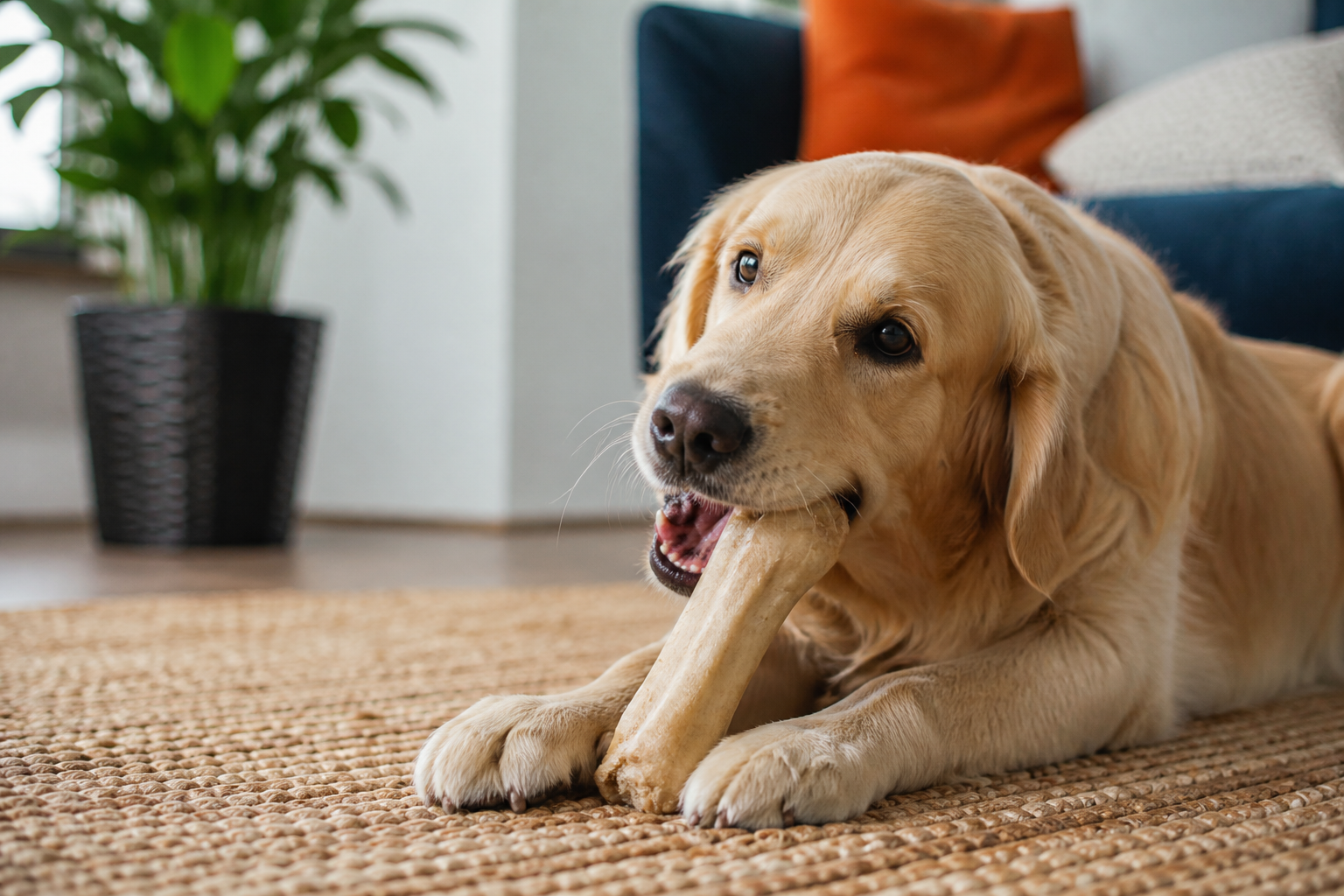
You might notice it while playing fetch or during a quiet evening on the couch. Your dog yawns, and you see a thick layer of brown buildup near the gum line, or a sudden wave of "dog breath" hits you. It is a common moment for many owners. We often wonder if a simple, natural solution like a bone can fix the problem. At BaxterBoo, we have spent years helping pet parents navigate dental health through the right gear and treats. The question of whether bones actually clean teeth is one of the most frequent topics we encounter. While bones can provide mechanical cleaning, the answer is not a simple yes or no. This post covers the science of how chewing works, the critical safety differences between bone types, and how to protect your dog from common dental injuries.
The Mechanical Action of Chewing
When a dog chews on a bone, they are not just passing time. They are engaging in a process often called "nature's toothbrush." The cleaning happens through physical abrasion. As the dog gnaws, the surface of the bone scrapes against the enamel. This action helps rub away plaque before it has a chance to harden into tartar.
Plaque is a soft, sticky film of bacteria. If it stays on the tooth for more than a few days, it mineralizes into tartar, also known as calculus. Once tartar forms, it is like concrete. It is very difficult to remove with a chew alone. However, the side-to-side shearing motion dogs use when they chew is specifically designed to break down tough materials. This motion allows the bone to reach the base of the teeth and massage the gums, which can improve overall oral circulation.
Quick Answer: Yes, chewing on bones can help clean a dog's teeth by physically scraping away plaque and stimulating the gums. However, bones cannot remove heavy tartar buildup and carry risks like tooth fractures or choking.
Understanding the Difference Between Raw and Cooked Bones
This is the most important distinction any dog owner can make. You should never give your dog a cooked bone from your dinner table. The cooking process changes the cellular structure of the bone. It makes it brittle and prone to splintering. When a cooked bone breaks, it creates sharp, needle-like shards. These can puncture the mouth, throat, or the entire digestive tract.
Raw bones are different. They are more pliable and contain natural moisture. Because they do not splinter as easily, they are generally considered the safer choice for dental health. Raw bones also contain live enzymes that may help combat bacteria in the mouth, though the primary benefit remains the physical scraping.
Why Cooked Bones Are Dangerous
- They can cause internal perforations of the stomach or intestines.
- They often lead to severe constipation or "bone impaction" in the colon.
- The fragments can get stuck in the roof of the mouth or between teeth.
- They lose the nutritional minerals that are available in raw versions.
Edible Bones vs. Recreational Bones
Not all bones serve the same purpose. We categorize them into two main groups: edible and recreational. Knowing which one your dog needs depends on whether you want to provide a snack or a long-lasting cleaning session.
Edible Raw Bones
These are soft, pliable bones that do not contain marrow. Examples include chicken necks, turkey necks, and chicken wings. Because they are soft, dogs can crunch them up and swallow them entirely. These are excellent for providing calcium and phosphorus. However, because they are consumed quickly, they provide very little dental cleaning. The "brushing" action is over too fast to make a significant dent in plaque.
Recreational Raw Bones
These are the big, heavy bones intended for gnawing, not swallowing. Think of large beef knuckle bones or femur bones. These are the real tools for dental hygiene. A dog might work on a knuckle bone for thirty minutes or more. This extended chewing time is what provides the abrasive force necessary to clean the teeth. These bones are often filled with marrow, which dogs find highly rewarding.
Key Takeaway: Edible bones are for nutrition, while recreational bones are for dental cleaning and mental stimulation. Choose the bone based on the goal of the chewing session.
The Scientific Evidence for Bone Chewing
There have been specific studies looking at how bones affect dental health. One notable study focused on Beagles who were given raw beef bones. Researchers looked at two types of bones: cortical bones (the hard, outer layer) and spongy bones (the softer, porous interior).
The results were significant. In dogs given cortical bones for 12 days, tartar was reduced by over 70 percent. The dogs given spongy bones saw even better results. Within just 20 days, their tartar reduction reached nearly 88 percent. The softer, spongy bones allowed the teeth to sink deeper into the material, which cleaned more of the tooth surface at once. This suggests that the texture of the bone matters just as much as the hardness.
Potential Risks to Dog Dental Health
While the cleaning benefits are real, we must acknowledge the risks. The most common injury seen by veterinary dentists is a "slab fracture." This usually happens to the large upper fourth premolar, which is the main shearing tooth in the back of the mouth. If a dog bites down on a bone that is too hard at the wrong angle, a slab of the tooth can flake off. This exposes the sensitive pulp and often requires an extraction or a root canal.
Common Risks Include:
- Tooth Fractures: Particularly on the large carnassial teeth.
- Gastrointestinal Obstruction: Small pieces of bone can get stuck in the stomach.
- Oral Wounds: Sharp edges can cut the tongue or gums.
- Bacterial Contamination: Raw bones can carry Salmonella or E. coli if not handled properly.
Vet Tip: Always supervise your dog when they have a bone. If you notice they are trying to swallow large chunks or if their gums begin to bleed, remove the bone immediately. Consult your veterinarian if you see any signs of a cracked tooth, such as a refusal to eat or pawing at the face.
The Knee Test for Bone Hardness
How do you know if a bone is too hard? There is a simple rule used by many veterinary experts. It is called the knee test. If you take the bone or chew toy and hit it against your knee, it should hurt you before it would hurt the dog. If the object has no "give" or flexibility, it is likely hard enough to crack a tooth.
This is why many experts advise against giving dogs antlers or large, dried marrow bones. These are often as hard as rock. While they are great for "power chewers" because they last a long time, the risk of a fracture is significantly higher. For more guidance, read about choosing tough dog toys safely.
How to Introduce Bones Safely
If you decide to use bones for dental cleaning, you must do it gradually. A dog who has never had a raw bone may experience an upset stomach if they consume too much marrow at once.
Step 1: Choose the right size. / Ensure the bone is larger than the dog's mouth so they cannot swallow it whole.
Step 2: Limit the time. / Let your dog chew for only 10 to 15 minutes for the first few sessions to see how their stomach reacts.
Step 3: Scoop out some marrow. / Marrow is very fatty and can cause diarrhea or pancreatitis in sensitive dogs; removing some of it reduces this risk.
Step 4: Monitor the stool. / Bone can make stool very hard and white. If your dog is straining, they may be getting too much bone.
Alternatives to Natural Bones
Bones are not the only way to clean teeth. For many dogs, especially those with existing dental issues or those who are aggressive chewers, a bone might be too risky. At BaxterBoo, we see many owners find success with our dog dental care category.
Synthetic chews are designed to be "vet-approved" for their density. They often have a texture that allows the tooth to sink in without the risk of a slab fracture. These are often easier to digest and do not carry the bacterial risks of raw meat. Additionally, specialized dental diets use a specific kibble structure that does not shatter when bitten. Instead, the tooth sinks into the kibble, creating a scrubbing effect similar to the spongy bone study mentioned earlier.
A product such as N-Bone Flossta Dual-Action Dog Dental Chews can provide a chew-focused alternative for dogs that need a different option.
Bottom line: Natural bones are an effective tool, but synthetic dental chews or specific diets can provide similar benefits with a lower risk of injury.
Integrating Professional Care and Pharmacy Needs
No chew or bone can replace professional veterinary care. Even with the best chewing habits, some dogs are genetically prone to dental disease. Small breeds, in particular, often have crowded teeth that trap food and bacteria regardless of how much they chew.
If your dog already has significant tartar or red, inflamed gums, a bone will not fix the problem. In fact, gnawing on a hard bone with inflamed gums can be quite painful. This is when a professional cleaning is necessary. Our pet pharmacy provides access to prescription dental diets and medications that support oral health. Whether your vet prescribes a specific rinse or a specialized food to prevent plaque, having a reliable source for these health needs is vital for long-term wellness.
For additional guidance on warning signs, read how to recognize hidden dental problems in dogs.
Vet Tip: Schedule a dental checkup at least once a year. Your vet can identify "hidden" problems like root abscesses that are not visible during a casual look at the teeth.
Maintenance and Storage of Raw Bones
If you use raw bones, hygiene is a major factor. You are essentially bringing raw meat into your living environment. To keep things safe, follow strict handling protocols.
- Treat it like raw meat: Wash your hands and any surfaces the bone touches.
- Use a "chewing rug": Give the bone on a towel or a specific mat that can be bleached afterward.
- The two-hour rule: Do not leave a raw bone out at room temperature for more than two hours.
- Throw away old bones: Once the bone is small enough to fit in the dog's mouth, or if it becomes dry and brittle, toss it in the trash.
When to Avoid Bones Entirely
Certain dogs should stay away from bones regardless of their dental benefits. If your dog has had restorative dental work, like a crown or a filling, bones are off-limits. If your dog is a "gulper" who tries to swallow items without chewing, the risk of a life-threatening obstruction is too high. Finally, senior dogs with brittle teeth or those with existing gum disease should stick to softer dental chews or water additives designed to break down plaque.
For a broader look at safer chewing choices, explore our dental dog treats and dental chew toys.
Conclusion
Chewing on bones can be a highly effective way to keep your dog's teeth clean, but it requires a careful approach. Raw, recreational bones provide the mechanical scraping needed to reduce plaque and tartar. However, the risk of tooth fractures and internal blockages means owners must be selective about the types of bones they provide. Always prioritize raw over cooked, and use the knee test to ensure the bone is not too hard for your dog's enamel.
- Raw bones provide mechanical scraping that reduces plaque.
- Cooked bones are dangerous and should never be fed.
- The size of the bone must be larger than the dog's mouth.
- Supervision is mandatory to prevent choking or fractures.
Bottom line: For the safest experience, combine occasional raw bone chewing with regular brushing and professional veterinary checkups. If you are looking for specific dental supports, explore our Medical and Mobility section or our pet pharmacy for vet-approved options.
FAQ
Can I give my dog bones from a rotisserie chicken?
No, you should never give your dog bones from a rotisserie chicken or any other cooked meat. Cooking makes the bones brittle, causing them to splinter into sharp pieces that can puncture your dog's digestive system. Always stick to raw bones if you choose to use them for dental health.
How often should my dog chew on a bone to see dental benefits?
For most dogs, chewing on a raw recreational bone two to three times a week for about 30 minutes is sufficient. This provides enough abrasive action to manage plaque without overworking the jaw or causing excessive wear on the teeth. Always monitor your dog during these sessions to ensure they are chewing safely. To make repeat purchases more convenient, consider our Autoship programme.
Are antlers safer than beef bones for cleaning teeth?
Antlers are actually much harder than most beef bones and carry a significantly higher risk of causing tooth fractures. While they are popular because they last a long time, many veterinary dentists recommend avoiding them. If you can't indent the material with your thumbnail or it fails the knee test, it is likely too hard for your dog's teeth. You can also review our dog chew toy selection for alternatives.
What should I do if my dog swallows a large piece of bone?
If your dog swallows a large fragment, watch for signs of distress such as gagging, vomiting, or a bloated abdomen. You should also monitor their bowel movements over the next 24 to 48 hours to ensure the piece passes. If your dog becomes lethargic or cannot hold down food, contact your veterinarian immediately as this could indicate an obstruction. For regular dental-care purchases, the MVP Rewards programme may help you get more value from eligible orders.






