
 Save 15% on your 1st Autoship learn more

 Email us
 Live Chat
 FAQs
FAQs





Introduction
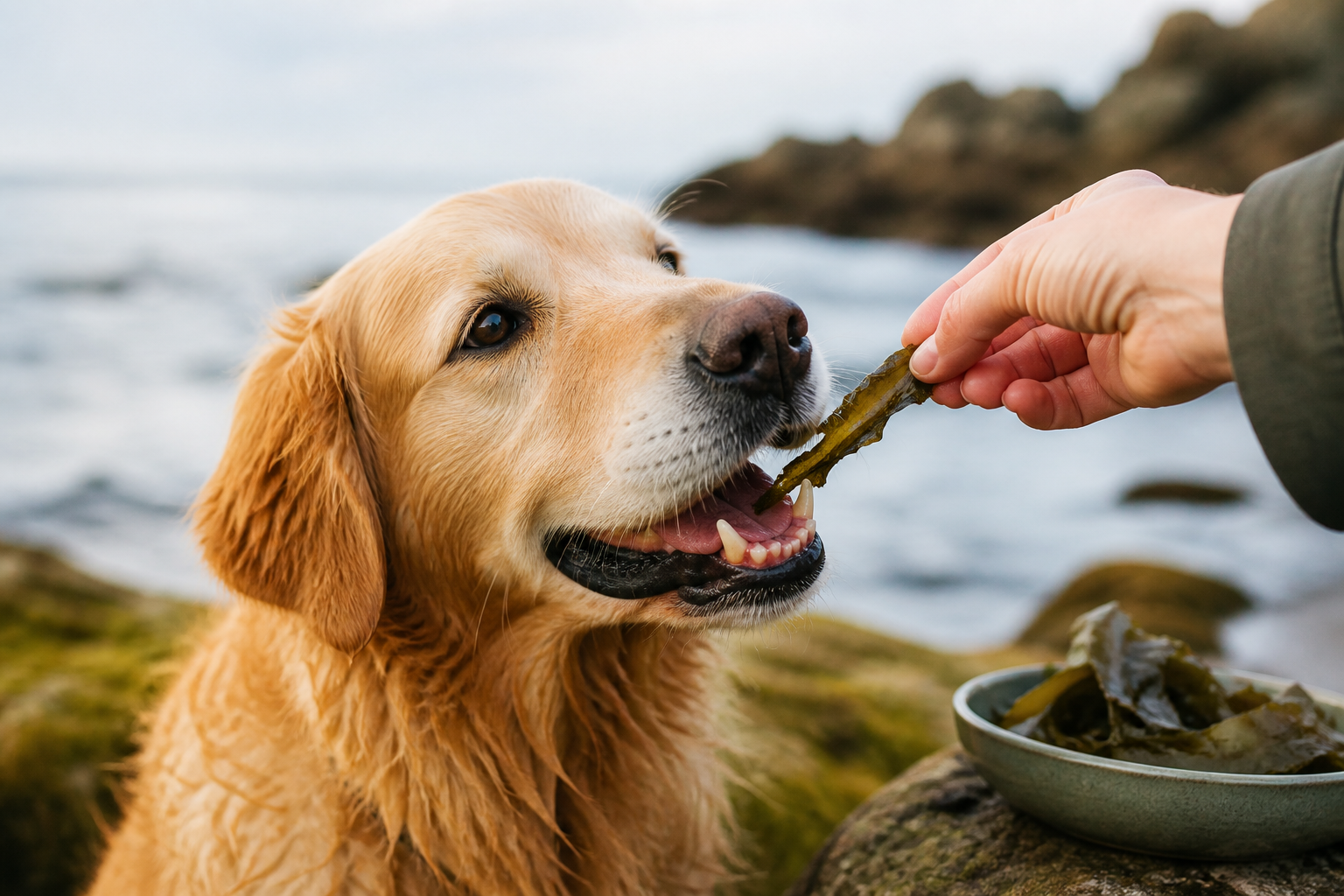
The daily struggle of brushing a dog's teeth is a reality for most pet owners. You might deal with a wiggly pup, a chewed toothbrush, or a dog that simply refuses to open their mouth. Because dental health is so critical to a dog's overall well-being, many owners are looking for simpler alternatives. At BaxterBoo, we know that keeping those pearly whites clean should not feel like a chore. This article explores how a specific type of seaweed called kelp can help manage plaque and tartar buildup. We will look at the science behind this supplement and how it supports a healthier mouth from the inside out. Kelp is a powerful, natural tool that can make a visible difference in your dog's oral hygiene when used correctly.
The Science of Seaweed and Saliva
Most dental products for pets work through mechanical action. Brushing or chewing on a hard toy physically scrapes plaque off the surface of the teeth. Kelp works differently because it is a systemic solution. The specific species used for dental health is called Ascophyllum nodosum. This is a brown seaweed found in the cold waters of the North Atlantic.
When your dog eats kelp powder, the active compounds are absorbed into their bloodstream. These compounds eventually reach the salivary glands. Once they are released back into the mouth through saliva, they change the oral environment. This process makes it difficult for bacteria to stick to the enamel.
Key Takeaway: Kelp works systemically through your dog's saliva to prevent plaque from sticking to the teeth and to soften existing tartar.
Breaking Down Biofilms
Plaque is not just food debris. It is a sticky film of bacteria known as a biofilm. This biofilm protects the bacteria and allows them to colonize the surface of the tooth. Over time, this film hardens into calculus or tartar. Once tartar forms, it is very difficult to remove without professional veterinary tools.
Kelp contains natural enzymes and polyphenols that disrupt these biofilms. By weakening the bond between the bacteria and the tooth, the kelp makes it easier for normal activities to keep the teeth clean. Even the simple act of chewing on a toy or eating dry kibble becomes more effective at removing plaque once the kelp has done its work.
Can Kelp Really Help with Bad Breath?
Dog breath is rarely pleasant, but a very foul smell usually points to a bacterial problem. Most "breath freshener" treats only mask the smell with mint or artificial scents. These solutions are temporary and do not address the root cause. Because kelp targets the bacteria and the biofilm, it addresses the source of the odor.
Most owners who use kelp supplements report a noticeable difference in their dog's breath within a few weeks. This is because the bacterial load in the mouth is decreasing. While it will not make your dog's breath smell like roses, it can significantly reduce the pungent smell associated with dental decay and gingivitis.
Bottom line: Kelp treats the cause of bad breath by reducing bacterial colonies in the mouth rather than just masking the odor.
What the Research Says
You do not have to rely on anecdotes alone. Clinical studies have looked specifically at Ascophyllum nodosum in canine dental health. In one controlled study, dogs that received this kelp daily saw a reduction in plaque by nearly 46 percent. They also showed a 35 percent reduction in tartar after 90 days.
These results were achieved without any changes to the dogs' brushing routines. This makes kelp an excellent option for dogs that are difficult to groom or those with sensitive mouths. While it is not a total replacement for veterinary care, it is a scientifically backed way to slow the progression of dental disease.
How to Use Kelp for Dog Dental Care
Kelp is one of the easiest supplements to add to a routine. It usually comes in a dried powder or flake format. You simply sprinkle the recommended amount onto your dog's regular food once a day.
Step 1: Start with a small amount. Introduce the supplement gradually to ensure your dog likes the taste and their stomach stays settled. Step 2: Be consistent. The salivary compounds need to stay at a steady level to work effectively. Missing days will reduce the benefits. Step 3: Monitor the results. Take a photo of your dog's teeth before you start and check again after six to eight weeks.
Note: Most owners see the best results after at least four to six weeks of daily use.
Choosing the Right Kelp Product
Not all seaweed is the same. If you see a product labeled generically as "seaweed" or "kelp," it may not be the species you need. Look for Ascophyllum nodosum on the ingredient label. This is the only species with the specific clinical backing for dental health.
Quality and purity are also important. Seaweed can absorb minerals and contaminants from the water where it grows. We carry high-quality supplements and dental treats that prioritize pure, sustainably harvested sources. You should look for organic options that are tested for heavy metals and other pollutants. Browse our dog dental supplements to compare available options.
Safety and Thyroid Considerations
While kelp is a natural product, it is also very high in iodine. Iodine is a necessary mineral, but too much can interfere with thyroid function. This is particularly important for dogs that already have underlying health conditions.
Most healthy dogs handle the iodine in dental kelp very well. However, if your dog has a history of thyroid issues, you must be careful. Always follow the manufacturer's dosage guidelines based on your dog's weight.
Vet Tip: Always consult your veterinarian before starting a kelp supplement if your dog has a known thyroid condition or is on medication for metabolic issues.
Kelp vs. Traditional Dental Chews
Traditional dental chews often contain many calories and starches. For dogs on a weight management plan, these treats can add too many calories to their daily intake. Kelp powder is very low in calories, making it a great alternative for dogs that need to stay slim.
We often recommend Farmina Vet Life for dogs with specific nutritional needs, and kelp fits easily into these specialized diets. Unlike a chew that is gone in thirty seconds, kelp provides 24-hour protection through the saliva. It is a more efficient way to manage oral health without adding bulk to the diet. For other options, explore our dental chews for dogs.
A Multi-Pronged Approach to Dental Health
Kelp is a powerful tool, but it works best as part of a larger plan. For the best results, combine the systemic action of kelp with mechanical cleaning. This might include:
- Regular brushing with dog-safe toothpaste
- Providing durable chew toys like those from Kong
- Using dental wipes for dogs that hate toothbrushes
- Feeding a diet that promotes oral health
If your dog already has severe tartar buildup or red, bleeding gums, a supplement may not be enough. In these cases, a professional cleaning at the vet is the best starting point. Once the teeth are professionally cleaned, kelp can help keep them that way for much longer. For additional routine guidance, read these pet dental care tips.
When to See the Vet
Natural supplements are great for maintenance, but they are not a cure for advanced periodontal disease. If you notice your dog is dropping food, drooling excessively, or has a loose tooth, they need a professional exam. Dental pain can be very hidden in dogs, and they will often continue to eat even when their mouth hurts. These warning signs of bad teeth in dogs can help you recognize when professional attention may be needed.
If your dog needs prescription dental care or special diets, our pharmacy can help. Through our partnership with Pet's Choice, we offer FDA-approved medications and prescription foods that your vet might recommend for chronic dental issues. Using these products alongside a kelp supplement can provide a comprehensive care plan.
The Role of MVP Rewards and Autoship
Since kelp works best with daily, long-term use, you will want to make sure you never run out. At BaxterBoo, we offer our Autoship programme that makes this easy. You can save on your first order and earn a free MVP Gold membership. This allows you to earn up to 5 percent back on every purchase. It is a simple way to keep your dog's supplements in stock while saving money on the brands you trust.
You can also explore the MVP Rewards programme to learn more about available benefits.
Beyond the Teeth: Other Benefits of Kelp
While we are focusing on dental health, kelp is a nutritional powerhouse. It contains over 60 different minerals and vitamins, including magnesium, potassium, and calcium. These nutrients support more than just the mouth.
- Skin and Coat: The minerals in kelp can help improve skin hydration and give the coat a natural shine.
- Digestion: Natural enzymes in seaweed can support healthy gut bacteria.
- Immunity: The antioxidants found in kelp help support the immune system against oxidative stress.
Key Takeaway: Using kelp for dental health provides secondary benefits for your dog's skin, coat, and digestive system.
Understanding Bioavailability
One reason kelp is so effective is its high bioavailability. This means the body can easily absorb and use the nutrients within it. Because it is a whole-food source rather than a synthetic vitamin, the dog's digestive system recognizes it and processes it efficiently. This is why a small daily dose can have such a large impact on the mouth and body.
We have been helping pet owners find the right products since 2006. Our team handpicks every supplement we carry to ensure it meets high standards for quality and efficacy. We believe in providing options that are practical for busy owners but powerful enough to make a real difference for their pets.
Conclusion
Kelp is a safe and effective way to support your dog's oral health from the inside out. By changing the chemistry of the saliva, it prevents plaque from taking hold and helps break down existing tartar. While it is not a magic solution that replaces all other care, it is a scientifically proven way to reduce the risk of dental disease.
Remember to choose a product that uses the species Ascophyllum nodosum and to be consistent with daily dosing. Always monitor your dog's overall health and consult your vet if you have concerns about their thyroid or severe dental issues. For high-quality kelp supplements and other dental care essentials, you can explore our dog dental care collection.
- Check for the species Ascophyllum nodosum on the label.
- Introduce the powder gradually to avoid stomach upset.
- Combine kelp with chew toys for a dual-action clean.
- Use Autoship to stay consistent with daily supplementation.
Bottom line: Kelp is a low-calorie, high-impact supplement that makes dental care easier for both you and your dog.
FAQ
How long does it take for kelp to clean a dog's teeth?
Most owners will notice that their dog's breath smells significantly better within two to three weeks of daily use. Visible changes to plaque and the softening of tartar usually take about six to eight weeks of consistent supplementation. Because the kelp works through the saliva, it must be given every day to maintain the necessary levels in the mouth.
Is kelp safe for all dogs?
Kelp is safe for most dogs when given at the correct dosage. However, because it is naturally high in iodine, it can affect the thyroid gland. If your dog has been diagnosed with hyperthyroidism or hypothyroidism, you should speak with your veterinarian before adding kelp to their diet.
Can kelp replace brushing my dog's teeth?
While kelp significantly reduces plaque and tartar, it is most effective when used as part of a complete dental routine. Brushing remains the best way to remove food particles and provide mechanical cleaning. Kelp is an excellent alternative for dogs that absolutely refuse brushing, but combining both methods will provide the best results.
Does kelp help with dog bad breath?
Yes, kelp is very effective at reducing bad breath because it addresses the bacterial biofilm that causes the odor. Unlike treats that just cover up the smell, kelp reduces the number of odor-causing bacteria in the mouth. Most pet owners find that the "dog breath" smell is greatly reduced after a month of use.






