
 Save 15% on your 1st Autoship learn more

 Email us
 Live Chat
 FAQs
FAQs





Introduction
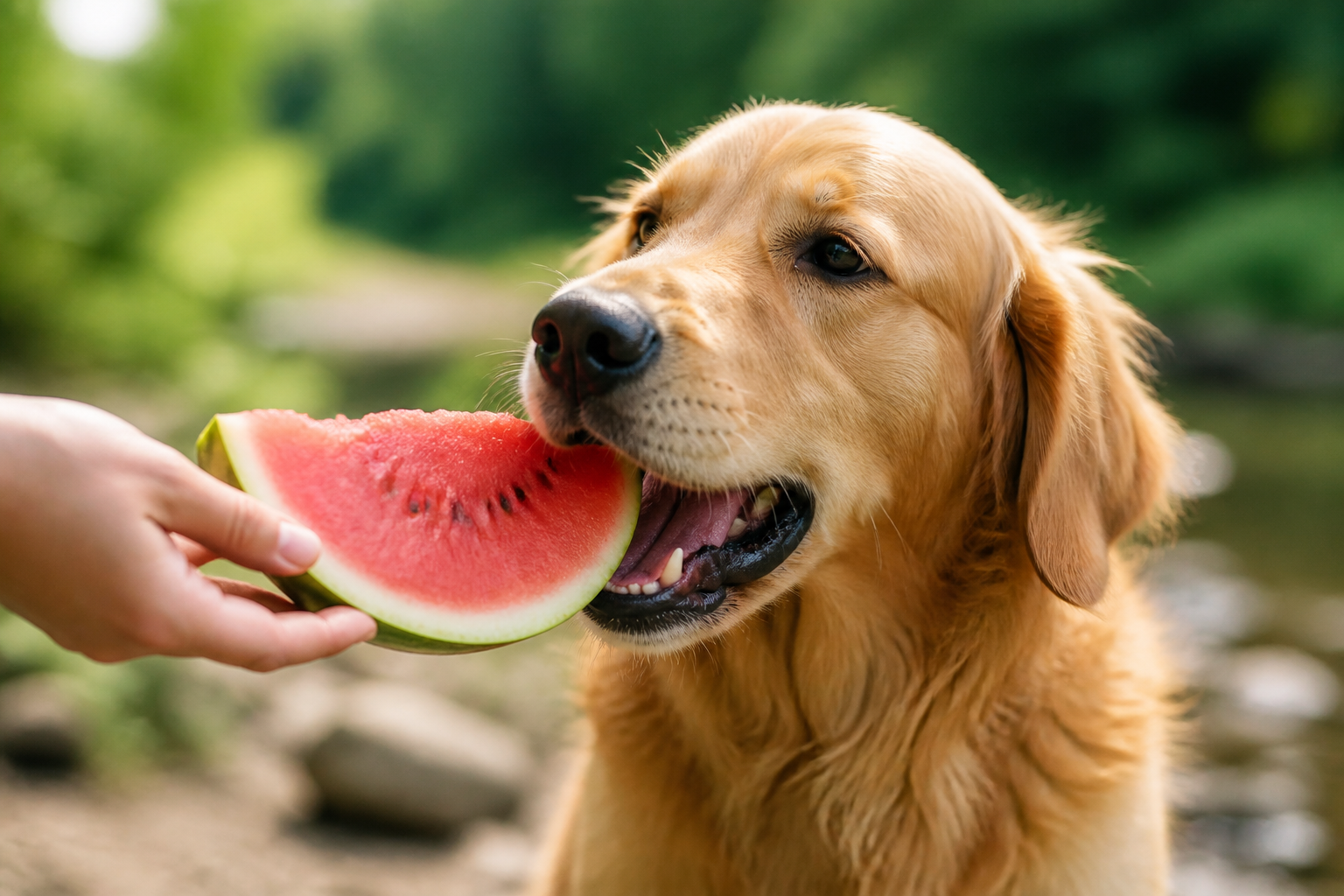
Summer afternoons often mean slicing into a cold, juicy watermelon, and it is hard to resist those pleading eyes at your feet. You might have heard that this refreshing fruit can actually help keep your dog's mouth clean while providing a healthy snack. It is a common question we hear from pet parents who want to balance treat time with wellness. At BaxterBoo, we believe every snack should serve a purpose, whether it is for pure enjoyment or a boost to your dog's health. This post explores the reality of using fruit for dental hygiene, the specific nutrients in watermelon that support oral health, and how to safely prepare this treat for your pup. While watermelon has some surprising benefits for a dog's mouth, it works best as a supplement to a consistent dental routine.
Quick Answer: Watermelon does not mechanically clean a dog's teeth because it lacks the abrasive texture needed to scrub away plaque. However, it contains malic acid which can help brighten teeth and its high water content stimulates saliva production to rinse away food particles.
The Science of Watermelon and Canine Oral Health
When we talk about cleaning teeth, we usually think of the physical action of brushing. Most dental chews work because they are hard or rubbery, forcing the dog to scrape their teeth against the surface. Watermelon is 92 percent water and very soft, so it cannot perform that mechanical scrubbing action. If you are looking for something to remove hardened tartar, watermelon is not the tool for the job. For purpose-built options, explore our dog dental care category.
Despite the lack of texture, watermelon offers chemical and biological benefits for the mouth. It contains malic acid, a natural compound often found in fruits like apples and strawberries. In humans and dogs alike, malic acid can act as a very mild whitener. It helps break down the thin film that forms on the surface of the teeth, which may reduce the appearance of minor stains over time.
Another benefit comes from the sheer juiciness of the fruit. Chewing on a water-rich snack encourages your dog to produce more saliva. Saliva is the first line of defense in a dog's mouth. It contains enzymes that begin the digestion process and helps wash away loose debris from the gums and between the teeth. While it is not a deep clean, it is a helpful rinse.
Key Nutrients for Mouth and Gum Health
Watermelon is more than just flavored water. It is packed with vitamins that support the underlying structures of your dog's mouth. Healthy teeth require healthy gums and a strong immune system to fight off oral bacteria.
- Vitamin A: This nutrient is essential for maintaining healthy mucosal membranes. In the mouth, this means the gum tissue stays resilient and better able to protect the roots of the teeth.
- Vitamin C: This vitamin supports the immune system. A strong immune response helps manage the bacteria that naturally live in a dog's mouth, preventing them from turning into problematic infections.
- Potassium: This mineral supports bone density. While it does not clean the surface, it contributes to the overall strength of the jawbone that holds the teeth in place.
- Lycopene: This antioxidant gives watermelon its red color and helps protect cells from oxidative damage, which is beneficial for long-term oral health.
Key Takeaway: Watermelon is a "chemical" helper rather than a "mechanical" cleaner. It uses malic acid and saliva stimulation to support oral hygiene rather than physical scrubbing.
The Risks of Feeding Watermelon to Dogs
While the flesh of the watermelon is safe and beneficial, other parts of the fruit pose serious risks. As a responsible pet owner, you must be careful about how you serve this snack. We see many cases where a simple treat turns into a vet visit because of improper preparation.
The Danger of Seeds
Watermelon seeds can be problematic, especially for smaller breeds. While swallowing one or two seeds likely will not cause a major issue, a large amount can lead to an intestinal blockage. These seeds are difficult for a dog's digestive system to break down. In a small dog, the narrow passages of the digestive tract can easily become plugged by a collection of seeds.
The Problem with the Rind
The green rind of the watermelon is extremely fibrous and tough. Dogs lack the digestive enzymes to break down this material efficiently. If a dog swallows a large piece of rind, it can sit in the stomach or intestines, causing pain, gas, or a full obstruction. Rinds are also a significant choking hazard. If your dog is a "gulper" who swallows treats without chewing, the rind is especially dangerous.
Sugar and Digestive Upset
Watermelon contains natural sugars. While these are healthier than the processed sugars in some "human" treats, they still add up. For dogs with diabetes or those who are overweight, even natural sugar must be strictly limited. Additionally, the high fiber and water content can cause diarrhea if your dog eats too much at once. Always introduce watermelon slowly to see how your dog's stomach handles it.
Vet Tip: If your dog accidentally consumes a large amount of seeds or a piece of rind, monitor them closely for signs of distress. Watch for vomiting, a painful abdomen, lethargy, or a sudden loss of appetite. These can be signs of a gastrointestinal blockage and require an immediate call to your veterinarian.
How to Safely Prepare Watermelon for Your Dog
To get the most dental benefit without the risk, you need to prepare the fruit correctly. Follow these steps to ensure a safe experience for your pup. For another watermelon-inspired treat option, see Lord Jameson Organic Dog Treats - Watermelon Pops.
Step 1: Choose a ripe, organic watermelon. / Washing the outside of the fruit is important to remove any pesticides or dirt before you cut into it.
Step 2: Remove the rind entirely. / Cut the red flesh away from the green and white parts of the skin, ensuring no tough fiber remains.
Step 3: Remove all seeds. / Even if you buy a "seedless" watermelon, check for those small white or black seeds that often hide in the flesh.
Step 4: Cut the fruit into bite-sized pieces. / Use the size of your dog's regular kibble or small treats as a guide for how big the pieces should be.
Creative Serving Ideas
Once you have prepared the fruit, you can serve it in several ways to increase the enjoyment or the cooling effect.
- Frozen Cubes: Place seedless cubes in the freezer for a few hours. These make excellent cooling treats for hot summer days and are firm enough to provide a tiny bit more resistance when chewed.
- Watermelon Puree: Blend the seedless flesh and pour it over your dog's dry food. This adds hydration and a vitamin boost to their regular meal.
- The "Pupsicle": Pour blended watermelon into an ice cube tray or a silicone mold. You can even add a small piece of a dental chew into the middle before freezing to combine the benefits.
- Yogurt Mix: Blend watermelon with a small amount of plain, xylitol-free Greek yogurt for a creamy, protein-packed snack.
Bottom line: Proper preparation by removing seeds and rinds is non-negotiable for dog safety.
Watermelon vs. Dedicated Dental Products
It is important to manage expectations regarding watermelon and dental health. While it is a great snack, it cannot replace products designed specifically for canine oral hygiene. We carry a wide range of specialized products at BaxterBoo that do the heavy lifting that fruit simply cannot. You can also compare options in 10 Best Dental Chews for Dogs.
| Feature | Watermelon | Dedicated Dental Chews |
|---|---|---|
| Mechanical Scrubbing | Low | High |
| Plaque Removal | Minimal | Significant |
| Tartar Control | No | Yes |
| Saliva Stimulation | High | High |
| Calorie Count | Very Low | Moderate |
| Whitening | Mild (Malic Acid) | Varies by Brand |
If your dog already has visible tartar or bad breath, fruit will not solve the problem. Tartar is a hardened substance that usually requires a professional cleaning by a veterinarian. For daily maintenance, a combination of brushing and high-quality dental chews is the gold standard. Virbac C.E.T. Enzymatic Oral Hygiene Chews for Dogs are one option for a dedicated dental routine.
Our pet pharmacy offers FDA-approved medications and even prescription dental diets through our partnership with Pet's Choice. If your vet has diagnosed your dog with periodontal disease, they may recommend a specific therapeutic diet. These foods are engineered with a specific kibble structure that scrubs the teeth as the dog eats. You can conveniently order these through us once you have a prescription from your veterinarian.
Signs Your Dog Needs More Than Just a Fruit Treat
It is easy to hope a healthy snack will fix a smelly mouth, but sometimes the issue is deeper. Periodontal disease is one of the most common health problems in adult dogs. Regular inspections of your dog's mouth can help you catch issues early. For additional guidance, read Is Your Dog Hiding Bad Teeth? Warning Signs and What to Do.
- Persistent Bad Breath: While "dog breath" is normal, an extremely foul or metallic odor is a sign of bacteria and decay.
- Red or Bleeding Gums: Gums should be a healthy pink. If they look angry, red, or bleed when your dog chews a toy, inflammation is present.
- Visible Tartar: This looks like yellow or brown crusting near the gum line. It cannot be brushed away and requires professional removal.
- Difficulty Eating: If your dog drops food, tilts their head while chewing, or suddenly refuses hard kibble, they may have a painful tooth.
If you notice any of these signs, a trip to the vet is necessary. They can perform a full oral exam and let you know if a professional cleaning or a change in diet is required.
Key Takeaway: Watermelon is a supplement to a dental routine, not a replacement for professional care or daily brushing.
Using the BaxterBoo Pharmacy for Oral Health
Many pet owners are surprised to learn that we provide more than just toys and treats. Our pharmacy is a vital resource for dogs managing chronic health conditions, including those that affect oral health. Sometimes, dental issues are secondary to other problems, like autoimmune disorders or severe infections.
Through our partnership with Pet's Choice, we offer a variety of prescription products that your vet might recommend. This includes specialized rinses, antibiotics for mouth infections, and therapeutic diets. Because we operate as a real warehouse superstore in Vernon Hills, Illinois, we combine the expertise of a local shop with the inventory of a major retailer.
If your vet suggests a specific oral health plan, check with our pharmacy to see how we can help you manage the cost and convenience of those medications. We want to make sure your dog stays healthy from their puppy years all the way through their senior life.
How to Introduce Watermelon to Your Dog's Diet
If you are ready to try watermelon as a healthy treat, follow a slow transition. Even the healthiest foods can cause a stomach ache if they are new.
- Start Small: Give your dog just one or two small, seedless cubes.
- Monitor Digestion: Wait 24 hours to ensure your dog does not have any diarrhea or gas.
- Check for Allergies: While rare, some dogs may have a sensitivity to new fruits. Watch for itching or hives.
- Balance the Diet: Ensure that all treats, including fruit, make up no more than 10 percent of your dog's daily calories.
- Maintain the Routine: Continue brushing your dog's teeth and providing dental chews. Use watermelon as a "bonus" for a job well done.
Encouraging Hydration for Better Oral Health
One of the most overlooked aspects of dental health is hydration. A dry mouth is a breeding ground for bacteria. When a dog is dehydrated, their saliva becomes thick and less effective at rinsing the mouth. Watermelon is an excellent tool for boosting hydration because most dogs find it much more exciting than a bowl of plain water.
For active dogs or those living in warmer climates, keeping the mouth moist is a constant challenge. Adding a few pieces of watermelon to their water bowl can encourage them to drink more. This "infused water" approach makes the hydration process fun and ensures they are getting the fluid they need to keep their saliva flowing and their gums healthy.
Senior Dogs and Watermelon
Senior dogs often face the most significant dental challenges. As dogs age, their teeth may become more sensitive, and they may lose some of the strength needed for heavy chewing. This is where watermelon really shines.
Unlike hard dental chews which might be too taxing for a senior with missing teeth or sore gums, watermelon is soft and easy to mash. It provides a way for older dogs to enjoy a sweet treat and get some vitamins without the risk of breaking a fragile tooth. For seniors on medication for heart or kidney issues, the natural hydration in watermelon is also a welcome benefit. Always check with your vet before adding fruit to a senior dog's diet, especially if they are on a prescription plan for other health issues.
Conclusion
Watermelon is a fantastic, low-calorie treat that offers unique benefits for your dog's mouth. While it does not physically clean teeth by scrubbing away plaque, its malic acid content and saliva-stimulating properties make it a great addition to a wellness routine. Just remember to always remove the seeds and rind to prevent dangerous obstructions. For a complete dental plan, combine these healthy snacks with regular brushing and professional veterinary checkups. Explore our dental care collection to find the tools and treats that will keep your dog's smile bright and healthy for years to come.
FAQ
Can watermelon help with my dog's bad breath?
Watermelon can provide temporary relief for mild bad breath by stimulating saliva and rinsing away food particles. However, chronic bad breath is usually caused by bacteria or dental disease and requires a vet's attention. It is best used as a refreshing snack rather than a breath freshener.
Is the sugar in watermelon bad for my dog's teeth?
The sugar in watermelon is natural, but it can still contribute to plaque if left in the mouth for long periods. Because watermelon has such a high water content, it often rinses away much of its own sugar. Still, you should never let fruit replace regular tooth brushing.
Can puppies eat watermelon for their teething pain?
Yes, frozen watermelon chunks are excellent for teething puppies. The cold temperature helps soothe sore gums while the soft texture is safe for developing teeth. Just ensure the pieces are small enough to prevent choking and always remove every seed. For more ideas, see Puppy Power Chews: Top Teething Toys for Every Dog.
How often can I give my dog watermelon for dental health?
You can offer watermelon a few times a week as part of their 10 percent treat allowance. It should be seen as an occasional supplement to their diet. If you notice any changes in their stool, reduce the frequency or the portion size. For repeat-purchase dental supplies, you can explore our Autoship programme.






