
 Save 15% on your 1st Autoship learn more

 Email us
 Live Chat
 FAQs
FAQs





Introduction
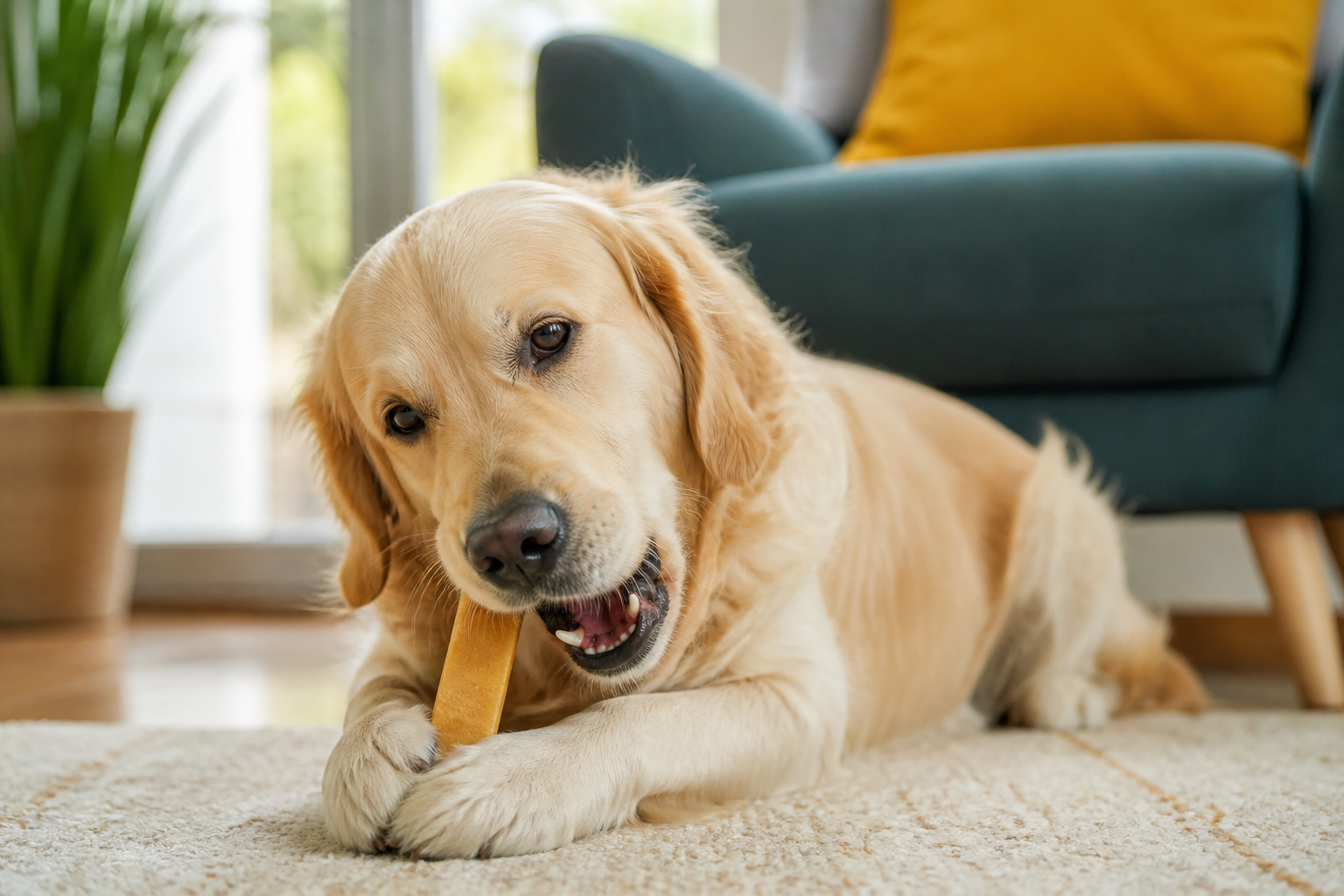
If you are a dog owner, you probably know the struggle of keeping your pet’s teeth clean. Many dogs shy away from toothbrushes. This often leads owners to search for natural alternatives that do the work for them. You might have seen hard, amber-colored blocks called yak cheese chews in our warehouse or online. These traditional Himalayan treats have gained a massive following because they are long-lasting and made with very few ingredients. But can a piece of hard cheese really improve your dog’s oral hygiene? This article will look at how yak cheese interacts with plaque and tartar. We will also discuss safety tips for different chewing styles. Yak cheese can be an effective tool for dental health when you use it correctly as part of a broader care routine.
Quick Answer: Yes, yak cheese chews help clean a dog's teeth through mechanical abrasion. As your dog gnaws on the hard surface, the chew scrapes away plaque and tartar buildup. The cheese also softens with saliva to provide a gentle flossing effect.
What Exactly Is a Yak Cheese Dog Chew?
Yak cheese chews, often called Himalayan dog chews, have a history that goes back centuries. People in the Himalayan mountains originally made this hard cheese for human consumption. It served as a long-lasting source of protein that could survive harsh conditions. Today, we offer these same traditional recipes to dogs because they provide a healthy outlet for their natural urge to chew.
The recipe is remarkably simple. Most high-quality brands use just four ingredients: yak milk, cow milk, lime juice, and salt. The milk is boiled and then curdled using the lime juice. The solids are separated, wrapped in cloth, and pressed to remove moisture. Finally, the blocks are smoke-dried for several weeks. This process creates a texture that is incredibly dense. It is much harder than your average kitchen cheese.
Because they are cured for so long, these chews are very low in lactose. The fermentation and drying process removes most of the milk sugars. This makes them a safe option for many dogs that usually have trouble digesting dairy. They are also grain-free and gluten-free. You can explore our Himalayan chews selection for different options.
How Yak Cheese Cleans Teeth
The primary way yak cheese cleans a dog’s teeth is through mechanical action. Unlike humans, dogs do not have the manual dexterity to brush. They rely on the physical friction of their food and toys to keep their teeth surfaces smooth.
Mechanical Abrasion
When your dog bites down on a yak chew, the hard surface rubs against the enamel. This friction acts like a mild abrasive. It helps to scrape away soft plaque before it has a chance to harden into tartar. Tartar, or calculus, is much harder to remove once it sets. By providing a regular chewing session, you are helping to keep the teeth cleaner on a daily basis.
The Saliva Softening Effect
One unique feature of yak cheese is how it reacts to moisture. As your dog chews, their saliva begins to soften the edges of the block. This creates a slightly pliable surface. As the teeth sink into this softened cheese, the material rubs against the sides of the teeth and near the gum line. Some experts describe this as a flossing action. It reaches areas that a simple hard biscuit might miss.
Increased Saliva Production
The act of sustained chewing triggers the production of saliva. Saliva is a natural defense mechanism for a dog’s mouth. It contains enzymes that help break down food particles. It also helps to wash away debris and neutralize the acids produced by bacteria. By encouraging your dog to chew for 15 to 20 minutes, you are boosting their mouth’s natural self-cleaning process.
Key Takeaway: Yak cheese chews work by physically scraping plaque from the tooth surface and using the dog's own saliva to create a deep-cleaning friction.
Nutritional Benefits for Oral Health
Yak cheese is not just a tool for cleaning. It also provides nutrients that support the physical structure of the mouth. A healthy mouth requires strong bones and healthy gum tissue to hold teeth in place.
- High Protein Content: These chews are packed with high-quality protein. Protein is essential for maintaining the integrity of gum tissue.
- Rich in Calcium: Calcium is a building block for strong teeth and jawbones.
- Essential Fatty Acids: Yak milk contains omega-3 fatty acids. These can help manage inflammation in the gums.
- Low Fat: Unlike some animal ears or hides, yak cheese is relatively low in fat. This makes it a better option for dogs watching their weight.
Safety Guidelines for Hard Chews
While yak cheese is excellent for cleaning teeth, it is also very hard. This hardness is what makes it effective, but it also means you must use caution. Not every dog is a good candidate for these chews. You should always monitor your dog during their chewing sessions to ensure they are using the product safely.
The Thumbnail Test
Veterinarians often suggest the thumbnail test for dog toys. If you press your thumbnail into a chew and it does not leave a mark or have any give, it might be too hard for some dogs. Yak cheese is very firm. Because of this, it is best suited to adult dogs with strong, healthy teeth.
Knowing Your Dog's Chewing Style
Is your dog a “gnawer” or a “gulping” chewer? Gnawers take their time. They use their back molars to slowly wear down the chew. This is the ideal style for yak cheese. Aggressive chewers who try to crack the chew in half with one bite are at a higher risk. They could potentially chip a tooth if they apply too much force.
Age Considerations
Puppies with baby teeth should usually avoid very hard chews. Their teeth and jaws are still developing. Similarly, senior dogs with thinning enamel or existing dental issues might find yak cheese too demanding. If you have an older pet, check their mouth for any loose teeth before giving them a hard treat. For additional puppy chewing ideas, read our guide to puppy teething toys.
Vet Tip: If your dog has a history of dental fractures or visible gum disease, consult your veterinarian before introducing hard chews. Our dog healthcare selection includes products for supporting your pet’s broader wellness routine.
Choosing the Correct Size
Size selection is the most important factor for safety. A chew that is too small can be swallowed whole. A chew that is too large might be frustrating for a small dog to handle.
| Dog Weight | Recommended Chew Size |
|---|---|
| Under 15 lbs | Small |
| 15 to 30 lbs | Medium |
| 30 to 65 lbs | Large |
| Over 65 lbs | Extra Large or Jumbo |
Always look at the length and width of the chew. It should be large enough that your dog cannot fit the entire piece in their mouth at once. If you are between sizes, it is always safer to choose the larger option. A larger chew provides more surface area for cleaning those back molars.
The Microwave Trick: Zero Waste and Safe Ending
One common concern with any edible chew is the “nub.” This is the small end piece that is left over after hours of chewing. When the piece gets small enough to fit entirely inside your dog's mouth, it becomes a choking hazard. You should take it away immediately.
The great thing about yak cheese is that you do not have to throw this piece away. You can turn it into a safe, crunchy treat.
Step-by-Step: Making a Yak Cheese Puff
Step 1: Remove the small nub. Take the small piece away from your dog once it poses a swallowing risk.
Step 2: Soak in water. Place the piece in a bowl of warm water for about five to ten minutes.
Step 3: Microwave the piece. Put the damp nub in the microwave for 45 to 60 seconds. It will expand and puff up like a giant piece of popcorn.
Step 4: Cool completely. Let the puff cool down for at least ten minutes. It will be light, airy, and crunchy.
This puffed version is much softer. It is safe for your dog to crunch and finish. It also provides a different texture that helps clean the teeth in a new way.
Comparing Yak Cheese to Other Popular Chews
There are many options on the market for dental health. Understanding how yak cheese compares to them can help you make the best choice for your household. You can also browse our dog treats category for other chew and treat options.
Yak Cheese vs. Bully Sticks
Bully sticks are very popular because they are fully digestible and high in protein. However, they tend to be softer and disappear much faster than yak cheese. Bully sticks also have a very strong odor that some owners find unpleasant. Yak cheese is virtually odorless and lasts much longer. This makes it better for sustained plaque removal.
Yak Cheese vs. Rawhide
Rawhide is often criticized because it can be difficult to digest. It can also be treated with harsh chemicals during processing. Yak cheese is a much more natural alternative. It breaks down more easily in the stomach and does not contain the bleaches often found in cheap rawhide. For more chew ideas, read our guide to rawhide-free dog chews.
Yak Cheese vs. Antlers
Antlers are even harder than yak cheese. They do not soften with saliva. While they are very durable, they carry a much higher risk of causing tooth fractures. Yak cheese offers a middle ground. It is hard enough to clean but has that saliva-softening property that makes it slightly more forgiving.
- Yak Cheese: Long-lasting, low odor, softens with saliva.
- Bully Sticks: High protein, high odor, shorter lifespan.
- Antlers: Extremely durable, high risk of tooth chips, no softening.
- Rawhide: Cheaper, harder to digest, often contains chemicals.
Behavioral Benefits of Chewing
Beyond dental hygiene, chewing serves an important mental purpose for dogs. Dogs are biologically programmed to chew. It is a way for them to explore their world and relieve stress.
When a dog chews on a yak cheese block, their brain releases endorphins. These are “feel-good” chemicals that help the dog feel calm and relaxed. This is why many owners give their dogs a chew during thunderstorms or when guests come over. It provides a healthy distraction and helps the dog self-soothe.
A bored dog is often a destructive dog. If you do not provide a safe outlet for chewing, your pet might turn to your shoes or furniture. Yak cheese provides hours of engagement. This mental stimulation is just as important for their well-being as the physical cleaning of their teeth.
The Role of Professional Care
It is important to remember that no chew can replace professional veterinary care. While yak cheese is a useful supplement, it is not a cure for established dental disease.
You should check your dog's mouth regularly for signs of trouble. Look for very red gums, persistent bad breath, or any discoloration on the teeth. If your dog is dropping food or pawing at their mouth, they may have a painful tooth. For more warning signs, read our guide to recognizing dental problems in dogs.
We recommend a multi-pronged approach to dental health:
- Daily brushing with pet-safe toothpaste.
- Regular use of dental chews like yak cheese or Greenies.
- Annual dental checkups with your veterinarian.
- Professional cleanings under anesthesia when recommended by your vet.
If your vet identifies a need for daily dental support through a specific diet, we can help. Our selection includes prescription and veterinary diet foods from brands such as Royal Canin and Farmina Vet Life. Having a professional resource makes managing chronic dental issues much easier for you and your pet.
Conclusion
Yak cheese chews are a practical and natural way to support your dog’s oral health. They offer a unique combination of mechanical cleaning and nutritional support. By scraping away plaque and encouraging healthy saliva flow, they help keep your dog's breath fresher and their teeth whiter. Always remember to choose the right size for your dog and supervise their chewing time. When the chew gets small, use the microwave trick to keep things safe.
Bottom line: Yak cheese is a durable, low-odor, and highly effective dental aid that provides both physical cleaning and mental enrichment for most adult dogs.
If you are ready to start a better dental routine for your dog, we have everything you need to get started. You can browse our wide selection of yak cheese chews and dental toys in our dog treats collection. Don't forget to join the MVP Rewards programme to earn points on eligible purchases. If you find a brand your dog loves, you can set up our Autoship programme to save and ensure you never run out of your pet’s favorite chews.
FAQ
Can yak cheese chews cause diarrhea in dogs?
Most dogs handle yak cheese very well because the long curing process removes most of the lactose. However, any new treat can cause mild digestive upset if introduced too quickly. Start with short chewing sessions of 10 to 15 minutes to see how your dog's stomach reacts before allowing longer sessions.
Are yak cheese chews safe for puppies?
Puppies usually have very sharp but fragile milk teeth. Yak cheese is often too hard for puppies under six months old and could cause a tooth to break. It is usually better to wait until your puppy has their permanent adult teeth before introducing these very dense chews.
How long should a yak cheese chew last?
The lifespan of a chew depends entirely on your dog's size and how aggressively they chew. For a moderate chewer, a large block can last for several days or even a week of intermittent sessions. Power chewers may finish a block in a single afternoon, so always monitor the size of the chew.
Do yak cheese chews stain carpets or furniture?
One of the best things about yak cheese is that it is very clean. Unlike raw bones or some dyed dental treats, yak cheese does not leave a greasy residue or bright stains. It might leave a few small dry crumbs as your dog gnaws, but these are easy to vacuum up and do not ruin fabrics.






