
 Save 15% on your 1st Autoship learn more

 Email us
 Live Chat
 FAQs




Introduction
A puppy under the Christmas tree may sound like a lovely surprise, but the person receiving that puppy will have responsibilities long after the decorations come down. A dog needs daily care, veterinary visits, training and a place in the household for years to come.
A dog can be a wonderful Christmas present when the recipient has already decided they want one and everyone involved is prepared. The better surprise is often a dog-themed gift that lets them take part in choosing their companion.
At BaxterBoo, we want the excitement of a new dog to come with a practical plan. Before you choose a puppy or an adult dog, talk about the recipient’s schedule, budget, home and preferences. The best gift gives both the person and the dog a good start.
Should You Give a Dog as a Christmas Present?
Give a dog as a Christmas present only when the future owner has clearly said they want one and is ready to care for one. A general love of dogs, or a comment about wanting one someday, isn’t enough to make that decision for someone else.
Even if you plan to pay for the dog, the recipient takes on the daily work and most of the long-term decisions. They should be able to choose the dog, meet them and decide when they’re ready to bring them home.
Christmas can be a good time for some households. Time away from work or school may make it easier to settle a dog in. For others, travel, guests and a packed schedule make a quieter date after the holidays a better choice.
Before making plans, check that:
- The recipient wants a dog now, not just at some point in the future.
- Everyone who shares the home agrees to the addition.
- The household has time for feeding, walks, training and companionship.
- The future owner can manage routine and unexpected expenses.
- Housing rules allow a dog that fits the household’s plans.
If you’re unsure about any of these points, give a present that starts the conversation rather than bringing home a dog.
Holiday Dog Toys


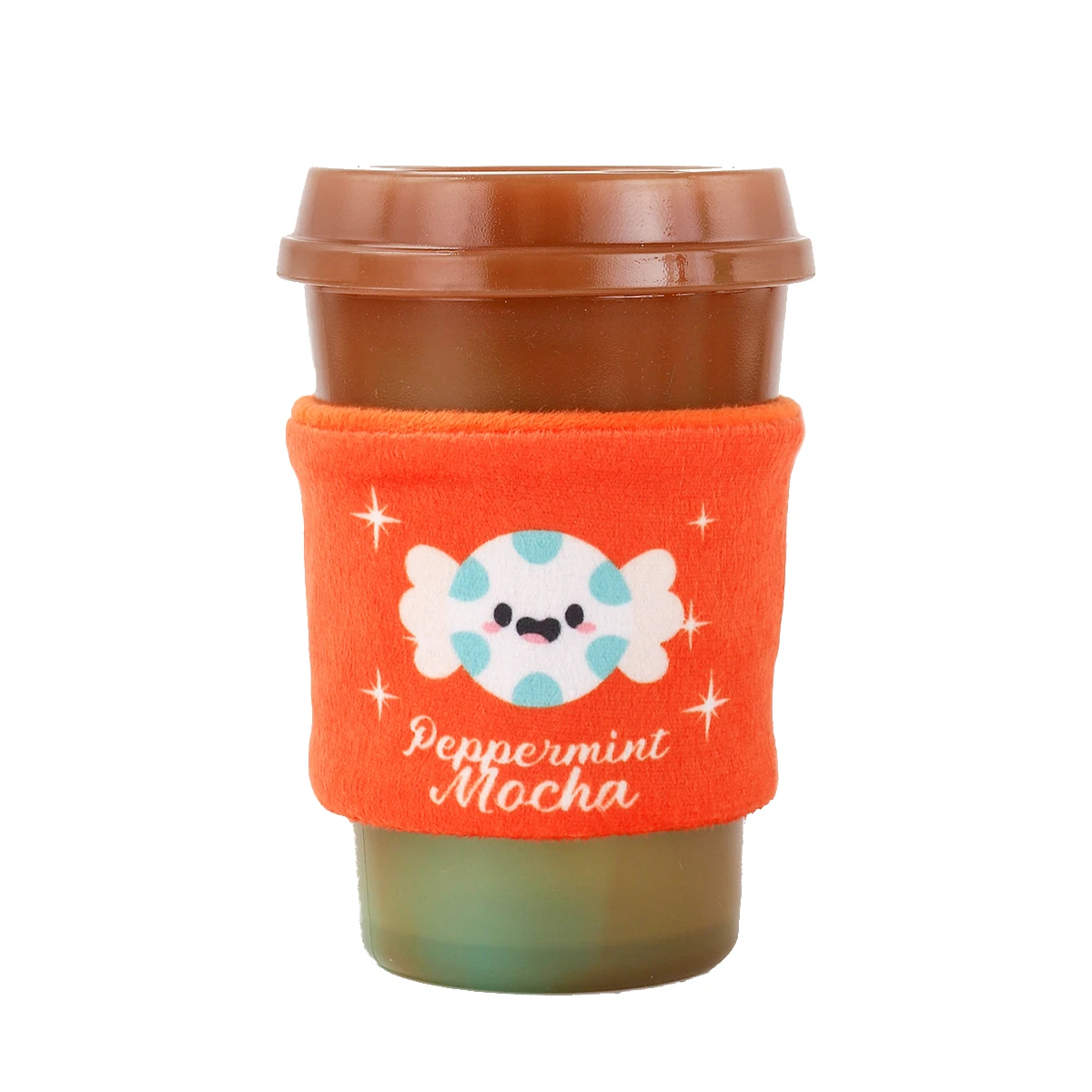



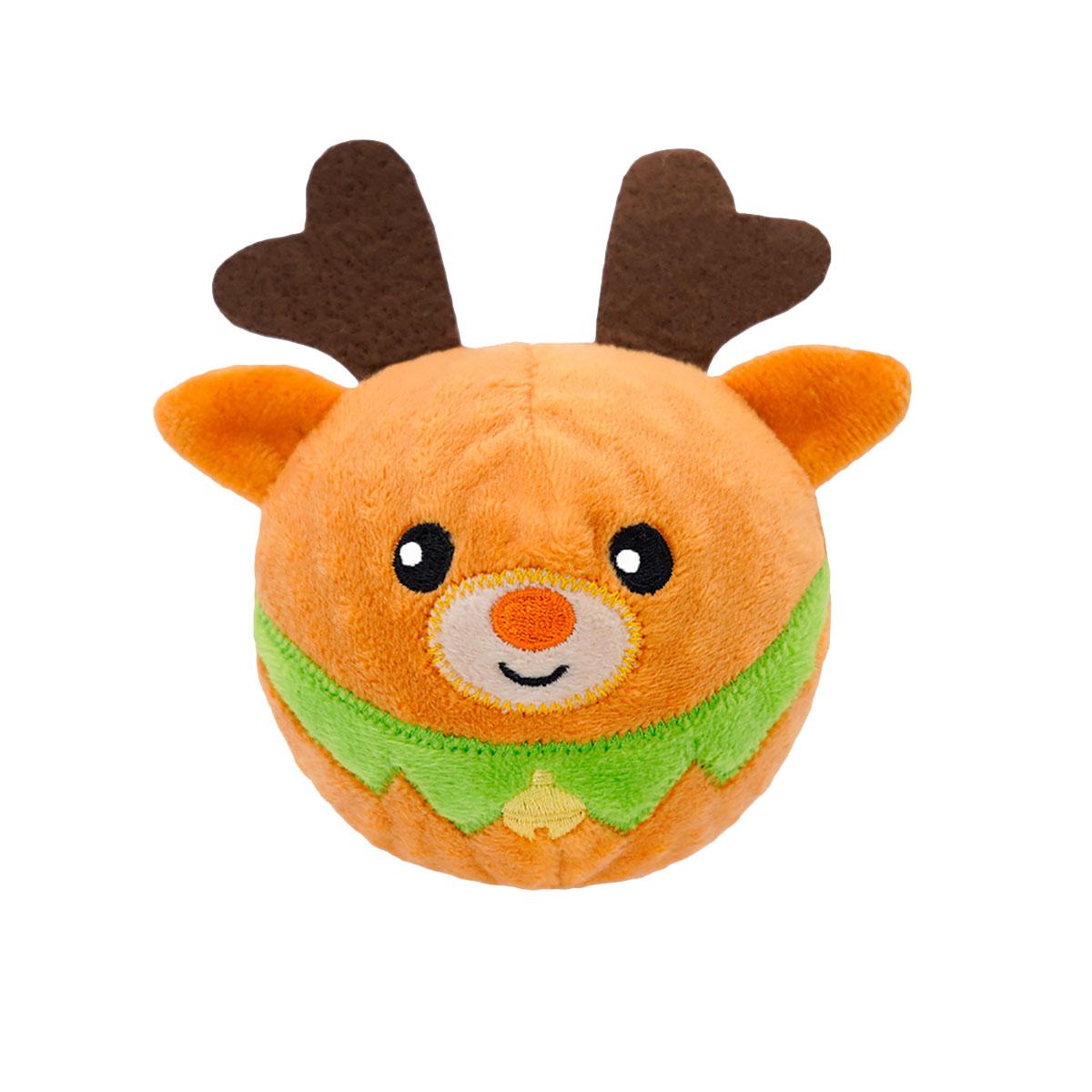


Give the Experience Without Surprising Someone With a Dog
You can still make Christmas morning special without choosing the dog in advance. Wrap a dog toy, a washable blanket or a pair of bowls, then include a note offering to help the recipient find a dog together.
Keep the offer flexible. The recipient may want to visit a shelter, meet several dogs or wait until their schedule changes. Let them know it’s fine to say no or take their time.
Here are a few ways to make the gift practical:
- Offer to help with adoption costs. Agree on what you’ll contribute before the recipient makes a commitment.
- Put together a starter basket. Choose useful basics that don’t require an exact size, such as bowls and waste bags.
- Plan a visit together. Ask a local shelter or rescue about its process before making plans.
- Offer your time. Help prepare the home or accompany the new owner when they shop for supplies.
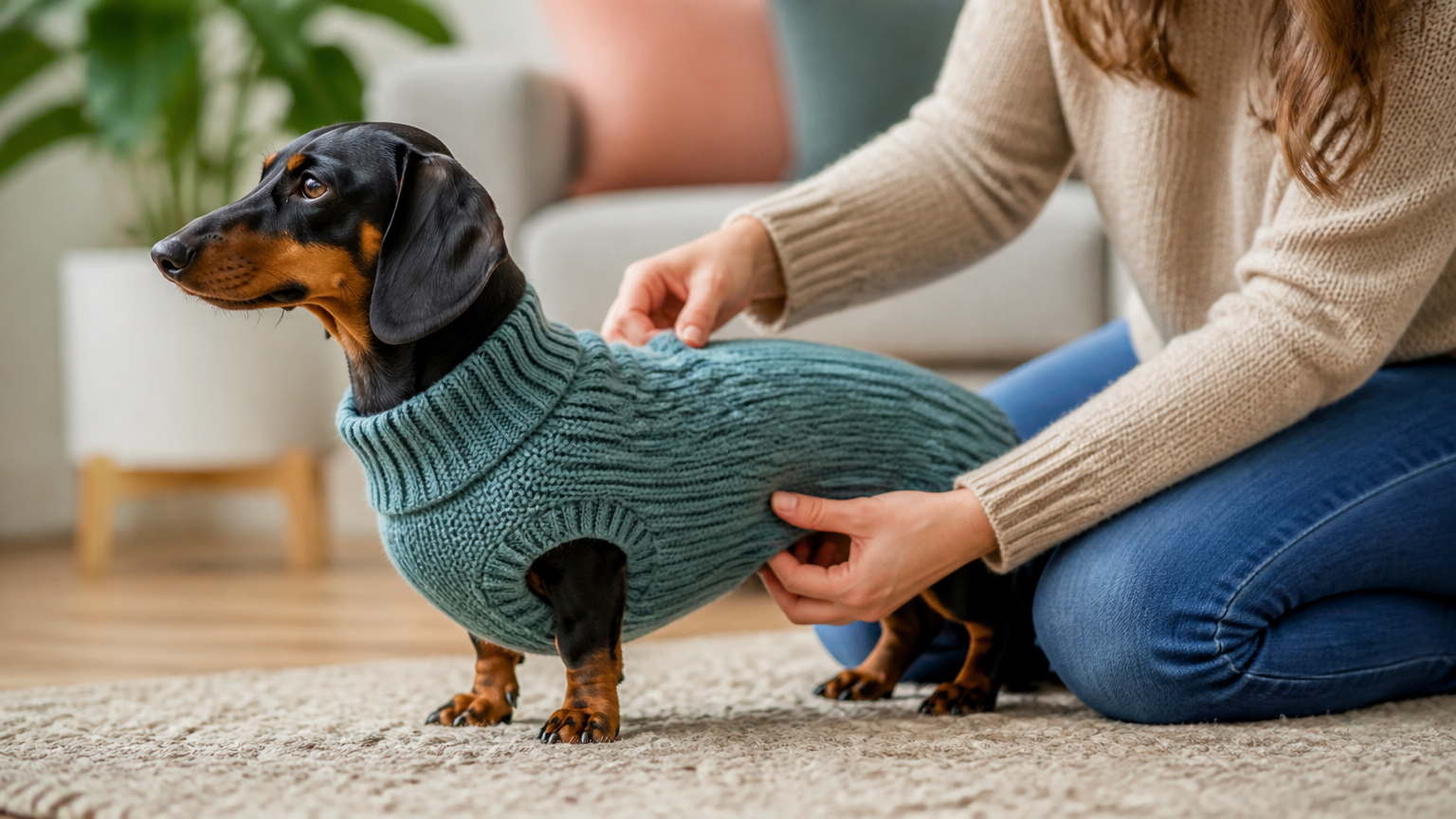
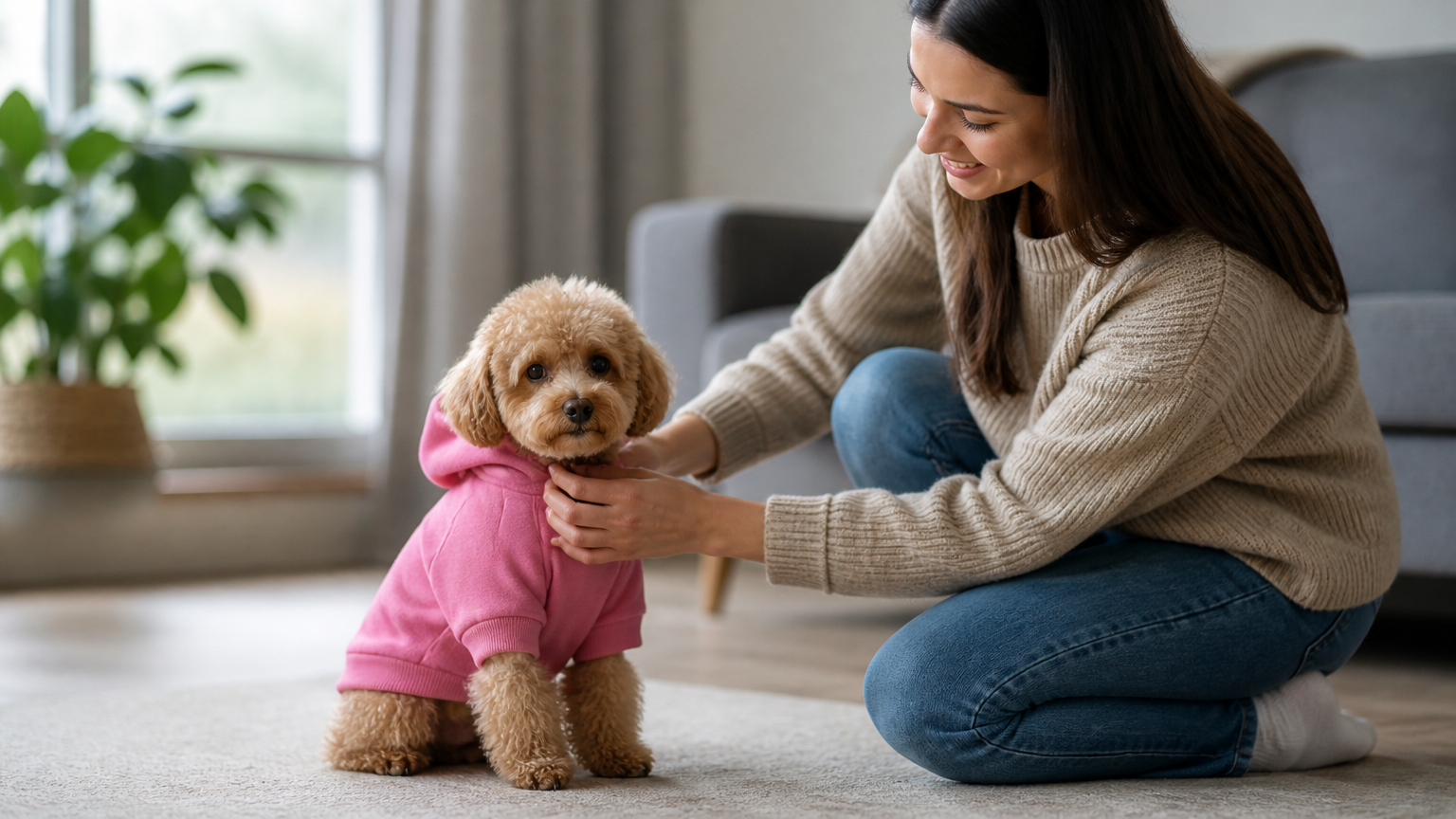
Hold off on fitted gear until the dog has been chosen. A harness that suits one puppy may not fit another, and an adult dog needs different sizing. Check the dog’s measurements and the manufacturer’s size chart before buying.
Never wrap a dog in a box or leave one waiting under the tree. If the household has already chosen a dog, arrange a calm arrival instead of making the dog part of a staged surprise.
Talk Through the Everyday Commitment
The most useful conversation happens before anyone falls in love with a particular dog. Start with an ordinary weekday, then consider weekends, vacations and unexpected changes.
Time and care
A dog needs more than a walk when everyone has free time. Someone must plan meals, bathroom breaks, exercise, training, grooming and veterinary visits around the household’s actual schedule.
Ask who will take the dog out on a cold morning, who can come home during a long workday and who will arrange care during a trip. Puppies may need especially frequent attention while they learn the household routine. Adult dogs need time to settle in and learn expectations, too.
Think about the years ahead as well. A move, a new work schedule or a change in family circumstances can affect the care a dog needs. No one can predict everything, but a backup plan makes the commitment more realistic.
Costs beyond Christmas
The initial adoption or purchase cost is only one part of the budget. The future owner should also consider food, treats, supplies, grooming, training, routine veterinary care and unexpected veterinary expenses.
A gift contribution can help, but be clear about its limits. If you’re offering to cover an adoption fee or a set of supplies, explain that before the recipient agrees to bring a dog home. Don’t assume they can take on costs they haven’t planned for.
Housing and other household members
Check a lease, building rules or other housing requirements before choosing a dog. Consider the space available for sleeping, eating and taking breaks from household activity. A small home can work for some dogs, but the dog’s exercise needs and the household’s routine still matter.
If other pets live in the home, ask the shelter, rescue or other source what is known about the dog’s experience with them. Plan introductions carefully and be prepared to give each animal separate space. Don’t assume every dog will immediately enjoy living with another pet.
Key Takeaway: A good match starts with the life the recipient actually has, not the routine they hope to build after Christmas.
Choosing a Dog Together
Once the household is ready, let the future owner lead the search. Size and appearance can be part of the decision, but daily needs and temperament deserve more attention.
Talk about how much exercise and grooming the household can reasonably provide. Consider how the dog may fit with children, visitors and other animals. Ask what the dog’s current caregivers have observed, while recognizing that behavior may change as a dog settles into a new home.
Puppy or adult dog?
A puppy can appeal to a family that wants to raise a dog from an early age. That also means planning for house-training, close supervision, chewing and ongoing training. An adult should be ready to handle those jobs even if the puppy is intended as a child’s gift.
An adult dog may already have some skills, and a shelter or foster caregiver may be able to share observations about the dog’s personality and routine. Still, an adult dog will need patience and may need help learning new household habits.
A senior dog may be a good fit for someone who prefers an older companion. Ask about known care needs and arrange a veterinary visit so the owner can discuss a plan for that individual dog.
| Consideration | Puppy | Adult or senior dog |
|---|---|---|
| Daily routine | Often needs frequent supervision and training | Needs time to settle in and learn the new routine |
| Size | May still be growing | Adult size is generally easier to assess |
| Background | Early habits are still developing | Caregivers may be able to share known habits and care needs |
Neither age is automatically easier or better. Choose the individual dog whose needs fit the home.
Questions to ask before committing
A shelter, rescue or breeder should welcome thoughtful questions. Ask about the dog’s known history, daily routine, veterinary records and any care needs they’re aware of. Find out what support or guidance is available if the placement doesn’t work out.
If you’re considering a breeder, ask to see where the dogs are raised and learn about the parents and their care. Take time to review the information and avoid anyone pressuring you to decide before you’re comfortable.
Use this checklist during your search:
- Ask how the dog spends a typical day.
- Discuss the dog’s known experience with children and other animals.
- Request available health and veterinary records.
- Ask about current food and feeding routines.
- Make sure the future owner has time to meet the dog and ask questions.
Plan a Calm Homecoming
The best arrival day is one when someone can focus on the dog. If Christmas Day means a full house and hours away from home, consider bringing the dog home after the celebrations.
Choose a quiet area where the dog can rest without being approached constantly. Set out water and a comfortable place to sleep. Have the dog’s current food available, and ask the shelter, rescue or previous caregiver about the existing feeding schedule.
Step 1: Prepare the space
Put away accessible cords, decorations, gift wrap, ribbons and household items the dog might chew. Keep holiday food and drinks out of reach. Check that doors, gates and fences are secure before the dog arrives.
Step 2: Arrange the essentials
Have bowls, a leash, an appropriately fitted collar or harness, identification, waste bags and a sleeping area ready. Choose toys that suit the dog’s size and chewing habits, and supervise use while you learn how the dog plays.
Step 3: Keep the first day quiet
Give the dog time to explore a small area and find their resting place. Let them approach people at their own pace rather than passing them from guest to guest.
Step 4: Begin a simple routine
Offer meals, bathroom breaks, rest and gentle interaction on a predictable schedule. Use short, positive training sessions and reward the behaviors you want to see. Accidents and uncertainty can happen while a dog adjusts, so respond patiently rather than punishing them.
Step 5: Arrange veterinary care
Contact a veterinarian soon after the dog comes home. Share the records you received and ask about an appropriate examination, nutrition, vaccinations and preventive care for that dog.
Vet Tip: Ask your veterinarian which outings and interactions are appropriate for your new dog, especially if you’re bringing home a puppy whose vaccination plan is still underway.
If the dog becomes ill or you think they may have swallowed something unsafe, contact a veterinarian promptly. For severe symptoms or an emergency, seek urgent veterinary care.
Helping Children Welcome a Christmas Dog
A dog can be a family companion, but an adult should be the primary caregiver. Before Christmas, agree on who will handle meals, veterinary appointments, training and supervision. Children can help with age-appropriate tasks when an adult is available to guide them.
Teach children to let the dog rest and to avoid taking food or toys away. Supervise interactions, including with a dog who seems friendly, and give the dog a place to move away when they need a break.
If the dog is a surprise for the children, the adults should still make the decision together in advance. You can tell the children about the plan on Christmas, then involve them in preparing for and meeting the dog without rushing the choice.
A Christmas Gift That Makes Room for the Right Dog
A dog can be a meaningful Christmas present when the future owner chooses the commitment as well as the companion. Make the holiday about preparation, and let the dog come home when the household is ready.
- Confirm that everyone involved wants a dog and understands the care required.
- Give the recipient a say in choosing the individual dog.
- Plan for costs, daily responsibilities and a calm arrival.
Key Takeaway: The date matters less than finding a dog whose needs fit the household.
When you’re ready to prepare, explore BaxterBoo’s puppy shop or dog supplies for the essentials your new companion will need.
FAQ
Is it a bad idea to give a dog as a Christmas present?
Not necessarily. A dog can be a thoughtful gift when the recipient has clearly agreed, the household is prepared and the future owner helps choose the dog. Avoid surprising someone with the responsibility of a live animal.
Should I give a puppy or an adult dog?
Choose based on the recipient’s time, preferences and experience rather than age alone. Puppies need close supervision and training, while adult dogs also need patience as they adjust to a new home.
What can I give instead of a surprise puppy?
Wrap a toy, bowls or another useful supply with a note offering to help the recipient find a dog. You can also offer to contribute toward adoption costs or accompany them on a shelter visit, without setting a deadline.
Is it better to bring a dog home after Christmas?
It can be if the holiday is busy or the household will be traveling. Choose a time when someone can focus on the dog, establish a routine and keep the first few days calm.



- Site & Contents BaxterBoo.com. BaxterBoo is located in the United States.
- Privacy & Security
- Terms of Use
- Accessibility Statement
