
 Save 15% on your 1st Autoship learn more

 Email us
 Live Chat
 FAQs





Introduction
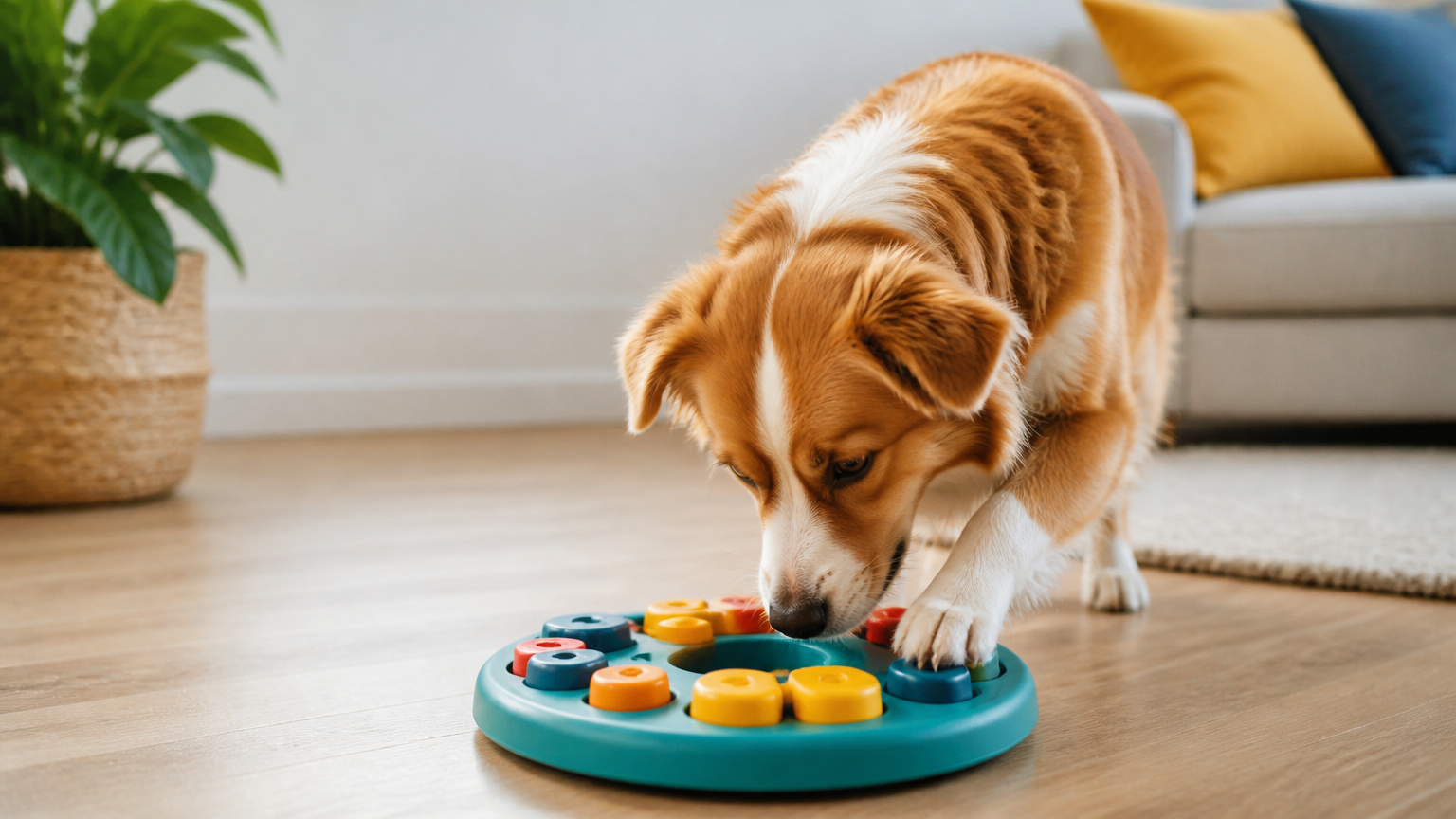
Your dog has a basket of toys, but still nudges you for something to do. A dog enrichment toy gives them a different kind of activity: sniffing out food, moving a puzzle piece or figuring out how to release a treat.
At BaxterBoo, we think the best choice starts with your dog’s play style, not the difficulty rating on the package. A curious puppy, a senior dog and a powerful chewer may all enjoy puzzles, but they need different sizes and materials. The right toy should be manageable, rewarding and suited to how your dog uses their mouth and paws. Start with an easy challenge, watch your dog play and adjust from there.
What Does a Dog Enrichment Toy Do?
An enrichment toy gives your dog an activity to investigate. A food puzzle might reward a nose nudge with a piece of kibble. A snuffle mat invites your dog to search through fabric, while a hollow toy lets them work at a soft filling.
These activities offer mental stimulation and can give a bored dog something engaging to do. They are one part of a routine that also includes walks, suitable exercise, rest and time with you. A puzzle does not need to occupy your dog for hours to be worthwhile.
Some enrichment items use food, while others hide smaller toys or invite a game with you. Pay attention to what your dog enjoys. A dog who loves sniffing may prefer a search game to a puzzle with sliding pieces.
Interactive and Treat Dog Toys








Which Dog Puzzle Toy Is Best?
There is no single best puzzle for every dog. For many beginners, we suggest starting with an appropriately sized, fillable rubber toy or a simple food puzzle. Both let you make the first attempt easy and see how your dog approaches the challenge.
| Toy type | How your dog uses it | A good fit for | What to check |
|---|---|---|---|
| Fillable rubber toy | Licks, nudges or mouths food out of an opening | Dogs who enjoy food and gentle chewing | Size, chew resistance and ease of cleaning |
| Rolling treat dispenser | Pushes or rolls the toy to release kibble | Dogs who like moving around for food | Opening size, floor space and whether the dog chews the dispenser |
| Sliding or lifting puzzle | Moves covers to uncover food | Dogs who enjoy a game with you nearby | Stability and any removable pieces |
| Snuffle mat | Sniffs through fabric to find food | Dogs who like searching with their nose | Whether the dog pulls or eats fabric |
| Lick mat | Licks a thin layer of food from grooves | Dogs who prefer a stationary activity | Whether the dog tries to chew the mat |
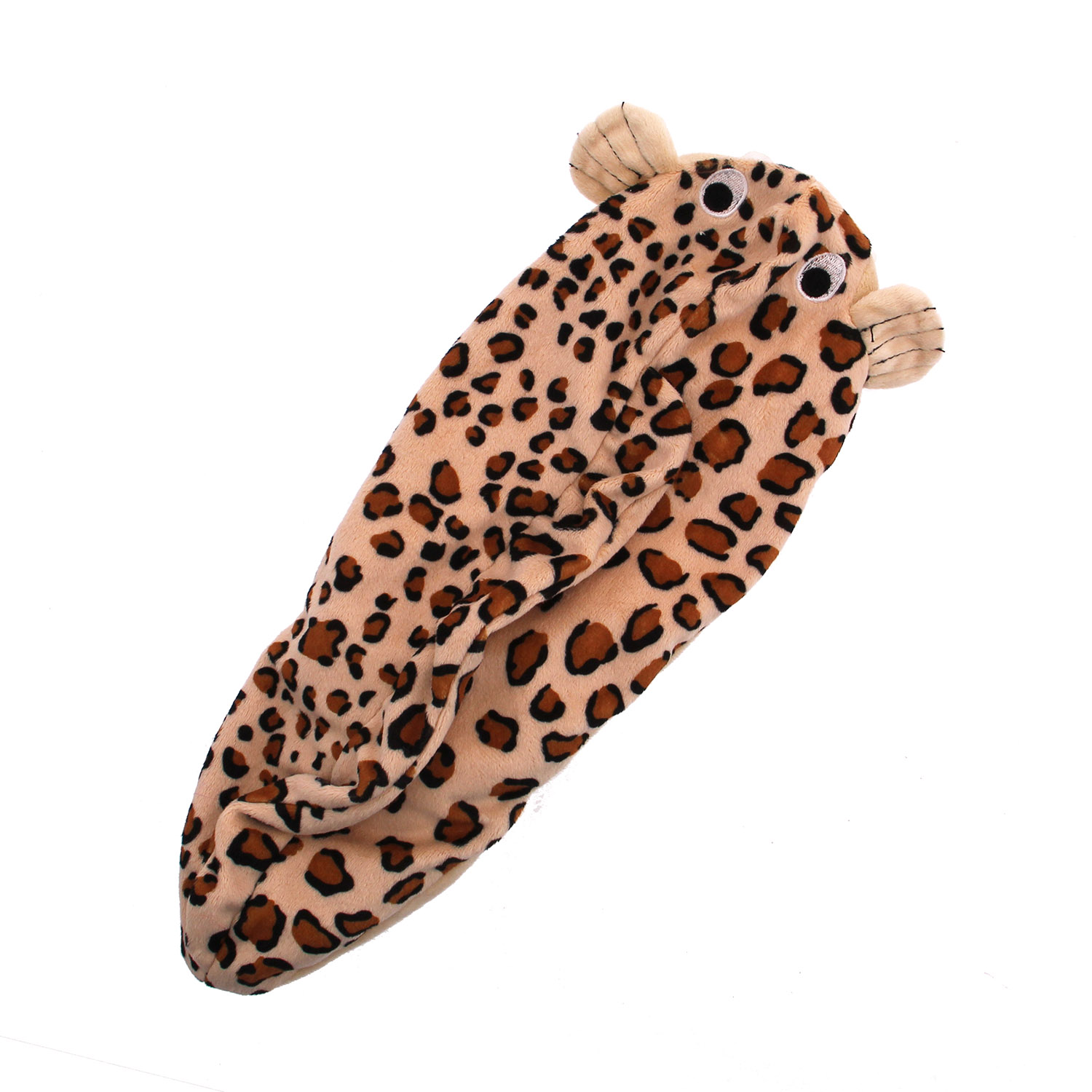
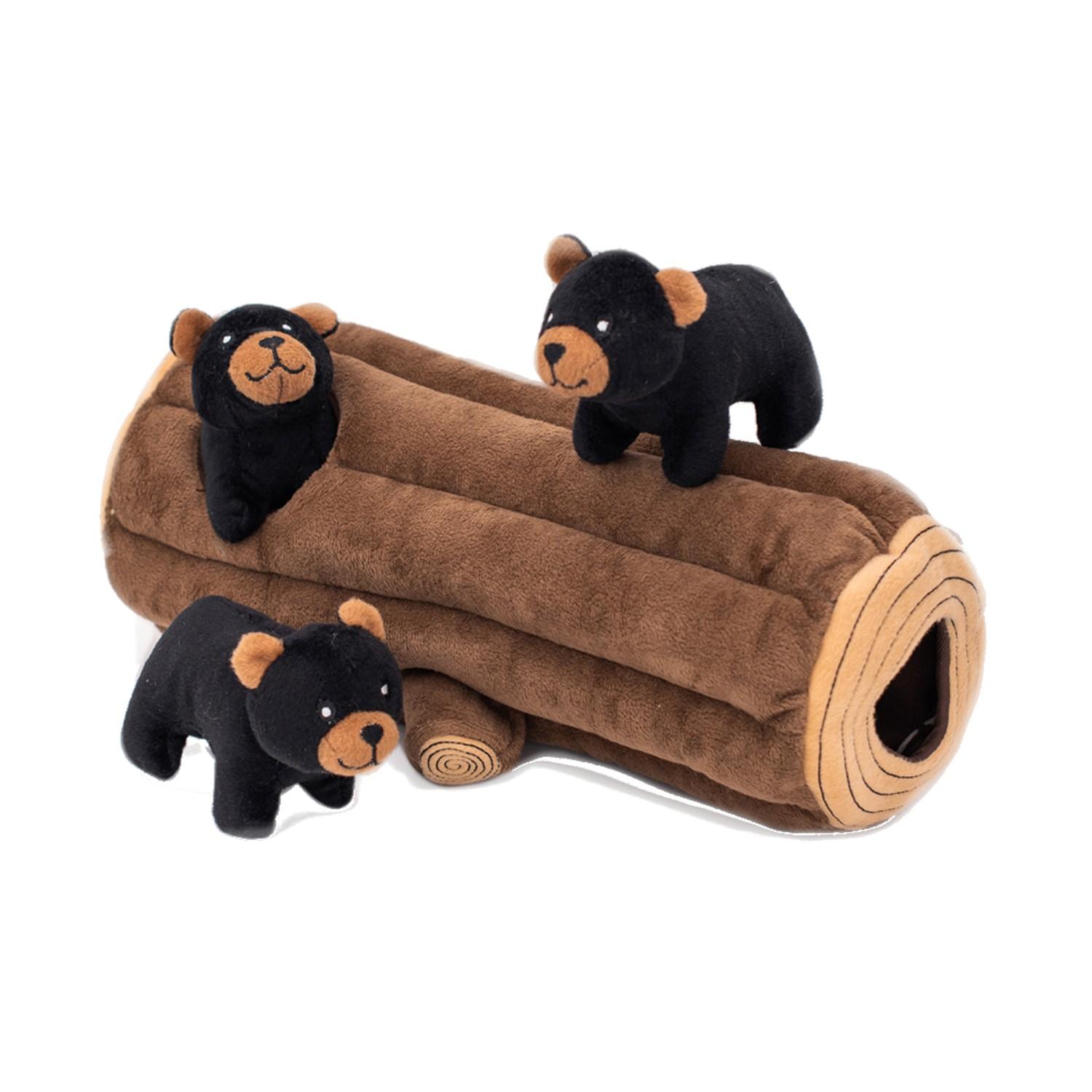
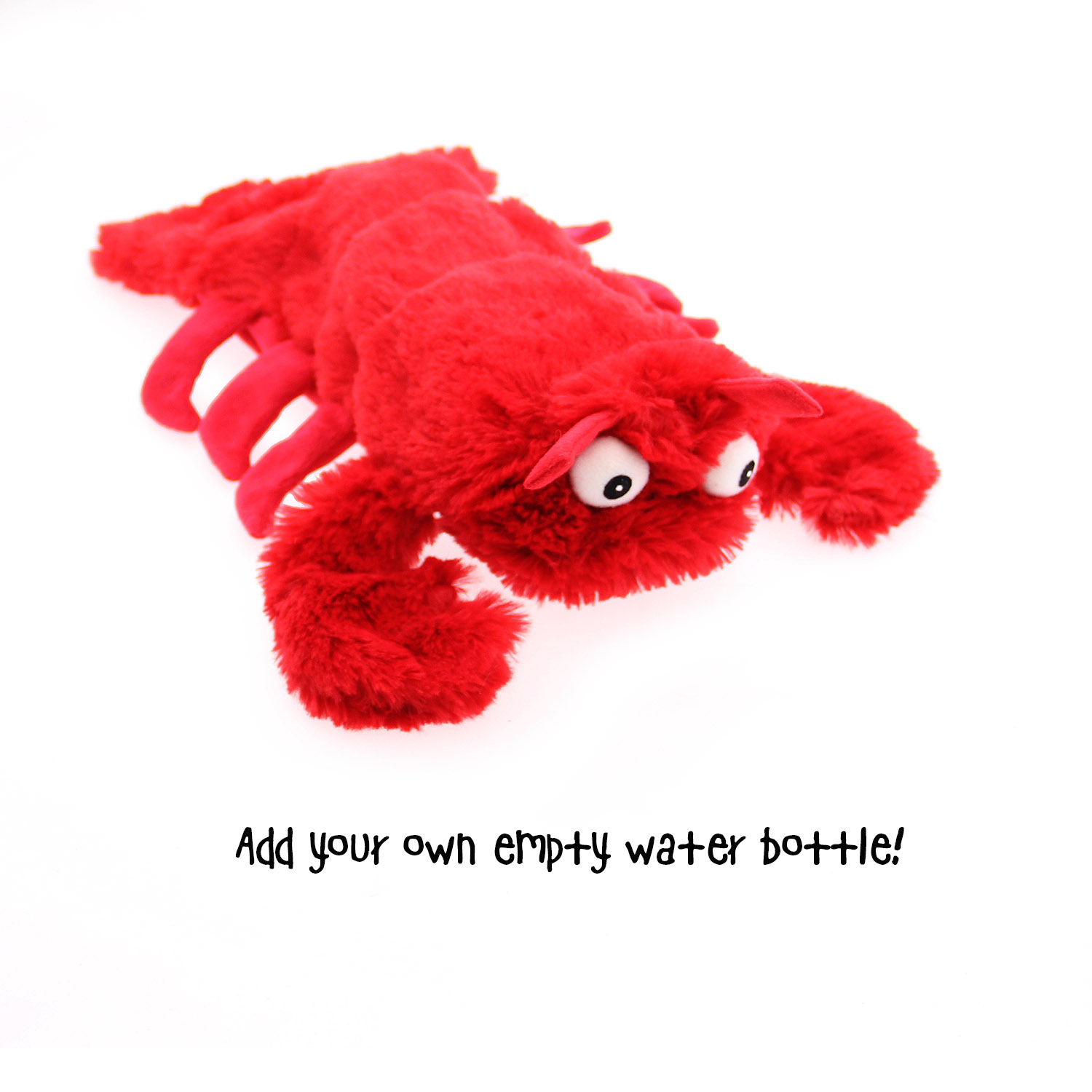
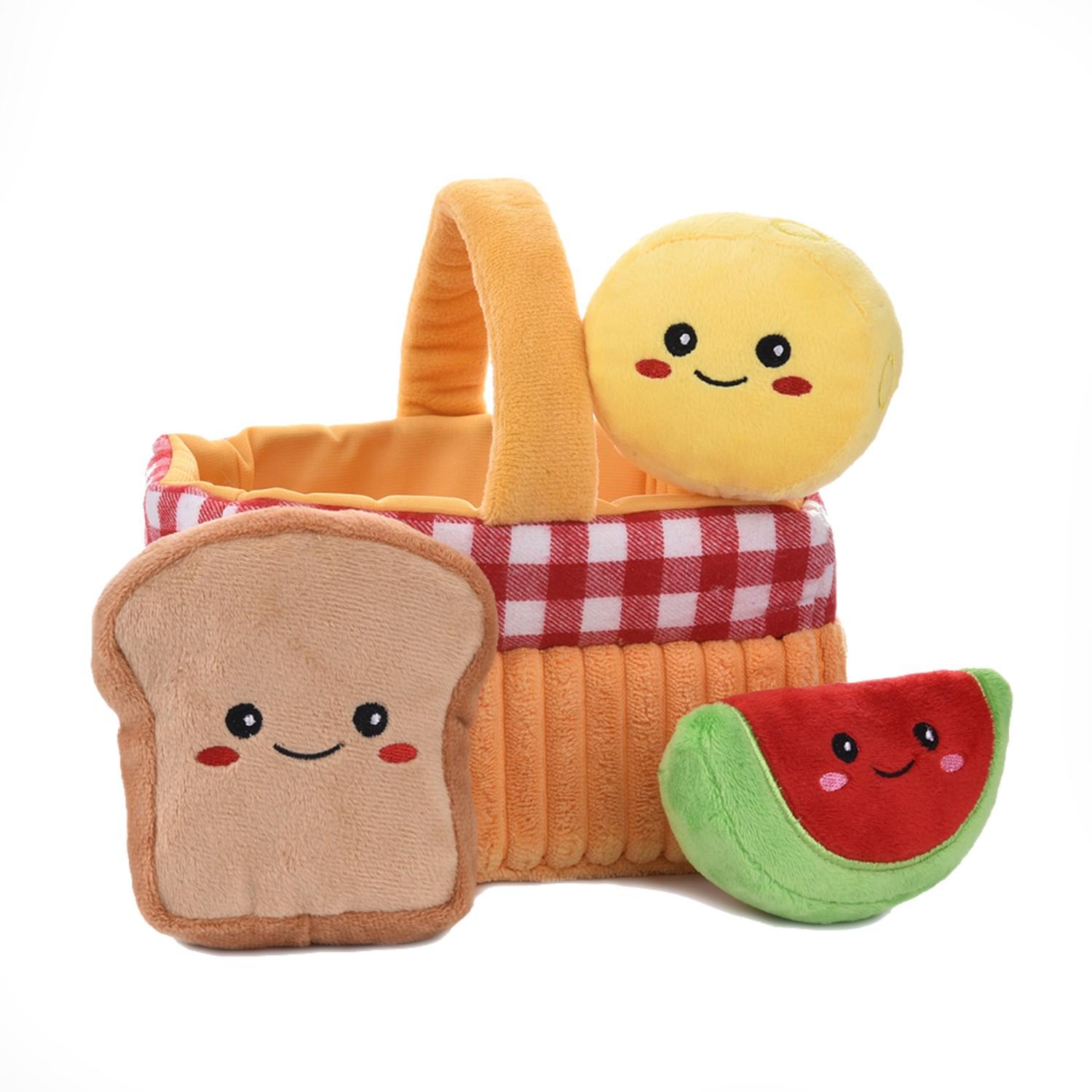
| Hide-and-seek plush toy | Pulls smaller toys from a larger toy | Gentle dogs who enjoy carrying plush toys | Seams, stuffing and small toy size |
A rolling dispenser needs room to move, so it may not be a good choice for a cramped space or a dog with mobility limitations. A stationary puzzle can work better on a nonslip surface. If your dog starts biting a board instead of moving its pieces, put it away and try a different style.
For a dog who enjoys food puzzles, consider how the pieces fit your dog’s nose and paws. Large dogs need openings they can reach without swallowing loose parts. Small dogs need covers or dispensers they can move without struggling.
Key Takeaway: Choose the activity your dog can enjoy safely, then adjust the difficulty. A more complicated puzzle is not automatically a better one.
Match the Toy to Your Dog
Puppies and Small Dogs
The best puppy puzzle is usually a simple one. Try a small, appropriately sized food toy with a few loose pieces of your puppy’s regular food. Let your puppy discover that moving the toy makes food appear before making the game harder.
A toy poodle puppy may need a lighter puzzle than a larger puppy, but the toy still must not be small enough to swallow. Check the manufacturer’s size guidance and watch how your puppy carries and chews it. Puppies grow, so reassess the fit as they get bigger.
Keep sessions brief and positive. If your puppy loses interest or starts pulling at pieces, end the game and try an easier setup later.
Large Dogs and Strong Chewers
A large dog enrichment toy needs to suit both the dog’s mouth and the way they play. A small ball or detachable puzzle piece can be a choking hazard for a big dog, even if the same piece works for a smaller dog. The American Kennel Club’s guide to homemade dog puzzles notes the importance of choosing balls that are not too small for the dog.
For an aggressive chewer, look for a sturdy food toy intended for strong chewing and sized for your dog. Introduce it while you watch. No toy is indestructible, and a dog who breaks off pieces needs a different activity.
A German shepherd might enjoy a large food dispenser, a scent game or a puzzle board during supervised play. Breed can help you think about activity preferences, but the individual dog’s size, chewing habits and interests matter more.
Border Collies and Dogs Who Like a Challenge
A border collie may enjoy a puzzle with sliding covers or a game that asks them to search for food. Start with an easy version even if your dog learns quickly. They first need to understand how that particular toy works.
Once your dog succeeds, you can hide food under more covers or use a dispenser that takes more nudging. You can also vary the game by hiding a favorite toy while your dog waits nearby, then letting them search for it. The aim is an enjoyable challenge, not frustration.
Senior Dogs
Senior dogs can enjoy puzzles too. A stationary lick mat, a shallow food puzzle or an easy scent game may be more comfortable than a toy that rolls across the room.
Make food easy to reach and place the activity on a surface where your dog has good footing. If chewing seems uncomfortable, your dog drops food or their interest in play changes suddenly, ask your veterinarian to check for a cause.
How to Introduce a Food Puzzle
Step 1: Choose a familiar reward. Use a portion of your dog’s regular kibble or a food your dog already tolerates. If your dog eats a prescribed diet or has food restrictions, ask your veterinarian what is suitable.
Step 2: Make the first attempt easy. Place food where your dog can see or smell it. For a fillable toy, leave the pieces loose so a gentle nudge releases them.
Step 3: Watch and offer help. Stay nearby while your dog explores. If they give up, open a cover or roll the toy slightly to show how the food comes out.
Step 4: Add a little difficulty. Once your dog understands the game, partly cover the food or change how you fill the toy. Make one change at a time so you can tell what your dog handles comfortably.
Step 5: Clean and inspect the toy. Follow its care instructions, especially after using wet food. Check for cracks, loose parts and damaged fabric before the next session.
You can use part of a meal in a puzzle rather than adding a full meal’s worth of treats on top. This is useful for dogs who enjoy food games but need their portions managed. Keep fresh water available as usual.
If the food is too difficult to reach, your dog may abandon the toy or start chewing it instead. Loosen the filling or return to an easier game. A puzzle your dog can solve is more useful than one they cannot enjoy.
Can a Toy Help a Dog Stay Home Alone?
A familiar food toy may give some dogs an activity as you leave, but no toy is guaranteed safe for every dog without supervision. What is suitable depends on the dog, the toy and what happens when they use it. Some dogs try to swallow fabric, remove puzzle pieces or chew through rubber.
Start by watching your dog use any new toy over several sessions. Do not leave out a mat, plush toy, puzzle board or other item if your dog tears it apart or tries to eat pieces. If you cannot find an option you trust for your dog, leaving no toy is better than leaving a risky one.
Plan for the rest of your dog’s time alone too. A toy cannot provide a bathroom break, replace a walk or make an absence appropriate for a dog who is not ready for it.
Before leaving, consider:
- Has your dog used this exact toy without damaging it?
- Is it large enough that your dog cannot swallow it?
- Are there loose pieces, fabric or stuffing your dog might pull off?
- Will your dog have water, a comfortable resting place and needed bathroom breaks?
- Has your dog shown they can settle comfortably for the planned absence?
For a longer absence, arrange a suitable break or care from someone your dog knows. A camera can also help you see what your dog does after you leave, though it cannot intervene if a toy becomes dangerous.
What About Separation Anxiety and Heartbeat Toys?
Quick Answer: A puzzle or heartbeat toy may be enjoyable for an individual dog, but a toy alone is not a reliable treatment for separation anxiety. A dog who is distressed when left alone needs a plan that addresses the distress, not simply a more engaging toy.
A heartbeat toy is a soft toy with a simulated pulse. Some dogs may enjoy resting near one, while others ignore it or try to open it. If you try one, supervise your dog and follow the maker’s instructions for the electronic insert. Do not leave it with a dog who chews the fabric or could reach the insert.
Signs such as persistent barking, pacing, attempts to escape or destruction around departures are worth discussing with your veterinarian. A recording of what happens after you leave can help describe the behavior. Your vet can assess possible causes and help you find appropriate behavior support.
Vet Tip: If your dog appears distressed when alone, ask your veterinarian about a gradual separation plan and appropriate professional help. Avoid assuming that boredom is the only cause.
Puppy Crate Training Toys
A food toy can make a crate a pleasant place to visit during training. Choose one that fits your puppy’s current size and does not take up so much room that they cannot lie down comfortably. A simple fillable toy with a little familiar food is a practical place to start.
Step 1: Introduce the crate with the door open. Put the toy just inside and let your puppy choose to investigate it while you stay nearby.
Step 2: Build comfortable time inside. When your puppy enters readily, practice brief periods with the door closed while you remain close. Open it before your puppy becomes distressed.
Step 3: Add time gradually. Increase the challenge only as your puppy stays comfortable. Continue providing frequent bathroom breaks and time outside the crate.
Watch your puppy with the toy before considering it for any time you cannot supervise. Remove it if they chew off pieces or become frustrated. If your puppy repeatedly panics in the crate, pause and ask your veterinarian or a qualified trainer for guidance rather than forcing longer sessions.
Low-Cost Enrichment Games
You do not need a new puzzle for every activity. A supervised search game can add variety using food you already have.
For an easy indoor game, scatter a few pieces of kibble across a clean floor and let your dog find them. Start in a small area, then spread the pieces farther apart as your dog learns the game. Pick up any food they miss.
You can also place a few treats in the folds of a clean towel and let your dog nose them out. The American Kennel Club describes a towel-based scent game as one homemade puzzle option. Keep this activity supervised and skip it if your dog bites or swallows fabric.
For a dog who prefers play without food, hide a favorite appropriately sized toy in an easy spot and invite them to find it. These games are opportunities to participate with your dog, not activities to leave set up while you are away.
Find a Good Fit
The best enrichment toy is one your dog wants to use and can handle comfortably. Start simple, supervise new activities and keep the challenge appropriate for your dog’s age, size and play style.
- Choose sniffing, licking, rolling or puzzle play based on what your dog enjoys.
- Make the first game easy and use familiar food.
- Remove damaged toys and reconsider any toy your dog tries to swallow.
- Ask your veterinarian for help with signs of distress or changes in behavior.
Key Takeaway: Enrichment should be enjoyable for your dog and practical for your household. You can change the activity as your dog’s interests and needs change.
Explore the dog toy category at BaxterBoo for a puzzle or enrichment item that fits your dog’s play style.
FAQ
How often should I give my dog an enrichment toy?
You can include a short enrichment activity in your dog’s routine and adjust it to their interest. Rotate games or change how you set up a familiar puzzle if your dog enjoys variety. Stop or simplify the activity if your dog becomes frustrated.
What is the best puzzle toy for a puppy?
A simple, appropriately sized food toy is a useful starting point for many puppies. Fill it loosely with familiar food so your puppy gets a reward with little effort. Supervise play and check the size again as your puppy grows.
Can I leave a puzzle toy with my dog while I am at work?
That depends on the toy and your dog’s behavior with it. Watch your dog use it first, and do not leave out anything they damage or try to swallow. If you are unsure, leave the toy for supervised play and arrange appropriate care and breaks during your absence.
Will a puzzle toy stop separation anxiety?
A puzzle toy alone is not a reliable treatment for separation anxiety, though some dogs may enjoy one as part of their routine. If your dog shows distress when alone, contact your veterinarian for an assessment and guidance. A recording of your dog after you leave can help you explain what you are seeing.


- Site & Contents BaxterBoo.com. BaxterBoo is located in the United States.
- Privacy & Security
- Terms of Use
- Accessibility Statement
