Save 15% on your 1st Autoship learn more

 Email us
 Live Chat
 FAQs
FAQs





Why Mental Stimulation is Just as Important as Physical Exercise
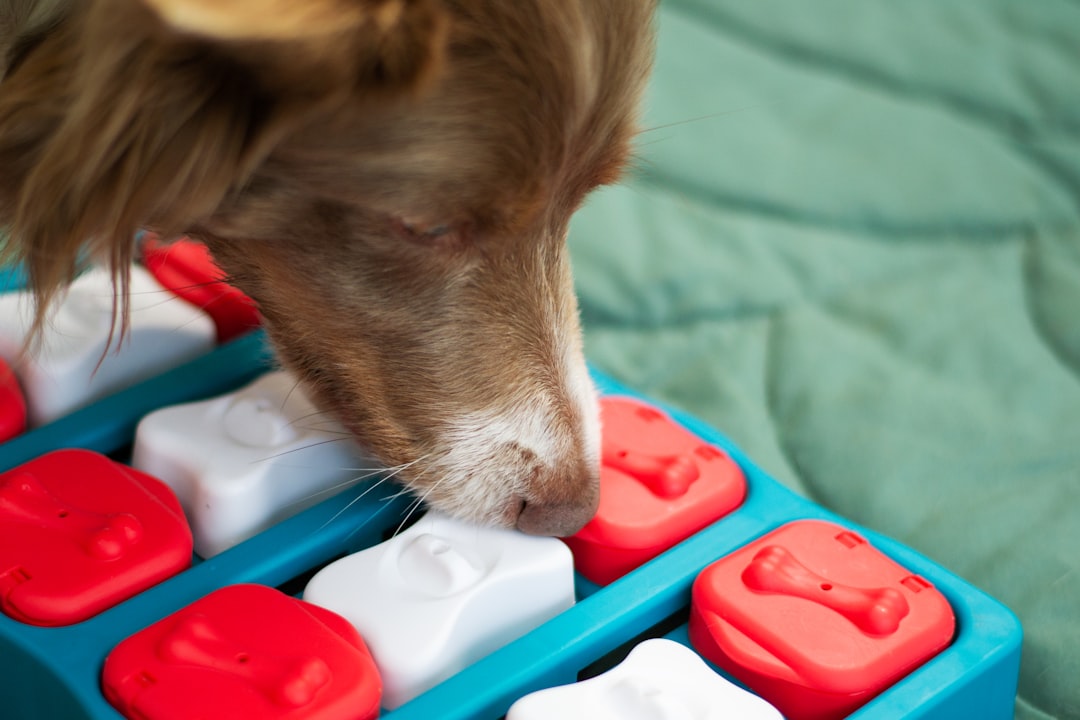
Dog brain games are puzzles, toys, and activities that encourage your pup to experiment, problem-solve, and use their natural instincts—particularly their incredible sense of smell. These games range from simple DIY options like hiding treats around your home to commercial puzzle toys that dispense food as your dog figures them out.
Key benefits of dog brain games:
- Combat boredom and destructive behaviors like excessive chewing, barking, or digging
- Build confidence in puppies through independent play and problem-solving
- Keep senior dogs alert and mentally active when physical exercise becomes limited
- Strengthen your bond through interactive play and training
- Reduce anxiety by providing a positive outlet for energy
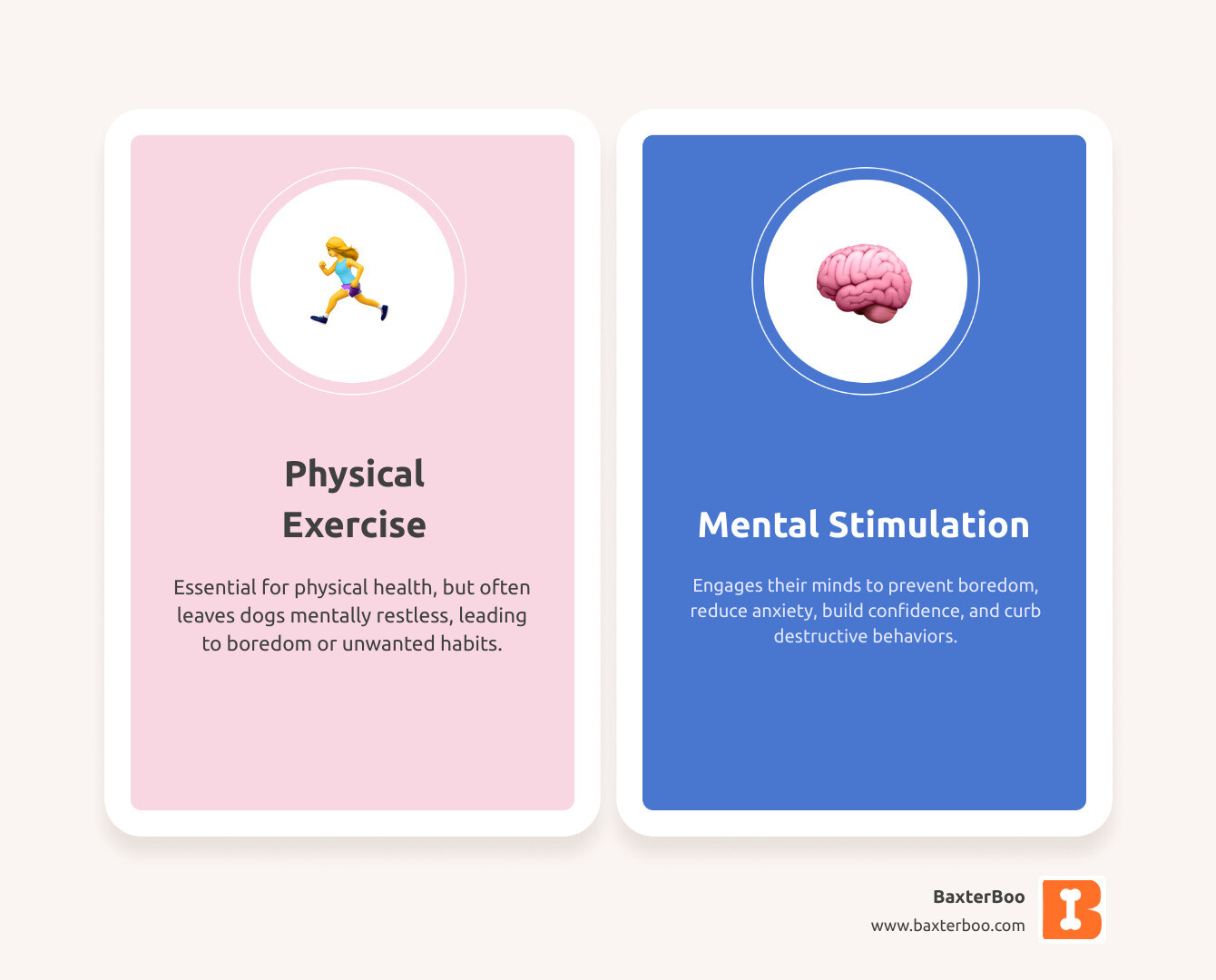
You've probably noticed this yourself: a dog who's been running around the yard for an hour might still be restless and looking for trouble. That's because mental exercise is just as important as physical exercise for a well-rounded dog.
When dogs aren't mentally stimulated, they become bored or frustrated. They'll find their own outlets for that energy—and you probably won't like what they choose. Chewed furniture, torn-up gardens, and endless barking are all signs your dog needs more than just a walk around the block.
Dog brain games are especially crucial for dogs who can't do as much physical activity. Whether your pup is recovering from surgery, dealing with age-related mobility issues, or just having a rainy day stuck indoors, mental challenges keep them engaged and satisfied.
The best part? You don't need expensive equipment or hours of free time. Many effective brain games use simple household items and take just 15-30 minutes a day.
Why Your Dog Needs More Than Just Physical Exercise
We all know the importance of daily walks and playtime for our dogs' physical health. But what about their minds? Just like us, dogs need regular mental exercise to stay sharp, happy, and well-behaved. Think of it this way: a physically tired dog might rest, but a mentally stimulated dog is truly content.
Mental exercise is crucial for a well-rounded dog. If your dog isn’t feeling stimulated, they can become bored or frustrated. This can lead to them developing unwanted habits as they try and find an outlet for their energy. These can manifest as destructive behaviors, excessive barking, or even anxiety. By engaging their brains with dog brain games, we provide a healthy and positive outlet for their energy and intelligence.
These games offer benefits across all life stages:
- For puppies, dog brain games challenge their developing brains and keep them learning new skills. They help build self-confidence as puppies learn to play by themselves and solve problems independently.
- For adult dogs, brain games keep them stimulated and prevent the onset of boredom-related issues, ensuring they remain engaged and happy members of the family.
- For senior dogs, brain games are particularly important. They may help senior dogs stay alert and active, maintaining cognitive function even when physical activity decreases due to age or health conditions. Brain games provide a safe way to keep their minds engaged without putting strain on their bodies.
Beyond preventing unwanted behaviors, mental stimulation through dog brain games can significantly reduce anxiety. A dog that is mentally engaged is less likely to dwell on stressors or develop separation anxiety. The focus required for problem-solving can be incredibly calming, channeling nervous energy into productive thought.
The Science of a Stimulated Pup
Our dogs are more intelligent than we often give them credit for. Their brains are wired to learn, explore, and solve problems. Engaging in dog brain games taps into this natural canine cognition.
One fascinating aspect of interactive play is the release of oxytocin, often called the "love hormone." When we engage in eye contact or positive interactions with our dogs, both we and our pups experience an increase in oxytocin. This fosters a deeper bond and strengthens the attachment between us, creating what some refer to as "eye hugs."
Dogs also experience much of the world around them through their incredible sense of smell. Their olfactory sense is hundreds of thousands of times more powerful than ours, making scent processing a primary way they gather information and interact with their environment. Scent-based games leverage this powerful sense, providing immense mental enrichment.
As dogs learn to steer puzzles, find hidden treats, or master new tricks, they are actively developing problem-solving skills. Each successful attempt boosts their confidence, encouraging them to tackle new challenges. This confidence building is vital, especially for shy or anxious dogs, as it empowers them to trust their own abilities.
A Tired Dog is a Happy Dog: Beating Boredom
A bored dog is often a mischievous dog. If your furry friend isn't getting enough mental stimulation, they'll find ways to entertain themselves, and these activities rarely align with our preferences. Recognizing the signs of boredom is the first step to addressing it.
Common signs of boredom in dogs include:
- Chewing: Destructive chewing on furniture, shoes, or household items is a classic sign of a dog trying to relieve boredom or excess energy.
- Excessive barking: Barking at everything and nothing, or persistently barking when left alone, can indicate a lack of mental engagement and a need for an outlet for their vocal energy.
- Digging: If your yard looks like a lunar landscape, your dog might be digging out of boredom, seeking buried treasures, or simply trying to create their own entertainment.
- Hyperactivity: Even after physical exercise, a dog might still seem restless, pacing, or unable to settle down, indicating their mind hasn't been sufficiently challenged.
For high-energy dogs, in particular, dog brain games are a godsend. These activities can be as tiring as a long walk, sometimes even more so, because they require intense focus and mental effort. By channeling that boundless energy into problem-solving, we can help our pups feel truly fulfilled and calm.
Our Favorite Dog Brain Games for Pups of All Kinds
To get started with dog brain games, you don't need to break the bank. Many effective games can be created with items you already have around the house. The key is to remember that most dogs are highly motivated by food, which makes treats an excellent reward and incentive for these activities.
Here's a list of essential items you might want to gather for DIY games:
- Muffin tin
- Tennis balls
- Your dog's favorite smelly dog treats
- Cardboard boxes
- Empty plastic containers or bottles
- Old towels or blankets
- Cups (paper or plastic)
Scent-Based Games to Engage Their Natural Instincts
Dogs experience much of the world around them through their sense of smell. Scent games allow dogs to channel their love of sniffing while enriching their minds. These games are fun for dogs of any age, including puppies and older dogs, and are particularly excellent for dogs with physical limitations.
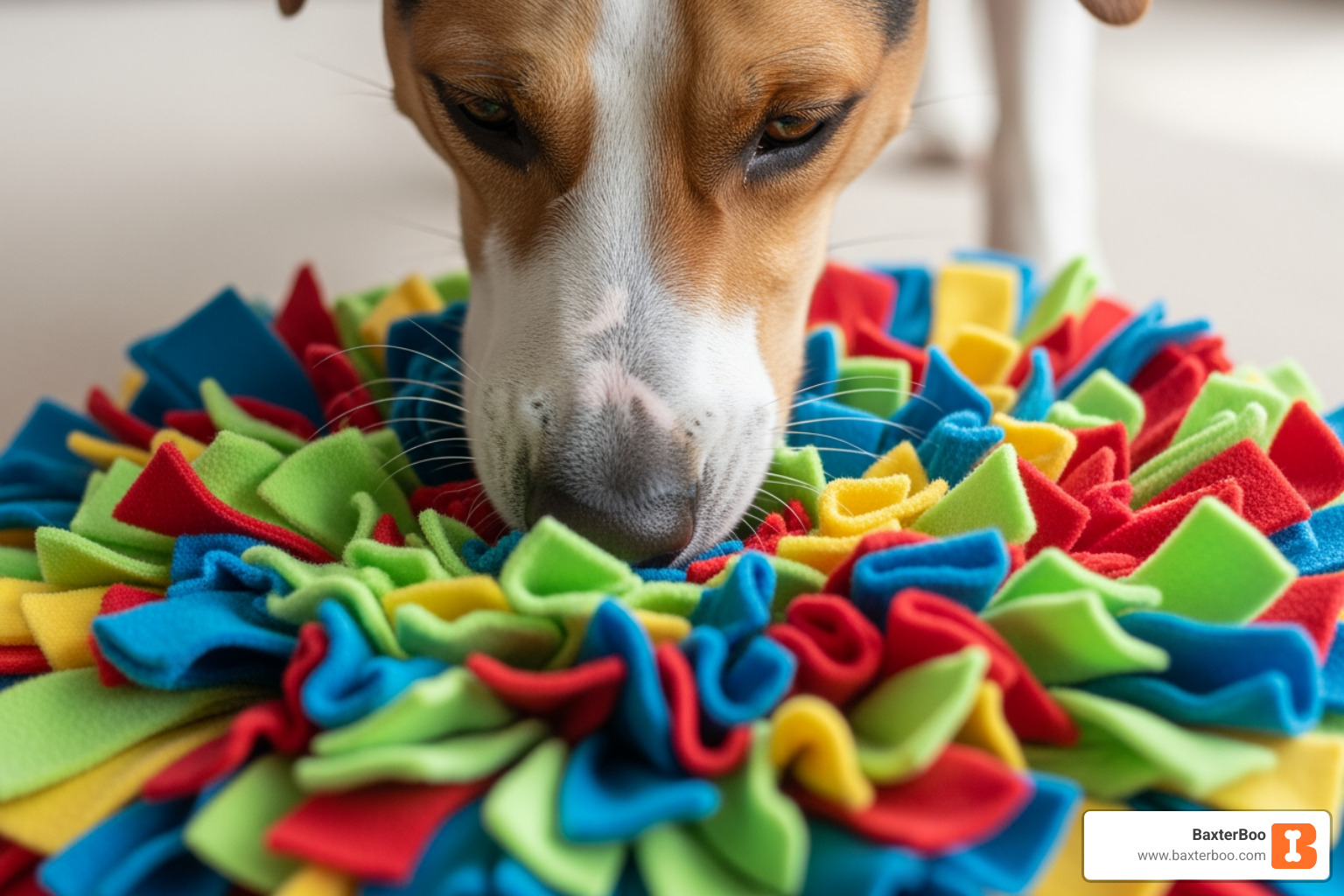
- Snuffle Mat: A snuffle mat is a perfect item for curious dogs. This large, interactive nose work mat provides hours of mental stimulation and fun for your pet. You simply hide treats deep within the fabric folds, and your dog uses their nose to sniff them out. It’s a fantastic way to engage their natural foraging instincts.
- Muffin Tin Game: This is a fun introductory scent game that requires only a few items. You'll need an empty muffin tin, 12 tennis balls, and some smelly dog treats. Place a treat in some of the muffin tin cups, then cover all the cups with tennis balls. Your dog then has to use their nose and paws to remove the balls and find the treats. You can increase the difficulty by placing treats in fewer cups or using heavier objects to cover them.
- Treasure Hunt: Hide pieces of your dog’s favorite treat around the house or garden and let them hunt for it using their nose. Start easy, placing treats in obvious spots, then gradually increase the difficulty by hiding them in more challenging locations. You can even leave a scent trail for them to follow, making it an exciting adventure. Remember to introduce start and end signals for these games to help your dog understand when the search is over. You can find more ideas for scent games at the AKC's Indoor Scent Games for Dogs guide.
- The Shell Game (Three Cups): Grab three cups. Make sure each cup smells like a treat. With your dog watching, place a treat under one cup. Encourage your dog to find the treat. As they get the hang of it, you can start shuffling the cups slowly before letting them choose. This game helps improve their observation and problem-solving skills.
- Box Search: While your dog is in another room, set out several empty cardboard boxes on the floor. In one (or several) boxes, place treats. Bring your dog into the room and encourage them to search. When your dog finds a treat, praise them and let them eat it. Once all treats are found, you can lure them away with a final treat to signal the end of the game.
Simple DIY Dog Brain Games You Can Make at Home
You don't need fancy gadgets to provide excellent mental stimulation. Many everyday household items can be repurposed into engaging dog brain games.
- The "Destruction Box": If your dog loves to shred, this is the game for them. Take a cardboard box and fill it with scrunched-up paper, old toilet paper rolls, or even some safe fabric scraps. Scatter treats throughout the box. Your dog will have a blast tearing through the materials to get to the goodies, satisfying their natural urge to shred in a constructive way. Always supervise to ensure they don't ingest non-food items.
- DIY Snuffle Mat (from towels): Don't have a commercial snuffle mat? You can make a simple version by rolling up an old towel or blanket. Sprinkle treats onto the towel, then roll it up tightly and tie a loose knot. Your dog will have to unroll and manipulate the towel to get the treats.
- Stacking Bowls Puzzle: Use plastic storage bowls that nest inside each other. Start with one bowl, put a treat inside, and cover it with another bowl. Your dog needs to figure out how to separate the bowls to get the treat. Gradually increase the number of bowls and the complexity. This encourages them to use their paws and nose to manipulate objects.
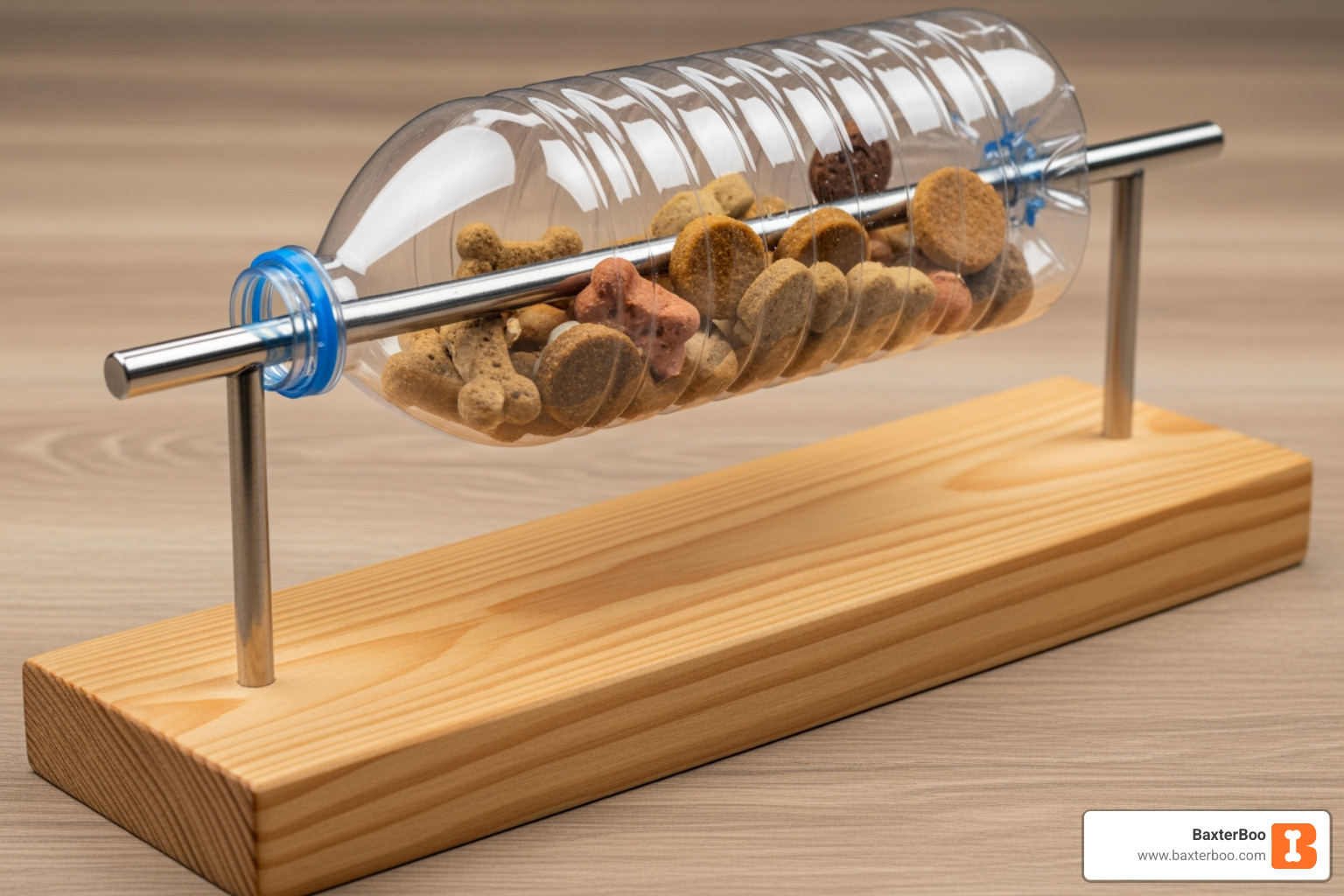
- Treats in a Bottle: Take an empty, clean plastic bottle (like a water bottle) and put a few small treats inside. Your dog will need to roll, bat, or chew the bottle to get the treats out. For an advanced version, you can create a bottle spinner by threading a metal rod through two holes in the bottle and attaching the rod to a wooden base, allowing the bottle to spin.
Training as a Brain-Boosting Activity
Beyond basic obedience training, teaching your dog new tricks is a fantastic way to provide mental stimulation and strengthen your bond. Whether they’re young or old, learning new commands develops attention and obedience skills, making them smarter and more responsive.
- Teaching New Tricks: Learning new tricks, like "roll over," "play dead," or "weave through your legs," is incredibly rewarding for both of you. It's a process that builds communication and trust. The AKC offers great resources, including videos on Teaching Your Dog a New Trick.
- Name That Object: This game teaches your dog to identify and retrieve specific objects by name. Start with two distinct toys. Say the name of one toy, encourage your dog to pick it up, and reward them. Repeat until they consistently choose the correct toy. Gradually introduce more objects. Dogs can even learn new words through a process of elimination!
- Eye Contact Game: Teach your dog to give you eye contact. Hold a treat to your forehead or by your eye and ask your dog to "look at me." Gradually "fade" the food lure (phasing out using the reward) until you can use a hand signal and a verbal command to ask your dog to look at you. This helps get your dog's attention when they're distracted and strengthens your connection.
- Independent Thinking Game: This advanced brain game encourages your dog's creativity. Give your dog an unfamiliar object (like a chair or a box) and say "trick." Reward them with a treat every time they interact with it in a new way (e.g., sniffing, pawing, nudging, lying next to it). If they repeat a behavior, ignore it and wait for a novel action. This teaches them to think outside the box!
Commercial Puzzle Toys and Interactive Feeders
For those times when you want something a bit more structured or durable, the market offers a fantastic array of commercial dog brain games and interactive feeders. These are designed to challenge your dog's mind while often slowing down their eating, which can aid digestion.
- Treat-Dispensing Balls: These toys have internal mechanisms that release treats as your dog rolls or manipulates them. They come in various difficulty levels and are great for solo play, keeping your dog occupied and engaged.
- Sliding Puzzles: These often feature compartments with sliding covers that your dog needs to move with their nose or paw to reveal hidden treats. They range from simple one-step puzzles to multi-layered challenges.
- Interactive Feeders: Designed to make mealtime a game, these feeders require your dog to work for their food, turning a quick meal into a mentally stimulating activity. They can prevent gulping and boredom.
- Puzzle Toys and Tough Dog Toys: There are a variety of puzzle toys available that will be especially exciting if your dog is motivated by food. The objective of a puzzle toy, of course, is to have them use their brain to earn the reward. These interactive toys can improve your dog’s memory, as well as teach them focus. When choosing, consider your dog's chewing habits. We offer a wide selection of durable tough dog toys that can stand up to even the most enthusiastic players, ensuring long-lasting mental fun.
Tips for Safe and Effective Brain Game Sessions
While dog brain games are incredibly beneficial, safety and effectiveness hinge on a few key considerations. Our goal is always to provide a positive and enriching experience for our furry companions.
- Supervision is Key: Always supervise your dog during brain game sessions, especially when they are new to a game or if small parts are involved. This prevents accidental ingestion of non-food items and ensures they are playing safely.
- Choosing Safe Materials: When creating DIY games, ensure all materials are non-toxic and safe for your dog. Avoid anything with sharp edges, small pieces that could be swallowed, or materials that could splinter.
- Start Easy and Build Up: Introduce new games at an easy level to prevent frustration. If a game is too hard, your dog might give up. Gradually increase the difficulty as they gain confidence and understanding. If your dog is struggling, help them out by guiding them closer or making the task simpler.
- Know When to Stop: Keep sessions relatively short, especially when introducing new games. About 15-30 minutes is often sufficient, as mental exertion can be tiring. End the game on a positive note, with your dog having successfully "solved" the puzzle and received a reward. This leaves them wanting more for the next session.
- Positive Reinforcement: Always use positive reinforcement—praise, treats, and affection—to reward your dog's efforts and successes. This makes the games enjoyable and reinforces the learning process.
Adapting Games for Every Dog
Just like people, every dog is an individual with unique needs, preferences, and abilities. The beauty of dog brain games is their adaptability.
- Catering to Breed: Some breeds, like working dogs, naturally excel at problem-solving and scent work and may require more complex challenges. Others might prefer games that involve more physical interaction or learning new tricks. Observe your dog's natural inclinations and choose games that align with their breed's characteristics.
- Adjusting for Energy Levels: For high-energy dogs, brain games can be an excellent way to channel their drive. Consider longer scent hunts or multi-step puzzles. For lower-energy dogs, shorter, simpler games are more appropriate.
- Puppy Considerations: Puppies have developing brains and shorter attention spans. Start with very simple games that involve owner interaction and clear rewards to build their confidence and focus.
- Senior Dog Needs: As dogs age, their physical abilities may decline, but their need for mental stimulation remains. Focus on low-impact games like advanced scent work or stationary puzzles. For senior dogs experiencing joint stiffness or mobility issues, our NutriSource AmpliFull Mobility Soft Chew Dog Supplement can help support their joint health, making them more comfortable and eager to engage in mental activities.
How to Adapt Dog Brain Games for Physical Limitations
Dog brain games are particularly important if you have a dog who can’t do as much physical exercise, for example, if your dog is a little older or is recovering from an operation.
- Low-Impact Games: Avoid games that require jumping, running, or extensive movement. Focus on activities that can be done while sitting or lying down.
- Focus on Scent Work: Scent games are ideal as they primarily engage the nose and brain, requiring minimal physical exertion. A simple treat-finding game in a snuffle mat or a small area of the room can be very enriching.
- Stationary Puzzles: Many commercial puzzle toys or DIY bowl puzzles can be solved from a stationary position. Ensure the puzzle is at a comfortable height for your dog.
- Consulting a Vet: Always consult your veterinarian before starting new activities with a dog recovering from an injury or with chronic physical limitations. They can provide guidance on what types of movements and mental challenges are safe and appropriate.
Frequently Asked Questions about Dog Brain Games
How do brain games help with dog anxiety?
Brain games are a powerful tool for managing and reducing dog anxiety.
- Reduces Boredom: Anxiety often stems from boredom and pent-up energy. By giving your dog a stimulating mental task, you reduce the underlying cause of their anxious behaviors.
- Builds Confidence: Successfully solving a puzzle or finding a hidden treat boosts your dog's confidence and self-esteem, which can directly combat anxiety-driven insecurities.
- Provides a Positive Outlet: Games offer a constructive and positive outlet for your dog's energy and focus, diverting their attention from anxious thoughts or triggers.
- Creates a Predictable Routine: Incorporating brain games into a daily routine can provide predictability and structure, which is comforting for anxious dogs.
What's the difference between interactive and solo play for mental stimulation?
Both interactive and solo play are valuable for mental stimulation, offering distinct benefits:
- Interactive Play: This involves you actively participating with your dog. It's fantastic for bonding, as you work together to solve puzzles or learn new tricks. Interactive play allows for guided learning, where you can provide cues, encouragement, and immediate feedback, strengthening your communication and relationship.
- Solo Play: This typically involves toys like puzzle feeders or snuffle mats that your dog can engage with independently. It encourages independent problem-solving and can be particularly useful for preventing separation anxiety by teaching your dog to entertain themselves constructively when you're not around.
How long should I play brain games with my dog?
The ideal duration for dog brain games can vary, but generally, quality trumps quantity.
- 15-30 Minutes: Most experts recommend sessions lasting between 15 to 30 minutes. Mental exertion can be surprisingly tiring for dogs, and too long a session can lead to frustration or mental fatigue.
- Observation Cues: Pay close attention to your dog's cues. If they start to lose interest, become frustrated, or seem overly tired, it's time to end the game. It's always better to end on a high note, leaving them wanting more.
- Quality Over Quantity: A short, engaging, and successful brain game session is far more beneficial than a long, drawn-out one where your dog becomes bored or gives up. Consistency with shorter sessions is often more effective than infrequent, marathon sessions.
Conclusion
We've explored how dog brain games are far more than just fun activities; they are an essential component of your dog's overall well-being. From combating boredom and preventing destructive behaviors to building confidence and keeping senior dogs alert, mental stimulation is as vital as physical exercise. By engaging their natural instincts, problem-solving skills, and deep sense of smell, we can enrich their lives in profound ways.
Whether you opt for simple DIY puzzles made from household items, teach new tricks that strengthen your bond, or invest in clever commercial puzzle toys, the benefits are clear. These activities don't just tire out your dog; they fulfill them, leading to a calmer, happier, and more well-adjusted companion. The shared experience of learning and play also deepens the connection between you and your furry friend, creating a stronger bond built on trust and mutual understanding.
At BaxterBoo, we believe in a holistic approach to pet wellness, which includes nurturing their minds as much as their bodies. That's why we carefully curate high-quality products that support every aspect of your pet's health and happiness.
Ready to open up your dog's full potential and bring more joy into their day? Find the perfect puzzle toy for your pup at BaxterBoo and start your journey to a more mentally stimulated and happier dog today!