
 Save 15% on your 1st Autoship learn more

 Email us
 Live Chat
 FAQs
FAQs





Introduction
You might notice it during a morning snuggle or when your dog pants after a game of fetch. That sharp, lingering scent of "dog breath" is often the first sign that your pet needs better oral care. While many owners assume bad breath is just a natural part of being a dog, it is frequently a symptom of plaque and tartar buildup. At BaxterBoo, we know that starting a dental routine can feel overwhelming, especially if your dog is not a fan of having their mouth handled. This guide covers the most effective methods for maintaining your dog's oral hygiene, from the gold standard of brushing to easy alternatives for resistant pets. By focusing on consistency and using the right tools, you can protect your dog from discomfort and support their long term health.
Quick Answer: The most effective way to clean a dog's teeth at home is daily brushing with dog-specific toothpaste and a soft-bristled brush. For dogs that resist brushing, you can use VOHC-approved dental chews, water additives, and dental wipes to help reduce plaque buildup.
Why Home Dental Care Is Essential
Oral health is about much more than just fresh breath. When your dog eats, a sticky film of bacteria called plaque begins to form on their teeth within hours. If this plaque is not removed through mechanical action or supplements, it reacts with minerals in your dog's saliva. This process causes the plaque to harden into tartar, also known as calculus, in as little as 48 hours.
Tartar is a significant problem because it cannot be brushed away. Once it forms, it provides a rough surface where even more bacteria can thrive. This often leads to gingivitis, which is the inflammation of the gums. You might see a thin red line along the gumline or notice that your dog's gums bleed slightly during play. If left unchecked, this can progress to periodontal disease, affecting the structures that hold the teeth in place.
Key Takeaway: Plaque hardens into tartar very quickly, so daily intervention is necessary to prevent permanent buildup that only a veterinarian can remove.
The Step by Step Guide to Brushing
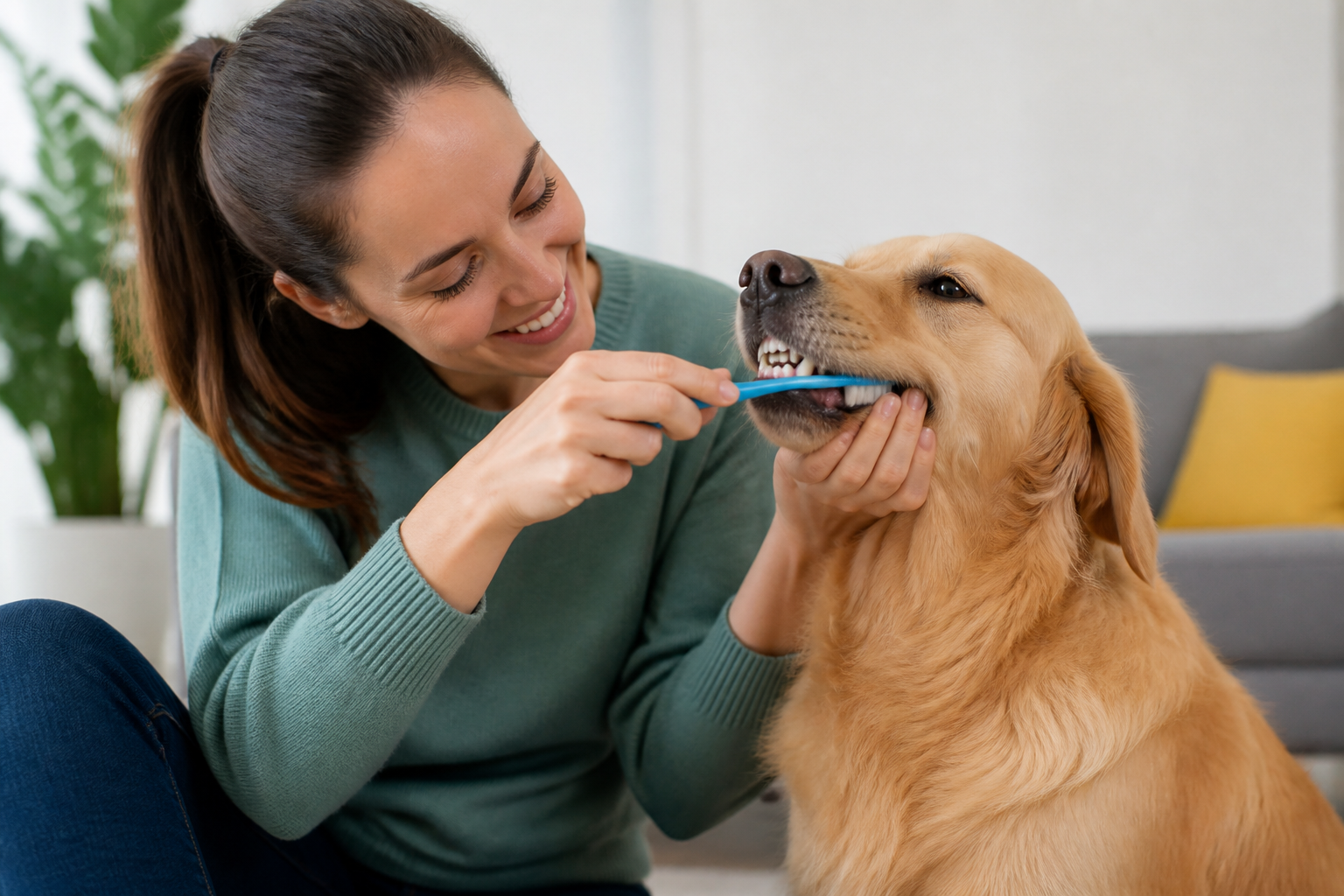
Brushing remains the single best thing you can do for your dog's teeth. It provides the mechanical friction needed to disrupt the biofilm of plaque before it mineralizes. However, you cannot simply jump in with a toothbrush and expect your dog to cooperate. It requires a gradual introduction.
Step 1: Choosing Your Supplies
Never use human toothpaste for a dog. Human pastes contain detergents and foaming agents that can upset a dog's stomach. Many also contain xylitol, an artificial sweetener that is highly toxic to dogs. Instead, choose a dog-specific toothpaste, such as Vets Preferred Enzymatic Dog Toothpaste. These come in flavors like poultry, beef, or peanut butter to make the experience enjoyable.
For the brush, you have two main options. A standard pet toothbrush has a long handle and angled bristles to reach the back molars. A finger brush is a small silicone cap that fits over your index finger. Finger brushes are often better for beginners because they give you more control and feel less intimidating to the dog.
Step 2: Flavor Introduction
Spend a few days just letting your dog lick the toothpaste off your finger. This builds a positive association with the taste. Do this in a calm environment without any pressure. Once they get excited about the flavor, you are ready to move forward.
Step 3: Touch Desensitization
Before you bring out the brush, get your dog used to having their lips lifted. Rub your finger along their gums and teeth in a circular motion. If they stay calm, give them a small treat or plenty of verbal praise. This mimics the feeling of brushing and helps them realize that mouth handling is not a threat.
Step 4: The Brushing Motion
Apply a small amount of paste to the brush. Lift the upper lip and aim the bristles at a 45 degree angle toward the gumline. Move in small circular motions. You do not need to worry about the inside surfaces of the teeth near the tongue. Most plaque accumulates on the outside surfaces, and the dog's tongue naturally helps clean the inner sides.
Step 5: Focus on the Molars
The large teeth at the back of the mouth are where the most tartar typically collects. Be sure to pull the lip back far enough to reach these areas. Aim for about 30 seconds of brushing on each side of the mouth.
Vet Tip: If your dog becomes stressed, stop the session and try again the next day. It is better to brush only two teeth successfully than to have a physical struggle that makes the dog fear the toothbrush.
For additional guidance on introducing oral care gradually, read the top pet dental care tips.
Practical Alternatives to Brushing
We understand that not every dog will tolerate a toothbrush. If your dog is particularly resistant, or if you have a busy schedule, there are other ways to support their oral health. While these are not quite as effective as brushing, they are far better than doing nothing at all.
Dental Chews and Treats
Products like Greenies are designed with a specific texture that helps scrape plaque away as the dog chews. The mechanical action of chewing is very effective at cleaning the premolars and molars. Many of these treats also contain ingredients that help freshen breath and slow down tartar formation. When choosing a chew, look for the Veterinary Oral Health Council (VOHC) Seal of Acceptance. This seal means the product has been independently tested and proven to reduce plaque or tartar.
You can compare options in our selection of Greenies products or browse dental chews for dogs for more ideas.
Dental Toys
Chewing is a natural behavior for dogs, and the right toys can make playtime productive for their teeth. Rubber toys with ridges or nubs, like those made by Kong, can help massage the gums and scrape the teeth. You can even smear a little dog-safe toothpaste into the grooves of a rubber toy to encourage more contact.
Water Additives and Powders
Water additives are liquid solutions you pour into your dog's water bowl. They usually contain enzymes or antibacterial agents that help break down the bacteria that lead to plaque. This is a completely passive way to manage oral health. Similarly, dental powders can be sprinkled over your dog's food. Some powders use specific types of seaweed that work systemically through the saliva to soften existing tartar and prevent new plaque from sticking.
For a brush-free option, consider OxyFresh Pet Dental Water Additive.
Diet and Nutrition for Dental Support
What your dog eats plays a role in how clean their teeth stay. There is a common belief that all dry kibble cleans teeth, but this is not always true. Most kibble is small and brittle, so it shatters as soon as a dog bites it. This provides very little cleaning action.
However, specific dental diets are formulated differently. These kibbles are usually much larger and have a fibrous texture that does not crumble immediately. Instead, the tooth sinks into the kibble, which wipes the surface of the tooth as the dog chews. Brands like Royal Canin and Farmina offer specialized formulas designed to support oral health. If your dog has a history of rapid tartar buildup, we recommend discussing a prescription dental diet with your veterinarian. Our pharmacy carries many of these specialized diets through our partnership with Pet's Choice, providing a convenient way to get the nutrition your dog needs.
Explore our selection of Royal Canin products when discussing dietary options with your veterinarian.
Bottom line: A combination of mechanical cleaning and a supportive diet is the most reliable way to maintain a healthy mouth.
Identifying Signs of Dental Disease
Even with the best home care, it is important to monitor your dog's mouth for signs of trouble. Dental disease can be painful, but dogs are notorious for hiding their discomfort. They may continue to eat and play normally even if they have an infected tooth or sore gums.
Watch for these red flags:
- Persistent foul breath that smells like rot or garbage.
- Heavy brown or yellow buildup on the teeth.
- Gums that are bright red, swollen, or bleeding.
- Pawing at the mouth or rubbing the face against the carpet.
- Dropping food while eating or chewing on only one side of the mouth.
- Sudden disinterest in hard chew toys.
If you notice any of these symptoms, a trip to the vet is necessary. Home cleaning is a preventive measure, not a treatment for existing infections or loose teeth.
For more information about warning signs, read how to recognize hidden dental problems in dogs.
Vet Tip: Check your dog's mouth once a week. Lift the lips and look at the back molars. Catching a small amount of redness early can prevent the need for expensive extractions later.
Professional Cleaning and the BaxterBoo Pharmacy
While home care is the foundation of oral health, most dogs will eventually need a professional cleaning by a veterinarian. A professional cleaning is performed under general anesthesia, which allows the vet to safely clean beneath the gumline where the most damaging bacteria hide. They can also take dental X-rays to check for bone loss or abscesses that are not visible to the naked eye.
After a professional cleaning, your vet may prescribe medications to manage inflammation or treat an infection. Our pet pharmacy offers FDA-approved medications and prescription dental products to help your pet recover and maintain their results. Through our partnership with Pet's Choice, we make it easy to fill these prescriptions and have them delivered right to your door. This is especially helpful for senior pets or those with chronic dental issues who require ongoing support.
Creating a Sustainable Routine
The key to success is making dental care a habit. It is better to do a quick 30 second brush every day than a 10 minute deep clean once a month. To make the routine stick, try to link it to an existing habit. For example, you could brush your dog's teeth right after you brush your own at night, or give them their dental chew every morning after their first walk.
Consistency allows your dog to become comfortable with the process. Over time, many dogs actually begin to look forward to their "chicken flavored" tooth brushing session because of the attention and rewards they receive.
- Start slow and keep sessions positive.
- Use only dog-safe products.
- Mix and match methods if your dog is difficult.
- Reward your dog after every session.
- Schedule an annual dental checkup with your vet.
Key Takeaway: Don't aim for perfection on day one. Focus on making the process a stress-free part of your daily life with your dog.
Conclusion
Caring for your dog's teeth at home is one of the most impactful ways you can support their overall wellness. Whether you choose the thorough approach of daily brushing or utilize a combination of dental chews and water additives, your efforts help prevent pain and serious health complications. We are here to help you every step of the way with a curated selection of brushes, pastes, and VOHC-approved treats. For pets with more advanced needs, our pharmacy is a reliable resource for prescription diets and medications. Start small today, and your dog will benefit from a healthier, more comfortable smile for years to come. Explore our dental care section to find the right tools for your dog's new routine.
FAQ
How often should I brush my dog's teeth at home?
You should ideally brush your dog's teeth every single day. Plaque can begin to harden into tartar in as little as 24 to 48 hours, so daily brushing is the only way to consistently remove it before it mineralizes. If a daily routine is not possible, aim for at least three times per week to provide a meaningful benefit to their oral health.
Can I use a regular human toothbrush for my dog?
Yes, you can use a human toothbrush as long as the bristles are soft. A child-sized human toothbrush is often the perfect size for small to medium dogs because the head is small enough to reach the back molars. However, you must never use human toothpaste, as it contains ingredients like xylitol and fluoride that are toxic to pets.
Will dental chews replace the need for brushing?
Dental chews are an excellent supplement, but they are generally not a complete replacement for brushing. Chews are most effective at cleaning the chewing surfaces of the molars and premolars, but they may miss the canine teeth and the gumline where many problems start. Using both chews and a toothbrush provides the most comprehensive care for your dog.
What should I do if my dog's gums bleed during brushing?
If you see a small amount of blood when you first start a brushing routine, it usually indicates mild gingivitis or gum inflammation. This is common if the dog has not had their teeth cleaned recently. Continue brushing gently and the bleeding should stop as the gums become healthier. If the bleeding is heavy or persistent, stop brushing and consult your veterinarian to rule out more serious periodontal disease.






