Save 15% on your 1st Autoship learn more

 Email us
 Live Chat
 FAQs
FAQs





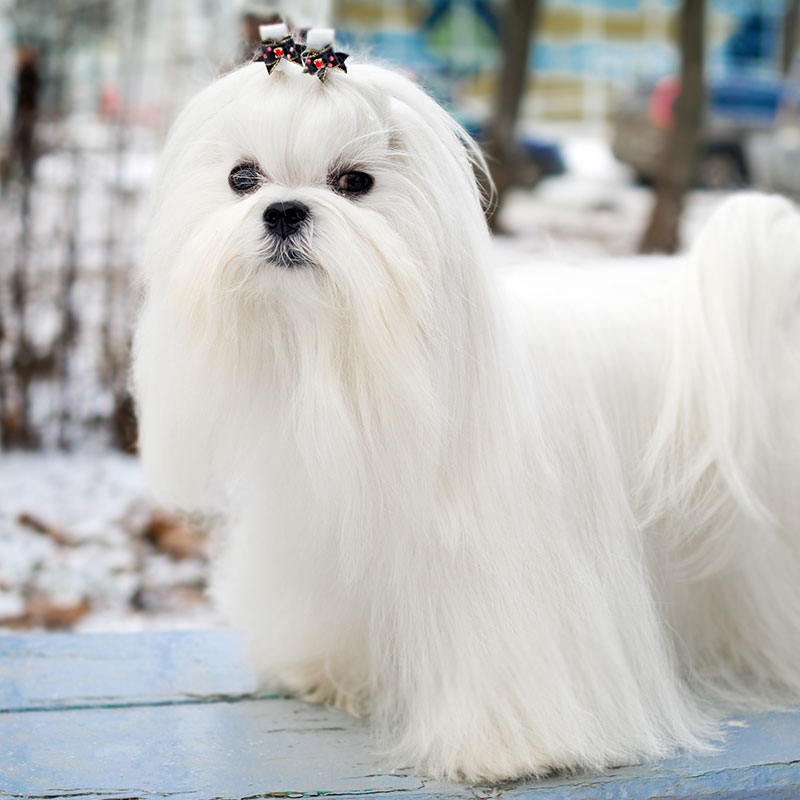
During the winter months, your pet may encounter colder temperatures outdoors and dry, heated air inside. Grooming during this season calls for different solutions for maintaining the condition of your dog’s coat, paws and nails. If you live in a region that experiences ice and snow, your daily walks will suddenly involve challenges posed by slick surfaces as well as the use of rock salt and other deicers. Find out the best ways to adjust your grooming routine, as well as the truth about whether growing out hair or fur over the winter really keeps your dog warm.
Winter Coat Care
Some dog owners insist that letting the coats of long-haired breeds grow long during the winter keeps dogs warm in cold weather. In fact, a long coat is more prone to become matted when your pet comes into contact with dirt and moisture. Tangled hair or fur can also cause a dog to quickly become cold and slows down the drying process. Bacteria thrives between mats and the skin underneath, raising your pet’s risk of developing skin irritation or infections. A dog with longer hair or fur requires daily maintenance so that his or her coat can provide warmth and sustain health.
You should brush your dog daily during the winter to prevent hair or fur from becoming matted. Depending on the type of hair or fur your dog has, you may need to use a dematting tool . This grooming tool has stainless steel plates for safely cutting through mats in hair or fur. When no tangles are present, your pet’s coat will radiate heat back toward his or her body to provide maximum insulation. If you don’t have time to brush and detangle every day, it is best to have your dog’s coat regularly trimmed during the winter.
The Word on Cold-Weather Bathing
Dry winter air can make your dog’s skin itchy. It is still important to bathe your pup periodically during this season to remove dirt and debris from his or her coat and keep odors in check. If possible, you may want to limit baths to once or twice a month. Always use a gentle cleanser such as a moisturizing dog shampoo . Don’t allow your dog to go back outside until his or her coat is completely dry. A wet coat cannot retain heat in cold temperatures.
Protect Your Dogs Paws
You may have seen your dog suddenly start limping during a walk in the snow. Snow and mud can become impacted in paws, particularly if fur growing between the pads has become long. Periodically trim back this growth to reduce accumulation or balling up during walks or play sessions. You can also train your pet to wear booties . If your dog does not take to wearing paw protection, use a damp, warm hand towel to wipe off each foot and clean between paws as soon as you return from a walk.
Winter walks on surfaces such as asphalt or sidewalks can expose your pet to rock salt, other deicers and even antifreeze. Dogs self-groom and can end up ingesting these substances, which may cause gastrointestinal disturbance or more severe problems. If your dog walks without protective footwear in the winter, provide an initial layer of protection by applying protective wax or gel to paws before going out in icy or snowy weather. Be sure to wipe off this substance and any debris as soon as you get back inside.
Wintertime Nail Care
As your dog walks on concrete, his or her nails gradually get filed down. Cold weather can shorten walks and the presence of snow and ice may prevent nails from wearing down at the same rate. Less exposure to abrasive surfaces may result in longer nails. When your pet’s nails get too long, it can be more difficult to maintain traction. This can increase your dog’s risk of slipping and falling on ice.
A good rule of thumb is to trim nails as soon as you hear clicking noises when your pet walks on a hard floor. Several different styles of dog nail clippers are available, as are dremel tools that you can use to gently grind nails down to a shorter length. Regular nail care improves your pet’s comfort and may prevent injury. Be sure to familiarize your dog with a new nail clipping tool. Allow your pooch to sniff the tool and touch it to each paw, using treats for positive reinforcement. It may take several days before you can cut even one nail. Gradually cut more nails over the course of several days until your pet gets accustomed to the tool.
Ward Off Cold-Weather Dryness
A combination of cold weather and dry air can cause your pet to develop itchy skin. A moisturizing treatment such as a soothing dog lotion can restore moisture after bathing or as needed. If you notice your dog scratching and he or she does not have known allergies, dry skin is the most likely reason. Look for a lightweight formula that absorbs rapidly to avoid a greasy feel and discourage your pet from licking off topical treatments.
Supplements containing omega-3 and omega-6 fatty acids can also be helpful for replenishing natural oils in your dog’s skin and coat. Make sure that the formula is compatible with your dog’s diet and health conditions. If you notice that your dog’s nose tends to become dry during the winter, try applying a moisturizing nose balm . It may also be helpful to run a humidifier indoors to counteract the drying effects of heated air.
It is important not to neglect grooming during the winter months. Dogs rely on their coats to remain warm when temperatures drop. Make sure that breeds with long hair or thick fur stay free of tangles. Breeds with thinner coats are more exposed to frigid temperatures and require winter clothing such as sweaters, vests or coats. Paw and nail care also becomes even more important during the winter. These grooming tips can help you ensure that your pet stays comfortable and healthy throughout every season.