
 Save 15% on your 1st Autoship learn more

 Email us
 Live Chat
 FAQs
FAQs





Introduction
You are relaxing on the sofa with your favorite feline friend when you notice a dusting of white specks across their dark fur. At first, you might think it is just dust or a bit of litter. When you look closer, you realize those flakes are actually coming from your cat's skin. It is a common moment for many pet owners, and while it might look like a simple grooming mishap, it often prompts the question: help, my cat has dandruff, so what do I do now?
At BaxterBoo, we talk to cat owners every day who are looking for ways to keep their pets' coats shiny and flake-free. This guide will walk you through the common causes of feline dandruff, from simple dry air to underlying health conditions. We will also cover practical grooming tips, nutritional advice, and when it is time to talk to a veterinarian. Understanding these flakes is the first step toward helping your cat feel comfortable and look their best again.
Quick Answer: Cat dandruff is the visible buildup of dead skin cells on your cat's coat. It is often caused by low humidity, poor grooming due to weight or age, or nutritional gaps. While often benign, excessive flaking can also signal parasites or internal health issues that require a vet visit.
What Exactly Is Cat Dandruff?
It is helpful to understand that skin is a living organ that is constantly renewing itself. Just like in humans, a cat's skin cells grow, die, and shed to make room for new ones. Usually, this process happens so gradually that you never even notice it. When the process speeds up or the dead cells do not fall away as they should, they clump together. These clumps are the white flakes you see on your cat's back or near the base of their tail.
Many owners confuse dandruff with dander, but they are not the same thing. Every cat has dander. Dander consists of microscopic skin cells and proteins that are naturally shed. It is so small that it stays suspended in the air. This is what usually triggers allergies in humans. Dandruff, however, is visible to the naked eye. If you can see the flakes, you are dealing with dandruff.
You should also check to make sure the "dandruff" is not actually something else. Flea dirt is often mistaken for skin flakes, but it looks like tiny grains of black pepper rather than white flakes. If you see white specks that seem to move on their own, your cat might have Cheyletiella mites, also known as walking dandruff. This is a parasite that requires specific treatment from a veterinarian or through our cat pharmacy.
Cat Skin & Coat Care






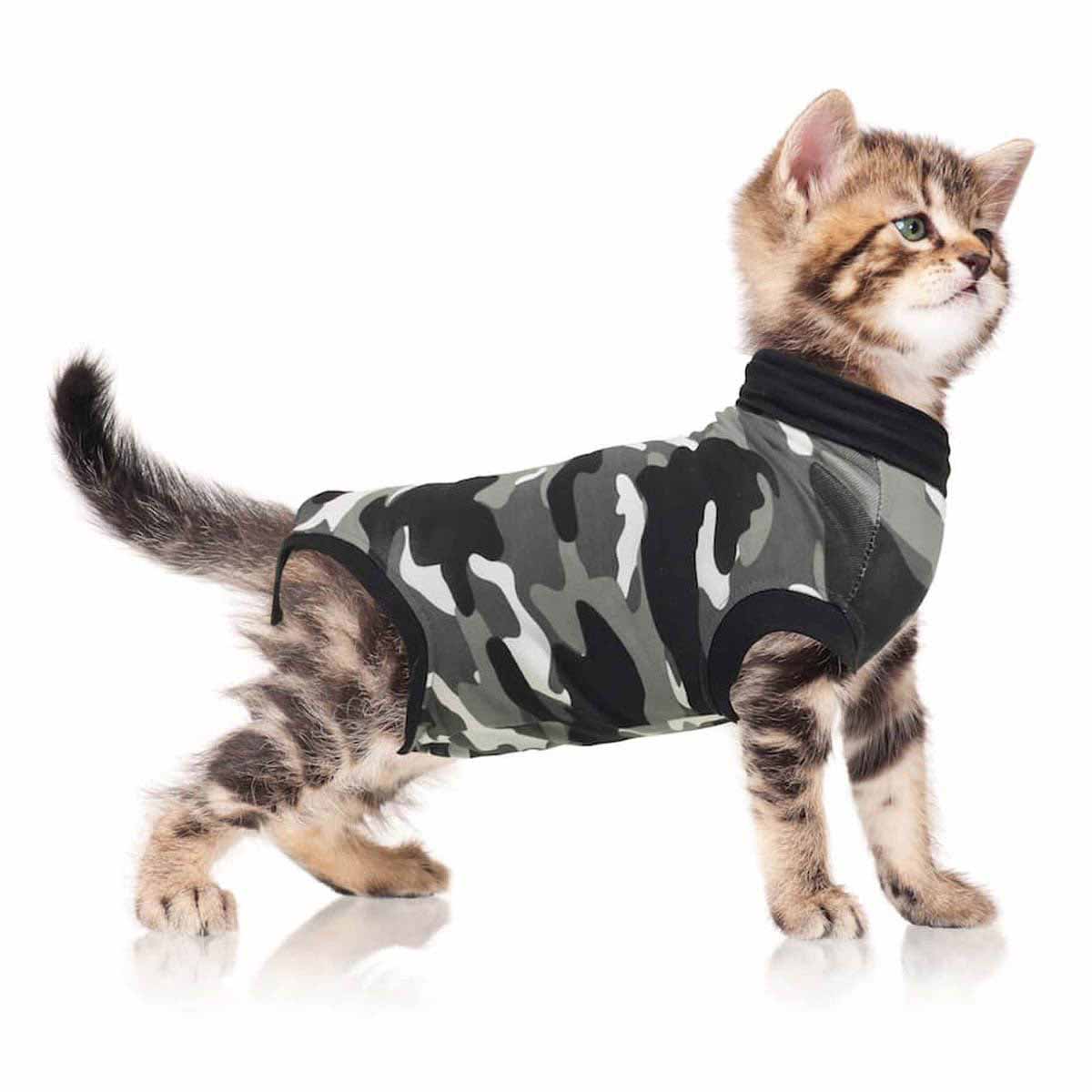

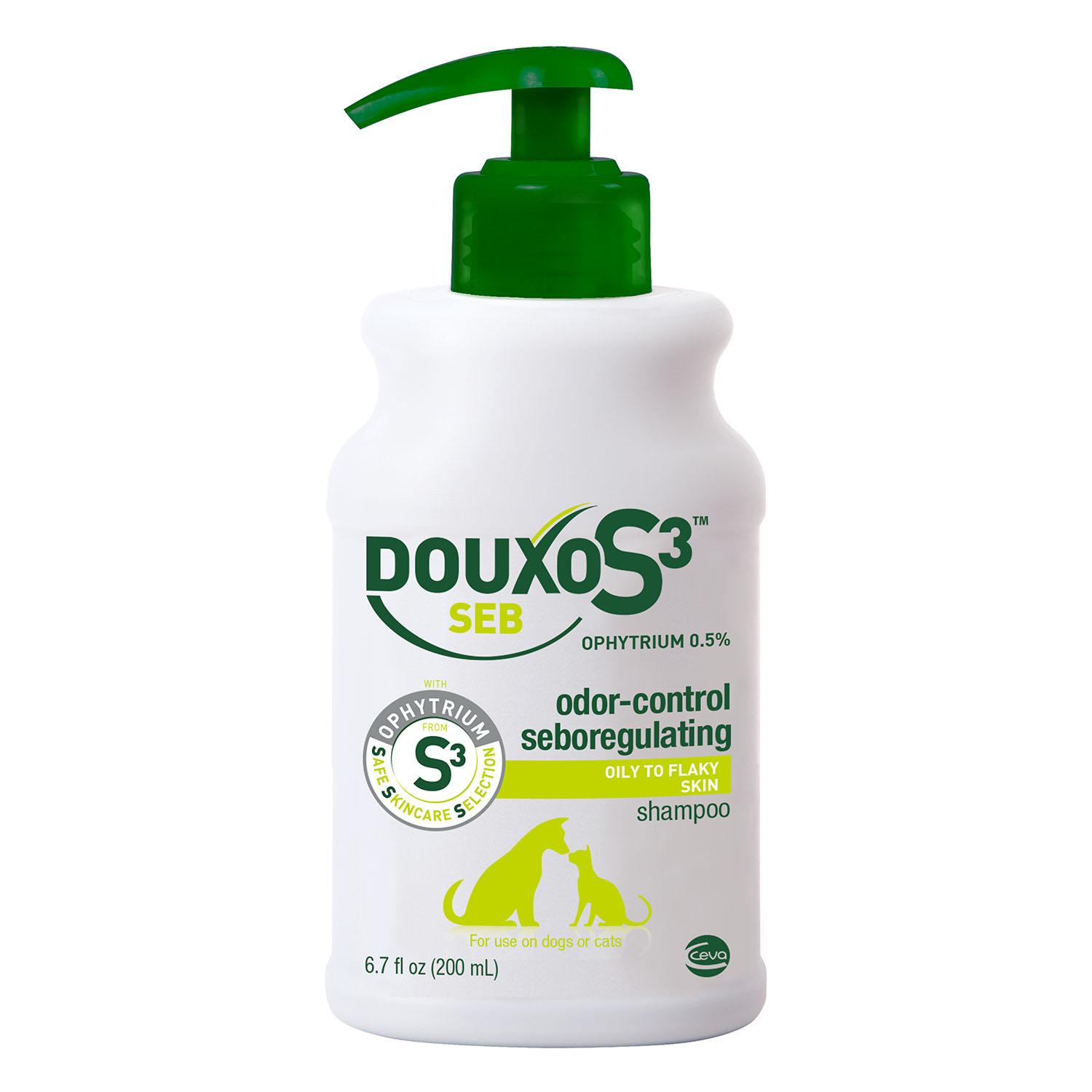


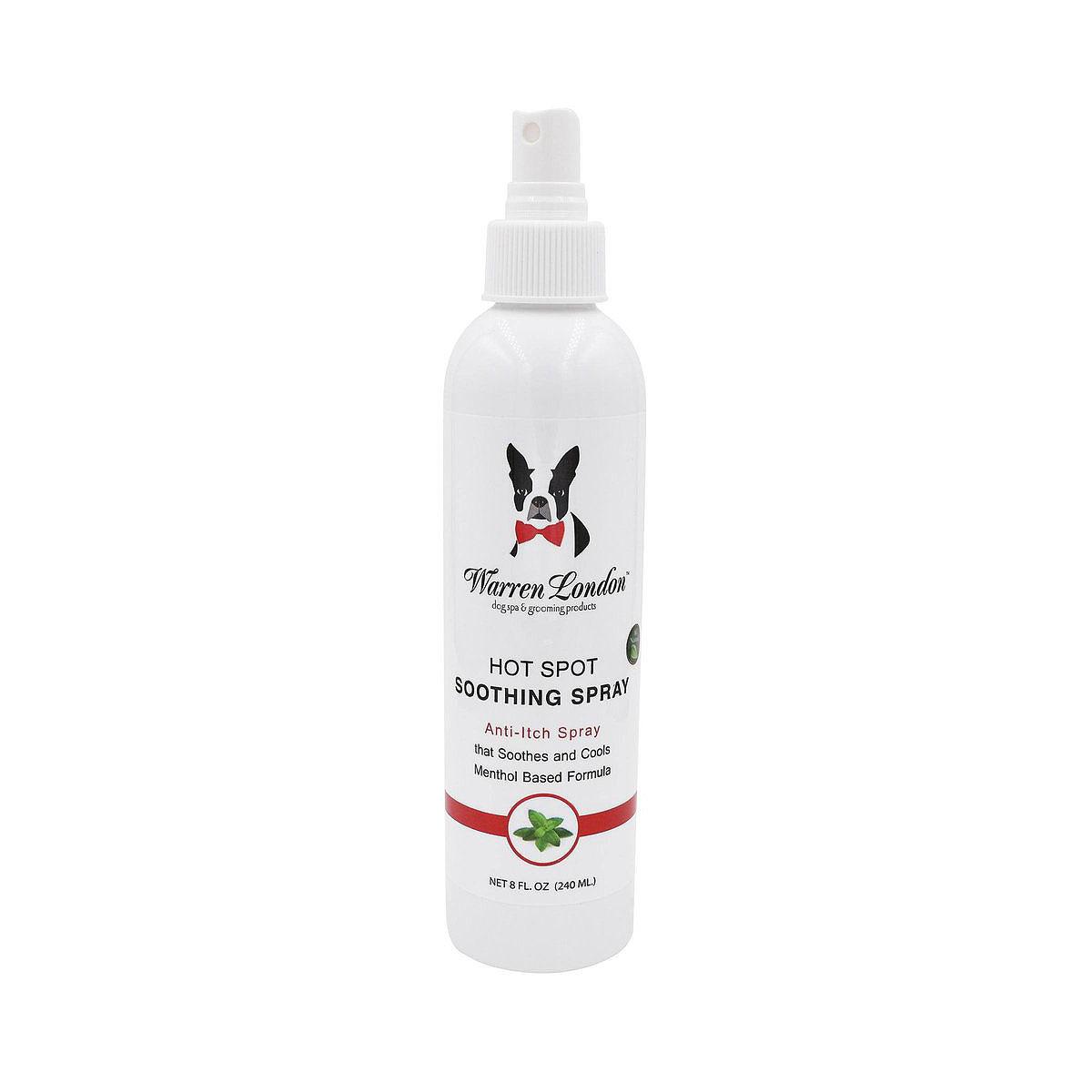

Common Causes for Flaky Skin
If you notice flakes, the first thing to look at is your cat's environment. During the winter, indoor heating can strip the moisture out of the air. This dries out your cat’s skin just like it does yours. If your cat spends a lot of time near a heater or a sunny window, those specific areas of their coat might show more flaking.
Another major factor is the ability to groom. Cats are famous for their cleanliness, and they usually lick away dead skin cells before they can clump together. If a cat stops grooming effectively, dandruff is one of the first signs. This often happens in older cats who develop arthritis. If it hurts to reach their lower back or tail, those areas will start to look dull and flaky.
Obesity is a very common cause of grooming issues. If a cat carries too much weight, they simply cannot reach certain parts of their body. You will often see a "stripe" of dandruff and matted fur right down the middle of their back where their tongue cannot reach. This is not just a cosmetic issue. It is a signal that your cat needs help with weight management and daily brushing.
Health Conditions Linked to Dandruff
Sometimes, the flakes are a symptom of something happening inside the body. If your cat is not getting enough water, their skin will lose its elasticity and begin to flake. Dehydration can be a sign of kidney issues or diabetes. Similarly, hyperthyroidism can cause changes in a cat's skin and coat quality. These conditions require a professional diagnosis to manage properly.
Allergies are another frequent culprit. Cats can be allergic to things in their environment, like dust or pollen, or to specific ingredients in their food. This inflammation often leads to itchy, dry skin. If your cat is scratching more than usual and has dandruff, an allergy might be the root cause.
Vet Tip: If your cat has dandruff accompanied by a sudden change in thirst, appetite, or litter box habits, schedule a veterinary exam. These can be early warning signs of systemic issues like diabetes or kidney disease. Your vet can provide a diagnosis and may recommend prescription diets or medications available through our cat pharmacy.
The Role of Nutrition in Skin Health
What your cat eats shows up on their fur. To maintain a healthy skin barrier, cats need a balance of high quality proteins and essential fatty acids. If their diet is lacking in Omega-3 and Omega-6 fatty acids, the skin can become brittle and prone to flaking. These fats help "glue" the skin cells together and trap moisture in the deeper layers of the tissue.
At BaxterBoo, we carry several brands like Farmina, Stella and Chewy's, and Open Farm that prioritize these essential nutrients. If you primarily feed dry kibble, your cat might be missing out on vital moisture. Since cats have a low thirst drive, they often rely on their food for hydration. Adding a bit of wet food from brands like Tiki Cat or Fussie Cat can make a significant difference in skin hydration. Explore our cat food selection when reviewing your cat’s daily diet.
Key Nutrients for a Flake-Free Coat
- Omega-3 Fatty Acids: Often found in fish oils, these reduce inflammation and support the skin's moisture barrier.
- Vitamin E: This antioxidant helps protect skin cells from damage.
- Zinc: An essential mineral that plays a major role in cell division and skin repair.
- Biotin: A B-vitamin that supports the production of keratin, the primary protein in hair and skin.
Key Takeaway: Proper nutrition is the foundation of skin health. Transitioning to a high quality food or adding an Omega-3 supplement can often clear up mild dandruff within four to six weeks.
Practical Grooming Solutions
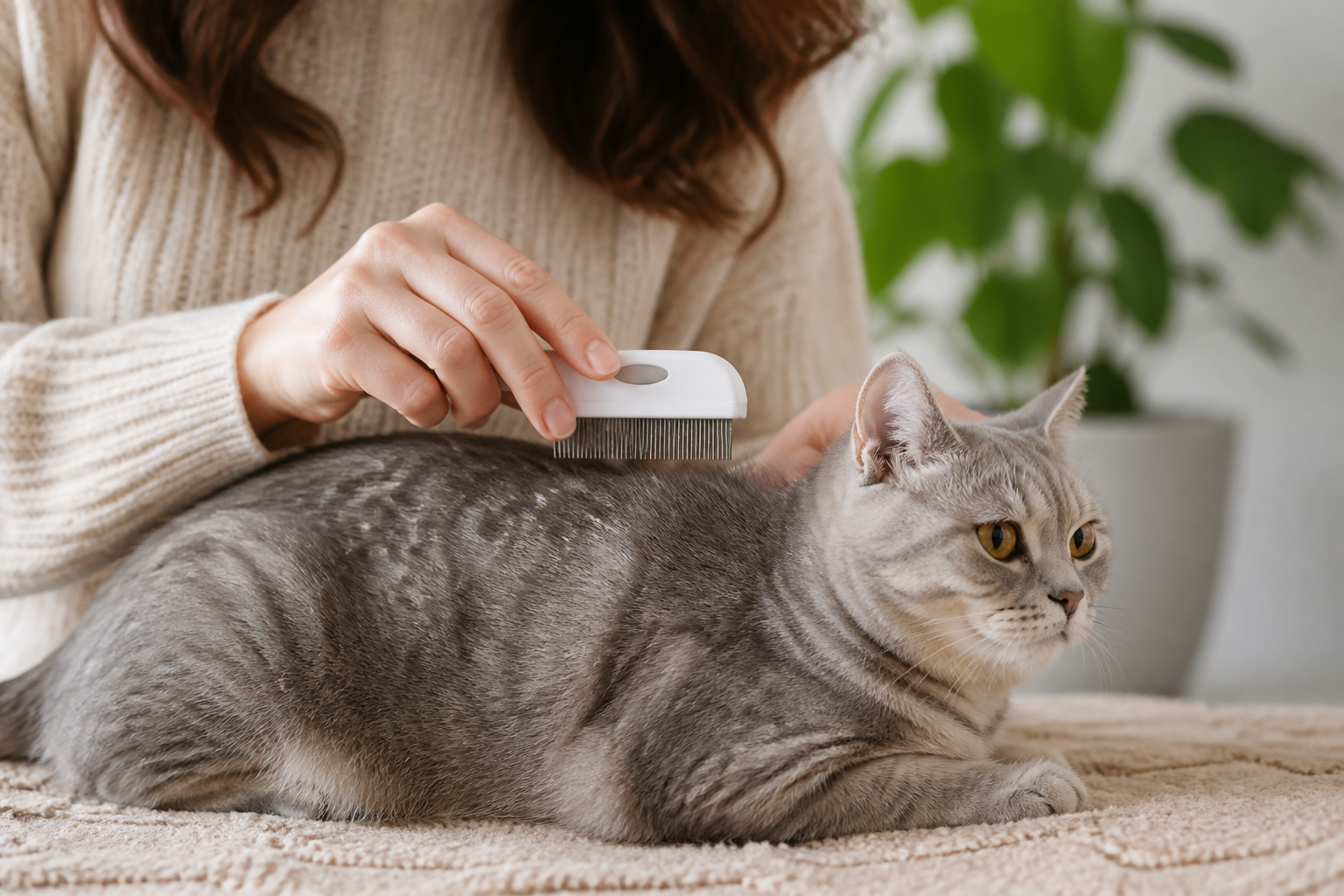
If your cat cannot groom themselves properly, you must step in. Regular brushing is the most effective way to remove dead skin cells and distribute natural oils. These oils are produced by the sebaceous glands and act as a natural conditioner for the fur. When you brush your cat, you are manually moving those oils from the skin out to the ends of the hair. Browse our cat grooming supplies for brushes, combs, and other grooming tools.
For cats with short hair, a rubber curry brush or a soft bristle brush is often enough. For long-haired cats, you might need a slicker brush or a de-shedding tool to reach the undercoat. It is important to be gentle. If the skin is already dry and irritated, a heavy-handed brushing session can cause discomfort and make your cat run away the next time they see the brush.
Step 1: Choose a quiet time when your cat is relaxed. / Let them sniff the brush first to feel comfortable.
Step 2: Start at the head and move toward the tail. / Follow the natural direction of the hair growth.
Step 3: Pay extra attention to the base of the tail and the lower back. / These are the areas where dandruff tends to congregate.
Step 4: Reward your cat with a healthy treat afterward. / This creates a positive association with grooming.
Should You Bathe a Cat with Dandruff?
In most cases, the answer is no. Most cats find water very stressful, and stress can actually trigger more skin issues. Furthermore, many shampoos can strip away the very oils you are trying to preserve. Unless your cat is extremely dirty or has a specific medical condition requiring a medicated soak, a bath is usually not necessary for dandruff.
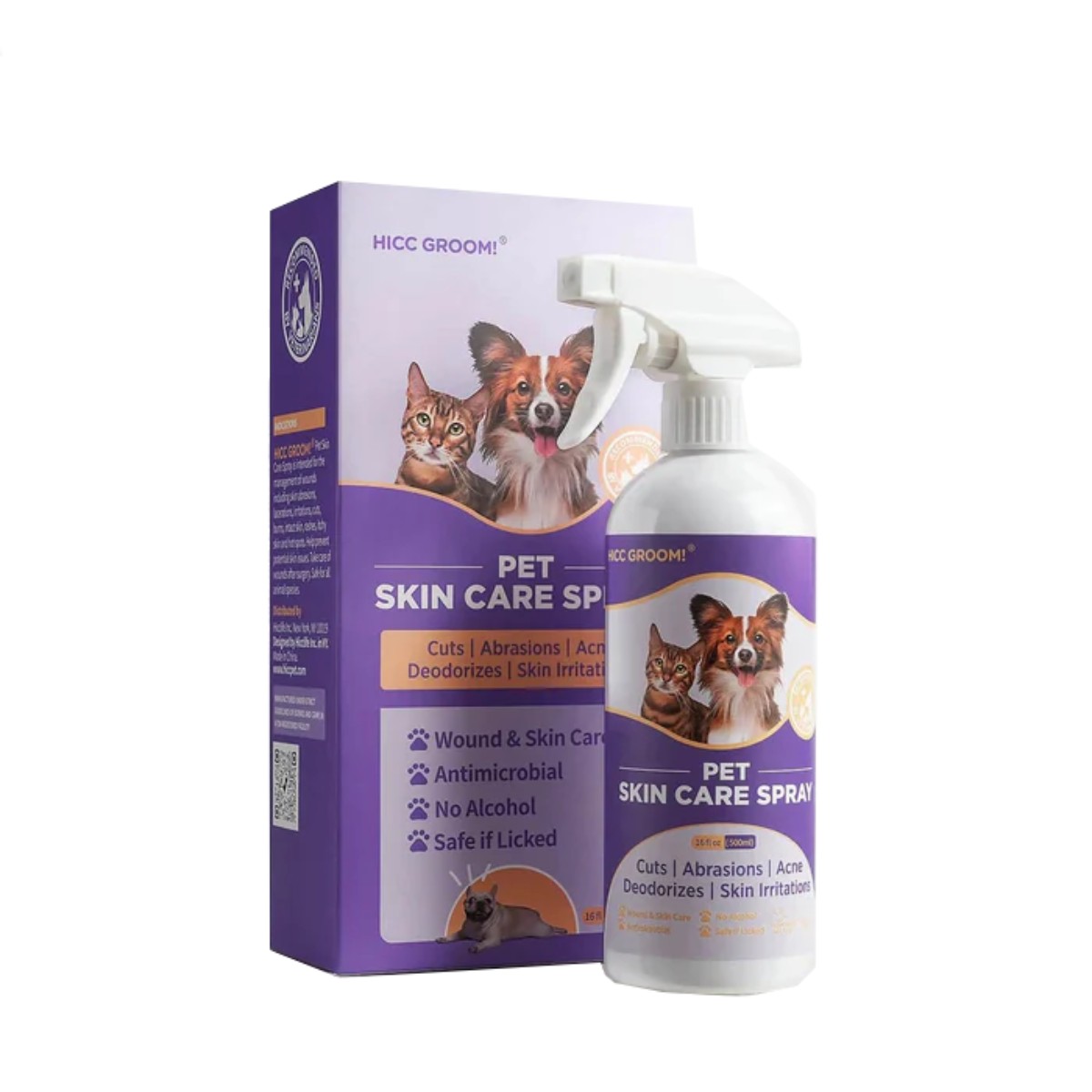
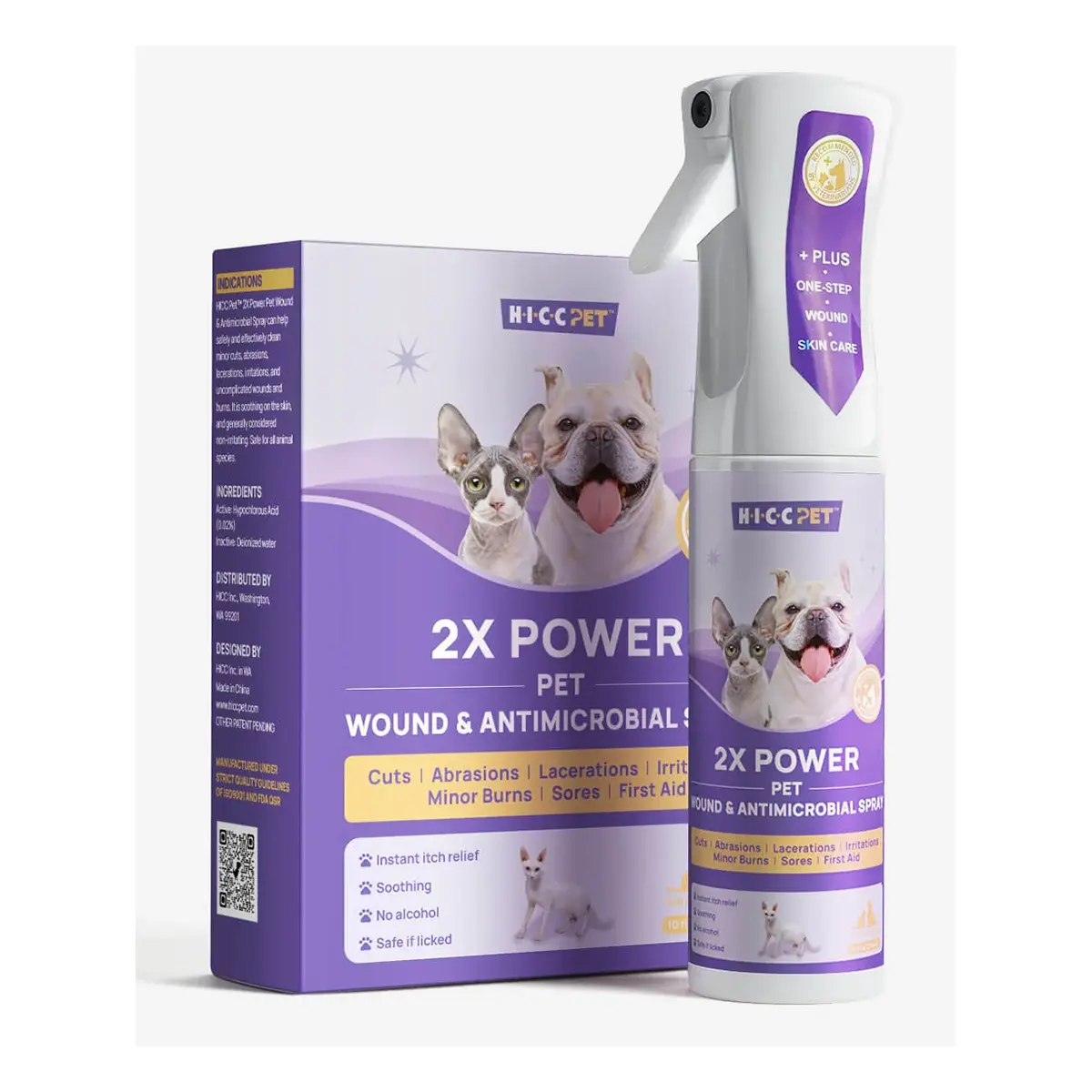
If you must use a topical product, look for a waterless foam or grooming wipes designed specifically for cats. These allow you to clean the coat and add moisture without the trauma of a full bath. Always ensure any product you use is feline-safe, as cats lick their fur and will ingest whatever you put on them.
Managing Environmental Triggers
If your cat's skin flakes only appear in the winter, the humidity in your home is likely the problem. Modern heating systems produce very dry air. A simple fix is to run a humidifier in the room where your cat spends the most time. Keeping the humidity between 40% and 50% can help both you and your cat feel more comfortable.
You should also look at the cleaners and detergents you use. Cats spend their lives walking on floors and sitting on furniture. If you use harsh chemicals or heavily scented detergents, these can irritate their skin. Switching to pet-friendly, unscented cleaners can reduce the total "itch load" on your cat’s system.
Home Environment Checklist
- Check humidity levels during winter months.
- Move cat beds away from direct heat vents or radiators.
- Switch to unscented, natural laundry detergents for blankets and beds.
- Ensure multiple fresh water sources are available to encourage hydration.
Using the Pharmacy for Specialized Care
When basic grooming and nutrition aren't enough, it might be time for specialized care. Some dandruff is caused by fungal infections like ringworm or bacterial dermatitis. These conditions will not go away with simple brushing. They require FDA-approved treatments that target the root cause of the infection.
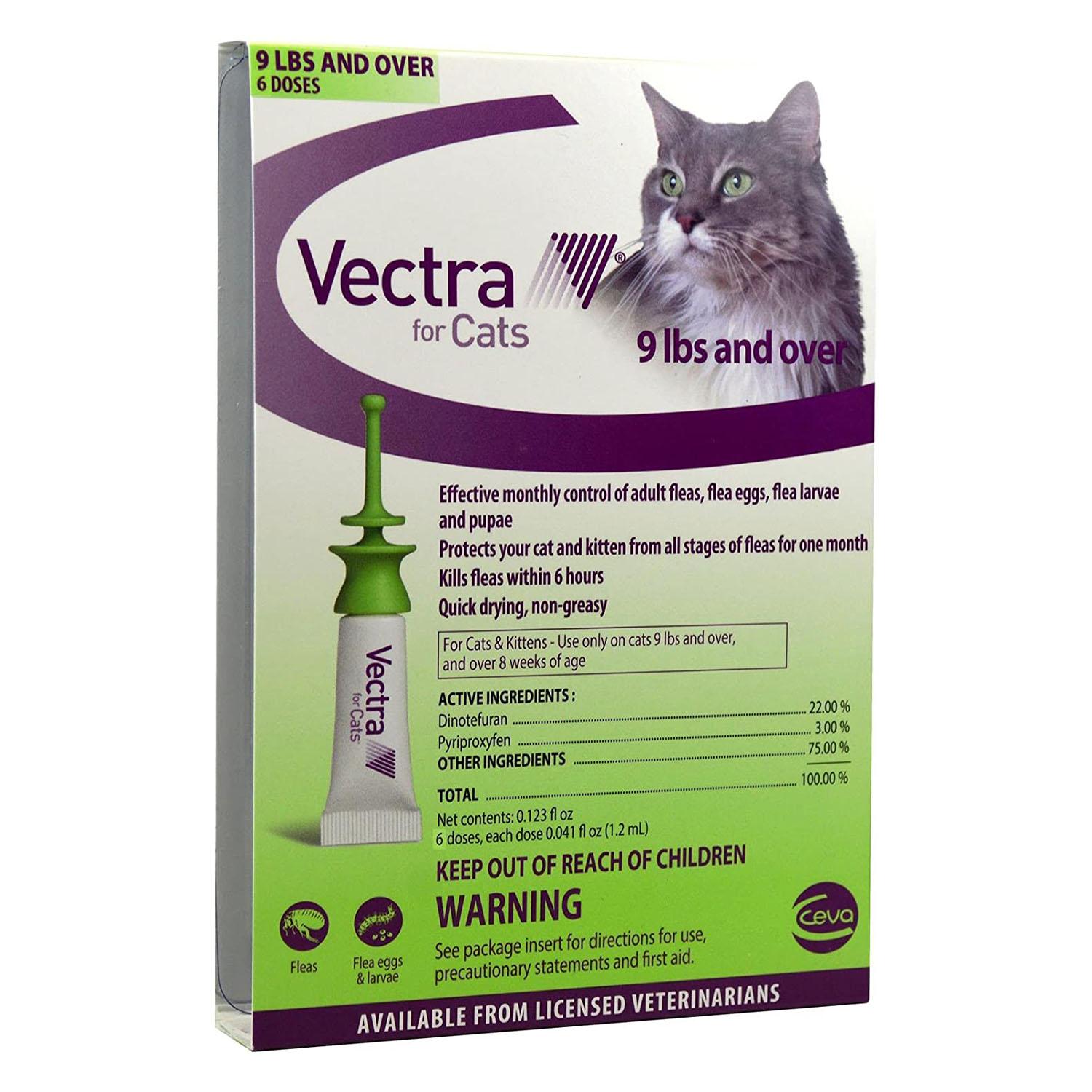
Our pharmacy provides a streamlined way to get these medications once you have a prescription from your vet. Through our partnership with Pet's Choice, we offer prescription diets like Farmina Vet Life, which are formulated for specific conditions like skin sensitivities or weight management. If parasites are the cause, we also carry a range of flea and tick preventives that keep the skin clear of biting pests.
Bottom line: While home care handles most dandruff, medical issues require medical solutions. Our cat pharmacy and Pet's Choice partnership offer a convenient way to manage your cat's prescription needs for chronic skin conditions.
When Is Dandruff a Veterinary Emergency?
While a few flakes are usually fine, certain symptoms indicate that the skin issues are part of a bigger problem. If your cat is losing large patches of hair, this is a sign of intense irritation or an autoimmune issue. You should also look for "hot spots" or areas where the skin looks red, raw, or weepy. These can quickly become infected if left untreated.
Pay attention to your cat's behavior. If they are constantly biting at their skin or seem restless and unable to get comfortable, they are in pain. Skin discomfort can be just as distressing as internal pain. A vet can perform a skin scraping or blood tests to rule out serious underlying causes like mites, fungal infections, or metabolic diseases.
Signs to Watch For
- Oozing or crusty sores on the skin.
- A foul odor coming from the fur or skin.
- Intense itching that interrupts sleeping or eating.
- Visible parasites or moving "walking dandruff" mites.
- Significant weight loss or lethargy alongside the flakes.
Helping Your Senior Cat Stay Comfortable
Senior cats face unique challenges that lead to dandruff. As cats age, their skin becomes thinner and less elastic. They also produce fewer natural oils. If your senior cat has stopped jumping on the counter or seems stiff when they wake up, they might have arthritis. This makes the twisting and reaching required for grooming nearly impossible.
You can help your senior cat by taking over their grooming routine. A daily five-minute brush can prevent mats and keep dandruff under control. You might also notice that your senior cat's coat feels greasy. This happens when the dead skin and oils build up because the cat is not licking them away. In these cases, a grooming wipe can help remove the excess buildup without the stress of a bath.
Maintaining a healthy weight is also vital for seniors. Extra weight puts more stress on aging joints and makes grooming even harder. If your senior cat needs to lose a few pounds to improve their mobility and skin health, consult your vet about a weight management plan. For additional nutrition context, read this guide to tailoring a cat’s diet through different life stages.
Conclusion
Cat dandruff is a common issue that most owners will face at some point. Whether it is caused by the dry winter air, a few extra pounds making grooming difficult, or a need for better nutrition, most cases are manageable with a few simple changes. By focusing on high quality food, regular brushing, and keeping your cat hydrated, you can help their skin return to a healthy, flake-free state.
Remember that your cat's coat is a window into their internal health. While a little dandruff is often harmless, keep a close eye on any changes in behavior or skin appearance. At BaxterBoo, we are here to support your cat's wellness journey with the right gear, expert-picked food, and pharmacy access for those times when you need a little extra help.
- Brush your cat daily to distribute natural oils and remove dead skin.
- Boost hydration with wet food and fresh water fountains.
- Ensure your cat is on a consistent flea and tick preventive.
- Consult your veterinarian if you notice redness, hair loss, or behavior changes.
Key Takeaway: Managing cat dandruff is a multi-step process involving grooming, nutrition, and environmental care. Most cats will see improvement with consistent brushing and a high quality diet rich in Omega fatty acids. For persistent issues, our pharmacy partnership with Pet's Choice is a great resource for prescription diets and medications.
FAQ
Why does my cat have white flakes on her back?
White flakes on a cat's back are usually dandruff, which consists of dead skin cells that have clumped together. This area is a common spot for dandruff because it is often the hardest place for a cat to reach during their self-grooming routine. If your cat is older or overweight, they may struggle to lick this area, leading to a visible buildup of skin cells.
Can I use human dandruff shampoo on my cat?
No, you should never use human dandruff shampoo on a cat. Human skin has a different pH level than cat skin, and the active ingredients in human shampoos can be toxic or extremely irritating to felines. If your cat needs a specialized shampoo, consult your veterinarian for a pet-safe recommendation or a prescription formula from our cat pharmacy.
Does brushing help with cat dandruff?
Yes, regular brushing is one of the most effective ways to reduce cat dandruff. Brushing manually removes the dead skin flakes before they can accumulate and helps distribute the natural oils produced by the skin. For the best results, use a brush suited for your cat's coat length and aim for short, daily sessions to keep the skin healthy.
Is cat dandruff a sign of a serious illness?
While often caused by environmental factors or minor grooming issues, dandruff can sometimes signal underlying health problems. Conditions like diabetes, kidney disease, or hyperthyroidism can affect skin quality and hydration. If the dandruff is accompanied by other symptoms like increased thirst, hair loss, or lethargy, it is important to visit a veterinarian for a checkup.



- Site & Contents BaxterBoo.com. BaxterBoo is located in the United States.
- Privacy & Security
- Terms of Use
- Accessibility Statement
