
 Save 15% on your 1st Autoship learn more

 Email us
 Live Chat
 FAQs
FAQs





Introduction
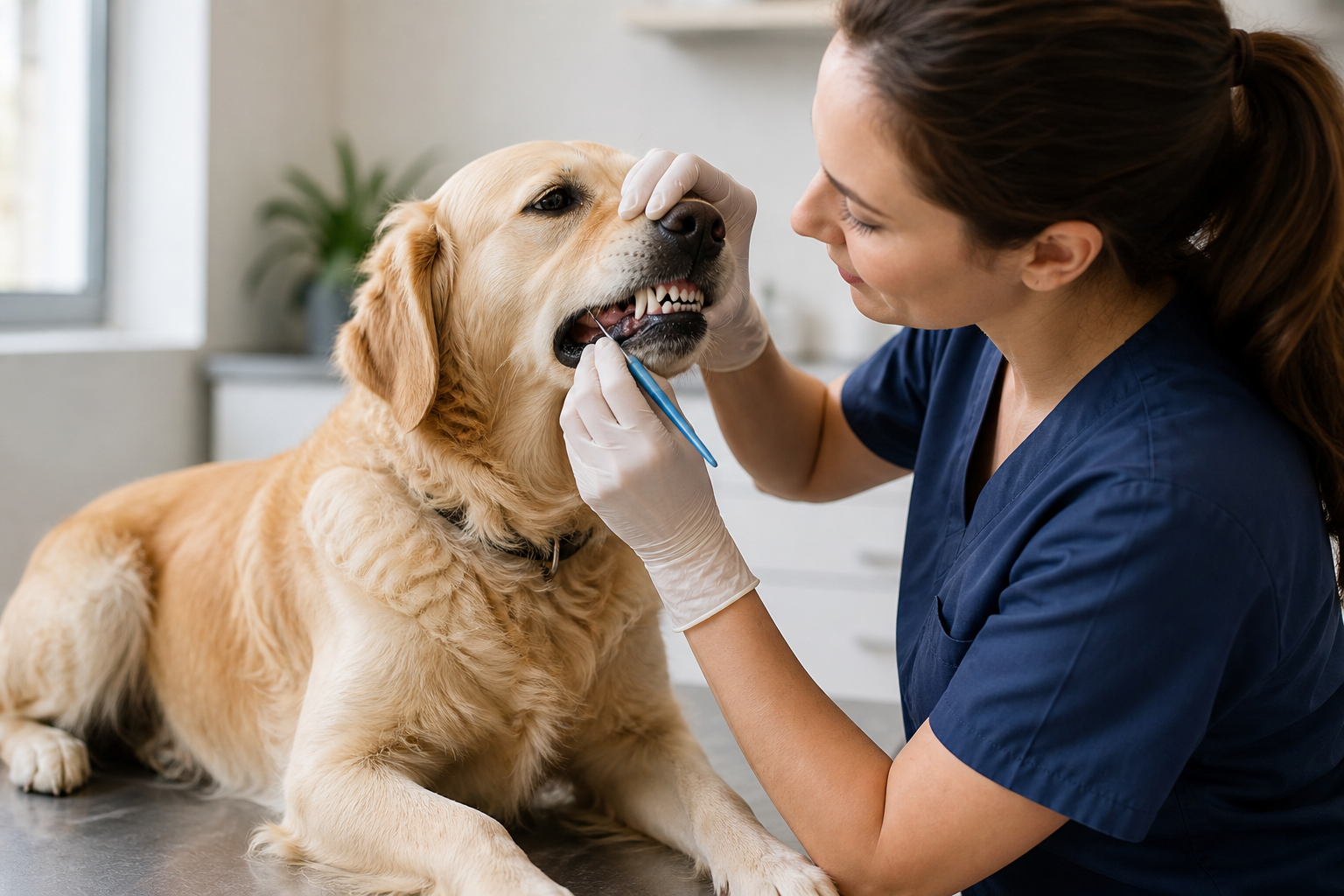
You lean in for a happy morning lick only to find that your dog's breath smells like a swamp. While we often joke about dog breath, a foul odor is usually the first sign of a serious health issue. Brushing at home is a great start, but it cannot reach the bacteria hiding deep under the gum line. This is why professional dental care is a cornerstone of modern pet health. At BaxterBoo, we see thousands of pet owners who want the best for their dogs but feel nervous about the cleaning process. This guide explains exactly what happens during a veterinary dental appointment, from the initial exam to the final polish. Understanding these steps will help you make the best decisions for your dog's long term wellness and comfort.
Quick Answer: A professional dental cleaning involves a physical exam, blood work, and general anesthesia. The vet uses ultrasonic and hand scalers to remove tartar above and below the gum line, followed by polishing and dental X-rays to check for hidden disease.
The Difference Between Home Brushing and Professional Cleaning
Brushing your dog's teeth at home is like us brushing our own teeth. It removes soft plaque before it can harden into tartar. However, even the most diligent owners cannot reach every corner of a dog's mouth. Once plaque hardens into tartar, or calculus, a toothbrush will not remove it. This hard material provides a surface for more bacteria to grow.
Vets perform a procedure called a Comprehensive Oral Health Assessment and Treatment. This is much more than a simple cleaning. It is a medical procedure designed to find and treat disease that is not visible to the naked eye. While home care keeps the surface clean, a professional cleaning addresses the areas where 80 percent of dental disease occurs: below the gum line.
If you skip professional cleanings, your dog can develop periodontal disease. This is a painful condition where bacteria destroy the bone and tissues that hold teeth in place. It can also lead to systemic health problems. Bacteria from the mouth can enter the bloodstream and damage the heart, liver, and kidneys. For more warning signs, read our guide to bad teeth in dogs.
The Importance of the Pre-Anesthetic Exam
A professional cleaning does not start with a scaler. It starts with a thorough physical examination. Your vet will look at your dog's overall health before they ever discuss the teeth. They check the heart, lungs, and lymph nodes to ensure your dog is a good candidate for the procedure.
Blood work is the next critical step. Your vet will recommend a blood panel to check liver and kidney function. These organs process the anesthesia. If the blood work shows any concerns, the vet may adjust the anesthetic protocol or postpone the cleaning until the underlying issue is managed.
What the Vet Looks For:
- Red, swollen, or bleeding gums.
- Fractured or broken teeth.
- Large deposits of brown or yellow tartar.
- Loose teeth or receding gum lines.
- Oral masses or tumors.
Vet Tip: Always share your dog's full medical history and current medications with your vet before a dental cleaning. This helps them tailor the anesthesia and pain management specifically to your dog's needs.
Why Anesthesia Is Mandatory for Success
One of the most common questions owners ask is why their dog must be put under. The idea of anesthesia can be scary, but it is actually the safest way to perform a thorough cleaning. There is a practice called anesthesia-free dental cleaning, but most veterinary experts strongly advise against it.
Anesthesia allows the vet to do several things that are impossible on an awake dog. First, it allows for the placement of a tracheal tube. This tube protects the airway and prevents the dog from inhaling water, bacteria, or debris during the cleaning. Second, it allows the vet to clean deep under the gums without causing the dog pain or stress.
A dog will not hold still for the scaling of their inner tooth surfaces. Sharp instruments are used during the process. If a dog flinches, it could result in serious injury to the tongue or gums. Anesthesia ensures a calm environment where the vet can take their time to be thorough.
Key Takeaway: Anesthesia is not just about keeping the dog still. It is about pain management, airway protection, and the ability to perform a complete medical assessment that is impossible while a dog is awake.
The Cleaning Process Step by Step
Once your dog is safely under anesthesia, the real work begins. A veterinary technician or the vet will monitor your dog's vitals throughout the entire procedure. They track heart rate, oxygen levels, and blood pressure.
Step 1: Oral Radiographs.
Most vets start with dental X-rays. About 60 percent of a dog's tooth is located under the gum line. X-rays reveal abscesses, bone loss, and tooth root decay that are invisible during a visual exam.
Step 2: Scaling.
The vet uses an ultrasonic scaler to remove large chunks of tartar. This tool uses vibration and water to break apart the hard deposits. After the large pieces are gone, they use hand instruments to scrape the remaining tartar from under the gums.
Step 3: Polishing.
Scaling leaves microscopic scratches on the tooth enamel. These scratches can actually make it easier for plaque to stick in the future. The vet uses a high speed polisher and a special paste to smooth out the enamel.
Step 4: Irrigation.
The mouth is thoroughly rinsed to remove any leftover paste or debris. The vet then performs a final inspection of each tooth. They use a dental probe to measure the depth of the "pockets" around each tooth. Deep pockets are a sign of advanced periodontal disease.
Bottom line: A professional cleaning is a multi-step medical procedure that combines advanced technology with hands-on skill to restore oral health.
Understanding Extractions and Advanced Treatments
Sometimes a cleaning reveals that a tooth is too far gone to save. If a tooth is loose, has an exposed nerve, or shows significant bone loss on an X-ray, the vet may recommend an extraction. Extracting a diseased tooth is often the kindest thing you can do for your dog. It removes a constant source of chronic pain and infection.
If the vet finds a problem during the cleaning, they will usually call you to discuss the next steps while the dog is still under. This prevents the need for a second round of anesthesia later. In some cases, advanced treatments like root canals or specialized gum treatments might be recommended.
For dogs with severe dental infections or those who have had extractions, the vet will prescribe medications. This often includes pain relief and antibiotics. Through our partnership with Pet's Choice, the BaxterBoo pharmacy carries a wide range of FDA-approved medications and prescription diets to help your dog heal after their procedure.
The Cost of Professional Dental Care
The cost of a dental cleaning can vary significantly. A routine cleaning for a young dog with healthy teeth might cost between $300 and $500. However, for a senior dog with multiple extractions and advanced disease, the cost can rise to over $1,000.
Several factors influence the price:
- The size and weight of your dog (this affects the amount of anesthesia needed).
- The age of your dog and the complexity of the blood work.
- The number of X-rays required.
- Whether extractions or oral surgery are performed.
- The location of the clinic and the level of specialist care.
While the price tag can feel high, it is a long term investment. Preventing oral disease is much cheaper than treating a dog for heart or kidney failure caused by chronic infection. We also recommend looking into FIGO pet insurance, which offers flexible plans that can help manage the costs of veterinary care.
Post-Cleaning Recovery at Home
Most dogs go home the same day as their dental cleaning. They may be a little groggy or wobbly for the first 12 to 24 hours as the anesthesia wears off completely. Your vet will provide specific instructions for aftercare.
If your dog had extractions, they will likely need soft food for several days. This allows the gum tissue to heal without irritation. You should also watch for any signs of excessive bleeding or swelling. Most dogs bounce back quickly and show a significant increase in energy once their painful teeth are addressed.
Recovery Checklist:
- Provide a quiet, warm place for your dog to rest.
- Feed a smaller meal than usual on the first night.
- Administer all prescribed pain medications on schedule.
- Avoid hard chew toys or treats for at least one week if extractions occurred.
- Monitor for any unusual lethargy or loss of appetite.
Note: It is normal for your dog to be a bit sleepy after the procedure, but they should still be responsive and able to walk. If they seem excessively out of it, contact your vet immediately.
Maintaining Results with At-Home Care
A professional cleaning is a fresh start, but it is not a permanent fix. Plaque can begin to form on the teeth within hours of the procedure. To keep those pearly whites clean, you need a daily maintenance routine.
Brushing is the gold standard. Use a toothbrush designed for dogs and a pet-safe toothpaste. Never use human toothpaste, as it contains ingredients like xylitol or fluoride that can be toxic to dogs. If your dog resists brushing, start slowly. Let them lick the paste off your finger first, then gradually introduce the brush.
Dental chews and specific diets also play a role. Products like Greenies dental chews are designed to help scrub the teeth as the dog chews. At BaxterBoo, we carefully curate our dental food and treat collection to ensure they meet the needs of different breeds and chewing styles.
For dogs with chronic dental issues, your vet might prescribe a specific dental diet. These kibbles are often larger and have a texture that helps scrape the teeth. You can find these specialized options in our pharmacy section, where we offer convenient delivery through our partnership with Pet's Choice.
Preventing Future Dental Issues
Prevention is always better than a cure. Starting a dental routine while your dog is a puppy is the best way to ensure they stay healthy. Small breeds, like Chihuahuas or Pugs, are especially prone to dental disease because their teeth are often crowded into small mouths. These dogs may need professional cleanings more frequently than larger breeds.
Regular checkups are vital. During your dog's annual exam, the vet will grade their dental health. If they suggest a cleaning, do not wait until the dog stops eating or starts acting painful. By that point, the disease is already advanced.
Our MVP Rewards program is a great way to save on the supplies you need for daily care. You can earn points on every purchase of toothbrushes, pastes, and dental chews. Pairing this with our Autoship program ensures you never run out of the essentials, and you save on every recurring order.
Conclusion
Professional veterinary cleanings are an essential part of responsible pet ownership. They go far beyond what any toothbrush or chew can achieve by addressing the bacteria and tartar hidden under the gums. While the process involves anesthesia and careful planning, the benefits to your dog's comfort and longevity are immeasurable. From the initial blood work to the final polish, every step is designed to protect your dog's health. We are here to support you in every stage of your dog's dental journey. Whether you need the right tools for daily brushing or prescription support after a procedure, BaxterBoo has the expert-curated products you can trust.
Key Takeaway: Regular professional cleanings prevent systemic health issues and chronic pain. Combine these visits with daily home care to give your dog the best chance at a long, healthy life.
For everything you need to keep your dog's mouth healthy between vet visits, explore our dog dental care products.
FAQ
How often should my dog get a professional dental cleaning?
Most dogs benefit from a professional cleaning once a year starting at age one or two. However, small breeds or dogs with a history of dental issues may need a cleaning every six months. Your veterinarian will assess your dog's mouth during their annual physical to determine the best schedule for their specific needs.
Is anesthesia safe for my older dog during a dental cleaning?
Anesthesia is generally very safe for senior dogs when proper precautions are taken. Vets perform pre-anesthetic blood work to check organ function and use advanced monitoring equipment during the procedure. For older dogs, the risk of untreated dental infection and chronic pain is often much higher than the risk of a controlled anesthetic event.
Can I just use a dental scaler at home to save money?
You should never use a metal scaler on your dog's teeth at home. Scalers are sharp and can easily slip, causing painful injuries to your dog's gums or tongue. Furthermore, scaling at home only removes the visible tartar on the surface and does nothing to help the disease under the gum line, giving owners a false sense of security while infection continues to grow.
Why does my dog need dental X-rays if their teeth look fine?
Dental X-rays are crucial because they show what is happening below the gum line and inside the tooth. Many dogs have healthy looking crowns but suffer from rotting roots, bone loss, or hidden abscesses that cause significant pain. Without X-rays, these problems go undiagnosed and untreated, leaving your dog in discomfort despite a "clean" looking mouth.






