
 Save 15% on your 1st Autoship learn more

 Email us
 Live Chat
 FAQs
FAQs





Introduction
If you have noticed your dog's breath getting a bit punchy lately, you are likely starting to think about dental care. You might see some brown buildup along the gumline and worry about the risks of professional cleanings. Many pet owners feel a deep sense of anxiety about putting their dogs under general anesthesia, leading them to wonder if there is a simpler way. At BaxterBoo, we talk to owners every day who are looking for the safest path to a healthy mouth. You might have seen advertisements for anesthesia free dental cleanings and wondered how they work and if they are right for your pup. This article looks at what happens during these sessions, why they are mostly cosmetic, and how you can manage your dog's oral health safely.
What Is Anesthesia Free Dental Cleaning?
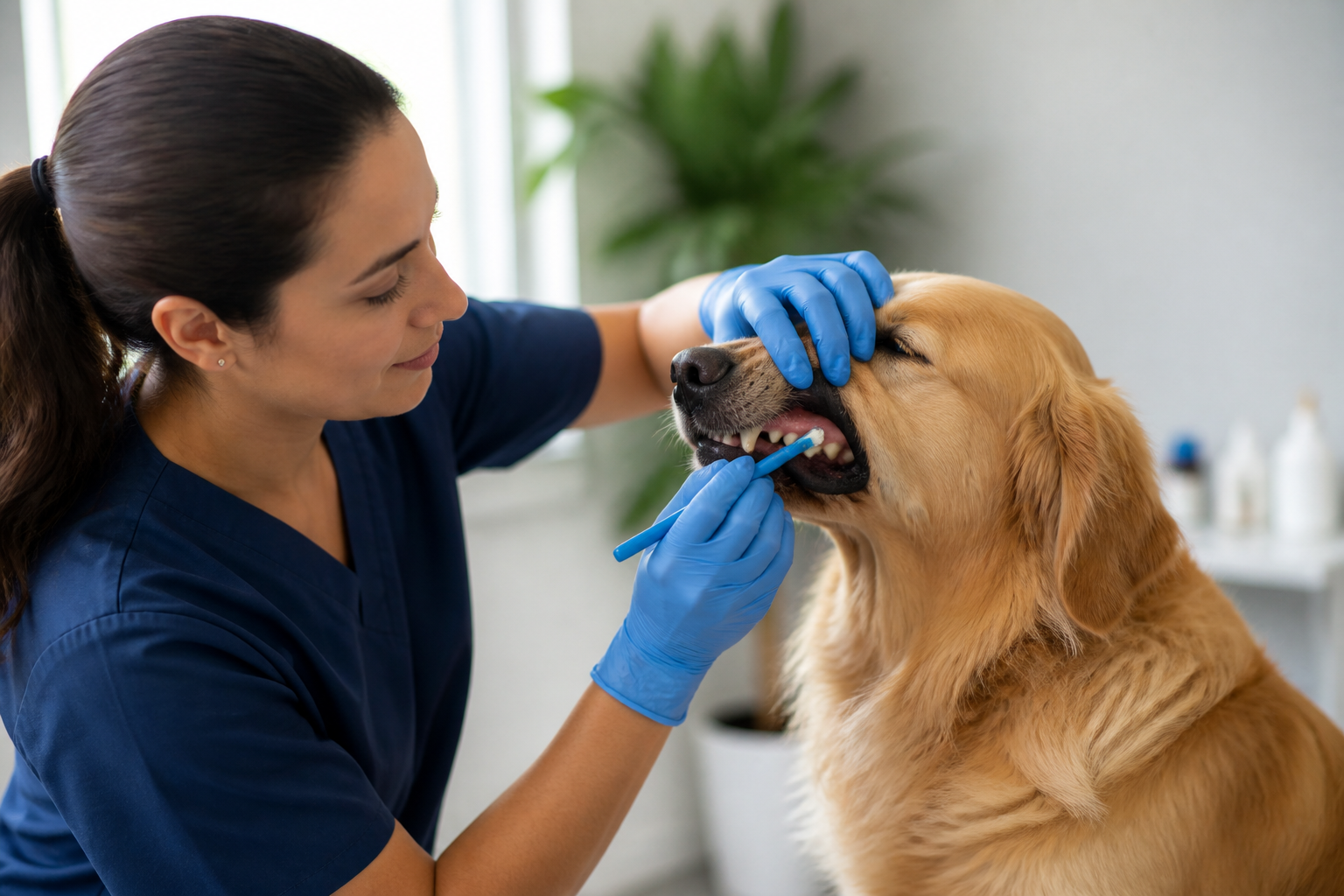
When people ask how vets or technicians clean teeth without anesthesia, they are usually referring to a procedure called Non-Anesthetic Dental scaling. In this setting, a practitioner scales the visible part of the tooth while the dog is awake and physically restrained. It looks very similar to what happens when you go to the dentist. The dog is typically placed on their side or back, and their mouth is held open while a technician uses hand tools to scrape away tartar.
It is important to understand that this is vastly different from a professional medical cleaning. Most veterinary organizations, including the American Veterinary Dental College, do not consider this a medical treatment for dental disease. Instead, it is often viewed as a cosmetic procedure. While the teeth may look whiter afterward, the real work of dental health happens where the eye cannot see.
Quick Answer: Vets or technicians perform non-anesthetic cleanings by physically restraining the dog and using hand scalers to scrape tartar off the visible surfaces of the teeth. While this makes teeth look cleaner, it cannot address bacteria or disease hidden under the gumline.
The Step by Step Process of Non Anesthetic Scaling
If you choose to move forward with a sedation free cleaning, the process usually follows a specific sequence. It is often shorter than a surgical cleaning because the scope of work is limited to what the dog will tolerate while awake.
Step 1: The initial assessment.
The provider will check the mouth to see if the dog is a candidate. If a dog has loose teeth, heavy bleeding, or high levels of aggression, they should not undergo this procedure.
Step 2: Physical restraint.
Because the dog is awake, they must be held still. This often involves a technician cradling the dog or using towels to keep them from wiggling. The goal is to keep the head steady so the sharp scaling tools do not slip.
Step 3: Scaling the crowns.
The provider uses a hand scaler to pop off the large chunks of tartar from the front and back of the visible teeth. They move quickly to minimize the time the dog spends under restraint.
Step 4: Wiping and rinsing.
The mouth is usually wiped down with an antiseptic solution. Some providers may attempt a light polish, but this is difficult to do thoroughly without a still, sedated patient.
Key Takeaway: Non-anesthetic cleanings focus on the "crown" or the part of the tooth you can see. They do not involve X-rays or deep cleaning under the gums, which are the most critical parts of oral health.
Why Some Owners Prefer the No Anesthesia Route
The primary driver for this choice is safety. Many owners have senior dogs or pets with underlying heart conditions. They worry that the stress of anesthesia might be too much for an older body. There is also a significant cost difference. A professional cleaning under anesthesia involves bloodwork, IV fluids, monitoring equipment, and a licensed veterinary team. A non-anesthetic session is often a fraction of that price.
At our warehouse in Vernon Hills, Illinois, we often hear from neighbors who want to do right by their senior pets without the risks of surgery. While the concern is valid, it is important to weigh the "fake" security of a cosmetic cleaning against the progression of actual dental disease. If the teeth look white but the roots are rotting, the dog is still in pain.
The Limitations of Staying Awake
The biggest issue with cleaning teeth without anesthesia is that the most dangerous bacteria live under the gumline. This area is called the subgingival space. To clean this area properly, a tool must be inserted between the tooth and the gum. Even the most well behaved dog will flinch when this happens. Without anesthesia, it is impossible to clean these pockets safely and thoroughly.
Furthermore, a dog cannot tell you if a tooth hurts. Under anesthesia, a vet can use a probe to check for "pockets" or bone loss. They can also take dental X-rays. More than half of a dog's tooth is located below the gumline. Without X-rays, a vet is essentially trying to diagnose a problem by only looking at the tip of the iceberg.
Vet Tip: If your dog has red gums, bad breath, or is dropping food, they likely have periodontal disease that a surface cleaning cannot fix. Consult your veterinarian for a full oral exam to see if there is infection hidden under the gumline.
The Stress Factor and Physical Restraint
We often think of anesthesia as the "scary" part, but being physically restrained while awake can also be very stressful. Imagine being held down while someone scrapes your teeth with a sharp metal hook. You cannot ask them to stop, and you do not understand why it is happening. For many dogs, this leads to significant anxiety and a fear of being touched around the mouth.
There is also a physical risk. If a dog suddenly jerks their head while a sharp scaler is near their gums, they can suffer a puncture wound or a laceration. In a professional setting under anesthesia, the dog's airway is protected by a tube. During an anesthesia free cleaning, the dog is at risk of inhaling the bacteria and tartar bits that are scraped off, which can lead to aspiration pneumonia.
How to Tell if Your Dog Needs a Professional Medical Cleaning
Since surface cleanings are mostly for looks, how do you know when it is time for the real thing? You should watch for signs of "silent" pain. Dogs are experts at hiding dental discomfort because their instinct tells them to keep eating no matter what.
- Consistent bad breath that does not go away after brushing.
- Bleeding gums when they chew on toys or eat hard kibble.
- Yellow or brown crust near the gumline.
- Pawings at the face or rubbing their mouth on the carpet.
- Chewing on only one side of the mouth.
If you see these signs, a cosmetic cleaning will not solve the underlying issue. This is where the our pet pharmacy becomes a vital resource. Through our partnership with Pet's Choice, we offer FDA-approved medications and prescription diets that your vet may recommend after a dental surgery. If your vet discovers an infection, they may prescribe antibiotics or specialized rinses to help the gums heal.
Creating a Successful At Home Dental Routine
The best way to avoid the anesthesia debate altogether is to prevent the buildup of tartar in the first place. If you can keep the teeth clean at home, your dog may only need a professional cleaning once every few years rather than every twelve months. For additional guidance, review these pet dental care tips.
Brushing Technique
You should aim to brush your dog's teeth at least three times a week. Daily is better. Use a toothpaste specifically made for dogs. Human toothpaste contains xylitol or fluoride, both of which are toxic to pets. Enzymatic toothpastes for dogs work even if you cannot get a perfect scrubbing motion because the enzymes help break down plaque chemically.
Dental Chews and Toys
Not all chews are created equal. Look for items that have the Veterinary Oral Health Council seal of approval. Brands like Greenies or specific Kong toys are designed to scrub the teeth as the dog chews. The mechanical action of the teeth sinking into a tough but flexible material helps wipe away plaque before it hardens into tartar. You can compare options in our dog dental care collection.
Water Additives and Wipes
If your dog absolutely refuses a toothbrush, wipes are a good middle ground. You wrap them around your finger and rub the surfaces of the teeth. Water additives can also help reduce the bacterial load in the mouth, though they are the least effective method when used alone.
Bottom line: At-home care is about consistency, not perfection; even thirty seconds of brushing a few times a week makes a massive difference.
The Role of Nutrition in Oral Health
What your dog eats plays a role in how fast plaque accumulates. Some dogs do better on specific dental diets. These kibbles are usually larger and have a fibrous texture that does not shatter immediately. This forces the dog to crunch through the nugget, which provides a scrubbing effect.
We carry several brands that focus on high quality ingredients that support overall wellness, which in turn supports the immune system's ability to fight oral bacteria. Brands like Farmina Vet Life offer specialized formulas that your vet might recommend for specific health needs. Keeping your dog at a healthy weight and on a nutrient dense diet ensures their body can handle the inflammation that often comes with gum disease.
Managing the Risks of Anesthesia
If your vet insists that a professional cleaning is necessary, do not panic. Modern veterinary anesthesia is incredibly sophisticated. Before the procedure, your vet will perform bloodwork to check kidney and liver function. This ensures the body can process the medications.
During the procedure, a dedicated technician monitors your dog's heart rate, oxygen levels, and blood pressure. They use warmed fluids to keep the dog's temperature stable. Most pets are awake and walking within an hour of the procedure ending. The benefit of a pain-free, infection-free mouth usually far outweighs the small risk of a controlled anesthetic event.
Checklist for Evaluating Dental Care Options
When deciding between an anesthesia free cleaning and a professional veterinary cleaning, use this checklist to guide your conversation with your vet.
- Does my dog have visible redness or swelling in the gums?
- Are there any loose or wiggly teeth?
- Has my dog's behavior changed regarding hard treats or toys?
- Is the goal of this cleaning health or just appearance?
- Does my dog have a history of heart or kidney issues that require a specialized anesthetic plan?
If the answer to any of the first three questions is yes, your dog almost certainly needs a professional medical cleaning with anesthesia and X-rays.
How BaxterBoo Supports Your Dog's Dental Journey
Our goal is to make it easy for you to provide top tier care at home so those vet visits are as easy as possible. We have curated a selection of over 500 brands to ensure you have access to the best brushes, pastes, and dental treats. Explore our dental chews for dogs for options that can fit into your dog's routine.
If your vet does find an issue, remember that we can help with the follow up care. Our pharmacy carries prescription dental diets and medications to manage infections or pain. You can even set these up on our Autoship programme to save money and ensure you never run out of the supplies your pet needs. Plus, the MVP Rewards programme lets you earn points on every dental chew and toothbrush you buy, which helps manage the cost of long term care.
Summary of Dental Care Strategies
Maintaining your dog's mouth requires a multi-pronged approach. You cannot rely on one single method to keep the teeth healthy for a lifetime.
- Daily or frequent brushing with enzymatic dog toothpaste.
- Providing high quality dental chews approved by the VOHC.
- Annual or bi-annual checkups with a veterinarian.
- Professional cleanings under anesthesia when medical issues like periodontal disease are present.
- Using the BaxterBoo pharmacy for any prescription needs or specialized recovery diets.
Key Takeaway: While vets can technically clean the surface of a dog's teeth without anesthesia, it is a cosmetic fix that leaves the most dangerous disease behind. True oral health requires cleaning under the gumline, which can only be done safely while the dog is asleep.
Helping Your Senior Dog
Senior dogs are the most common candidates for owners seeking anesthesia free options. It is a catch-22 situation. Older dogs are more likely to have advanced dental disease, but they are also the ones owners are most afraid to put under. If you have a senior dog, ask your vet about "light" sedation or a specialized anesthetic protocol designed for seniors. Often, the chronic pain of an infected mouth is harder on a senior dog's heart and kidneys than a carefully monitored thirty minute procedure.
If a professional cleaning is truly off the table due to health risks, your vet may focus on "palliative" dental care. This includes long term antibiotics or antiseptic rinses to keep the bacterial levels down. Our pharmacy partnership with Pet's Choice is a great way to manage these ongoing needs conveniently.
FAQ
Can a groomer clean my dog's teeth without anesthesia?
Some groomers offer tooth brushing or surface scaling as an add-on service. While brushing is a great preventative measure, groomers are not medically trained to perform scaling. Scaling creates microscopic scratches on the tooth surface that can actually trap more bacteria if the teeth are not properly polished afterward.
Is anesthesia free cleaning painful for my dog?
It can be quite uncomfortable. Scaling involves scraping hard mineral deposits off the teeth, and if the tool touches sensitive gums, it will hurt. Since the dog is not sedated, they feel the full sensation of the metal tools and the pressure of being held still, which can be a traumatic experience for many pets.
Why do some vets offer anesthesia free cleanings if they are not as effective?
A few veterinary practices offer this as a middle ground for owners who refuse anesthesia under any circumstances. The logic is that removing some tartar is better than doing nothing at all. However, most vets will clearly explain that this does not treat periodontal disease and is not a substitute for a surgical cleaning.
How much does it cost to clean a dog's teeth without anesthesia?
The cost varies by region, but it is generally much cheaper than a professional cleaning because it does not require a surgical suite, anesthesia, or a full medical team. However, because it does not stop the progression of gum disease, you may end up paying more in the long run for emergency extractions or treating systemic infections caused by bad teeth.
Conclusion
Taking care of your dog's teeth is one of the most important things you can do for their longevity. While the idea of cleaning teeth without anesthesia sounds like a safe and easy alternative, it is mostly a surface level fix. To truly protect your dog from the pain of tooth loss and the danger of heart or kidney disease, you need to address what is happening under the gums. Use the tools available at BaxterBoo to build a strong at home routine. If your vet recommends a professional cleaning, trust their expertise in keeping your pet safe. Our pharmacy is here to support you with any medications or prescription foods your pet needs for a healthy smile.
Bottom line: Surface cleaning is for looks, but professional dental care is for life.
FAQ
What is the biggest risk of skipping anesthesia for a dental cleaning?
The biggest risk is that serious medical issues like abscesses, bone loss, and deep infections remain hidden under the gumline and continue to cause your dog pain. Additionally, without a breathing tube, your dog could inhale bacteria-laden debris into their lungs during the scraping process.
Does my dog really need X-rays during a dental cleaning?
Yes, because most dental disease happens below the gumline where it is invisible to the naked eye. X-rays allow your vet to see if the roots are healthy or if a tooth is rotting from the inside out, which is common in many small breeds.
Can I use human dental tools at home to scale my dog's teeth?
You should never attempt to use metal scaling tools on your dog at home. You can easily slip and cause a deep puncture wound or damage the delicate enamel of the teeth. Stick to soft brushes, wipes, and approved dental chews for home maintenance.
How often should my dog get a professional dental cleaning?
Most dogs benefit from a professional exam and cleaning once a year, though some breeds with crowded teeth may need it every six months. Your veterinarian will evaluate the level of plaque and tartar during your annual wellness visit to determine the best schedule.






