
 Save 15% on your 1st Autoship learn more

 Email us
 Live Chat
 FAQs
FAQs





Introduction
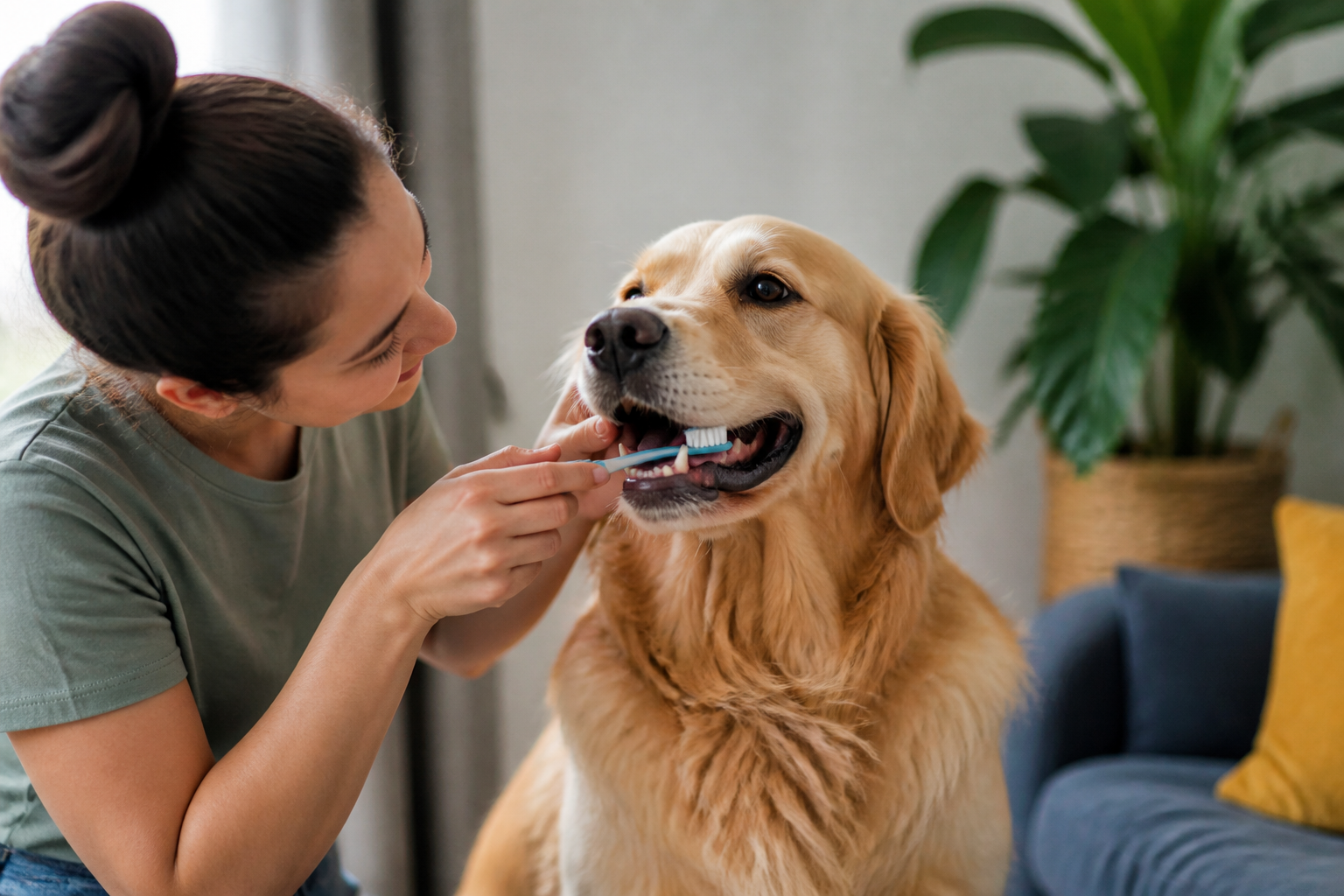
You are relaxing on the couch when your dog leans in for a happy nuzzle. Instead of a sweet moment, you are met with a puff of breath that smells like a swamp. Bad breath is one of the most common reasons pet owners start looking into dental hygiene. It is more than just a smelly inconvenience. Poor oral health can lead to pain, tooth loss, and even systemic infections that affect the heart and kidneys. At BaxterBoo, we know that many dogs find the idea of a toothbrush intimidating. This post covers the supplies you need, a step by step guide to brushing, and alternative tools for pups that refuse to cooperate. Learning how to maintain your dog’s smile at home can save them from discomfort and save you from expensive veterinary bills later.
Quick Answer: Clean a dog's teeth by using a pet-safe toothbrush and enzymatic toothpaste at a 45-degree angle to the gumline. If your dog resists brushing, use dental wipes, water additives, and VOHC-approved dental chews to reduce plaque buildup daily.
Why Dog Dental Care Matters
Most dogs show some sign of periodontal disease by the time they are three years old. It starts with plaque. This is a sticky film of bacteria that forms on the teeth just hours after eating. If you do not remove it, plaque mixes with minerals in the saliva and hardens into tartar. Tartar is the yellow or brown crust you see along the gumline. Once plaque turns into tartar, it cannot be removed with a toothbrush. It requires a professional cleaning by a veterinarian.
The real danger of tartar is that it provides a rough surface for even more bacteria to grow. This bacteria eventually travels under the gumline. This causes inflammation known as gingivitis. When the gums are inflamed, they become a gateway for bacteria to enter the bloodstream. This can lead to serious health complications in the organs. Regular cleaning keeps the gums tight against the teeth and prevents these bacteria from taking hold.
Key Takeaway: Oral hygiene is a foundational part of your dog's overall health. Daily care prevents plaque from hardening into tartar and protects your pet from systemic infections.
Essential Supplies for Success
You cannot use human products on your dog. Human toothpaste contains fluoride and often includes artificial sweeteners like Xylitol. Both are highly toxic to dogs. Xylitol can cause a dangerous drop in blood sugar and liver failure. Fluoride can lead to severe stomach upset or toxicity over time. Always choose an enzymatic toothpaste formulated specifically for pets. These come in flavors dogs actually enjoy, such as poultry, beef, or peanut butter.
The right brush also makes a big difference. For large dogs, a long-handled toothbrush with an angled head allows you to reach the back molars. Small dogs or puppies often do better with a finger brush. These fit over your fingertip like a sleeve and give you more control. Some brushes even have 360-degree bristles to clean multiple surfaces at once.
| Tool Type | Best Used For | Primary Benefit |
|---|---|---|
| Finger Brush | Small dogs and beginners | Better control and less intimidating for the dog. |
| Dual-Headed Brush | Medium to large breeds | Reaches back molars and cleans both sides of the tooth. |
| Enzymatic Toothpaste | All dogs | Breaks down plaque chemically even with light brushing. |
| Dental Wipes | Sensitive or resistant dogs | Quickly removes surface plaque without the bulk of a brush. |
Bottom line: Investing in the right pet-safe supplies is the first step toward a successful dental routine that protects your dog's health.
A Step-by-Step Guide to Brushing
Do not expect to clean every tooth on your first try. Brushing is a skill that you and your dog must learn together. Choose a time when your dog is calm and relaxed, perhaps after a long walk. Avoid starting the process when your dog is high-energy or hungry.
Step 1: Introduce the toothpaste / Put a small amount of enzymatic toothpaste on your finger and let your dog lick it off. This helps them associate the flavor with a positive reward.
Step 2: Get them used to mouth handling / Gently lift your dog’s lip and rub your finger along their teeth and gums. Do this for a few seconds and then give them a treat or praise.
Step 3: Introduce the brush / Put some toothpaste on the toothbrush and let your dog lick it again. Move the brush around their mouth without actually brushing yet to let them feel the texture.
Step 4: Use circular motions / Angle the bristles at 45 degrees toward the gumline. Move in small circles, focusing on the outside of the teeth where the most plaque accumulates.
Step 5: Gradually increase duration / Start with just 10 seconds per side. Over several weeks, work your way up to two minutes for the entire mouth.
Vet Tip: If you notice your dog's gums bleeding slightly during the first few sessions, do not panic. This is often a sign of mild gingivitis. If the bleeding is heavy or the gums look very bright red and swollen, stop and consult your veterinarian for an exam.
For additional guidance on introducing dental care gradually, read our pet dental care tips.
Alternatives to Brushing
Some dogs simply will not tolerate a toothbrush. This is common with senior rescues or dogs with very sensitive mouths. While brushing is the most effective method, several other tools can help keep the mouth clean. Mechanical cleaning through chewing is one of the easiest ways to supplement oral care.
Dental chews are designed to be abrasive. As your dog chews, the treat scrapes against the tooth surface to rub away plaque. Look for products with the VOHC (Veterinary Oral Health Council) seal. This seal means the product has been scientifically tested and proven to reduce plaque or tartar. We carry several VOHC-approved brands like Greenies and specific dental treats from NutriSource.
Water additives are another "hands-off" option. These are tasteless liquids you add to your dog’s water bowl. They contain enzymes or ingredients that break down the biofilm in the mouth. This makes it harder for plaque to stick to the teeth. Dental wipes are also useful. They look like round cotton pads soaked in a cleaning solution. You simply wrap one around your finger and swipe it over the teeth. It is less bulky than a brush and often better tolerated by picky dogs.
Bottom line: A multi-pronged approach using chews, toys, and water additives can significantly reduce plaque even if your dog hates the toothbrush.
Explore our dental and breath care collection for additional tools that can supplement brushing.
Recognizing the Signs of Dental Disease
It is important to know when at-home cleaning is not enough. If your dog already has significant tartar buildup, brushing over it can actually be painful. You should perform a "mouth check" once a week. Lift the lips and look at the back molars and the gumline. Healthy gums should be pink and firm. The teeth should be white without heavy brown or yellow crusting.
Watch for behavioral changes. If your dog starts dropping food while eating or only chews on one side of their mouth, they might be in pain. Other signs include excessive drooling or pawing at the face. Some dogs become irritable or shy away when you try to touch their head. If you see these signs, it is time for a professional veterinary assessment. We recommend regular dental checkups as part of your annual wellness visit to catch these issues early.
Common Signs of Oral Issues
- Persistent foul breath (halitosis).
- Yellow or brown crust near the gums.
- Red, swollen, or bleeding gums.
- Loose or broken teeth.
- Loss of appetite or reluctance to eat hard kibble.
Key Takeaway: Regular mouth checks help you spot the transition from simple plaque to serious dental disease before it causes your dog chronic pain.
For more warning signs to discuss with your veterinarian, see our guide to hidden dental problems in dogs.
Professional Cleanings and Veterinary Care
At-home brushing is like us brushing our teeth. Professional veterinary cleanings are like us going to the dentist for a deep scaling. Even with perfect brushing, some dogs are genetically predisposed to dental issues. Smaller breeds like Chihuahuas or Pugs often have crowded teeth. This creates small gaps where bacteria thrive. These dogs may need professional cleanings more frequently than larger breeds.
A professional cleaning is done under general anesthesia. This is the only way a vet can safely scale the inside surfaces of the teeth and clean under the gumline. It also allows the vet to take dental X-rays. These X-rays are vital because most dental disease happens below the visible surface. They can reveal abscesses, bone loss, or root decay that a standard exam would miss.
Our pharmacy carries a wide range of FDA-approved medications and prescription dental diets through our partnership with Pet's Choice. If your vet discovers an infection, they may prescribe antibiotics or specialized food to help manage the condition. Prescription dental diets are unique because the kibble is larger and does not shatter when bitten. Instead, the tooth sinks into the kibble, which scrubs the surface like a squeegee.
Bottom line: Professional cleanings and prescription diets are necessary tools for managing advanced dental needs that a toothbrush cannot solve alone.
Diet and Nutrition for Oral Health
What your dog eats impacts their dental health every day. There is a common belief that all dry food cleans teeth. While dry kibble is better than wet food for dental health, many standard kibbles are too small to provide a scrubbing effect. They simply crack and are swallowed. If you want diet to play a role in cleaning, look for kibble specifically formulated for oral health.
The ingredients in your dog's food also matter. Some premium brands we carry, like Farmina and Royal Canin, focus on balanced minerals to prevent excessive tartar formation. Avoid giving your dog sugary treats or human food scraps. Sugar is just as bad for dog teeth as it is for ours. It feeds the bacteria that cause decay.
Safe chewing is also part of a healthy routine. Hard rubber toys like those from Kong can help massage the gums and scrape the teeth during play. Be careful with very hard objects like cow hooves, stones, or certain heavy bones. If an object is harder than the tooth itself, it can cause a painful slab fracture. A good rule of thumb is the "knee cap test." If it would hurt to hit your knee with the object, it is likely too hard for your dog to chew safely.
Conclusion
Cleaning your dog's teeth does not have to be a stressful battle. By starting slowly and using the right pet-safe tools, you can make oral care a bonding experience. Remember that consistency is more important than perfection. Brushing three times a week is much better than once a month. Use a mix of brushing, dental chews, and water additives to keep plaque at bay.
Check your dog's mouth regularly for signs of redness or heavy tartar. If you notice any signs of pain or infection, schedule a visit with your veterinarian right away. Our pharmacy is here to support your pet's long-term health with prescription diets and medications ordered through our Pet's Choice partnership.
- Use pet-safe enzymatic toothpaste only.
- Introduce the brush gradually with plenty of praise.
- Supplement with VOHC-approved chews and toys.
- Schedule annual professional dental exams.
Bottom line: A proactive dental routine is one of the best ways to ensure your dog lives a long, comfortable, and healthy life.
If you are ready to start your dog's oral care routine, explore our dog healthcare category or visit our MVP Rewards programme for additional value on eligible purchases.
FAQ
Can I use a human toothbrush on my dog? A human toothbrush is usually too hard and the head is often too large for a dog's mouth. While a soft-bristled child's toothbrush can work in a pinch, a dedicated pet brush is better. Pet brushes are angled to reach the back molars and have softer bristles designed for sensitive canine gums.
How often do I really need to brush my dog's teeth? Ideally, you should brush your dog's teeth every day to remove plaque before it hardens into tartar. If daily brushing is not possible, aim for at least three times a week. Anything less than that allows plaque to mineralize, making it much harder to maintain oral health.
Is anesthesia-free dental cleaning a good alternative? Anesthesia-free cleanings only remove the tartar you can see on the surface of the tooth. They do not allow for cleaning under the gumline or dental X-rays, which is where the most serious disease occurs. Most veterinarians recommend anesthesia-based cleanings to ensure a thorough and safe procedure.
Are raw bones safe for cleaning a dog's teeth? Raw, meaty bones can help scrape away plaque, but they come with risks like tooth fractures or bacterial contamination. Never give your dog cooked bones, as they can splinter and cause internal damage. Always supervise your dog while they chew and consult your vet before adding bones to their routine.






