
 Save 15% on your 1st Autoship learn more

 Email us
 Live Chat
 FAQs
FAQs





Introduction
You drop your dog off at the clinic in the early morning and the receptionist tells you they might not be ready for pickup until late afternoon. It is a common moment of confusion for many pet owners who wonder why a cleaning takes several hours when their own dental appointments are much shorter. Understanding the timeline of a professional dental visit helps you prepare for the day and ensures you know exactly what your dog is experiencing while they are away from home.
At BaxterBoo, we know that dental health is one of the most important aspects of long-term wellness for your dog. A professional cleaning is a multi-step medical procedure that involves more than just a toothbrush. This article explains the breakdown of the time spent at the vet, the factors that can make an appointment longer, and how you can support your dog’s recovery. We want to help you navigate the process of canine dental care with confidence and clarity.
Quick Answer: A professional dental cleaning usually takes between 45 minutes and 90 minutes for the actual procedure. However, the entire hospital stay often lasts four to eight hours to allow for pre-anesthetic testing, safe sedation, and a supervised recovery period.
The Stages of a Professional Dental Appointment
A professional dental cleaning is rarely just a "drop-in" service. When you schedule a cleaning, you are essentially scheduling a minor surgical day for your pet. The time your dog spends at the clinic is divided into several distinct phases. Each phase is critical for safety and thoroughness.
The first phase is the pre-operative period. This usually takes about 30 to 60 minutes after you arrive. During this time, the veterinary team performs a physical exam and reviews pre-anesthetic bloodwork. These tests check liver and kidney function to ensure your dog can safely process the anesthesia. If the results show any concerns, the vet may need extra time to adjust the anesthetic plan or provide IV fluids before starting.
The second phase is induction and preparation. This takes about 20 to 30 minutes. The team administers sedative medications and places an IV catheter. They also insert an endotracheal tube to protect the airway and deliver oxygen and anesthetic gas. Setting up the monitoring equipment for heart rate, blood pressure, and oxygen levels is a meticulous process that cannot be rushed.
The third phase is the actual cleaning and examination. For a dog with healthy teeth and minimal tartar, this takes about 30 to 45 minutes. If the dog has significant buildup or requires extractions, this stage can easily stretch to two hours or more. The vet must scale every surface of every tooth and then polish them to prevent future plaque from sticking.
Key Takeaway: The "cleaning" is only one part of a comprehensive medical event that prioritizes safety and stabilization before the tools ever touch the teeth.
Factors That Increase Cleaning Time
Not every dog’s mouth is the same, so the clock runs differently for every patient. Several specific factors determine whether your dog will be out of the procedure in 45 minutes or if they will need much longer.
Severity of Tartar and Plaque
If a dog has not had a professional cleaning in several years, the buildup of tartar (calculus) can be quite thick. Removing these heavy deposits with an ultrasonic scaler takes time. The technician must be careful not to overheat the tooth or damage the enamel while working through layers of mineralized plaque. Dogs with advanced periodontal disease often have tartar hidden deep under the gum line, which requires slow and careful cleaning.
Digital Dental X-Rays
High-quality veterinary practices now include full-mouth X-rays as a standard part of the cleaning. This adds about 15 to 20 minutes to the procedure. Since more than 60 percent of a dog's tooth is hidden below the gum line, X-rays are the only way to find painful abscesses, broken roots, or bone loss. While this adds time to the appointment, it is the only way to ensure no hidden problems are left behind.
Necessary Extractions
If the vet finds a tooth that is loose, infected, or fractured, it may need to come out. Extractions are the most significant time-variable in dental work. A simple single-rooted tooth might take five minutes to remove. A large, multi-rooted molar can take 30 to 45 minutes on its own. This involves surgically sectioning the tooth and carefully removing each root to avoid breaking the jawbone or leaving fragments behind.
Breed and Size
Smaller dogs, particularly toy breeds like Yorkies or Chihuahuas, often have more crowded teeth. This crowding traps more debris and makes the cleaning process more technical. Conversely, very large dogs have more surface area to clean, which simply takes more physical time to cover with the scaling and polishing tools.
Vet Tip: If your dog has visible heavy tartar or bad breath, prepare for a longer procedure time. Most vets will call you during the cleaning if they find unexpected issues that require extractions or extended work.
Understanding Anesthesia-Free Cleanings
You may see advertisements for "anesthesia-free" dental cleanings that claim to take only 30 minutes. It is important to understand that these are primarily cosmetic. While they may take less time and cost less, they do not provide the same health benefits as a professional veterinary cleaning.
During a non-anesthetic cleaning, the dog is awake while someone scrapes the visible parts of the teeth. This is often stressful for the dog and does not allow for cleaning under the gum line, where the actual disease lives. It also makes it impossible to take X-rays or perform a full oral exam. At BaxterBoo, we believe in providing gear and information that supports the highest standard of care. Most veterinarians agree that anesthesia is necessary to protect the airway and ensure a painless, thorough cleaning.
Without anesthesia, a dog cannot be expected to hold perfectly still. This creates a risk of injury from the sharp scaling tools. Furthermore, a professional cleaning includes polishing the teeth. Scaling leaves microscopic scratches on the enamel. If those scratches are not polished out, plaque will return even faster than before. Anesthesia-free services rarely include this critical polishing step.
Bottom line: Anesthesia-free cleanings are shorter but do not address the bacteria under the gums that lead to heart and kidney disease.
The Recovery Timeline
Once the cleaning is finished, the clock does not stop. The recovery period is one of the most important parts of the day. Most dogs remain at the clinic for two to four hours after the procedure is complete.
During the first hour of recovery, a technician stays with the dog until they are conscious enough to swallow and have the breathing tube removed. They monitor the dog's body temperature, as anesthesia often causes it to drop. The team also watches for signs of pain, especially if extractions were performed.
When you bring your dog home, they will likely be groggy for the remainder of the day. You should expect them to be back to their normal self within 24 to 48 hours. If the vet performed extractions, they might prescribe soft food and medications for a week or two. Our dog pharmacy carries prescription products your vet might recommend for post-operative care or chronic oral infections.
Key Takeaway: Proper recovery at the clinic is vital for safety, so do not be surprised if the vet asks to keep your dog until the very end of the business day.
How to Prepare for the Day
To make the process go as smoothly as possible, there are steps you should take before the appointment. These steps can actually help reduce the risk of complications that might extend the time your dog needs to stay at the hospital.
- Follow Fasting Instructions: Most vets require you to withhold food after 10 PM the night before. An empty stomach is essential for safe anesthesia.
- Provide a Reliable Phone Number: The vet may need to call you while your dog is under anesthesia to get permission for extractions. If they cannot reach you, they may have to stop the procedure, leading to a second appointment later.
- Prepare a Quiet Space: Have a crate or a small room ready at home where your dog can rest undisturbed while the anesthesia fully wears off.
- Ask for an Estimate: A detailed estimate will often list "dental time" in increments, which can give you a better idea of how long the vet expects the procedure to take based on your dog's specific oral health.
Vet Tip: Always disclose any supplements or over-the-counter medications your dog is taking during the check-in. Some products can affect blood clotting or interact with anesthetic drugs.
Maintaining Results at Home
The best way to shorten the time your dog spends in the dental chair in the future is to maintain their teeth at home. When you keep the tartar levels low, the vet can get through the professional cleaning much faster.
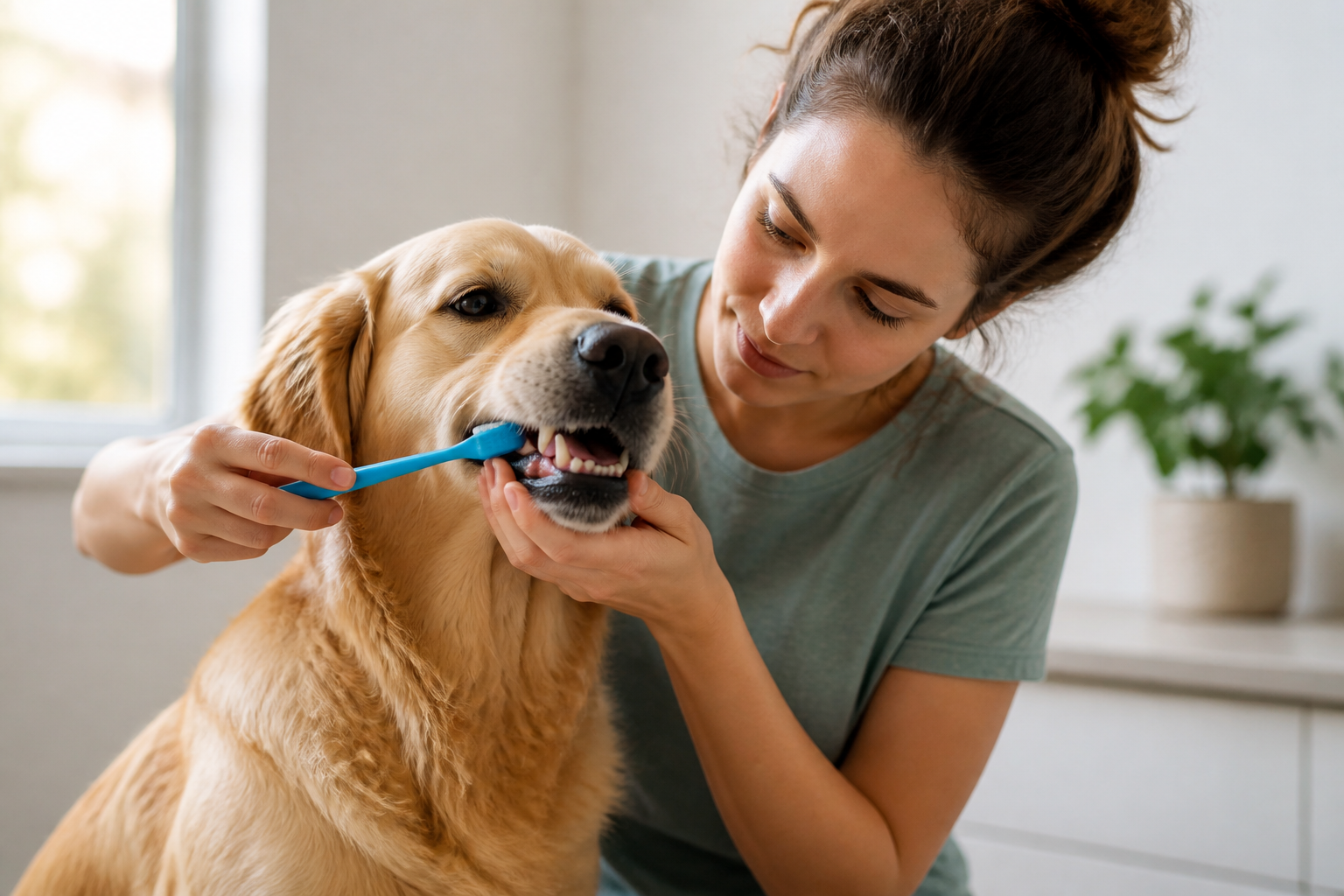
Daily brushing is the gold standard. Even brushing three times a week can significantly reduce the rate of tartar accumulation. Use a toothpaste specifically formulated for dogs, as human toothpaste contains ingredients like xylitol that are toxic to pets. We carry a wide selection of dog-safe toothbrushes and pastes to help you get started.
In addition to brushing, dental chews and water additives can be helpful tools. Look for products that have the Veterinary Oral Health Council (VOHC) seal of approval. These products have been tested to prove they actually reduce plaque and tartar. While these do not replace the need for professional cleanings, they can make the cleanings easier and less frequent.
If your dog has a history of severe dental disease, your vet may recommend a prescription dental diet. These kibbles are designed to scrub the teeth as the dog eats. You can often find these specialized diets through our pharmacy partnership, which makes it easy to keep your supplies stocked via our Autoship programme.
Checklist for Post-Dental Care
Once you pick up your dog, the first 24 hours are the most important for a safe recovery. Follow this checklist to ensure they bounce back quickly.
- Monitor Breathing: Watch for steady, easy breathing. Some light snoring is normal after being intubated, but heavy gasping is not.
- Check the Gum Color: Gums should be pink. If they look pale, white, or blue, call your vet immediately.
- Restrict Activity: No long walks or rough play for at least 24 hours. Anesthesia can affect a dog's balance and coordination.
- Offer Water in Small Amounts: Give small sips of water first. If they keep that down, you can offer a small portion of their dinner later in the evening.
- Follow Medication Schedules: If your vet sent home pain relief or antibiotics, give them exactly as directed. Do not skip doses.
Bottom line: A successful dental cleaning relies as much on your care at home as it does on the vet's work in the clinic.
Why Quality Gear Matters for Oral Health
Using the right tools at home can change the trajectory of your dog's dental health. Many owners struggle with brushing because they use brushes that are too large or stiff for their dog's mouth. At BaxterBoo, we handpick dental supplies that are designed for different jaw shapes and sizes.
For example, finger brushes are often a great starting point for puppies or small dogs who are nervous about having their mouth handled. As they get more comfortable, you can transition to a long-handled brush that reaches the back molars, where most tartar builds up. The Petsmile Professional Toothbrush for Dogs and Cats is one option for building a consistent brushing routine.
Consistent use of these tools keeps the gums healthy and may prevent the need for expensive extractions during professional visits.
Beyond brushes, we also offer toys designed to stimulate the gums and scrape away soft plaque. These are excellent for "passive" dental care. When your dog chews on a textured toy, the mechanical action helps clean the teeth while they play. Combining these efforts with regular professional checkups is the best way to ensure your dog keeps their smile for a lifetime.
Key Takeaway: Home care is a partnership between you and your dog, supported by the right supplies and professional guidance.
Conclusion
The answer to how long it takes to clean a dog's teeth is a mix of the procedure itself and the necessary medical safeguards. While the physical cleaning might only take an hour, the commitment to a safe, professional experience means your dog will likely spend the better part of a day at the clinic. This time is an investment in their comfort and longevity. By understanding the timeline and the factors involved, you can better support your pet through the process.
If your vet has recommended a professional cleaning or if you are noticing the signs of dental disease, take the time to prepare. Check your supplies and ensure you have what you need for recovery. You can also review dental care tips for pets to help support your dog's routine at home.
Visit the BaxterBoo pharmacy section to explore prescription options for dental health or sign up for the MVP Rewards programme to earn points on eligible dental care essentials.
FAQ
How long does it take for a dog to fully wake up from anesthesia?
Most dogs are conscious and able to stand within 30 to 60 minutes after the anesthetic gas is turned off. However, they will remain groggy and may have "heavy" legs for several hours. It usually takes a full 24 hours for the anesthesia to completely clear their system and for their personality to return to normal.
Can my dog eat the same night as a dental cleaning?
In most cases, you can offer a small meal (about half the usual size) a few hours after you get home, provided your dog is alert and walking steadily. If your dog had extractions, the vet will likely recommend softening their dry kibble with warm water or feeding a canned wet food for several days. Always follow the specific feeding instructions provided by your veterinarian.
Why does the vet need to keep my dog all day if the cleaning is short?
The extended stay is for safety and thoroughness. It includes the time for the pre-surgical exam, waiting for bloodwork results, the gradual process of sedation and induction, the cleaning itself, and the critical recovery window. Veterinary staff monitor your dog during recovery to ensure there are no complications as they wake up, which is the most common time for anesthetic issues to occur.
Is it normal for my dog to cough after a teeth cleaning?
It is relatively common for dogs to have a mild, dry cough for one to three days after a dental procedure. This is usually due to slight irritation in the trachea from the endotracheal tube used to deliver anesthesia. If the cough is severe, produces phlegm, or lasts longer than three days, you should contact your veterinarian to ensure there is no underlying irritation or infection.






