
 Save 15% on your 1st Autoship learn more

 Email us
 Live Chat
 FAQs
FAQs





Introduction
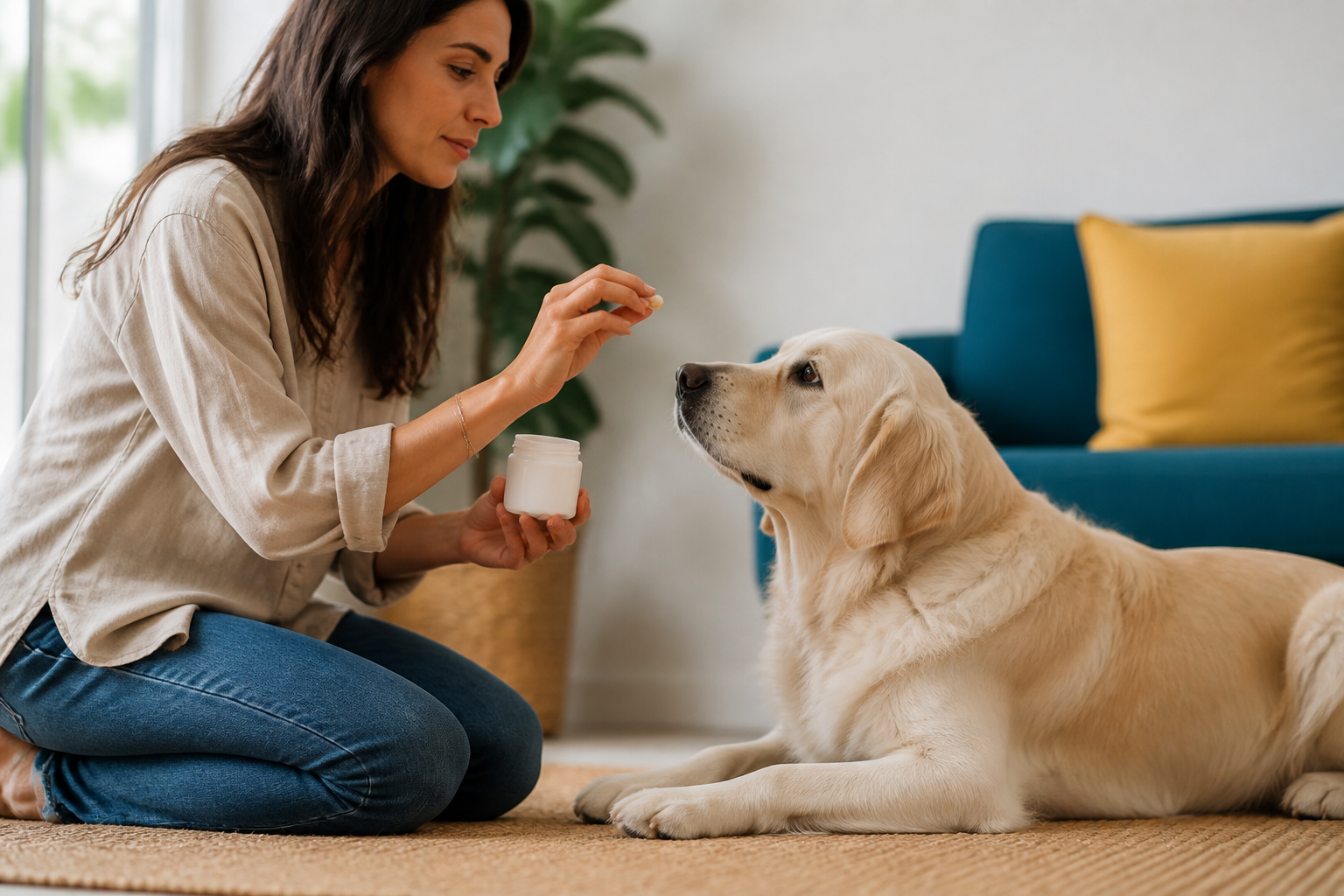
You are likely standing in your kitchen, looking at a new container of supplement chews and wondering if this is a forever change for your dog. Perhaps your pet just finished a round of antibiotics, or they have been struggling with gas after every meal. You want to support their gut health, but you need to know if you are looking at a two week fix or a lifelong commitment. We at BaxterBoo help pet parents navigate these health choices every day. The answer depends entirely on your dog's specific needs and the health goals you have set with your veterinarian. This guide explains the differences between short term and long term use. We will help you understand how to time these supplements for the best results.
Understanding the Dog Microbiome
To understand the timeline, you first need to know what is happening inside your dog. The gut is home to trillions of tiny organisms called microbes. These include bacteria, fungi, and yeast. When these are in balance, your dog digests food well and stays healthy. When they are out of balance, you might notice loose stools or skin issues.
Probiotics are live, beneficial bacteria. When you give them to your dog, you are adding "good" soldiers to the digestive tract. These bacteria compete with harmful microbes for space and resources. This process is not instant. It is more like planting a garden than flipping a light switch. The new bacteria need time to settle in and start working.
Quick Answer: Most dogs need probiotics for at least two to four weeks to see a significant change in digestive balance. For chronic issues like allergies or ongoing anxiety, a long term daily routine is often more effective.
Dog Digestive Health











Short Term Probiotic Use
Short term use is best for sudden changes or temporary stress. In these cases, you are trying to help the gut get back to its normal state quickly. You are not necessarily trying to change the long term makeup of the microbiome.
Dietary Transitions
Changing your dog's food can be hard on their stomach. Even high quality brands like NutriSource or Open Farm require a slow transition. If you switch foods too fast, the bacteria in the gut can become overwhelmed. Giving a probiotic for seven to ten days during this switch can prevent diarrhea.
Stressful Events
Stress releases hormones that can physically change how the gut works. If you are planning to board your dog or move to a new house, their digestion might suffer.
- Start the supplement three days before the event.
- Continue for at least three to five days after things settle down.
- This helps maintain a stable environment when your dog feels anxious.
For additional preparation advice, read about helping your dog transition during a move.
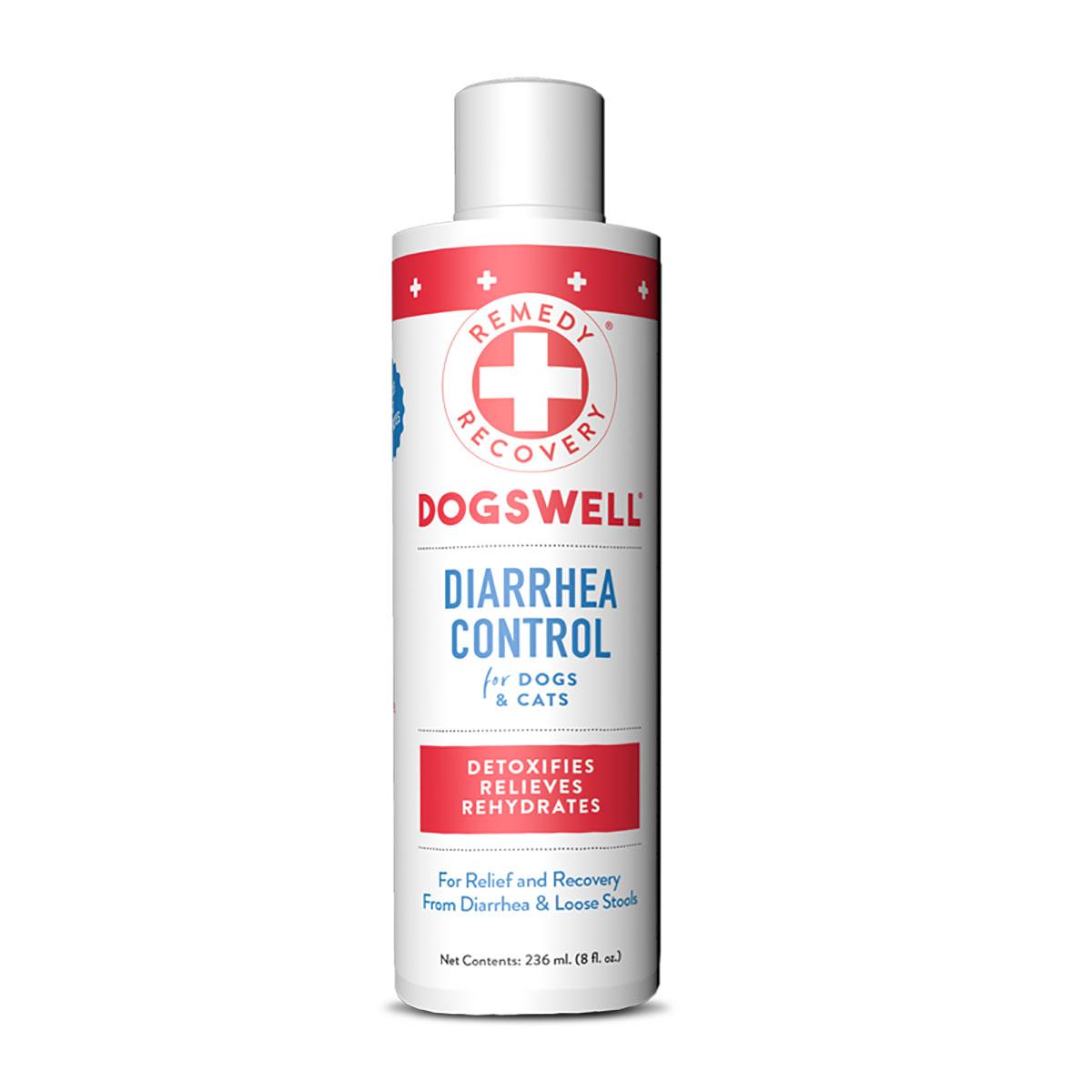
Acute Digestive Upset
If your dog ate something they should not have, their gut is likely in a state of chaos. A short course of probiotics can help firm up stools. Most owners see results within three to five days. However, you should continue for at least a full week to ensure the "bad" bacteria do not take over again.
Our dog digestive health supplements include probiotic options for different feeding preferences.
Long Term Probiotic Use
Some dogs benefit from having probiotics as a permanent part of their diet. This is common for pets with chronic health conditions or those entering their senior years.
Chronic Digestive Issues
Some dogs naturally have more sensitive stomachs. They may deal with frequent gas or soft stools for no obvious reason. For these dogs, a daily supplement like Zesty Paws or Honest Paws can provide much needed consistency. Continuous use helps keep the gut environment acidic, which prevents harmful bacteria from growing.
For a specific option, consider Zesty Paws Vet Strength Pre, Post & Probiotic Gut Health Bites.
Support for Allergies and Skin
The gut holds about 70 percent of a dog's immune system. If the gut is unhealthy, the immune system can overreact to things like pollen or food proteins. This often shows up as itchy skin or ear infections. Studies suggest that consistent probiotic use can help regulate this immune response.
- Expect to wait six to eight weeks to see skin improvements.
- Daily use is required to keep the immune system steady.
- Stopping the supplement often leads to a return of the itching.
Senior Pet Wellness
As dogs age, their bodies become less efficient at absorbing nutrients. Their microbiome also becomes less diverse. Providing daily probiotics to a senior dog can help them get the most out of their food. It also supports their immune system, which naturally weakens over time.
Probiotics and Antibiotics
Antibiotics are life saving medications, but they do not discriminate between good and bad bacteria. They often wipe out the beneficial microbes in your dog's gut. This is why many dogs get diarrhea while taking medicine.
You should start probiotics the same day your dog starts antibiotics. However, timing is everything. If you give them at the exact same time, the antibiotic might kill the probiotic bacteria before they can help.
Vet Tip: Wait at least two hours between giving an antibiotic and a probiotic. This gap gives the supplement a better chance of surviving and doing its job.
Continue the probiotics for at least two weeks after the antibiotic course is finished. This helps rebuild the colony that the medication destroyed. Our pharmacy carries a variety of supportive treatments that work alongside these medications. Through our partnership with Pet's Choice, we provide access to the professional products your vet recommends for recovery.
Explore our pet pharmacy for prescription medications and veterinary-support products.
How to Tell if the Probiotics are Working
It is important to track your dog's progress. Do not expect perfection on day one. Instead, look for gradual improvements over the first month.
The First Week
During the first few days, you might actually notice a little more gas. This is normal. It means the new bacteria are starting to interact with the existing ones. By the end of the first week, stools should start to look firmer and more consistent.
The One Month Mark
By four weeks, you should have a clear idea of the supplement's impact. Your dog should have:
- More regular bowel movements.
- Less stomach gurgling after meals.
- Better energy levels due to improved nutrient absorption.
- A reduction in "dog breath" if the issue was related to digestion.
For more guidance on loose stools, read what can cause diarrhea in dogs.
Key Takeaway: If you see no improvement after six weeks of consistent daily use, the specific strain you are using might not be the right fit for your dog.
Factors that Affect the Timeline
Not every dog responds to probiotics in the same way. Several factors can speed up or slow down the results.
Colony Forming Units (CFU)
The CFU count tells you how many live bacteria are in each dose. A higher number is not always better, but it needs to be high enough to survive the trip through the stomach. Most healthy dogs do well with 1 to 10 billion CFUs. If the count is too low, it will take much longer to see any change.
Strain Diversity
Different bacteria do different jobs.
- Lactobacillus acidophilus helps with stool quality.
- Bifidobacterium animalis is great for diarrhea.
- Bacillus coagulans is very hardy and survives stomach acid well.
Using a product with multiple strains often yields faster results than a single strain product.
Diet Quality
Probiotics need food to survive. These are called prebiotics. They are types of fiber found in high quality dog foods. If your dog eats a diet full of fillers and artificial preservatives, the good bacteria will struggle to grow. We recommend pairing your supplements with premium foods like Farmina or Stella and Chewy's to give the bacteria the best environment.
For another probiotic and prebiotic format, see Fera Pet Organics Probiotics with Prebiotics.
How to Administer Probiotics Correctly
To ensure the supplement works as fast as possible, you must give it correctly. Consistency is the most important factor.
Step 1: Choose a repeatable time. / Give the probiotic at the same time every day, such as with breakfast. This helps maintain a steady level of bacteria in the gut.
Step 2: Follow the storage instructions. / Some probiotics must be refrigerated to keep the bacteria alive. Others are shelf stable. If you store them incorrectly, you are giving your dog "dead" bacteria that will not work.
Step 3: Check for expiration dates. / Live cultures do not last forever. Always use the product before the date on the container to ensure potency.
Step 4: Watch for reactions. / While rare, some dogs might be sensitive to the flavorings in chews. If your dog develops hives or starts vomiting, stop use and call your vet.
Bottom line: Consistent daily administration at the same time each day is more effective than giving a higher dose occasionally.
When to Stop Giving Probiotics
You do not always need to taper off probiotics like you do with some medications. For short term needs, you can simply stop once the period of stress or illness has passed. However, if you are using them for chronic issues, you may notice symptoms return within a few days of stopping.
If your dog is healthy, active, and has perfect digestion, you might try taking a break after three months. Monitor them closely for two weeks. If their stools remain firm and their energy stays high, they may have a well balanced microbiome that no longer needs daily help. You can always restart the routine if things change.
For dogs on prescription diets, like those from Farmina Vet Life, check with your vet before stopping any supplements. These diets are often carefully balanced, and your vet may want the probiotic to remain part of the clinical plan.
The BaxterBoo Approach to Gut Health
We believe in a holistic approach to pet care that combines quality nutrition with expert guidance. Since 2006, we have handpicked products that we would trust for our own pets. This includes everything from everyday treats to specialized health aids.
If your dog has complex health needs, our pharmacy is a vital resource. Through our partnership with Pet's Choice, we offer FDA approved medications and prescription diets that support long term wellness. This makes it easy to get everything you need in one place, from your Kong toys to your dog's daily digestive support.
Our MVP Rewards programme also helps you save on these recurring needs. Since probiotics work best when used consistently, many pet parents use our Autoship programme. This ensures you never run out of supplements and saves you money on every order. Plus, you get a free MVP Gold membership with your first Autoship purchase.
Summary of Duration Guidelines
Use this quick reference to decide how long to keep your dog on their routine.
- Antibiotic Recovery: Duration of meds plus 14 days.
- Dietary Change: 7 to 10 days.
- Boarding or Travel: 3 days before, 5 days after.
- Occasional Diarrhea: Until stools are firm plus 3 days.
- Allergies or Skin Issues: Ongoing, with a review every 6 months.
- Anxiety Support: Ongoing during stressful seasons.
- Senior Support: Long term daily use.
Key Takeaway: Probiotics are safe for long term use in most dogs, provided they are not severely immunocompromised.
Final Steps for Success
Choosing a probiotic is a great step toward better health for your dog. Remember to be patient. While you might want a quick fix for gas or loose stools, the body needs time to adjust. Start with a high quality product and stick to a schedule.
If your dog's symptoms are severe, such as bloody diarrhea, extreme lethargy, or repeated vomiting, skip the supplements and head straight to the vet. Probiotics are wonderful for support, but they cannot replace professional medical care for serious illness.
Once you have a plan from your vet, visit our dog health and wellness section to find the right formula. We carry over 500 trusted brands to ensure you find exactly what your dog needs. Whether you prefer a tasty soft chew or a powder you can mix into their favorite wet food, we have you covered.
FAQ
Can I give my dog probiotics every day forever?
Yes, daily probiotic use is safe for most healthy dogs and can provide ongoing support for their immune and digestive systems. Many owners of senior dogs or dogs with chronic skin allergies find that a permanent daily routine keeps symptoms under control. You should still mention this routine to your vet during annual checkups to ensure it remains the best choice for your pet's changing needs.
How do I know if my dog's probiotics have stopped working?
If your dog's old symptoms like gas, bloating, or loose stools return while they are still taking the supplement, it may no longer be effective. This can happen if the product was stored incorrectly and the bacteria died, or if your dog's gut needs have changed. You might also need to rotate to a different brand with a different variety of bacterial strains to keep the microbiome diverse.
Is it possible to give a dog too many probiotics?
While it is very hard to "overdose" on probiotics, giving a dose that is too high for your dog's size can cause temporary digestive upset. This usually looks like increased gas, bloating, or even a temporary bout of diarrhea as the gut adjusts. Always follow the weight based dosing instructions on the packaging to avoid these minor side effects.
How fast do probiotics work for dog diarrhea?
For simple cases of diarrhea caused by stress or a minor dietary indiscretion, you may see firmer stools within 24 to 48 hours. However, it usually takes about three to five days of consistent use for the digestive tract to fully stabilize. Even if the stool looks better quickly, continue the supplement for at least a week to make sure the beneficial bacteria are firmly established.


- Site & Contents BaxterBoo.com. BaxterBoo is located in the United States.
- Privacy & Security
- Terms of Use
- Accessibility Statement
