
 Save 15% on your 1st Autoship learn more

 Email us
 Live Chat
 FAQs
FAQs





Introduction
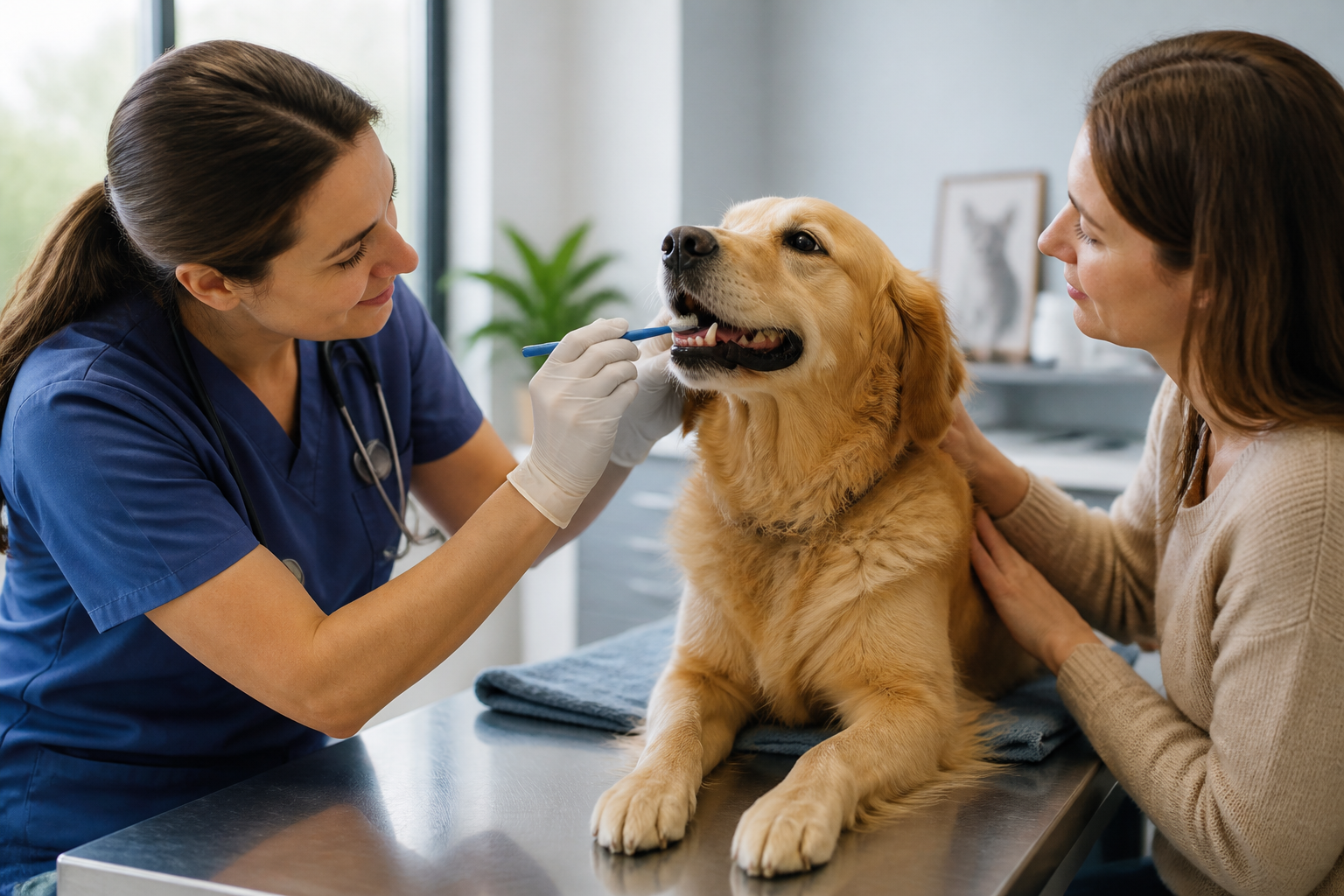
You might be sitting on the floor with your dog and notice a sudden, sharp whiff of "dog breath" that seems stronger than usual. Or perhaps you were lifting their lip to give them a scratch and noticed a thick layer of yellow-brown buildup along the gumline. This is the moment most owners start wondering about professional dental care. At BaxterBoo, we know that looking at a potential vet bill can feel overwhelming. You want to do right by your dog, but you also need to know what to expect when the receptionist hands you that estimate. This guide breaks down the actual numbers for professional cleanings. We look at what factors drive the price up and how you can manage these costs over time. Understanding these expenses helps you make the best decision for your dog's long-term health and comfort.
Quick Answer: A routine professional dog teeth cleaning typically costs between $300 and $700. If your dog requires dental X-rays, bloodwork, or tooth extractions, the total can easily range from $1,000 to $2,000 or more depending on your location.
The Basic Price Range for Dog Dental Care
The cost of cleaning a dog's teeth is rarely a single, flat fee. Most veterinary clinics provide a base price that covers the essentials. This usually includes the physical exam on the day of the procedure, the anesthesia, and the actual scaling and polishing. For a healthy young dog with minimal buildup, you might see a bill on the lower end of the spectrum. This often falls between $300 and $500 in many parts of the United States.
However, many factors can push this base price higher. If you live in a major city with a high cost of living, the baseline might start closer to $600. Some clinics include dental X-rays in their base package. Others list them as an add-on. It is important to ask for a line-item estimate so you can see exactly what is covered in the initial quote.
Routine General Practice vs. Specialist Costs
Most owners take their pets to a general practice veterinarian for dental work. These clinics are well-equipped for routine cleanings and basic extractions. If your dog has a complex issue, such as a broken jaw, a root canal, or a suspected oral tumor, you may be referred to a board-certified veterinary dentist. Specialists have advanced training and more sophisticated equipment. Their fees reflect this expertise. A cleaning and evaluation by a specialist can start at $1,500 and go up significantly from there.
Key Takeaway: Base prices usually cover anesthesia and scaling, but expect the total to rise with diagnostic tests and specialized care.
Why Anesthesia Is the Biggest Cost Factor
One of the most common questions we hear is why dogs have to be "put under" for a cleaning. Humans sit still in a chair and open wide, but dogs cannot do that. Anesthesia is the most significant portion of your dental bill for several reasons. It requires specialized medications tailored to your dog's weight. It also requires a dedicated technician to monitor your dog's heart rate, blood pressure, and oxygen levels throughout the entire procedure.
Anesthesia allows the vet to do a thorough job. They can reach the inside surfaces of the teeth and, most importantly, clean below the gumline. This is where the most dangerous bacteria live. Without anesthesia, a vet can only scrape the visible tartar off the surface. This might make the teeth look white, but it does nothing to treat or prevent periodontal disease.
Vet Tip: Always ask if the dental estimate includes a dedicated technician for anesthesia monitoring. This is a vital safety measure for your dog during the procedure.
Breaking Down the Hidden Costs
When you receive an estimate for "dental cleaning," it often looks like a long list of individual charges. Understanding what these items are will help you see the value in the service. Most professional cleanings include these specific components:
- Pre-anesthetic Bloodwork: This usually costs between $75 and $150. It ensures your dog’s liver and kidneys can safely process the anesthesia.
- IV Fluids and Catheter: This costs around $50 to $100. Fluids help maintain blood pressure and keep your dog hydrated during the procedure.
- Dental Radiographs (X-rays): These can range from $100 to $250. X-rays are the only way to see if a tooth is rotting from the inside or if there is bone loss in the jaw.
- Scaling and Polishing: This is the core of the cleaning. It involves removing tartar with ultrasonic tools and then smoothing the enamel so bacteria cannot easily reattach.
- Pain Medication and Antibiotics: If extractions occur, these medications are necessary. Our pet pharmacy provides prescription products to help manage recovery costs.
The Reality of Extractions
The biggest "wild card" in your vet bill is the cost of tooth extractions. A vet often cannot tell if a tooth needs to come out until the dog is under anesthesia and the X-rays are clear. A simple extraction of a small, single-rooted tooth might cost $50. A complex extraction of a large, multi-rooted carnassial tooth can cost $300 or more. If your dog has significant dental disease, you may find yourself paying for several extractions at once.
Bottom line: The final price of a dental cleaning is often unpredictable until the vet can see what is happening below the gumline with X-rays.
Geographic and Breed Impacts on Pricing
Where you live plays a huge role in how much you will pay. A vet in rural Ohio will likely have lower overhead than a vet in downtown Manhattan or San Francisco. This translates directly to the fees they charge. You might find that driving an hour outside a major metropolitan area can save you several hundred dollars on a major dental procedure.
Your dog's breed and size also matter. Larger dogs require more anesthesia and longer monitoring times. They also have larger teeth that may take longer to scale. Brachycephalic breeds, like Pugs or French Bulldogs, often have crowded teeth that are harder to clean. These breeds also require more specialized anesthetic protocols due to their unique airway structures. This can lead to higher monitoring fees or the need for more experienced staff.
The Risk of Avoiding Professional Cleanings
It is tempting to put off a dental appointment because of the cost. However, ignoring dental disease usually leads to much higher expenses later. Periodontal disease is not just about bad breath. It is a chronic infection. Bacteria from the mouth can enter the bloodstream and travel to the heart, liver, and kidneys.
Managing a dog with heart valve issues or kidney disease is far more expensive than an annual dental cleaning. Furthermore, a dog in dental pain may stop eating or become irritable. By the time an owner notices their dog is struggling, the dental disease is often advanced. This means more extractions, more time under anesthesia, and a much higher bill than if the problem had been caught early.
How to Save on Dog Dental Cleaning Costs
While you should never cut corners on the safety of the procedure, there are ways to make dental care more affordable. Many veterinary clinics offer "Dental Months," often in February. During these times, they may offer discounts of 10% to 20% on cleanings and related bloodwork. Planning your dog's cleaning for these months can lead to significant savings.
Another option is to look into wellness plans. Some clinics offer monthly subscription plans that include one professional dental cleaning per year. This allows you to spread the cost over twelve months rather than paying one large sum. You should also check if your pet insurance policy covers dental illness. While many basic plans only cover accidents, some offer wellness add-ons that pay for routine cleanings.
The Power of Prevention at Home
The absolute best way to save money on professional cleanings is to prevent tartar from building up in the first place. Daily brushing is the gold standard. Even brushing three times a week can significantly reduce the frequency of professional cleanings. At BaxterBoo, we offer our dog grooming supplies to help you get started.
You can also use dental treats and chews to assist. Greenies dental chews are designed to scrape plaque away as the dog chews. While treats cannot replace a professional cleaning once tartar has hardened into calculus, they are excellent for maintenance.
- Start a brushing routine while your dog is young.
- Use VOHC-approved dental treats daily.
- Schedule a vet exam every six months to catch issues early.
- Use water additives to reduce oral bacteria.
Bottom line: Every dollar you spend on a toothbrush or a quality dental chew can save you ten dollars at the vet's office.
Professional Cleaning vs. Anesthesia-Free Cleaning
You may see advertisements for "anesthesia-free" dental cleanings at local groomers or boutiques. These services are significantly cheaper, often costing under $200. While they may remove some surface stains, most veterinarians do not recommend them as a substitute for a medical cleaning.
Anesthesia-free cleaning is purely cosmetic. It does not allow for X-rays, and it does not allow the technician to clean deep under the gumline. It can also be very stressful for the dog to have their mouth held open while sharp tools are used. If a dog flinches, it can lead to accidental cuts in the mouth. Most importantly, it gives owners a false sense of security. The teeth look white, but the disease is still festering out of sight.
Post-Procedure Care and Recovery
After a dental cleaning, your dog may be a bit grooched or wobbly from the anesthesia. Most vets recommend keeping them in a quiet, warm place for at least 24 hours. If your dog had extractions, they will likely need soft food for several days. This allows the gum tissue to heal without being irritated by hard kibble.
Your vet will likely prescribe pain medication or antibiotics. This is where we can help. Our pet pharmacy offers a streamlined way to get your dog's prescriptions delivered to your door.
Key Takeaway: Proper aftercare is essential to prevent infections after extractions, so follow your vet's medication schedule strictly.
Navigating the Estimate Process
When you ask for a quote, don't be afraid to ask questions. A good vet will be happy to explain why they recommend certain tests. You should ask:
- Is the pre-anesthetic bloodwork mandatory or optional?
- Do you use digital dental X-rays?
- What is the cost per extraction if they are needed?
- Are there any additional fees for medications to take home?
Having these answers helps you avoid "sticker shock" when you go to pick up your dog. It also helps you compare costs between different clinics accurately. Remember that the cheapest option is not always the best. A clinic that charges more may have better monitoring equipment or more experienced staff, which increases the safety of the procedure.
The Long-Term Value of Oral Health
Think of dental cleaning as an investment in your dog's lifespan. Dogs with healthy mouths generally live longer and have a higher quality of life. They can eat comfortably, play with toys, and avoid the systemic inflammation caused by chronic oral infection. While the upfront cost of $500 or $1,000 feels steep, it is a small price to pay for adding years of health to your dog's life.
We are committed to helping you manage these needs. Whether it is through our MVP Rewards program, which helps you earn points on every purchase, or our Autoship service for your favorite dental chews, we aim to make pet care more affordable. Keeping your dog healthy is a team effort between you, your vet, and the products you choose for daily care.
Conclusion
Professional dog teeth cleaning is a vital part of responsible pet ownership. While the average cost of $300 to $700 can increase with extractions and diagnostic tests, the health benefits are undeniable. By focusing on preventive care at home and taking advantage of wellness discounts, you can keep these costs manageable. Regular brushing and the right dental treats are your best defense against expensive vet bills. For more guidance, read our pet dental care tips, then explore our Dog Dental Care collection and consider signing up for our Autoship programme to save on every order.
FAQ
Is it worth it to get my dog's teeth professionally cleaned? Yes, it is one of the most effective ways to extend your dog's life and prevent pain. Professional cleaning removes bacteria from under the gumline that you cannot reach with a toothbrush. This prevents systemic infections that can damage the heart and kidneys over time.
How often does a dog really need a dental cleaning? Most veterinarians recommend a professional cleaning once a year starting around age two or three. Small breeds or dogs with crowded teeth may need cleanings every six months. Your vet will assess your dog's oral health during their annual physical to give you a specific recommendation.
Does pet insurance cover the cost of cleaning a dog's teeth? It depends on your specific policy and provider. Standard accident and illness plans usually do not cover routine cleanings, but they may cover extractions caused by injury or disease. Many companies offer "wellness" riders that you can add to your policy to help cover the cost of annual cleanings.
Can I clean my dog's teeth myself to avoid the vet bill? You can and should brush your dog's teeth at home to slow down the buildup of plaque. However, once plaque hardens into tartar (calculus), it cannot be removed with a toothbrush. At that point, only a professional cleaning with specialized veterinary tools can safely remove the buildup and treat the area under the gums.






