
 Save 15% on your 1st Autoship learn more

 Email us
 Live Chat
 FAQs
FAQs





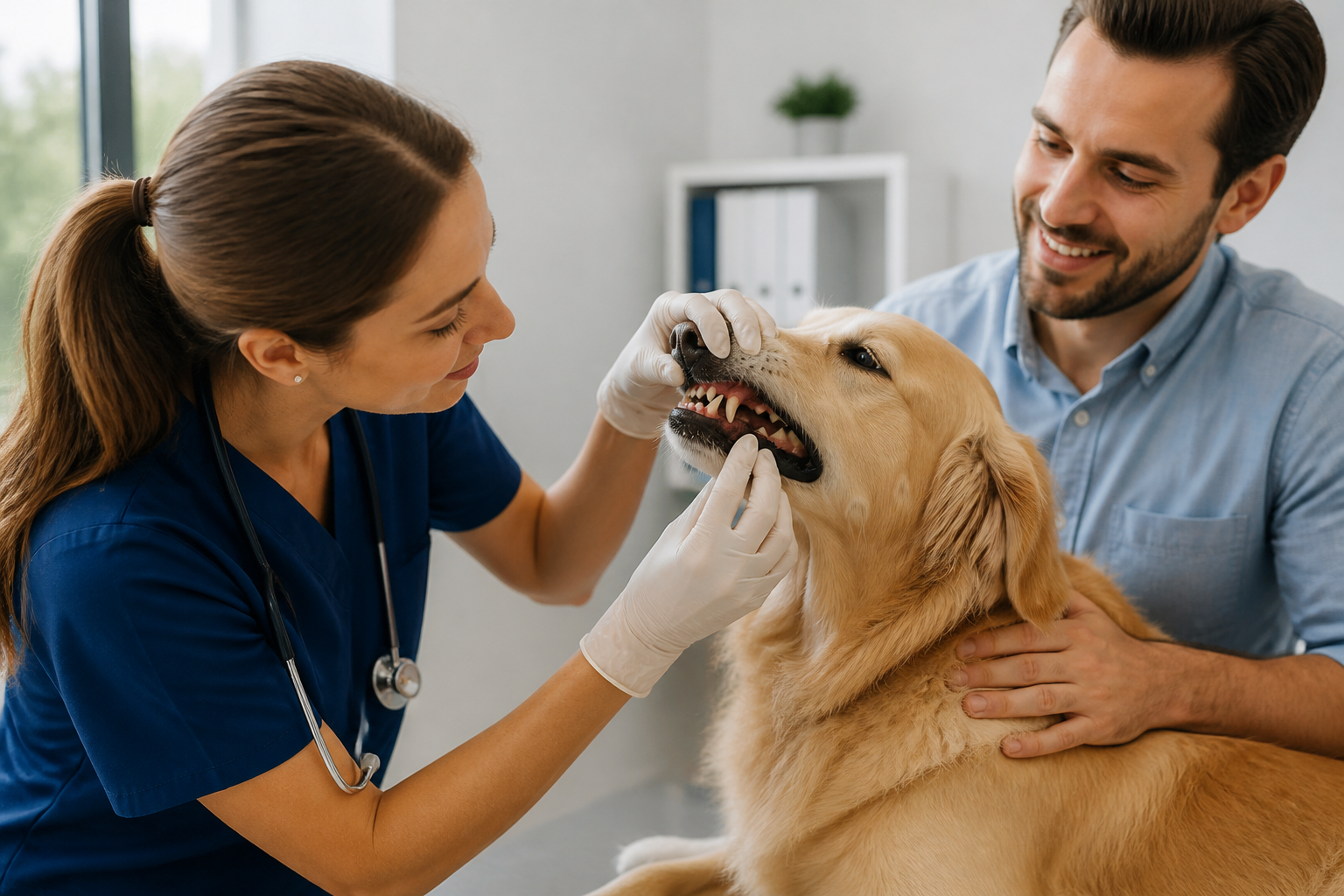
Introduction
You lean in for a morning cuddle and your dog greets you with a lick. Instead of a sweet wake-up call, you are met with a wave of breath so strong it makes you recoil. This common moment is often the first time owners realize their dog's dental health needs attention. While bad breath is a nuisance, it is frequently a sign of underlying tartar buildup or gum disease.
At BaxterBoo, we know that keeping your dog's mouth healthy is a major part of their overall wellness. This post covers exactly what you can expect to pay for professional cleanings. We will also look at how often you should schedule these visits and how to maintain those pearly whites at home between appointments. Understanding the investment required for dental care helps you plan for your pet's long-term health and comfort.
Quick Answer: A professional dog teeth cleaning typically costs between $500 and $3,000 depending on your location and the dog's specific needs. This price usually includes anesthesia, scaling, and polishing, but extractions or X-rays often cost extra.
The Financial Reality of Professional Dental Cleanings
When you ask how much it costs to clean dog teeth, the answer varies significantly based on where you live and what your dog needs. A simple cleaning for a young dog with healthy gums is much less expensive than a procedure for a senior dog with multiple decayed teeth. Most owners find that a basic professional cleaning starts around $500. However, this is just the baseline for the procedure itself.
The total bill often includes several components that ensure the safety and comfort of your pet. You are not just paying for a toothbrushing. You are paying for a surgical-level procedure conducted by trained professionals. This includes the cost of the veterinary staff, the specialized equipment, and the facility's overhead.
Why the Price Range Is So Wide
Geography plays a massive role in what you will pay at the clinic. Veterinary practices in major urban centers like New York City or Los Angeles have higher operating costs. These costs are passed down to the consumer. If you live in a rural area, you might find that the same procedure costs several hundred dollars less.
The size of your dog also matters. Larger dogs require more anesthesia and longer monitoring times. They may also need higher doses of pain medication or antibiotics if issues are found. Because anesthesia is often billed by the weight of the animal, a Great Dane's dental visit will naturally cost more than a Chihuahua's visit.
Potential Extra Costs to Budget For
It is rare for a dental appointment to stay at the base price once a dog is over the age of five. Many veterinarians discover issues once they get a clear look inside the mouth under anesthesia. You should prepare your budget for these common add-ons:
- Pre-anesthetic blood work to check organ function.
- Digital dental X-rays to see beneath the gumline.
- Tooth extractions for decayed or broken teeth.
- Local nerve blocks for pain management during extractions.
- Take-home medications like antibiotics or painkillers.
Key Takeaway: The base price of a dental cleaning is rarely the final price. Always ask for an estimate that includes a buffer for potential extractions or X-rays to avoid surprises on your final bill.
What Happens During a Professional Cleaning?
A professional cleaning is a multi-step process that requires your dog to be under general anesthesia. Many owners feel nervous about anesthesia, but it is the only way to perform a thorough and safe cleaning. Without it, a veterinarian cannot reach the areas under the gumline where the most dangerous bacteria live.
The process usually begins with a physical exam and blood work. Once the vet confirms your dog is healthy enough for the procedure, they administer a sedative and then the general anesthesia. A breathing tube is inserted to protect their airway and provide oxygen throughout the cleaning.
Scaling and Polishing
The core of the cleaning involves scaling. This is the removal of plaque and tartar from the surface of the teeth. The vet or a technician uses ultrasonic tools to vibrate the tartar loose. They pay special attention to the area under the gums. This is where periodontal disease starts.
After scaling, the teeth are polished. Scaling can leave microscopic scratches on the enamel. If left unpolished, these scratches provide a perfect place for new plaque to take hold. Polishing smooths the surface and makes it harder for bacteria to stick.
The Importance of Dental X-rays
You cannot see the most important parts of a dog's tooth with the naked eye. About sixty percent of the tooth is hidden under the gumline. Dental X-rays allow the vet to see the roots and the surrounding bone. They can spot abscesses, jawbone loss, and hidden fractures that would otherwise go untreated. Treating these issues early can prevent significant pain for your dog later.
Vet Tip: Never skip the dental X-rays if your vet recommends them. Hidden infections at the root of the tooth can cause chronic pain and even lead to heart or kidney issues if the bacteria enter the bloodstream.
How Much and How Often Should You Clean?
The frequency of professional cleanings depends on your dog's breed, age, and home care routine. Most veterinarians recommend a professional cleaning once every year starting at age two or three. However, this is not a one-size-fits-all rule.
Small breeds and flat-faced (brachycephalic) breeds often need more frequent care. Their teeth are often crowded into a small space. This crowding creates many nooks and crannies where food and bacteria get trapped. Breeds like Pugs, Yorkies, and French Bulldogs might require a cleaning every six to nine months to stay ahead of gum disease.
Factors That Influence Frequency
Your dog's diet and chewing habits also play a role. Dogs that eat mainly wet food tend to accumulate plaque faster because there is no mechanical scraping action during eating. Dogs that are enthusiastic chewers often keep their teeth cleaner naturally. The act of gnawing on appropriate toys helps scrape away soft plaque before it hardens into tartar.
Step 1: Consult your vet during the annual exam. / They will look for redness in the gums or visible tartar.
Step 2: Assess your dog's breed risk. / Small dogs generally need more frequent professional intervention.
Step 3: Monitor for "red flag" symptoms. / If you notice bleeding or difficulty eating, book a cleaning regardless of when the last one was.
For additional guidance on building a routine, read these pet dental care tips.
The Dangers of Anesthesia-Free Cleanings
You may see advertisements for "anesthesia-free" dental cleanings at lower price points. While the lower cost is tempting, these procedures are often considered purely cosmetic. They do not address the health of the dog's mouth.
During an anesthesia-free cleaning, the dog is awake and restrained. A technician scrapes the visible tartar off the teeth. Because the dog is awake, it is impossible to clean under the gumline. It is also impossible to perform X-rays or a full oral exam. This leaves the most dangerous bacteria behind.
Furthermore, these procedures can be very stressful for the dog. If the dog moves suddenly, the sharp scaling tools can easily slice the gums or cheeks. Most veterinary dental organizations advise against these cleanings because they provide a false sense of security while leaving dental disease to worsen in secret.
Bottom line: Anesthesia-free cleaning is a cosmetic fix that fails to treat the root causes of dental disease and may cause unnecessary stress to your pet.
Home Care: How Much Effort Is Required?
Professional cleanings are only half the battle. What you do at home determines how long those results last. Plaque begins to reform on the teeth within hours of a professional cleaning. If you do nothing, that plaque will harden into tartar within days.
Daily brushing is the gold standard of pet dental care. It might seem daunting, but most dogs can learn to accept it with a bit of patience. You must use toothpaste specifically formulated for dogs. Human toothpaste contains xylitol and foaming agents that are toxic or irritating to pets.
For brushes, toothpaste, wipes, and water additives, explore our dog dental care category.
Choosing the Right Tools
The best tool for the job is a soft-bristled toothbrush designed for dogs. For small dogs, a finger brush might be easier to maneuver. If your dog absolutely refuses a brush, dental wipes are a secondary option. You simply rub the wipe over the surface of the teeth to remove the film of plaque.
- Dog-specific toothpaste (poultry or beef flavored).
- Angled pet toothbrush or silicone finger brush.
- Dental wipes for sensitive pets.
- Water additives to help break down bacteria.
Supplements and Water Additives
If brushing is a struggle, you can bolster your routine with water additives and dental gels. Products like those from Tropiclean can be added directly to your dog's water bowl. These additives use enzymes and natural ingredients to help inhibit the growth of bacteria. While they do not replace the physical action of brushing, they are a helpful tool for dogs that are difficult to handle.
You can also find broader options in our dog healthcare collection.
Utilizing the Pharmacy for Dental Health
In some cases, your dog may need more than just a cleaning. If your vet discovers a significant infection or advanced periodontal disease, they may prescribe specialized medications. This is where our pharmacy services become a vital resource for your pet's care.
Through our partnership with Pet's Choice, the BaxterBoo pharmacy offers FDA-approved medications that your vet might prescribe following a dental procedure. This includes oral antibiotics to clear up gum infections and prescription-strength pain relief for dogs that had extractions.
Browse our pet pharmacy for prescription products that may be appropriate for your dog's care when recommended by your veterinarian.
Prescription Dental Diets
Your veterinarian might also suggest a prescription dental diet. Brands like Farmina Vet Life offer specialized formulas designed to reduce plaque through both chemical and mechanical means. The kibble is often larger and has a specific texture that scrubs the tooth as the dog bites down. These diets are available through our pharmacy and require a valid prescription from your vet. Having these items delivered through our Autoship programme ensures you never run out of the tools needed to keep your dog's mouth healthy.
Vet Tip: If your dog is prescribed antibiotics after a dental surgery, finish the entire course even if their mouth looks better. Stopping early can lead to antibiotic-resistant bacteria and a return of the infection.
Helpful Chews and Toys
Not all dental care feels like a chore to your dog. Many treats and toys are designed specifically to assist with oral hygiene. The Veterinary Oral Health Council (VOHC) provides a seal of approval for products that are proven to reduce plaque and tartar.
Dental Treats
Treats like Greenies are iconic for a reason. Their texture is designed to allow the tooth to sink in, scraping the surface as the dog chews. For the best results, these should be given daily. They are most effective when your dog takes their time chewing rather than gulping the treat down whole.
You can compare options through our selection of Greenies products.
Enrichment Toys
Rubber toys with ridges or "nubs" also help. As your dog gnaws on the toy, the textures massage the gums and scrape the teeth. You can even smear a little dog-safe toothpaste into the grooves of a toy to encourage them to "brush" their own teeth while they play.
- KONG toys with dental ridges.
- Nylabone textured dental chews.
- Natural rubber toys designed for heavy chewing.
Key Takeaway: Using VOHC-approved treats and textured toys is an easy way to supplement your dog's dental care routine without added stress.
For more ideas, see additional dog dental health guidance.
Saving Money on Dental Care
While the cost of a professional cleaning is high, there are ways to make it more manageable. One of the best ways to save is to catch problems early. A "Grade 1" dental cleaning for a dog with mild gingivitis is significantly cheaper than a "Grade 4" cleaning that requires ten extractions.
Wellness Plans and Insurance
Check your pet insurance policy. While many basic plans only cover accidents or sudden illnesses, some offer wellness add-ons. these add-ons often provide a set amount of money per year toward professional dental cleanings. This can significantly offset the out-of-pocket cost.
Timing Your Cleaning
Many veterinary clinics offer discounts during National Pet Dental Health Month, which takes place every February. You might find that your local vet offers fifteen to twenty percent off dental services during this time. Scheduling your dog's appointment for February can lead to substantial savings.
Reward Programs
At BaxterBoo, we want to help you save on the supplies you need for daily maintenance. The MVP Rewards programme allows you to earn points on every purchase of toothpaste, brushes, and dental treats. These points can be redeemed for discounts on future orders. Additionally, using Autoship for your dental treats can save you money on every delivery and ensure you stay consistent with your dog's routine.
Bottom line: Consistent at-home care and regular checkups are the most effective ways to lower the long-term cost of your dog's dental health.
Recognizing the Signs of Dental Pain
Dogs are notorious for hiding their pain. In the wild, showing weakness or pain can make an animal a target. This instinct remains in our domestic dogs today. You cannot always rely on your dog to stop eating or whine when their teeth hurt.
Instead, you must look for subtle behavioral changes. A dog with a painful tooth might start dropping kibble while they eat. They might only chew on one side of their mouth. Some dogs become grumpy or reluctant to have their face touched.
Common Symptoms to Watch For:
- Red, swollen, or bleeding gums.
- Excessive drooling.
- Discolored teeth (brown or yellow tartar).
- Loose or missing teeth.
- A "shying away" when you try to pet their muzzle.
- Persistent bad breath that does not go away after brushing.
If you notice any of these signs, it is time to schedule a vet visit. Waiting will only allow the infection to spread, which increases the pain for your dog and the eventual cost for you.
Transitioning to a Dental Routine
If you have never brushed your dog's teeth before, do not expect them to sit perfectly for a full cleaning on the first day. It is a process that requires positive reinforcement. Start by letting them lick the toothpaste off your finger. Once they see it as a treat, you can begin to rub your finger along their gums.
Slowly introduce the brush once they are comfortable with your hands in their mouth. Keep sessions short, maybe thirty seconds at a time. Always follow up with praise or a favorite game. Within a few weeks, most dogs will view brushing as just another part of their daily routine.
Step 1: Introduce the toothpaste. / Let them lick a small amount of poultry-flavored paste daily for a week.
Step 2: Touch the teeth. / Rub your finger along the outer surface of the teeth and gums.
Step 3: Introduce the brush. / Use a soft brush at a 45-degree angle to the gumline.
Step 4: Reward the behavior. / Give a dental chew or play a game of fetch immediately after.
Conclusion
Taking care of your dog's teeth is an essential part of being a responsible owner. While the initial question of how much to clean dog teeth often leads to a discussion about vet bills, the real answer involves a combination of professional care and daily effort. Spending a few hundred dollars a year on a professional cleaning can prevent thousands of dollars in emergency dental surgery later in your dog's life.
By combining annual vet visits with at-home brushing and high-quality dental treats, you are giving your dog the best chance at a pain-free life. We are here to support that journey with our expertly curated selection of dental products and our convenient pharmacy services.
- Budget for a yearly professional cleaning.
- Start a daily brushing routine with dog-safe paste.
- Use VOHC-approved treats to manage plaque.
- Watch for signs of pain like red gums or dropped food.
Bottom line: Proactive dental care is an investment that pays off in fresher breath and a longer, healthier life for your dog.
Visit our dental care category to find the right brushes, pastes, and additives to start your dog's new routine today.
FAQ
Is it really necessary to put a dog under anesthesia for a cleaning?
Yes, anesthesia is the only way to perform a safe and thorough dental cleaning. It allows the veterinarian to clean deep under the gumline where periodontal disease begins and to take accurate X-rays. It also prevents the dog from feeling pain or stress and ensures they do not move and get injured by the sharp dental tools.
How much should I expect to pay for a dog's tooth extraction?
Tooth extractions typically cost between $500 and $2,500 per tooth on top of the base cleaning price. The cost depends on the size of the tooth, the complexity of the root system, and how much time the surgery takes. Large multi-rooted teeth in the back of the mouth are much more expensive to remove than small incisors in the front.
Can I just use human toothpaste to save money?
No, you should never use human toothpaste on a dog. Many human pastes contain xylitol, which is a sweetener that is highly toxic to dogs and can cause life-threatening liver failure or low blood sugar. Human toothpaste also contains foaming agents that are meant to be spit out, but dogs swallow them, which can lead to significant stomach upset.
How can I tell if my dog has gum disease at home?
The most common signs of gum disease are persistent bad breath, bright red or bleeding gums, and visible yellow or brown buildup on the teeth. You may also notice your dog chewing more slowly or avoiding hard treats. If the gums bleed when you brush them or even when the dog plays with a toy, you should schedule a veterinary exam immediately.






