
 Save 15% on your 1st Autoship learn more

 Email us
 Live Chat
 FAQs
FAQs





Introduction
You are sitting on the couch when your dog leans in for a friendly lick. Instead of a sweet moment, you are hit with a wave of "dog breath" that makes you pull away. This is often the first sign that your pet needs dental attention. At BaxterBoo, we know that keeping a dog’s mouth clean is about more than just avoiding a smelly greeting. It is a fundamental part of their long-term health and comfort. This article covers how often you should handle dental care at home. We also break down the costs of professional cleanings and what to expect at the vet. Understanding these requirements helps you ensure your dog stays healthy and pain free for years to come.
Quick Answer: Most dogs require a professional veterinary dental cleaning once per year. At home, you should aim to brush your dog's teeth every day or at least three times a week to prevent plaque buildup.
How Often to Clean Your Dog's Teeth
The frequency of dental care depends on whether you are talking about maintenance at home or professional deep cleaning. Both are necessary to prevent periodontal disease. Just like humans, dogs grow plaque on their teeth every single day. If that plaque is not removed, it hardens into tartar within about 48 hours. Once tartar forms, you cannot brush it away with a standard toothbrush.
Daily Maintenance at Home
The gold standard for at-home care is daily brushing. We know this can be a challenge for busy owners or wiggly dogs. However, even brushing three times a week can significantly reduce the risk of gum disease. Consistency is more important than the length of the brushing session. Focusing on the outside of the teeth where the lips rub is usually enough for daily maintenance. For more guidance, read our tips on building a regular pet dental care routine.
Professional Cleaning Intervals
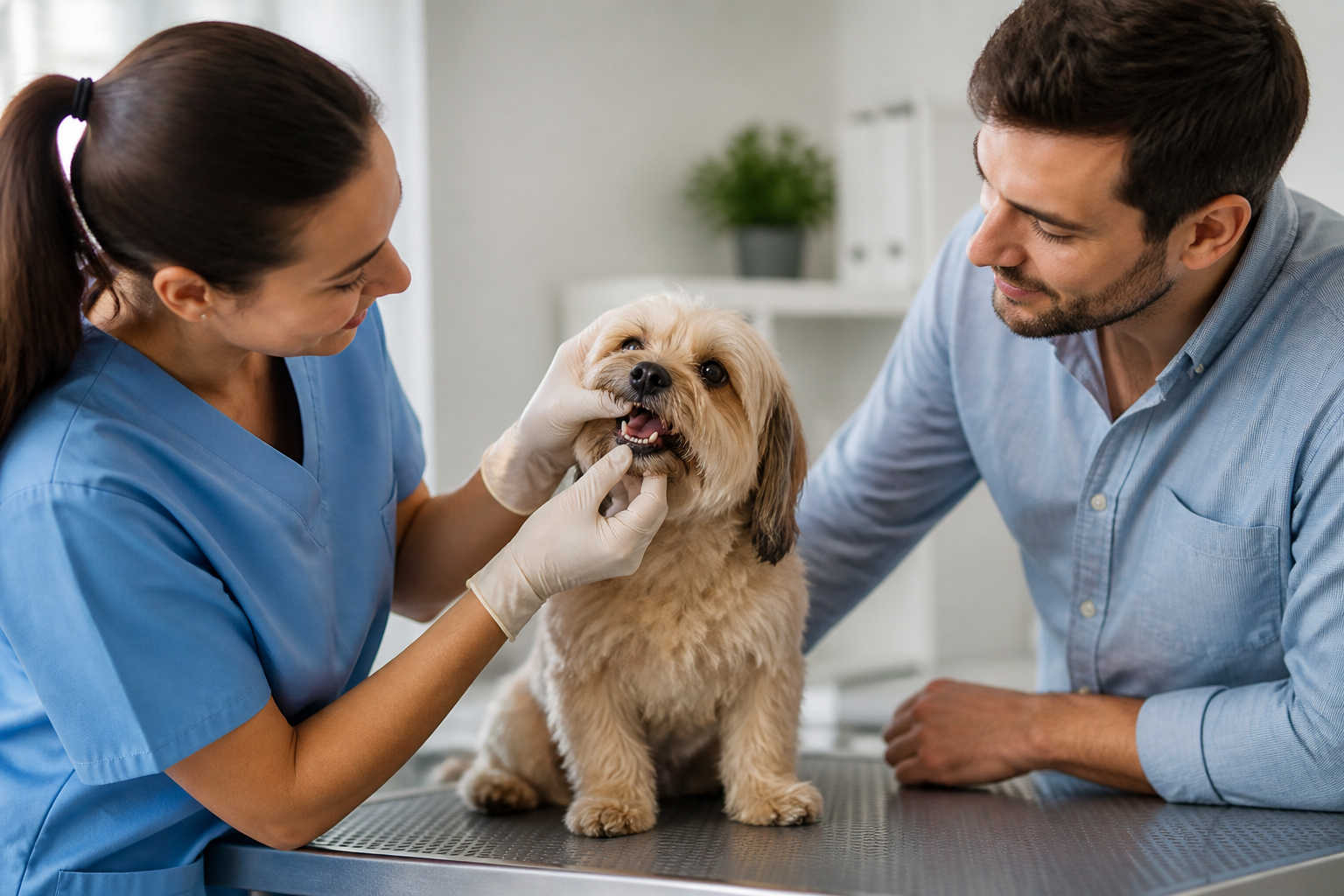
Most veterinarians recommend a professional dental cleaning once every twelve months. This allows the vet to clean areas you cannot reach at home. Specifically, they clean beneath the gumline where bacteria thrive. Some dogs may need more frequent visits. Small breeds and dogs with crowded teeth often require a professional cleaning every six months. Their teeth are closer together, which traps food and bacteria more easily.
Key Takeaway: Daily brushing is the best defense against tartar. Professional cleanings once a year handle the deep cleaning beneath the gums that a toothbrush cannot reach.
Factors That Influence Dental Needs
Not every dog has the same dental requirements. Genetics, diet, and lifestyle all play a role in how quickly plaque builds up. Knowing your dog's specific risk factors helps you adjust your cleaning schedule.
- Size and Breed: Small breeds like Chihuahuas, Pugs, and Yorkies are notorious for dental issues. Their small mouths often lead to crowded teeth.
- Age: Older dogs are more likely to have existing periodontal disease. They may need more intensive cleanings to manage chronic inflammation.
- Diet: Some dental-specific diets are designed to scrape the teeth as the dog chews. Wet food can sometimes sit on the teeth longer than dry kibble.
- Chewing Habits: Dogs that chew on appropriate toys often have less tartar on the chewing surfaces of their molars.
For breeds prone to issues, we recommend starting a routine early. The American Animal Hospital Association suggests a first professional cleaning by age one for small dogs. For larger dogs, age two is a common starting point. Starting early prevents mild gingivitis from turning into permanent bone loss.
Understanding the Cost of Professional Cleaning
The cost of cleaning a dog's teeth can vary widely. Most owners will find that prices range from $300 to $700 for a standard procedure. This range covers a basic cleaning at a general practice. If your dog requires extractions or has advanced gum disease, the bill can easily exceed $1,000.
What is Included in the Bill?
A professional cleaning is a medical procedure. It is not just a cosmetic "scaling" of the visible teeth. A standard vet bill for dental work usually includes:
- Pre-anesthetic Bloodwork: This ensures your dog’s liver and kidneys can safely process the anesthesia.
- Anesthesia and Monitoring: Dogs must be fully asleep to allow the vet to work safely and thoroughly.
- Dental X-rays: Most of a tooth is hidden under the gum. X-rays show if the roots are rotting or if there are hidden infections.
- Scaling and Polishing: This removes the tartar and smooths the tooth surface to slow future buildup.
- IV Fluids: These help maintain blood pressure and hydration during the procedure.
Geographic and Specialist Costs
Where you live matters. Clinics in major cities like New York or Los Angeles often charge more than rural clinics. Additionally, seeing a board-certified veterinary dentist will be more expensive than a general practitioner. Specialists are usually reserved for complex cases like root canals, jaw fractures, or oral cancer treatments.
Vet Tip: If you notice your dog has bleeding gums, loose teeth, or is dropping food while eating, schedule a vet visit immediately. These are signs of pain and active infection that require professional intervention.
The Difference Between Anesthesia and Anesthesia-Free Cleaning
You may see advertisements for "anesthesia-free" dental cleanings. These are often cheaper, ranging from $150 to $300. However, it is important to understand what they do and do not provide.
Anesthesia-free cleaning is a cosmetic procedure. The technician scrapes the visible tartar off the teeth while the dog is awake. This makes the teeth look white. However, it does not address the bacteria living under the gumline. It also does not allow for X-rays. Because the dog is awake, the technician cannot use sharp tools deep near the sensitive gums.
Most veterinary experts do not recommend anesthesia-free cleaning as a replacement for professional care. It can give owners a false sense of security while disease continues to rot the tooth roots out of sight. We believe the safest and most effective option is the traditional veterinary cleaning under anesthesia.
Why Dental Care is a Health Investment
Spending money on dental cleanings might feel like a luxury. In reality, it is a way to save money on future health problems. Dental disease is not confined to the mouth. Bacteria from infected gums can enter the bloodstream. This bacteria often travels to the heart, liver, and kidneys.
Chronic inflammation in the mouth also puts a constant strain on your dog's immune system. By keeping the mouth clean, you reduce the risk of heart disease and organ failure. It is much cheaper to pay for a yearly cleaning than to treat a dog for heart valve issues later in life.
Bottom line: Regular dental cleanings can actually extend your dog's lifespan by protecting their major organs from bacterial infection.
Signs Your Dog Needs a Professional Cleaning Right Now
You should not always wait for the yearly anniversary to visit the vet. Some symptoms indicate that your dog is in pain or has an active infection. Keep an eye out for these red flags:
- Persistent Bad Breath: While "dog breath" is common, an extremely foul or metallic smell is a sign of rot.
- Discolored Teeth: Look for yellow, brown, or even grey buildup near the gumline.
- Changes in Eating: If your dog starts chewing on only one side or stops eating hard kibble, they may have a painful tooth.
- Excessive Drooling: Sudden drooling or blood-tinged saliva is a major warning sign.
- Pawing at the Face: This is a common way for dogs to show they have oral discomfort.
If you see these signs, a vet visit is the only solution. Our dog pharmacy offers prescription diets and medications that can help manage these conditions after your vet provides a diagnosis. Through our pharmacy services, we can help you get the medications your dog needs for recovery.
How to Save Money on Dog Dental Care
Dental care can be expensive, but there are ways to manage the costs without compromising on quality.
Step 1: Focus on prevention. / Brushing at home costs almost nothing compared to a surgery for tooth extractions. Daily brushing is the single most effective way to save money.
Step 2: Use dental chews. / Products like Greenies or other VOHC-approved treats help reduce plaque between brushings. These should be given as a supplement to, not a replacement for, brushing. You can browse our dog dental care collection for chews and other oral-care supplies.
Step 3: Look for National Pet Dental Health Month deals. / Many veterinarians offer discounts of 10% to 20% on dental cleanings during February. This is a great time to schedule your dog’s yearly appointment.
Step 4: Check for wellness packages. / Some clinics offer wellness plans that bundle the cost of a yearly dental cleaning into a monthly payment. This makes the cost more predictable for your budget.
Essential Tools for At-Home Cleaning
To clean your dog's teeth effectively, you need the right supplies. Never use human toothpaste on a dog. Human toothpaste contains xylitol or fluoride, both of which are toxic to dogs.
Choosing a Toothbrush
You can use a finger brush or a long-handled toothbrush. Finger brushes are great for puppies or dogs that are nervous about having their mouth touched. Long-handled brushes help you reach the back molars without putting your fingers in the "splash zone." A starter option is the Virbac C.E.T. Pet Oral Hygiene Kit.
Selecting Toothpaste
Pet-safe toothpaste comes in flavors dogs love, such as poultry, beef, or peanut butter. This turns the cleaning session into a treat rather than a chore. Some toothpastes contain enzymes that help break down plaque even if you cannot scrub every single surface perfectly. You can find additional dog grooming tools for at-home care for your routine.
Toys and Chews
Chewing is a natural way for dogs to clean their teeth. Durable rubber toys like those from Kong or dental-specific toys from Nylabone help scrape away soft debris. We carry a wide selection of these at BaxterBoo to help keep your dog’s mouth busy and clean. Explore our selection of Nylabone products for chew toys and dental products.
Transitioning Your Dog to a Brushing Routine
If your dog is not used to having their teeth brushed, you cannot rush the process. You need to build trust over several weeks.
Step 1: Get them used to the taste. / Put a small amount of pet toothpaste on your finger and let your dog lick it off. Do this for a few days until they are excited to see the tube.
Step 2: Touch the teeth. / While they lick the toothpaste, gently rub your finger along their gums. This gets them used to the sensation of someone touching their mouth.
Step 3: Introduce the brush. / Put toothpaste on the brush and let them lick it. Gradually start using small, circular motions on the front teeth.
Step 4: Move to the back. / Once they are comfortable with the front, work your way back to the molars. Focus on the gumline where the tooth meets the tissue.
Key Takeaway: Patience is vital. It is better to have a successful 30-second session than a stressful 5-minute struggle.
The Role of Prescription Dental Diets
Sometimes, standard kibble is not enough. If your dog is highly prone to tartar, your vet may recommend a prescription dental diet. These foods are formulated with a specific fiber matrix. Instead of crumbling immediately when bitten, the kibble stays together, forcing the tooth to sink into it. This action physically wipes the tooth clean.
We provide access to these specialized foods through our pet pharmacy. Brands like Farmina Vet Life and Royal Canin offer dental-specific formulas. Because these are prescription items, our team works with your vet to verify the order. This ensures your dog gets exactly what they need for their specific health status.
Managing Senior Dog Dental Care
As dogs age, their dental needs become more complex. Senior dogs are more likely to have loose teeth or deep pockets in their gums. These pockets trap bacteria and lead to painful abscesses.
Many owners worry about putting a senior dog under anesthesia. While there is always a risk, modern veterinary medicine is very safe. Vets perform detailed bloodwork and heart checks before the procedure. Often, the risk of leaving a painful infection in a senior dog's mouth is much higher than the risk of the anesthesia itself. A pain-free mouth can give an older dog a whole new lease on life. They often become more active and playful once the source of their chronic pain is removed.
Vet Tip: For senior pets, ask your vet for a "senior panel" of bloodwork before any dental procedure. This provides a detailed look at organ function and helps the vet tailor the anesthesia for maximum safety.
Conclusion
Cleaning your dog's teeth is an essential part of being a pet owner. A combination of daily brushing and annual professional cleanings is the best way to prevent pain and expensive surgeries. While the cost of a vet visit can be significant, it is a vital investment in your dog's overall health. At BaxterBoo, we want to help you make this process as easy as possible. You can earn rewards on your dental supplies through the MVP Rewards programme. For long-term needs, our Autoship programme ensures you never run out of toothpaste or dental chews.
- Brush at home at least three times per week.
- Schedule a professional cleaning once a year.
- Watch for signs of pain like bad breath or difficulty eating.
- Use pet-safe products only.
Bottom line: Consistent dental care today prevents heart, liver, and kidney problems tomorrow.
For all your dental care needs, including brushes, enzymatic toothpastes, and dental chews, explore our Dog Dental Care category.
FAQ
How much does a typical dog teeth cleaning cost at the vet?
A standard veterinary cleaning usually costs between $300 and $700. This price typically includes anesthesia, scaling, and polishing. If your dog needs X-rays or tooth extractions, the cost can rise to $1,000 or more depending on your location.
Can I clean my dog's teeth myself to avoid the vet bill?
You can and should brush your dog's teeth at home daily to prevent tartar. However, home brushing cannot remove hardened tartar or clean beneath the gumline. You still need professional cleanings to address the areas that a toothbrush cannot reach and to check for hidden infections with X-rays.
Is anesthesia-free dental cleaning safe for my dog?
Anesthesia-free cleaning is generally safe but is often considered ineffective for treating dental disease. It only removes visible tartar from the surface of the tooth. It does not allow the technician to clean under the gums where the real damage happens, and it can be stressful for the dog to remain still.
How often do small dog breeds need their teeth cleaned?
Small breeds often need professional cleanings more frequently than large breeds, sometimes every six months. Because their teeth are crowded together, they develop plaque and tartar much faster. Regular vet checkups will help you determine the best schedule for your specific dog.






