
 Save 15% on your 1st Autoship learn more

 Email us
 Live Chat
 FAQs
FAQs





Introduction
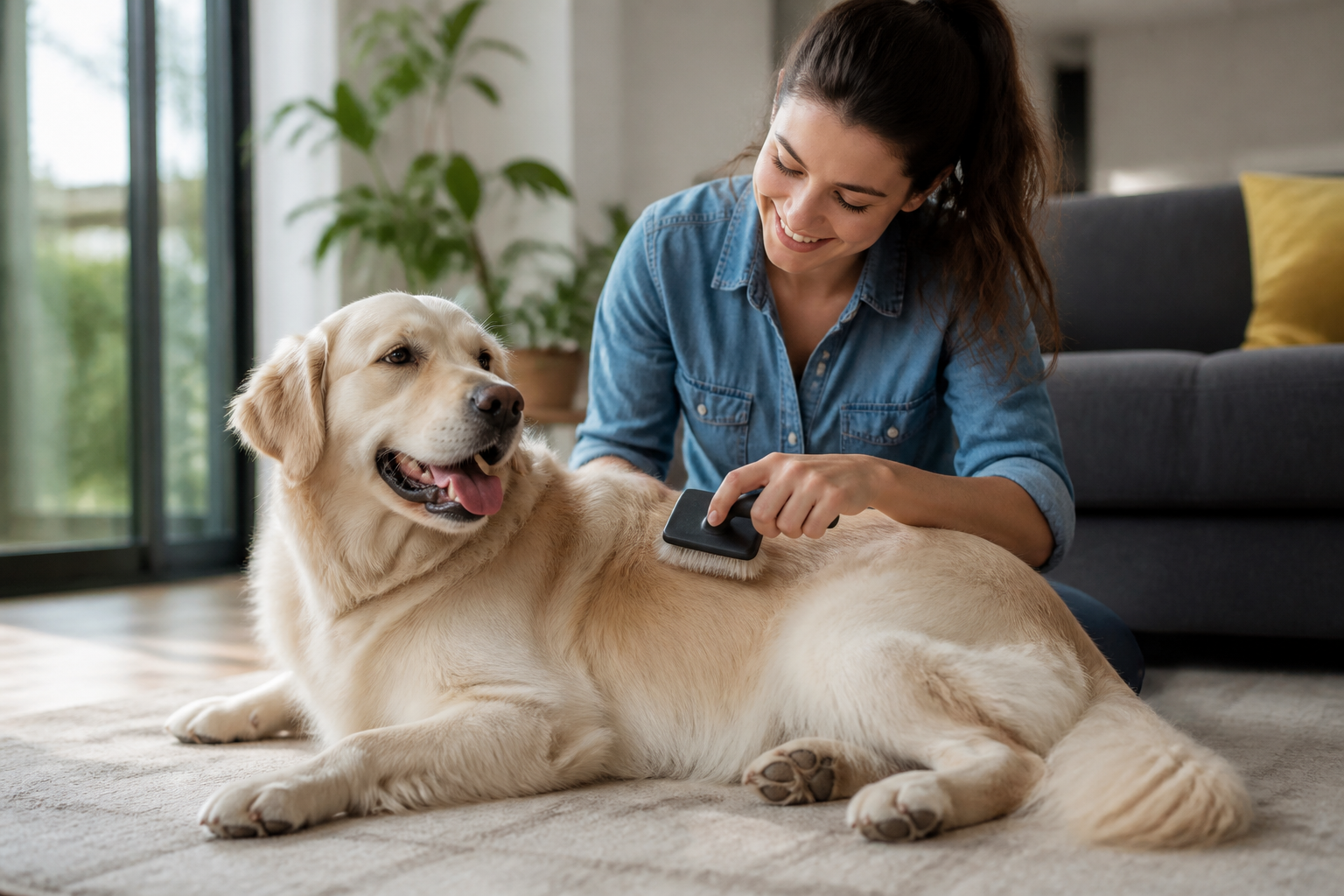
You are relaxing on the couch with your dog when you notice a small tangle behind their ear. Or perhaps you realize the "dust bunnies" under your sideboard are actually tufts of your pup's fur. These moments lead every pet owner to the same question. How often should you actually pick up the brush?
At BaxterBoo, we know that grooming is about more than just looking good for the camera. It is a vital part of your dog's physical health and your emotional bond. The answer to how often you should brush depends on your dog's specific coat type, lifestyle, and the current season. This guide will walk you through the ideal schedules for different breeds and the best tools to use. We will also cover why dental brushing is just as critical as coat care. Understanding these needs ensures your dog stays comfortable and your home stays a little cleaner.
The Short Answer for Every Dog
Quick Answer: Most dogs benefit from a thorough brushing at least two to three times per week. High-maintenance coats like Poodles or Huskies may require daily attention, while short-haired breeds might only need a weekly session.
While a general rule is helpful, pet care is rarely one size fits all. Your dog's coat is a complex system that protects them from the elements and regulates their temperature. Brushing helps this system work correctly. It removes dead hair before it can form mats. It also moves natural oils from the skin down the hair shaft. This process keeps the coat shiny and the skin hydrated. If you skip too many sessions, you might deal with more than just shedding. You could face skin irritations or painful mats that require a professional to shave away.
Brushing Frequency by Coat Type
The biggest factor in your grooming schedule is the type of hair your dog grows. Each texture has different requirements for staying tangle-free and healthy.
Short and Smooth Coats
Dogs like Labradors, Beagles, and Boxers have short, sleek hair. You might think they do not need much brushing because they do not get mats. However, these breeds are often heavy shedders. Brushing them once or twice a week is usually enough. This frequency helps capture loose fur before it ends up on your clothes. It also massages the skin and improves circulation.
Double Coats
Breeds like Huskies, Golden Retrievers, and German Shepherds have a soft undercoat and a tougher outer coat. These dogs need more attention. We recommend brushing a double-coated dog at least three times a week. During "blow-out" seasons in the spring and fall, you should brush them every single day. If you ignore the undercoat, it can become compacted. This prevents air from reaching the skin and can lead to "hot spots" or fungal infections.
Long or Silky Coats
Dogs like Yorkies, Maltese, or Setters have hair that continues to grow. These coats are the most prone to tangles and mats. For these dogs, daily brushing is the gold standard. Even one day of skipping can allow small knots to form in high-friction areas like the armpits or under the collar.
Curly and Wire Coats
Poodles and Doodles have curly hair that traps shed fur instead of letting it fall to the floor. This is why they are often called "hypoallergenic," but it also makes them very high maintenance. You must brush these dogs daily to prevent the trapped shed hair from weaving into the live hair. Wire-haired breeds like Schnauzers should be brushed two to three times a week to maintain their unique texture.
Key Takeaway: Your dog’s breed determines the schedule, but their individual lifestyle matters too. Active dogs who spend time in the woods or tall grass will always need more frequent brushing to remove debris and check for ticks or fleas.
The Benefits of a Regular Routine
Brushing is not just a chore. It is a health check. When you brush your dog regularly, you become an expert on their body. You will notice new lumps, bumps, or skin changes immediately. This early detection can be life-saving for senior pets or dogs prone to skin issues.
Consistent grooming also reduces the amount of dander in your home. This is a major benefit if anyone in your household has mild pet allergies. By removing dead skin cells and loose fur during a controlled brushing session, you keep those particles out of the air. It also saves your vacuum cleaner from unnecessary wear and tear.
Step 1: Check for debris. Before you start brushing, run your hands over your dog to feel for burrs, sticks, or mats.
Step 2: Choose the right tool. Use a slicker brush for long hair or a rubber curry brush for short hair.
Step 3: Brush in the direction of hair growth. Start at the head and move toward the tail.
Step 4: Reward your pet. Always end the session with praise or a small treat to keep the experience positive.
Why Dental Brushing is Equally Important
When we talk about brushing your dog, we cannot ignore their teeth. Many owners focus entirely on the coat but forget that dental health impacts the whole body. Bacteria from a dirty mouth can enter the bloodstream and affect the heart, liver, and kidneys.
We recommend brushing your dog's teeth every day. If that is not possible, aim for at least three times a week. It only takes about 48 hours for plaque to harden into tartar. Once tartar forms, you cannot brush it away at home. It requires a professional cleaning under anesthesia by a veterinarian. For more guidance, read our article on dog dental warning signs.
Our pharmacy carries several products to support oral health through our partnership with Pet's Choice. This includes prescription-strength dental aids and medications for gum infections. You can also find dental treats like Greenies in our selection of Greenies dental products to help support your dog's dental routine.
Vet Tip: If your dog has very foul breath, red gums, or difficulty eating, stop home brushing and call your vet. These can be signs of advanced dental disease that requires medical intervention. Never use human toothpaste, as it contains ingredients like xylitol that are toxic to dogs.
Tools of the Trade
Using the wrong brush can make grooming a chore for you and a pain for your dog. A high-quality tool makes the process faster and more effective. You can explore our dog brushes and combs to compare options for different coat types.
- Slicker Brushes: These have fine wire bristles. They are excellent for removing mats and tangles in long-haired or curly breeds.
- Bristle Brushes: These are best for short-haired dogs. They help distribute oils and remove surface dirt.
- Rubber Curry Brushes: These are perfect for smooth coats. They act like a magnet for loose hair and provide a skin massage.
- Undercoat Rakes: These reach through the topcoat to pull out the loose fuzzy undercoat. They are essential for Huskies and Labs during shedding season.
- Pin Brushes: These look like human hairbrushes. They are good for general grooming on dogs with long, flowing hair.
For an all-purpose option, the U-Groom Combo Brush for Dogs and Cats features both stainless-steel pins and boar bristles for everyday grooming.
Our MVP Rewards members often use their points to upgrade their grooming kit. Having the right tool for each job saves time and keeps your dog's coat in peak condition. Learn more about the MVP Rewards programme and its membership benefits.
Seasonal Shifts in Grooming
Your dog's coat changes with the weather. In the spring, most dogs shed their heavy winter undercoat to prepare for the heat. This is often called "blowing the coat." During this time, you will need to double your brushing frequency. If you usually brush twice a week, move to four or five times a week.
In the winter, you might think you should brush less to keep them warm. However, a matted coat actually loses its ability to insulate. Mats trap moisture against the skin, which can make your dog colder. Keep up with your regular routine even when the temperature drops.
If your dog suffers from seasonal allergies, frequent brushing is even more important. It removes pollen and environmental allergens from their fur before they can irritate the skin. For dogs with severe skin reactions, we offer a range of medicated shampoos and allergy treatments through our pharmacy.
Bottom line: Adjust your grooming schedule based on the amount of fur you see on your brush; more hair means it is time for more frequent sessions.
Training Your Dog to Love the Brush
Not every dog is a fan of grooming. Some see the brush and hide under the dining room table. The key to success is a slow introduction. Start when your dog is a puppy if possible. If you have an adult dog, you can still change their mind.
Begin by just showing the dog the brush and giving them a treat. Then, touch them with the back of the brush. Slowly work up to one or two actual strokes. Do not try to brush the whole dog at once. Focus on one small area, like the back, and stop while they are still behaving well.
If your dog is particularly anxious, look into calming supplements or pheromone sprays. We carry many options in our Anxiety and Calming section to help make grooming a peaceful experience. Over time, many dogs grow to love the attention and the way they feel after a good session.
When to Seek Professional Help
While home brushing is essential, it does not replace a professional groomer or a vet visit. A professional groomer has specialized tools and tubs that make deep cleaning easier. They can also perform tasks like nail trimming and ear cleaning that some owners find difficult.
You should consult a veterinarian if you notice:
- Patches of hair loss or "moth-eaten" fur.
- Intense itching or red, inflamed skin.
- A strong, unpleasant odor that remains after a bath.
- Sores, scabs, or discharge.
For chronic skin conditions or recurring ear infections, your vet may prescribe specific medications. Our pharmacy at BaxterBoo provides a convenient way to get these FDA-approved treatments delivered to your door. This ensures your dog gets the professional care they need without the hassle.
Key Takeaway: Regular brushing is your first line of defense against skin issues, but always trust your gut if something looks or smells unusual.
Maintaining the Routine
The secret to a healthy dog coat is consistency. It is much easier to spend ten minutes brushing three times a week than to spend three hours trying to cut out a massive mat. Set a reminder on your phone or pair brushing with another daily habit, like watching the evening news.
Our Autoship program is a great way to ensure you never run out of the supplies you need. You can set up recurring deliveries for dental treats, skin supplements, and grooming wipes. This saves you money and keeps your pet care routine on track.
Grooming is one of the kindest things you can do for your dog. It keeps them comfortable, healthy, and looking their best. Whether you have a short-haired pup or a fluffy giant, the time you spend with a brush in your hand is an investment in their well-being.
FAQ
Can I brush my dog too often?
It is very difficult to over-brush a dog as long as you are being gentle and using the correct tool. However, if you use a harsh metal rake with too much pressure every day, you could cause "brush burn" or skin irritation. Always watch your dog's skin for redness and ensure the experience remains comfortable for them.
What should I do if I find a mat that won't come out?
Never try to cut a mat out with scissors, as it is very easy to accidentally cut your dog's thin skin. Instead, try applying a detangling spray or a small amount of cornstarch to the mat to help it slide apart. If the mat is tight against the skin, it is safest to have a professional groomer or a vet remove it with electric clippers.
How often should I brush my dog if they live mostly outdoors?
Outdoor dogs generally need more frequent brushing than indoor pets. They are exposed to more dirt, burrs, and environmental allergens that can get trapped in their fur. We recommend brushing outdoor dogs at least three to four times a week to keep their coat clean and to check for hitchhikers like ticks or fleas.
Does my dog's diet affect how often I need to brush?
A high-quality diet rich in Omega-3 and Omega-6 fatty acids can improve skin health and reduce excessive shedding. If your dog has a dull coat or dry, flaky skin, they might need more frequent brushing to stimulate oil production. You might also consider adding a skin and coat supplement to their routine to support hair strength from the inside out.






