
 Save 15% on your 1st Autoship learn more

 Email us
 Live Chat
 FAQs
FAQs





Introduction
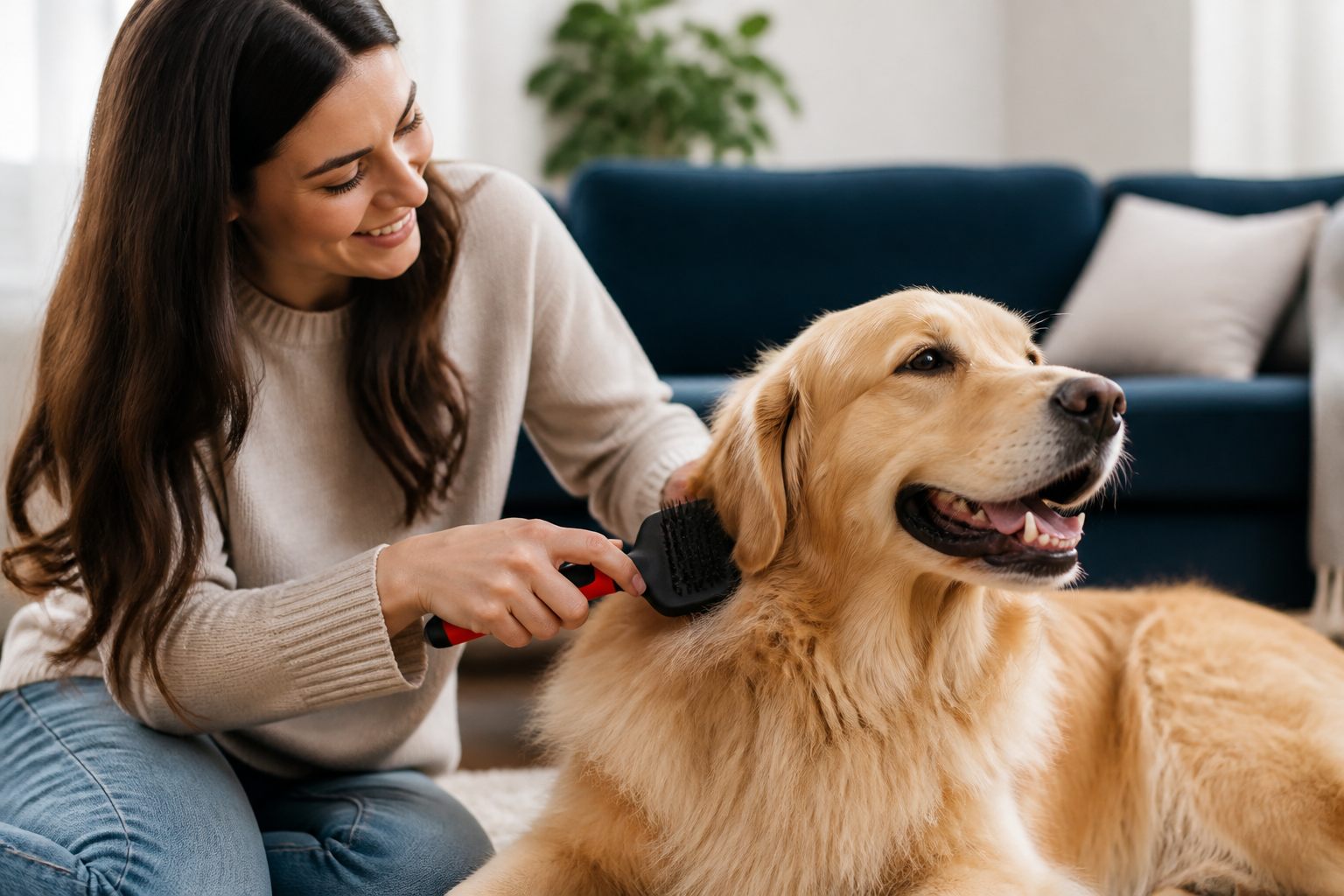
You might be sitting on the sofa when you notice a small tumbleweed of fur rolling across the hardwood floor. Perhaps you reach down to scratch your dog and feel a tight, stubborn knot forming right behind their ear. These everyday moments are usually the first sign that your grooming routine needs a quick adjustment. At BaxterBoo, we see these challenges often and know that every dog requires a slightly different approach to stay comfortable. This guide covers how often to brush your dog based on their specific coat type, activity level, and the time of year. By matching your schedule to your dog's unique fur, you can prevent painful mats and keep their skin healthy.
Quick Answer: Most dogs benefit from being brushed at least two to three times per week. However, long-haired or curly-coated breeds often require daily attention to prevent tangles, while short-haired dogs may only need a weekly session to remove loose hair.
Understanding the General Brushing Rule
Every dog is an individual, but a few basic rules apply to almost all of them. Brushing is not just about looking good. It is a vital part of skin health. When you brush your dog, you distribute natural oils across their skin. This keeps the coat shiny and provides a protective barrier against the elements.
Most pet owners find that a schedule of three times per week works well for general maintenance. This frequency catches loose fur before it ends up on your furniture. It also allows you to check for any new lumps, bumps, or pests like fleas and ticks. If your dog has a very short coat, you might get away with once a week. If they have a thick undercoat, you will likely need to increase that frequency.
Key Takeaway: Regular brushing is a preventative health measure that manages shedding and allows for frequent skin inspections.
Brushing Frequency by Coat Type
The single biggest factor in your grooming schedule is the type of fur your dog grows. A Pug and a Poodle have vastly different needs. Using the wrong schedule can lead to skin irritation or severe matting that requires a professional groomer to fix.
Short and Smooth Coats
Dogs like Boxers, Great Danes, and many Hound breeds have short, sleek hair that lies close to the skin. These dogs are generally the easiest to maintain. You should aim to brush them once a week.
A rubber curry brush or a soft bristle brush is perfect for this job. These tools gently massage the skin and pull away dead hair without being too abrasive. Even though these dogs do not mat, regular brushing still helps reduce the amount of hair they shed in your home.
Double Coats
Breeds such as Labrador Retrievers, German Shepherds, and Huskies have a soft undercoat and a tougher outer coat. These dogs are famous for shedding. You should brush double-coated dogs two to three times per week during most of the year.
During the spring and fall, these dogs "blow" their coats. This is a period of intense shedding where the undercoat falls out in large clumps. During these weeks, you should brush your dog every single day. Using an undercoat rake can help you reach the loose fur before it gets trapped and causes discomfort. For additional shedding tools, explore our selection of FURminator products.
Long or Silky Coats
Yorkshire Terriers and Golden Retrievers have hair that can easily tangle. For these dogs, a schedule of every other day is the minimum. If you keep their hair long, daily brushing is highly recommended.
Pay close attention to high friction areas. These include the armpits, behind the ears, and where their collar or harness sits. These spots are the most likely to develop knots. A pin brush or a slicker brush works best to keep these long strands separated and smooth.
Curly and Wavy Coats
Poodles and "Doodle" mixes often have hair that does not shed much. While this is great for your carpets, it is challenging for the dog. The loose hair gets trapped inside the curls rather than falling to the ground. This leads to quick and severe matting.
You must brush curly coats daily. You should also use a metal comb to check your work. If the comb cannot pass through the hair down to the skin, a mat is likely forming. We carry several high quality slicker brushes and combs that are designed specifically for these dense coat types. For more guidance, read how to groom a dog with curly hair.
Vet Tip: If you discover mats that are tight against the skin, do not try to cut them out with scissors. Dogs have very thin skin that is easily nicked. Consult a professional groomer or your veterinarian to safely remove deep mats.
Seasonal Changes and Shedding
Your brushing frequency should change with the seasons. Most dogs grow a thicker coat in the winter to stay warm. When the weather warms up in the spring, they no longer need that extra insulation. This is when the heavy shedding begins.
You should increase your brushing sessions as soon as you notice an increase in loose fur. For many breeds, this means moving from a twice-weekly routine to a daily one for a few weeks. Consistency during this time prevents the dead hair from becoming impacted against the skin. Impacted fur can trap moisture and lead to "hot spots" or bacterial skin infections.
The Role of Lifestyle and Environment
Where your dog spends their time also dictates how often you should reach for the brush. An active dog that spends hours hiking through tall grass and brush will need more attention than a dog that primarily stays indoors.
- Outdoor Adventures: If your dog runs through woods or fields, brush them immediately when you get home. This helps you find burrs, twigs, and ticks before they cause problems.
- Frequent Swimmers: Water can cause existing tangles to tighten into hard mats. Always brush your dog before they go for a swim and again once they are completely dry.
- Senior Dogs: Older dogs may stop grooming themselves as effectively. They might also develop dry skin. Gentle, frequent brushing can help keep their coat in good condition.
If outdoor adventures leave your dog muddy, our bath and shower supplies can help with cleanup.
Brushing Before and After the Bath
A common mistake is putting a matted dog into the bathtub. Water acts like a glue for tangles. When a mat gets wet and then dries, it often shrinks and tightens. This can pull painfully on the dog's skin.
Always give your dog a thorough brushing before you start the water. Once the bath is over and your dog is dry, brush them one more time. This ensures that any hair loosened by the shampoo is removed. It also helps the coat lay flat and look its best. For more bath-time guidance, see these dos and don'ts for bathing your dog.
Bottom line: Never bathe a dog with mats, as the water will only make the tangles tighter and harder to remove.
Tools to Make the Job Easier
Using the right tool makes the process faster for you and more comfortable for your dog. We stock a wide variety of options from trusted brands like Kong and Furminator. Browse our dog grooming supplies to find brushes, combs, shampoos, and other grooming essentials.
- Slicker Brushes: Excellent for removing loose hair and breaking up small tangles in medium to long coats.
- Pin Brushes: Best for dogs with long, silky hair to prevent breakage.
- Rubber Curry Brushes: Ideal for short-haired dogs and for use during bath time.
- Undercoat Rakes: A must-have for heavy shedders to reach the deep layers of fur.
- Metal Combs: The best tool for "finishing" a grooming session and checking for hidden mats.
Brushing and Your Dog's Overall Health
Brushing is one of the best ways to monitor your dog's health between veterinary visits. As you work through the coat, you are naturally checking their skin. Look for any redness, flaking, or unusual bumps.
If you notice your dog's coat is becoming dull, brittle, or excessively oily, it might indicate an underlying health issue. Skin allergies are also very common in dogs. If your dog is constantly itchy or has red patches of skin, we recommend talking to your veterinarian.
Our BaxterBoo pharmacy, through our partnership with Pet's Choice, offers a variety of prescription options for dogs with chronic skin conditions or allergies. You can find FDA-approved medications and prescription diets that support skin health right on our website. Keeping the skin healthy from the inside makes the brushing process much easier on the outside. Browse our pet pharmacy for prescription options.
How to Start a Brushing Routine
If your dog is not used to being brushed, you should start slowly. The goal is to make it a positive experience rather than a struggle.
- Step 1: Let your dog sniff the brush while it is sitting on the floor. Give them a small treat for showing interest.
- Step 2: Gently touch the brush to their side without actually brushing. Give another treat.
- Step 3: Perform two or three light strokes in the direction of hair growth. Follow with praise.
- Step 4: Gradually increase the number of strokes each day.
- Step 5: Focus on one small area at a time rather than trying to do the whole dog at once.
If your dog seems stressed or tries to move away, stop the session. It is better to have five successful minutes than twenty minutes of fighting. Over time, most dogs come to enjoy the attention and the massage-like feel of the brush.
Common Brushing Mistakes to Avoid
Even well-meaning owners can make mistakes that lead to skin issues. One of the most common errors is "top coating." This happens when you only brush the very top layer of the fur. While the dog looks good on the surface, mats can still form close to the skin.
Another mistake is using too much pressure. Slicker brushes have fine wire bristles that can scratch the skin if pushed too hard. This is known as "brush burn." Always use a light hand. If you are unsure if you are pressing too hard, try the brush on your own forearm first.
Finally, do not forget the "hidden" areas. Owners often miss the belly, the tail, and the back of the legs. These areas are prone to tangles and need just as much attention as the back and sides.
Maintaining Your Equipment
To get the best results, you need to keep your brushes clean. Hair and skin oils build up on the bristles over time. This can harbor bacteria and make the brush less effective.
Remove the hair from the brush after every use. Once a month, you can wash most brushes with warm water and a mild soap. Make sure they are completely dry before you use them again to prevent rust on metal components. If the bristles become bent or the rubber starts to crack, it is time to replace the tool.
The Benefits of Professional Grooming
While home brushing is essential, it does not replace the need for professional grooming for some breeds. Professional groomers have high-powered dryers that can blow out loose undercoat more effectively than a hand brush. They also handle tasks like nail trimming and ear cleaning.
Many owners choose to have their dogs professionally groomed every six to eight weeks. Between these appointments, your home brushing routine keeps the coat manageable. If you stay consistent at home, the groomer will not have to shave your dog due to mats. This saves your dog from discomfort and keeps them looking exactly the way you want.
Conclusion
Brushing your dog is a simple act that yields major benefits for their comfort and health. Whether you have a short-haired Boxer or a curly-coated Poodle, staying consistent is the secret to success. Aim for at least a few sessions a week, and adjust your routine as the seasons change or your dog gets more active. We are here to help you find the perfect tools for your pet's specific needs. If you notice any skin issues during your grooming sessions, remember that our pharmacy is available for your prescription needs.
- Short coats: Weekly sessions.
- Double coats: Two to three times weekly, daily during shedding season.
- Curly coats: Daily brushing and combing.
- Long coats: Every other day to daily.
Key Takeaway: Regular brushing prevents mats, reduces household shedding, and serves as a vital health check for your dog.
Ready to upgrade your grooming kit? Visit our grooming category to find expertly curated brushes, combs, and de-shedding tools. Do not forget to sign up for the MVP Rewards programme to earn points on every purchase.
FAQ
Can I brush my dog too much?
While most dogs benefit from daily brushing, you can overdo it if you use too much pressure or the wrong tool. Brushing the same spot repeatedly with a harsh tool can cause brush burn or skin irritation. Always use light pressure and stop if you see the skin turning red or if your dog seems uncomfortable.
Should I brush my dog's hair when it is wet or dry?
It is almost always better to brush a dog when their hair is dry. Wet hair is more elastic and prone to breaking. Additionally, if your dog has any tangles or mats, water will cause them to tighten. The only exception is if you are using a specific leave-in conditioner or de-tangling spray designed for wet use.
What should I do if I find a tick while brushing?
If you find a tick, use a dedicated tick removal tool or fine-tipped tweezers to grasp the tick as close to the skin as possible. Pull upward with steady, even pressure. After removing the tick, clean the area with rubbing alcohol. If you are concerned about tick-borne illness, contact your veterinarian and consider starting a regular flea and tick preventive from our pet pharmacy.
My dog sheds constantly even with daily brushing. Is this normal?
Some shedding is normal for almost every breed, especially double-coated dogs like Labs or Huskies. However, excessive shedding can sometimes be linked to poor nutrition, stress, or skin allergies. Ensure your dog is on a high-quality diet and talk to your vet if you notice bald patches or if the shedding seems significantly worse than usual.






