
 Save 15% on your 1st Autoship learn more

 Email us
 Live Chat
 FAQs
FAQs





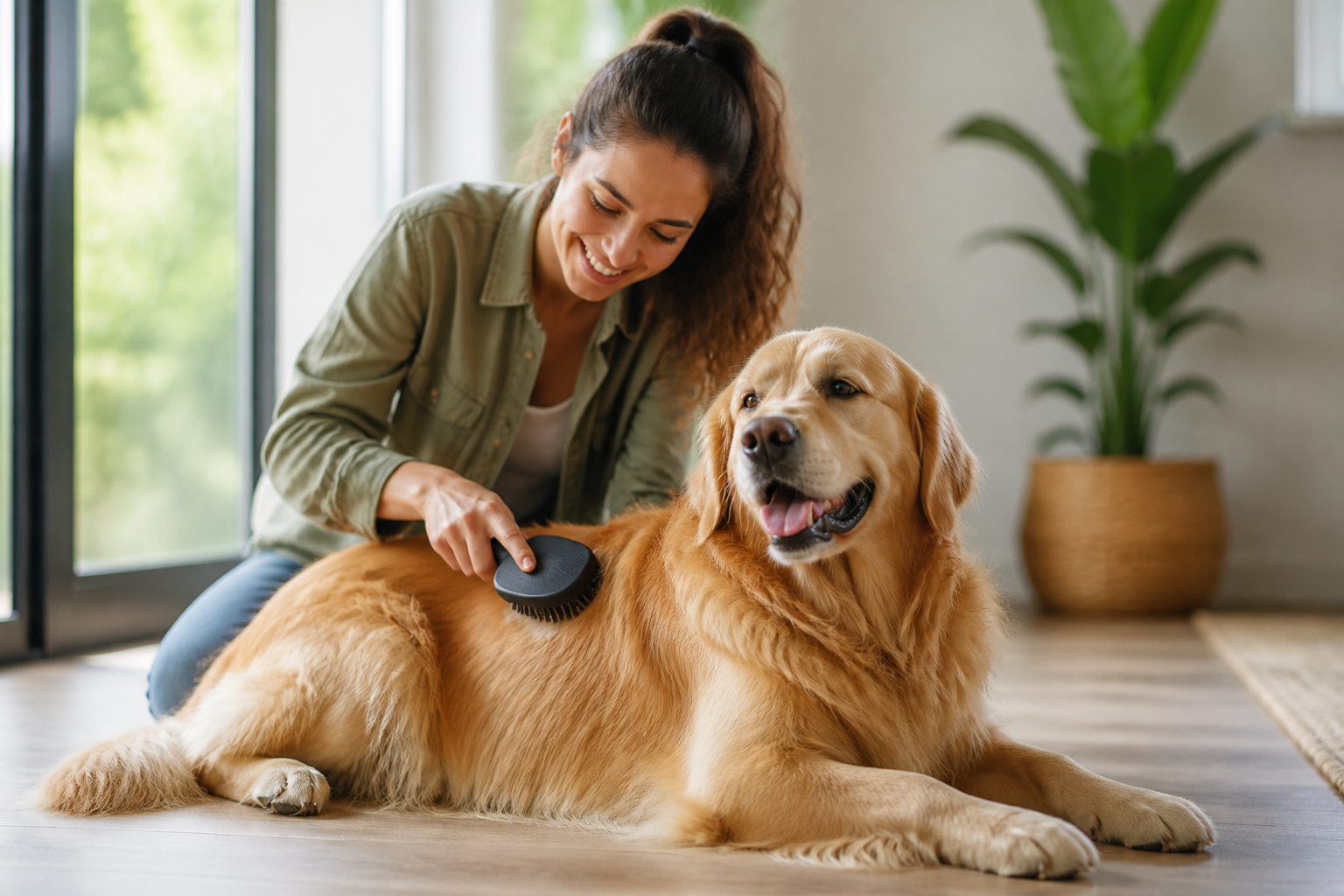
Introduction
You are sitting on the living room floor and notice a small cloud of fur drifting across the hardwood. Perhaps you reach out to scratch your dog behind the ears and feel a tight, hard knot in the fur that was not there yesterday. These moments are when most pet owners realize that brushing is more than just a way to make a pet look pretty. It is a fundamental part of their physical health and comfort. At BaxterBoo, we know that every dog has a unique coat that requires a specific approach. This guide will teach you how to brush dog hair correctly based on coat type and temperament. We will cover the tools you need and the techniques that prevent pain. Mastering this routine will keep your dog comfortable and your home a little cleaner.
Why Regular Brushing Is Essential
Brushing is the most effective way to manage shedding and keep the skin healthy. When you brush your dog, you are doing more than just removing loose hair. You are distributing natural skin oils across the hair shaft. This process gives the coat a healthy shine and creates a protective barrier against moisture and dirt.
Regular sessions also allow you to inspect your dog for hidden issues. You might find a small tick, a new lump, or a patch of dry, flaky skin that needs attention. It is much easier to treat a skin condition when you catch it early. Brushing also prevents the formation of mats. Mats are clumps of tangled fur that pull tightly against the skin. They can cause significant pain and lead to secondary skin infections if left alone.
Finally, brushing is a powerful bonding activity. When done with patience and rewards, it becomes a predictable time of connection between you and your pet. It builds trust and helps your dog become more comfortable with being handled. This makes future vet visits and professional grooming sessions much easier for everyone involved.
Key Takeaway: Brushing is a health necessity that manages shedding, distributes skin oils, and allows for early detection of skin or health issues.
Essential Tools for Your Grooming Kit
You cannot use a one-size-fits-all approach to dog brushes. A brush that works for a Boxer will be useless for a Poodle. Using the wrong tool can even cause "brush burn" or skin irritation. Explore our dog grooming supplies to find brushes, combs, shampoos, and other tools for your dog's coat.
The Slicker Brush
This is the most common tool for dogs with medium to long hair or curly coats. It features fine, short wires placed close together on a flat or curved surface. It is excellent for removing mats and tangles. Brands like Evolution offer self-cleaning versions that make the job much easier.
The Pin Brush
A pin brush looks similar to a human hairbrush. It has tipped wires that help penetrate deep into long, thick coats without causing discomfort. It is best for finishing a look or for dogs with silkier, straight hair like a Maltese.
Rubber Brushes and Curry Combs
If you have a short-haired dog, the KONG ZoomGroom is a classic choice. These rubber tools act like a magnet for loose hair on smooth-coated breeds. They also massage the skin and stimulate blood flow.
Undercoat Rakes and Deshedding Tools
For double-coated breeds like Huskies or Labs, an undercoat rake is vital. These tools reach through the top layer of fur to pull out the dead "fluff" underneath. Tools like the FURminator are highly effective but must be used with a light hand to avoid irritating the skin.
The Metal Comb
Often called a Greyhound comb, this is a simple but essential tool. You use it after brushing to check for any missed tangles. If the comb can slide through the fur from the skin to the tips without snagging, you are finished.
Vet Tip: Always check your tools for bent wires or sharp edges before you start. Damaged brushes can scratch the skin and make your dog fear the grooming process.
How to Brush Dog Coats by Type
Every coat type requires a different strategy. Using the correct technique ensures you remove the most hair with the least amount of pulling. Dogs with curly coats may benefit from this guide to grooming curly-haired dogs.
Short and Smooth Coats
Breeds like Boxers, Bulldogs, and Great Danes have it the easiest. Use a rubber curry brush in a circular motion. This loosens the dead hair and dander. Once you have loosened the fur, use a soft bristle brush to sweep it away in the direction of hair growth. You only need to do this once a week to keep them looking sharp.
Short to Medium Double Coats
Labradors, Pugs, and Corgis have a dense undercoat that sheds constantly. Use a slicker brush first to remove surface debris. Follow this with an undercoat rake or a deshedding tool. Be careful around bony areas like the hips and spine. Work in the direction of the fur and use short, gentle strokes.
Long Double Coats
Golden Retrievers and Australian Shepherds need more frequent attention. Their long "feathers" on the legs and tail mat very easily. Use a slicker brush to work through the coat in sections. If you encounter a tangle, hold the fur near the skin with your other hand. This prevents the brush from pulling on the skin while you work the knot loose. You can also read about managing Australian Shepherd shedding for additional coat-care ideas.
Curly and Wavy Coats
Poodles and Doodles do not shed in the traditional sense. Instead, the dead hair gets trapped in their curls. If you do not brush them daily, they will mat down to the skin. Lift a section of hair and brush from the skin outward. Use a metal comb afterward to ensure you reached the very bottom of the coat.
Wire Coats
Terriers often have wire coats that feel rough to the touch. These dogs usually require "stripping" to remove dead hair. For home maintenance, a firm slicker brush or a stripping knife can help remove the dead outer layer.
Quick Answer: To brush a dog correctly, identify the coat type and use a tool designed for that texture. Always brush in the direction of hair growth and use a metal comb to check for hidden mats after you finish.
Step-by-Step: Brushing a Nervous Dog
If your dog runs away when they see the brush, you need to change their perspective. Forcing a dog to stay still will only make their anxiety worse.
Step 1: Introduce the brush. / Place the brush on the floor and let your dog sniff it. Give them a high-value treat immediately. Do this several times until they wag their tail when they see the tool.
Step 2: Start with short touches. / Touch the brush to your dog's shoulder for one second. Reward them with a treat. Do not actually brush yet. You are just teaching them that the tool touching them is a good thing.
Step 3: One single stroke. / Move the brush in one gentle stroke along their back. Follow this with a treat. If they stay calm, do a second stroke. If they move away, stop and try again later.
Step 4: Build duration. / Slowly increase the number of strokes before giving a treat. Eventually, you can brush an entire side of the body while they enjoy a long-lasting treat like a bully stick or a lick mat.
Step 5: Finish on a high note. / Always stop the session before your dog gets frustrated. End with a big reward so they look forward to the next time.
Managing Mats and Tangles Safely
Mats are more than an eyesore. They can be incredibly painful. As a mat gets tighter, it pulls the skin upward, which can lead to sores or bruising.
If you find a mat, never grab a pair of kitchen scissors to cut it out. A dog's skin is very thin and can easily be pulled into the mat. It is very common for owners to accidentally cut their dogs when trying to remove tangles. Instead, use a dedicated dematting tool or a mat breaker, such as the Master Grooming Tools Coat Mat and Tangle Splitter.
Apply a pet-safe detangling spray to the area first. Let it sit for a few minutes to lubricate the hair. Use your fingers to gently pull the mat apart into smaller sections. Once the mat is loosened, use the edge of a slicker brush to pick at the hair from the ends moving toward the skin.
Vet Tip: If a mat is tight against the skin or covers a large area, do not try to brush it out. This is very painful for the dog. Seek help from a professional groomer who can safely shave the mat away with electric clippers.
Brushing and Skin Health Observations
While you are brushing, take a moment to look at the skin itself. Healthy skin should be pink or pigmented and free of sores. If you notice your dog is scratching frequently or has red, inflamed patches, they may be dealing with allergies or pests.
At BaxterBoo, we emphasize the importance of preventative care. While brushing helps, some skin issues require medical intervention. Our pharmacy offers FDA-approved flea and tick preventives and medicated shampoos through our partnership with Pet's Choice. If you find evidence of fleas—like small black specks of "flea dirt"—or if your dog has a persistent rash, consult your veterinarian. They can provide a prescription that you can fulfill through our pet pharmacy to get your pet's skin back in top shape.
Bottom line: Use grooming time as a weekly health check to catch parasites or skin irritation before they become serious problems.
The Golden Rule: Brush Before the Bath
A common mistake is putting a matted dog directly into the bathtub. Many people think the water and soap will help loosen the knots. In reality, water acts like a glue for tangles. When hair gets wet, it swells and then shrinks as it dries. This causes existing mats to tighten significantly.
Always perform a thorough brushing and combing before you start the water. Removing the dead undercoat before the bath also means you will use less shampoo and your dog will dry much faster. Once the dog is completely dry after the bath, do one more quick pass with the brush to catch any hair that loosened up during the washing process. For more bath-time guidance, read these dos and don'ts for bathing your dog.
Maintaining the Routine
Consistency is the secret to an easy-to-manage coat. For most dogs, a full brushing session twice a week is enough to keep shedding under control. For high-maintenance breeds like Doodles or Old English Sheepdogs, you may need to do a "quick check" every evening.
Keep your grooming tools in a convenient spot where you usually relax with your dog. If the brush is right next to the couch, you are more likely to do a quick five-minute session while watching television. Short, frequent sessions are much better for your dog's coat and stress levels than one long, exhausting session once a month.
- Weekly: Check ears, paws, and sanitary areas for tangles.
- Monthly: Inspect the skin for new lumps or bumps.
- Seasonally: Use a deshedding tool more frequently during the spring and fall "blow out" periods.
Keeping Your Dog Comfortable
Brushing should never be a battle. If your dog is showing signs of extreme stress—such as growling, snapping, or heavy trembling—take a break. You may need to consult a professional trainer to work on desensitization.
Remember to watch the pressure you apply. The skin on the belly, inner thighs, and ears is very sensitive. Use a softer brush or much lighter pressure in these areas. If your dog has a thin coat, be extra careful not to let the wire bristles scrape against the skin, as this can cause painful abrasions known as brush burn.
Key Takeaway: Respect your dog's limits and vary your pressure based on the sensitivity of the area you are brushing.
Selecting the Right Products at BaxterBoo
We carry over 500 trusted brands to help you care for your pet at every life stage. From KONG rubber brushes to professional-grade slickers, we have handpicked products that we know work. If you are just starting your grooming journey, consider the MVP Rewards programme. It allows you to earn up to 5% back on your purchases, which is great for building up a quality grooming kit.
For those with dogs that shed year-round, our Autoship programme is a lifesaver. You can have deshedding sprays, grooming wipes, and treats delivered on a schedule. This ensures you never run out of the supplies that make the job easier. Plus, you get a discount on your first order and a free MVP Gold membership.
Summary of Best Practices
Brushing your dog is a simple task that has a massive impact on their quality of life. By choosing the right tools and following a consistent schedule, you can reduce the hair in your home and keep your dog's skin healthy.
- Identify your dog's coat type before buying brushes.
- Always brush in the direction of hair growth.
- Use a metal comb to verify that all mats are gone.
- Never use scissors to cut out mats.
- Brush before bathing, never after.
- Use rewards to make the experience positive.
If you ever notice skin issues that seem beyond a simple grooming fix, remember that we are here to help. Our pharmacy provides access to the medications and prescription diets your vet might recommend for chronic skin or health conditions. Keeping your dog healthy is a team effort between you, your vet, and your trusted suppliers.
FAQ
How often should I brush my dog?
The frequency depends entirely on the coat type. Short-haired dogs usually only need a weekly brushing to remove loose hair. Double-coated breeds and long-haired dogs often require brushing three to four times a week. Curly-coated breeds like Poodles or Doodles generally need daily attention to prevent the curls from matting together.
What should I do if my dog hates being brushed?
Start very slowly by using desensitization and counter-conditioning. Let your dog see the brush and give them a treat, then touch them with the brush and give another treat. Keep sessions very short—even just thirty seconds—and always end with a high-value reward like a bully stick. If the behavior is aggressive, consult a professional trainer or groomer for safety.
Can I use a human hairbrush on my dog?
It is not recommended because human brushes are designed for human hair density and scalp sensitivity. Dog brushes like slickers or undercoat rakes are specifically engineered to reach through thick fur to the skin or to grab loose undercoat. Using a human brush will likely just slide over the top of the fur and miss the hair that actually needs to be removed.
Is it okay to brush a dog when their fur is wet?
You should avoid brushing a wet dog, especially if they have any tangles or a double coat. Water can cause knots to tighten and shrink, making them nearly impossible to remove without cutting. Always brush your dog thoroughly before the bath to remove loose hair and mats. If you must brush after a bath, wait until the coat is completely dry.






