
 Save 15% on your 1st Autoship learn more

 Email us
 Live Chat
 FAQs
FAQs





Introduction
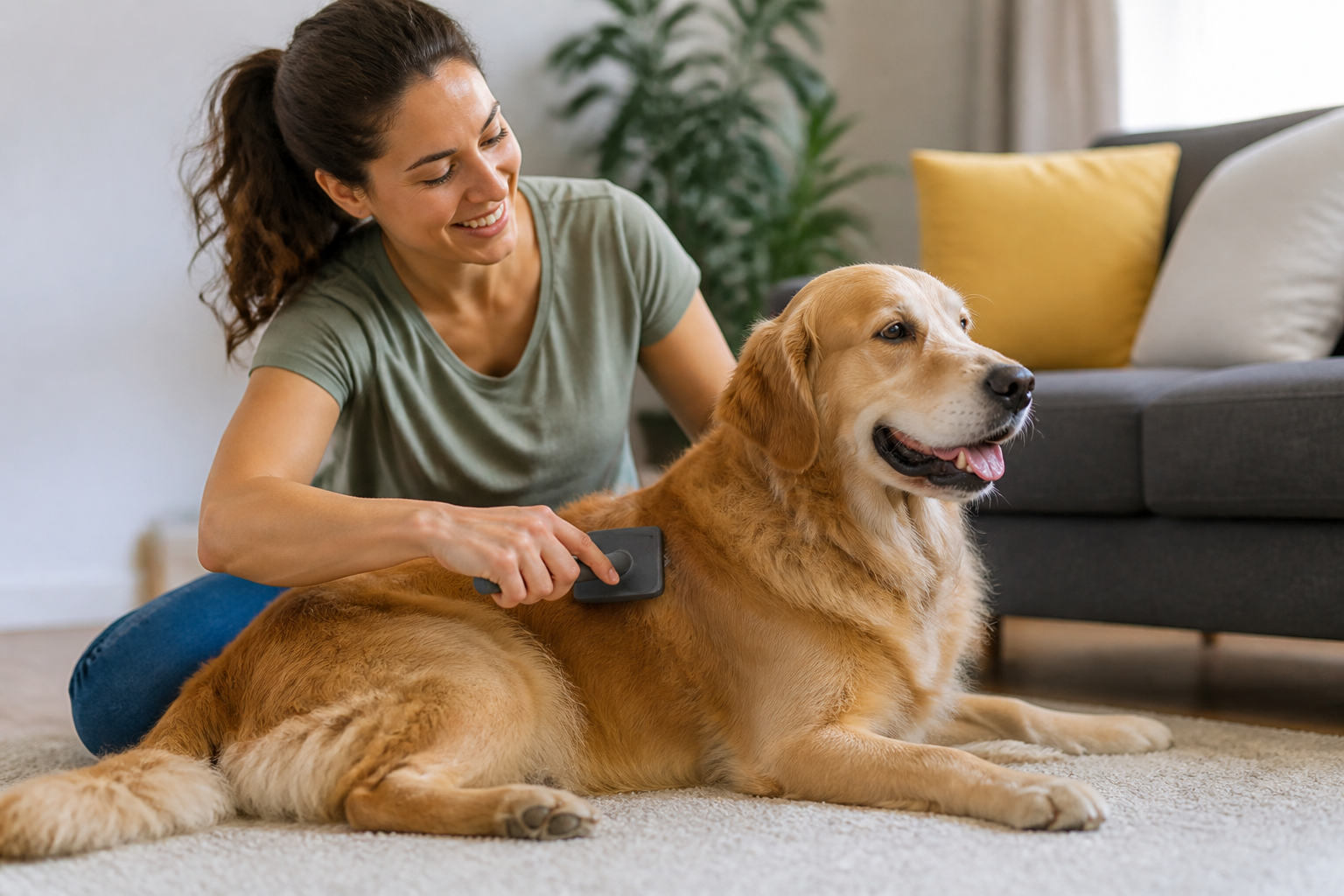
Walking into a room only to find a "tumbleweed" of fur rolling across the hardwood floor is a classic dog owner moment. You look at your pup, and while they look happy, their coat might be looking a bit wild or starting to feel slightly gritty. Brushing your dog is one of those essential tasks that seems simple until you are actually holding a brush while your dog tries to wiggle away. At BaxterBoo, we know that grooming is about more than just looking good. It is a vital part of skin health and a great way to bond with your best friend. This guide covers the specific tools you need for every coat type and the best techniques to keep your dog comfortable. We will help you turn a potential chore into a relaxing routine.
Choosing the Right Tools
You might think a brush is just a brush, but using the wrong one is like trying to comb your own hair with a toothbrush. It just won’t work. The goal is to reach the skin without scratching it and to remove dead hair without pulling on the healthy coat. Explore our dog brushes and combs to find tools suited to different coat types.
The Slicker Brush
The slicker brush is the workhorse of the grooming world. It has a flat or slightly curved head with rows of thin wire pins. These pins are usually angled to help grab loose fur and break up small tangles. It is excellent for dogs with medium to long hair or curly coats. When you use a slicker brush, you want to use light pressure. If you press too hard, those wire pins can cause "brush burn" on the skin.
The Metal Comb
A high quality metal comb is often called a Greyhound comb. It usually has two sides: one with teeth close together and one with teeth further apart. This is your most important diagnostic tool. After you think you are finished brushing, run the metal comb through the fur. If it catches, you still have a knot. We recommend brands like Andis for a sturdy comb that won't bend when it hits a tangle.
Rubber Brushes and Deshedding Tools
For dogs with very short, smooth hair, a rubber brush like the KONG Zoom Groom Natural Rubber Dog Grooming Brush is perfect. It acts like a magnet for loose fur while giving your dog a pleasant massage. If your dog has a thick undercoat that seems to shed constantly, a dedicated deshedding tool may be necessary. These tools reach deep into the coat to pull out the "dead" hair before it ends up on your sofa.
Quick Answer: The best way to brush your dog is to start from the bottom and work your way up using small, gentle strokes. Always brush in the direction of hair growth and follow up with a metal comb to ensure no hidden mats remain near the skin.
Understanding Your Dog's Coat Type
Every dog breed has a unique coat architecture. Brushing a Boxer is a completely different experience than brushing a Poodle or a Golden Retriever. You must tailor your technique to the specific needs of the fur.
Short and Smooth Coats
Breeds like Boxers, Labradors, and Poodles with short clips fall into this category. These dogs do not mat, but they certainly shed. You want to use a rubber brush or a soft bristle brush. Start at the neck and move toward the tail. Use circular motions with a rubber brush to loosen the hair, then long strokes to sweep it away.
Double Coats and the Undercoat
Huskies, German Shepherds, and Corgis have a "double coat." This means they have a harsh outer layer of guard hairs and a soft, fluffy undercoat. Twice a year, these dogs "blow" their coats, and the shedding can be intense. For additional shedding guidance, read how Australian Shepherds shed.
- Use a slicker brush to remove the initial layer of loose fur.
- Use an undercoat rake to pull out the dead fluff from the bottom layer.
- Be gentle around the haunches and tail where the hair is thickest.
- Finish with a metal comb to check your work.
Long and Silky Coats
Yorkshire Terriers and Maltese dogs have hair that is very similar to human hair. It grows continuously and can tangle easily. For these dogs, a pin brush is often better than a slicker brush. A pin brush has longer, blunt ended teeth that prevent breakage. You should always use a grooming spray or a little water to dampen the hair before brushing. Brushing dry, silky hair can cause it to snap and frizz.
Curly and Wavy Coats
Doodles, Poodles, and Bichon Frises are famous for being "low shedding," but they are high maintenance. Their hair traps the shed fur inside the curls. If you do not brush them daily, those trapped hairs turn into hard mats very quickly. The guide on grooming curly-haired dogs offers additional brushing and coat-care tips.
- The Line Brushing Technique: Lift a section of hair with one hand. Brush the hair underneath it from the skin out. Move up an inch and repeat. This ensures you are reaching the skin and not just "skimming" the top of the curls.
Wire Coats
Terriers like the Airedale or the Wire Fox Terrier have a coarse, bristly coat. These coats are designed to be weather resistant. A slicker brush works well for daily maintenance to keep the coat looking tidy. Many owners of wire haired dogs also use a stripping comb to remove the oldest, dullest hairs, which helps the new, vibrant coat grow in.
Key Takeaway: Matching your brush to your dog's coat type prevents skin irritation and makes the grooming process much more effective. If you are unsure of the coat type, start with a soft slicker brush and a metal comb.
Step-by-Step: The Brushing Routine
Establishing a consistent routine helps your dog know what to expect. This reduces anxiety and makes the process faster over time.
Step 1: Choose your location. / Find a spot where your dog feels secure but cannot easily bolt. A raised surface like a sturdy table can help for small dogs, while a non slip rug is best for large dogs.
Step 2: Do a quick "hand check." / Run your hands over your dog's entire body. Feel for any new lumps, bumps, or sore spots. This is also a great time to check for "hitchhikers" like ticks or fleas.
Step 3: Start with the easy areas. / Begin brushing the shoulders or the back. These are less sensitive areas. It helps your dog relax into the rhythm of the brush.
Step 4: Move to the friction points. / Spend extra time under the front legs (the armpits), behind the ears, and around the tail. These areas rub together when the dog moves and are the most likely spots for mats to form.
Step 5: The comb test. / Once you have brushed the whole body, take your metal comb. Start at the head and work toward the tail. If the comb glides through without snagging, you are done.
Managing Mats and Tangles Safely
Mats are more than just an eyesore. They pull on the skin and can trap moisture, leading to painful "hot spots" or bacterial infections. If you find a mat, do not reach for the kitchen scissors. A dedicated dematting tool can be useful for appropriate grooming situations.
Vet Tip: Never use regular scissors to cut out a mat. A dog's skin is very thin and can easily be pulled into the knot of hair. If you accidentally cut the skin, it often requires a trip to the vet for stitches. Use a dedicated dematting tool or ask a professional groomer for help.
If you find a small mat, try to work it apart with your fingers first. Apply a bit of cornstarch or a grooming spray to the knot to help the hairs slide. Hold the hair at the base, near the skin, so you aren't pulling on the dog while you work. Use the end tooth of your metal comb to "pick" at the mat from the outside in. If the mat is tight against the skin or larger than a coin, it is safest to have it clipped out with electric shears.
For more bath-related coat-care guidance, review these dos and don'ts for bathing your dog.
Brushing for Better Health
Brushing is your first line of defense in monitoring your dog's health. While you are grooming, you might notice redness, flaky skin, or parasites.
If you see signs of fleas or if your dog is scratching excessively even after a good brushing, it may be time for a treatment. Our pet pharmacy offers a wide range of FDA approved flea and tick preventives through our partnership with Pet's Choice. Many of these require a prescription from your veterinarian, but they are the most effective way to keep your dog's skin healthy and comfortable.
Regular brushing also distributes the natural oils produced by the skin. This acts as a natural conditioner, giving the coat that healthy shine. If the coat remains dull or the skin is very dry despite regular grooming, consult your vet. It could be a sign of a nutritional deficiency or an underlying allergy.
Key Takeaway: Grooming is an early warning system for health issues. Always check for ticks, fleas, and skin irritation while you brush.
Training Your Dog to Enjoy Brushing
Not every dog is born loving the brush. Some may find the sensation strange or even frightening. The key is to use "counter conditioning." This means pairing the brush with something your dog absolutely loves, like high value treats.
- Go Slow: On the first day, just show your dog the brush and give them a treat.
- Touch and Treat: Touch the brush to their side without actually brushing, then give a treat.
- Small Wins: Brush for just thirty seconds, then stop and have a "play party" with their favorite toy.
- Handle the Paws: Many dogs are sensitive about their legs and paws. Practice touching these areas often without the brush so they get used to the handling.
If your dog is very anxious, try a calming supplement or a lick mat. Spreading some dog safe peanut butter on a textured mat can keep them occupied and happy while you work through their coat. Over time, most dogs will learn to enjoy the one on one attention.
Brushing During Shedding Season
Most dogs experience a significant shed twice a year, usually in the spring and the fall. This is often called "blowing the coat." During these times, you may need to increase your brushing frequency to every single day.
For double coated breeds, a deshedding tool can be used once a week to manage the bulk of the undercoat. Be careful not to overwork any single area. If you see the skin turning pink, move to a different spot. Using our Autoship programme for your grooming supplies ensures you always have a fresh, sharp brush or the right grooming spray when the heavy shedding starts.
Bottom line: Consistent, gentle brushing prevents painful mats and keeps your home much cleaner by catching loose fur before it falls.
Conclusion
Brushing your dog is a fundamental part of responsible pet ownership. It keeps their coat shiny, their skin healthy, and your home free of excess fur. By choosing the right tools for your dog's specific coat type and following a calm, consistent routine, you can make grooming a highlight of your dog's day. Remember to always be patient and keep the experience positive with plenty of praise. If you notice any skin issues or persistent itching during your grooming sessions, check out our dog grooming supplies. We carry over 500 trusted brands at BaxterBoo to help you care for your pet from head to tail.
FAQ
How often should I brush my dog?
The frequency depends entirely on your dog's coat type. Dogs with long, curly, or silky hair should be brushed daily to prevent mats. Short haired or smooth coated dogs can usually go a week between sessions, though daily brushing during shedding season will help keep your house cleaner.
Should I brush my dog before or after a bath?
You should always brush your dog before a bath. Water acts like a glue for tangles and can turn small knots into tight, permanent mats. Once the hair is wet and then dried, those mats become much harder to remove. Always ensure your dog is "knot free" before they hit the tub.
What should I do if my dog hates being brushed?
Start with very short sessions, even just one or two minutes, and use high value treats. Let your dog sniff the brush first. Use a soft brush that won't scratch their skin. If they are extremely fearful, consult a trainer or your veterinarian to rule out any underlying pain that might be making the process uncomfortable.
Can I use a human hairbrush on my dog?
It is not recommended to use human brushes on pets. Human hairbrushes are designed for human scalp density and hair texture. They often cannot reach through a dog's thick fur to the skin, or the bristles may be too sharp for a dog's sensitive hide. Using a brush specifically designed for dogs ensures the pins are the right length and strength.






