Save 15% on your 1st Autoship learn more

 Email us
 Live Chat
 FAQs
FAQs





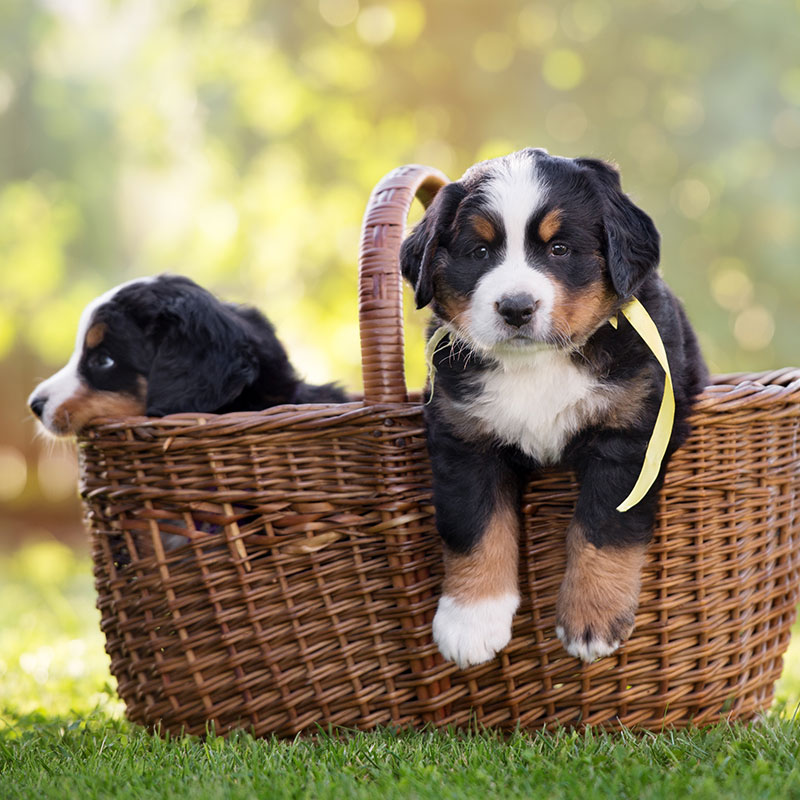
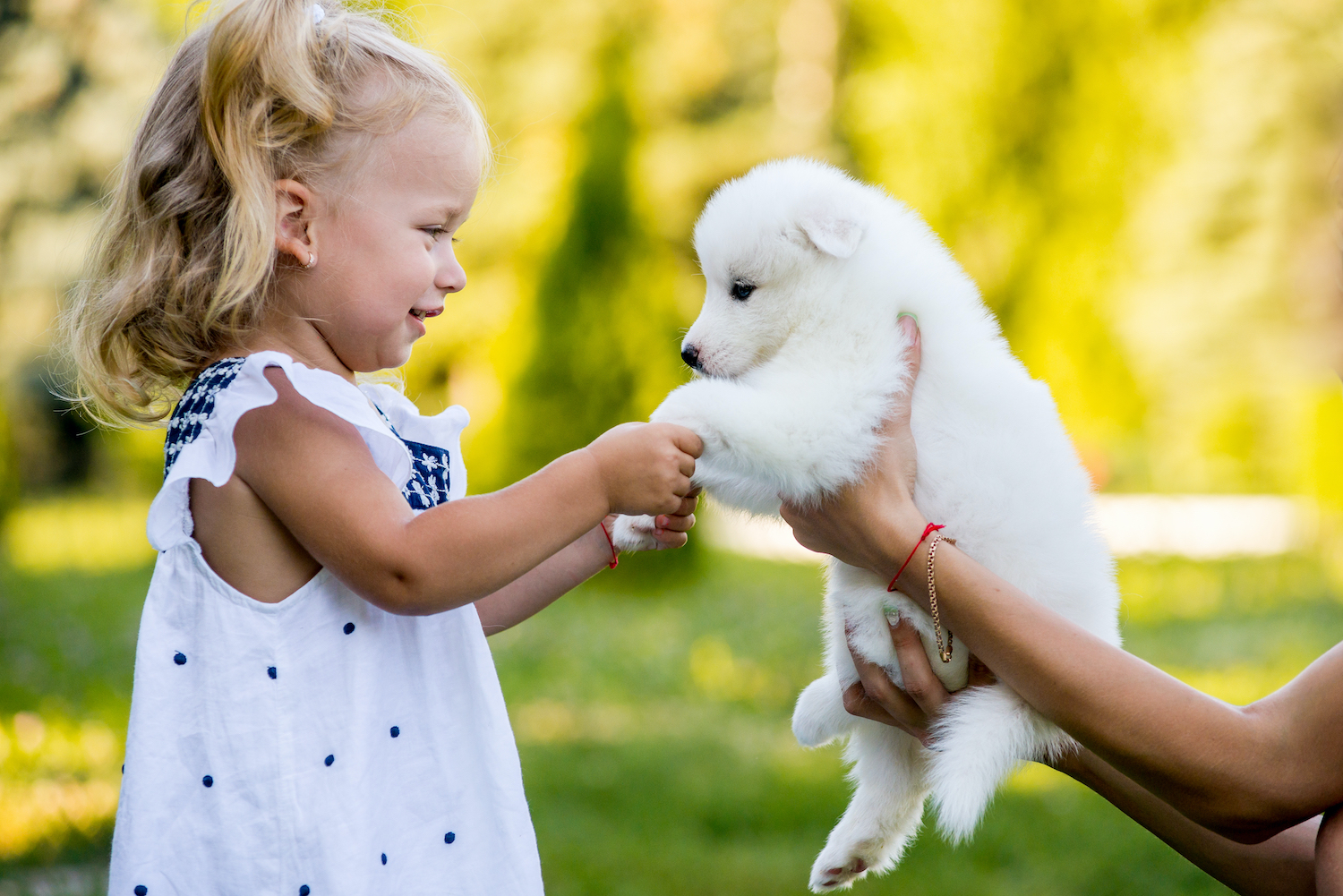
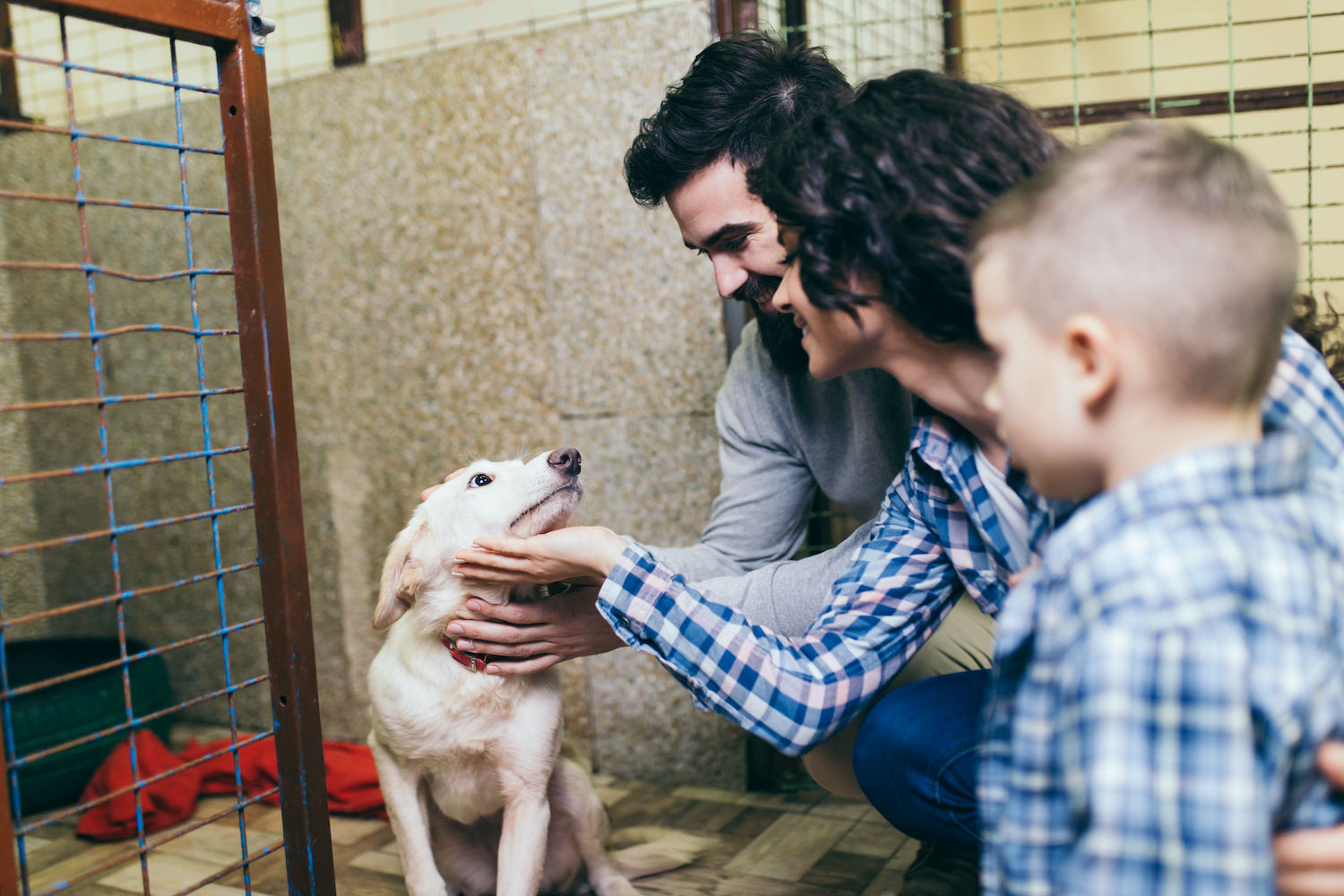
It is hard for anyone to resist the big eyes, fluffy fur, and playful nature of a puppy, but welcoming a puppy into your home is not something that should be a snap decision or one based only on emotion. A dog is a commitment for the life of the animal: Through puppyhood, adolescence, adulthood, and old age. Many adolescent dogs end up in shelters because owners made a quick decision to purchase an adorable puppy, only to realize down the line that they were not ready to commit to the work as the dog got older. Don’t make the same mistake. Here is how to choose the right puppy for your family and prepare to create a lifetime relationship with your pet.
Choosing the right puppy
Almost all puppies are cute, but choosing the right breed for your situation is important. Breed determines size, physical appearance and traits, and plays a part in temperament and energy level as well. You want to look at a breed that will check the most boxes on your list. Here are some questions to ask yourself when determining breed:
-
What size will work best for you and your family? If you live in a tiny apartment in the city, you might want to consider a smaller breed. If you are looking for a companion to enjoy the outdoors with and participate in sporting activities, you might want to consider a medium to large sized dog.
-
Are there any special needs that need to be considered? If there are allergies in the family or other special considerations that need to be made, these should come into the decision. Some dogs are advertised as “hypoallergenic” but no dog will be truly devoid of allergy causing dander. Dogs that do not shed will not spread dander as prolifically as ones that do. Even if allergies are not an issue, some people prefer dogs that do not shed for reasons of cleanliness.
-
Is the dog going to be a working dog? While many people want a dog as simply a family pet, others are looking for a dog that will be used for a purpose. Many dog breeds were originally created for a specific purpose, and many of those dogs still perform similar tasks today. There are dogs that are bred for working with other animals like cattle and sheep, dogs that are used as trackers, retrievers, sled pullers, guard dogs, and search and rescue animals. In these cases, breed will often be the most important factor in choosing the right animal.
-
Does the breed’s energy level match yours? While every individual dog will have a different temperament and personality, breed will also affect a dog’s energy level and temperament. Be sure to do your research and choose a breed that will match what you are looking for in a pet or companion.
Preparing for a puppy
Once you have narrowed your choice down and feel that you have a good idea of what you are looking for, you need to prepare for bringing a puppy into your home. Having the right tools and supplies will make a big difference.
House training
You’ll want to start house training your puppy right away. When puppies are very young, they do not have the physical capacity to hold their urine, so there may be a lot of accidents. When dogs are so little, it is often easier to start training them using training pads or a training tray instead of trying to take them outside for all their business. This makes it easier to quickly get your puppy on the pad, reinforcing the idea of going in a certain spot. When your puppy is a little bigger and is comfortable using pads or a tray, then you can graduate to going outside. You can even teach your puppy to let you know when he needs to go out by ringing a dog doorbell that hangs on your doorknob.
Exercise and toys
For your puppy’s safety, you will also want to have a quality collar and leash or harness . You may want to wait until your puppy is just a little older to start leash training, but if you are ever outside in an unfenced area, it is a good idea to keep your pup on his leash. Puppies are often distracted and do not come when called, so this is for their safety. Puppies are full of energy and need to play and chew for healthy development. This is why it is important to have puppy appropriate toys available. A variety of plush toys and chew toys is a good start. Take time to play with your puppy as well. It will help build your bond.
Crates and Beds
Unless you plan on sharing your bed with your dog and letting them run the house while you are away, it’s a good idea to get your puppy used to a crate or dog bed from the beginning. Some people feel bad using a crate because they don’t want to put their dog in a cage, but a crate can become a comforting safe place for a dog to rest, sleep, and be protected while you are out of the house. Most dogs, if properly trained, seem to regard their crate as a safe, secure place.
Food and water
Your dog will need a private area where he can eat and drink. Water should always be available, but having specific mealtimes is best for food. It’s important to feed your puppy a high quality food that is formulated for his needs. Puppies nutritional needs are different from an adult dog’s and they also usually need smaller kibble.
Bringing your puppy home
Once you know what kind of dog you want and have the necessary supplies, all that is left to do is bring your sweet puppy home. Let your pup explore the new surroundings with supervision. Have a place set up for the night for the puppy and let them get used to it before it is time for bed. Expect some crying at the beginning, but it won’t be long until your puppy has settled in and become a part of the family.