
 Save 15% on your 1st Autoship learn more

 Email us
 Live Chat
 FAQs






Introduction
You watch your dog scratch at their ears for the third time in ten minutes. Perhaps you have noticed their skin looking red or they seem to have an upset stomach after every meal. These moments are frustrating because you want your companion to feel their best. When standard kibble leads to constant itching or digestive trouble, many owners turn to a limited-ingredient dog food to simplify the bowl. This type of diet aims to remove common triggers by focusing on a very short list of high-quality components. At BaxterBoo, we see many pet parents looking for relief for their sensitive dogs. This guide covers how these diets work, what ingredients to look for, and how to manage food sensitivities. Finding the right balance can help your dog get back to their happy, energetic self.
Understanding Limited Ingredient Dog Food
The term limited ingredient dog food usually refers to a recipe with a single protein source and a single carbohydrate source. Most standard dog foods contain a complex mix of several meats, various grains, and many additives. While this is fine for many dogs, it makes it nearly impossible to identify what might be causing a reaction. A limited diet strips away the extras to focus on the essentials.
The primary goal is to reduce the number of items your dog's immune system or digestive tract interacts with. By feeding only one animal protein, you can see if that specific meat agrees with your dog. Most of these recipes also avoid common fillers like corn, soy, and wheat. These are frequently cited as culprits in food sensitivities.
Quick Answer: Limited ingredient dog food is a diet formulated with a minimal number of ingredients, usually featuring one protein and one carbohydrate. It is designed to help dogs with food sensitivities or allergies by removing common triggers and simplifying the identification of problematic ingredients.
There is no official legal definition for this category in the pet food industry. This means pet owners must be diligent about reading labels. Some brands might claim to be limited but still include multiple types of animal fats or various plant proteins. A true limited diet should be as simple as possible. You can compare limited-ingredient dog food options while checking each recipe’s full ingredient list.
Dog Food








Is Your Dog a Candidate for a Limited Diet?
Not every dog needs a specialized diet. However, if your pet has ongoing health issues that do not resolve with standard care, the food might be the issue. Symptoms usually fall into two categories: skin problems and digestive upset.
Skin issues often manifest as persistent itching or red, inflamed patches. You might notice your dog licking their paws constantly or rubbing their face on the carpet. Ear infections that keep coming back are another common sign of a food allergy. These symptoms indicate the immune system is overreacting to something in the environment or the bowl.
Digestive sensitivities look a bit different. You might notice chronic diarrhea, excessive gas, or frequent vomiting. Some dogs might simply seem uninterested in their food because they associate it with feeling unwell. If your dog shows these signs, a simpler diet might provide the relief they need. For suspected food allergies, our article on sensitive-skin dog food also discusses working with your veterinarian and considering an elimination trial.
Vet Tip: If your dog is experiencing severe itching, hair loss, or chronic diarrhea, consult your veterinarian before switching foods. They can help determine if the issue is a food allergy, an environmental allergy, or a medical condition that requires a prescription diet or medication.
The Role of Novel Proteins
When you start a limited diet, you often look for a novel protein. This is a protein source your dog has never eaten before. Most common dog foods use chicken or beef. Because dogs eat these so frequently, they are more likely to develop a sensitivity to them over time.
Novel proteins are unique and less common. This makes them less likely to trigger an immune response. Common examples include:
- Lamb
- Duck
- Venison
- Kangaroo
- Salmon or Whitefish
By switching to a meat like duck or venison, you give your dog's system a break from the usual triggers. This is why many limited-ingredient recipes focus on these specific proteins. It is important to ensure the food does not have "hidden" proteins, such as chicken fat or beef broth, which could ruin the trial. Our selection of NutriSource products includes limited-ingredient recipes with different protein options, so check the label against your dog’s food history.
Selecting the Right Carbohydrate
Just like the protein source, the carbohydrate in a limited-ingredient dog food should be simple and easy to digest. Many brands use a single starch to provide energy and fiber without overwhelming the gut. Wholesome grains or specific tubers are common choices.
Rice is a popular option because it is very gentle on the stomach. Brown rice provides extra fiber, while white rice is often used for dogs with very high sensitivity. Other brands use sweet potatoes or pumpkin. Pumpkin is particularly helpful for dogs with digestive issues because it helps regulate bowel movements.
Some pet owners prefer to avoid grains entirely. In those cases, you might see peas or chickpeas used as the primary carbohydrate. However, for a truly limited diet, the fewer plants involved, the better. You want to be able to point to exactly one meat and one plant as the core of the meal.
Key Takeaway: A successful limited-ingredient diet relies on a single, identifiable protein and a simple carbohydrate to minimize the risk of a reaction and make tracking triggers easier.
Limited Ingredient vs. Grain-Free
It is a common mistake to assume that all limited-ingredient foods are grain-free. This is not the case. A food can be limited in ingredients while still including a single grain like oatmeal or barley. Conversely, a grain-free food might have a dozen different proteins and vegetables, which does not help a sensitive dog.
The choice between grain-inclusive and grain-free depends on your dog's specific needs. Most dogs are not actually allergic to grains. They are more likely to be allergic to a specific protein like chicken. If your dog does well with rice or oatmeal, a grain-inclusive limited diet is a great choice.
If your vet has specifically recommended avoiding grains, then a grain-free limited diet is the way to go. Just be sure to check the label for other fillers. Sometimes grain-free recipes add a long list of legumes that can be just as hard on a sensitive stomach as the grains they replaced. Browse our dog food selection to compare different recipe types.
How to Read a Limited Ingredient Label
Reading the label is the most important step in choosing a food. Manufacturers often use marketing terms on the front of the bag that do not tell the whole story. Flip the bag over and look at the actual ingredient list.
First, the animal protein should be the very first ingredient. It should be a specific meat, like "Lamb" or "Deboned Duck." Avoid generic terms like "meat meal" or "animal fat." These vague terms mean the source could be anything, which is risky for a dog with allergies.
Second, look for a short list. A high-quality limited-ingredient dog food will usually have fewer than ten main ingredients before the list of added vitamins and minerals. If you see a long paragraph of various herbs, fruits, and multiple starches, it is probably not a true limited diet.
Finally, check for artificial additives. Dyes, artificial flavors, and chemical preservatives like BHA or BHT can trigger reactions in sensitive dogs. Look for natural preservatives like tocopherols, which are a form of Vitamin E.
- Check for a single animal protein source
- Identify a single carbohydrate source
- Ensure there are no hidden "animal" by-products
- Avoid artificial colors and flavors
- Look for the AAFCO adequacy statement
Managing Severe Allergies and Prescription Needs
Sometimes an over-the-counter limited diet is not enough. If a dog has severe, life-altering allergies, a veterinarian might recommend a hydrolyzed protein diet. This is a special type of food where the protein is broken down into tiny pieces. These pieces are so small that the dog's immune system does not recognize them as a threat.
Our pharmacy at BaxterBoo carries a variety of these specialized diets through our partnership with Pet's Choice. These options require a prescription from your vet. Brands like Farmina Vet Life offer targeted nutrition for dogs with specific health requirements. These diets are produced in highly controlled environments to prevent any cross-contamination with other proteins. Your veterinarian can advise whether a prescription diet is appropriate, and Pet's Choice prescription services handle prescription fulfillment through our pharmacy partner.
If your vet suggests a prescription food, it is usually because your dog needs a level of purity that retail foods cannot always guarantee. While many commercial limited-ingredient foods are excellent, they are often made on machines that also process chicken or beef. For the most sensitive dogs, even a microscopic trace of an old ingredient can cause a flare-up. You can also review Farmina Vet Life products and discuss specific options with your veterinarian.
Bottom line: For dogs with extreme sensitivities, a prescription hydrolyzed diet from a pharmacy may be necessary to ensure no triggers are present.
The Elimination Diet Trial
To find out exactly what your dog is allergic to, your vet might suggest an elimination trial. This is a strict process where you feed only one specific food for a set period. It is the gold standard for diagnosing food allergies.
Step 1: Consult your veterinarian.
Discuss your dog's symptoms and get a recommendation for a specific novel protein or hydrolyzed diet.
Step 2: Remove all other food sources.
This is the hardest part. You must stop giving all treats, table scraps, flavored medications, and even flavored chew toys. Any extra item can ruin the results of the trial.
Step 3: Feed the new diet exclusively for 8 to 12 weeks.
It takes time for the old allergens to leave your dog's system. You may not see a change in skin or digestion for several weeks.
Step 4: Monitor and record results.
Keep a journal of your dog's itching levels and stool quality. Note any improvements or flare-ups.
Step 5: Reintroduce ingredients one by one.
Once the dog is stable, your vet might have you add back one ingredient at a time. If the dog starts itching after eating beef, you have found your culprit. For another overview of the process, see the elimination diet discussion in our sensitive-skin food article.
Transitioning to New Food Safely
When you decide to switch to a limited-ingredient dog food, you must do it slowly. A sudden change in diet can cause stomach upset, even if the new food is higher quality than the old one. This is especially true for dogs who already have sensitive systems.
A standard transition takes about seven to ten days. Start by mixing 25 percent of the new food with 75 percent of the old food. Every few days, increase the amount of the new food while decreasing the old. This allows the beneficial bacteria in your dog's gut to adjust to the new protein and starch.
If you notice your dog having diarrhea or vomiting during the transition, slow down. You can stay at a 50-50 mix for a few extra days until their system settles. Patience during this phase prevents a "false negative" where you think the new food is the problem when it was actually just a fast transition. For additional transition guidance, read our advice on switching to sensitive-skin dog food.
Feeding Treats on a Limited Diet
One of the biggest mistakes owners make is switching to a limited diet but continuing to give standard treats. Most common dog treats are full of chicken, wheat, and artificial colors. If your dog is allergic to chicken, even one small biscuit can keep the itching cycle going.
You must choose treats that match the limited-ingredient dog food you are feeding. If your dog is on a lamb and rice diet, they should only have lamb-based treats. Many brands offer single-ingredient treats like freeze-dried salmon or dried sweet potato slices. Explore our dog treats and check each treat’s ingredients against the diet plan.
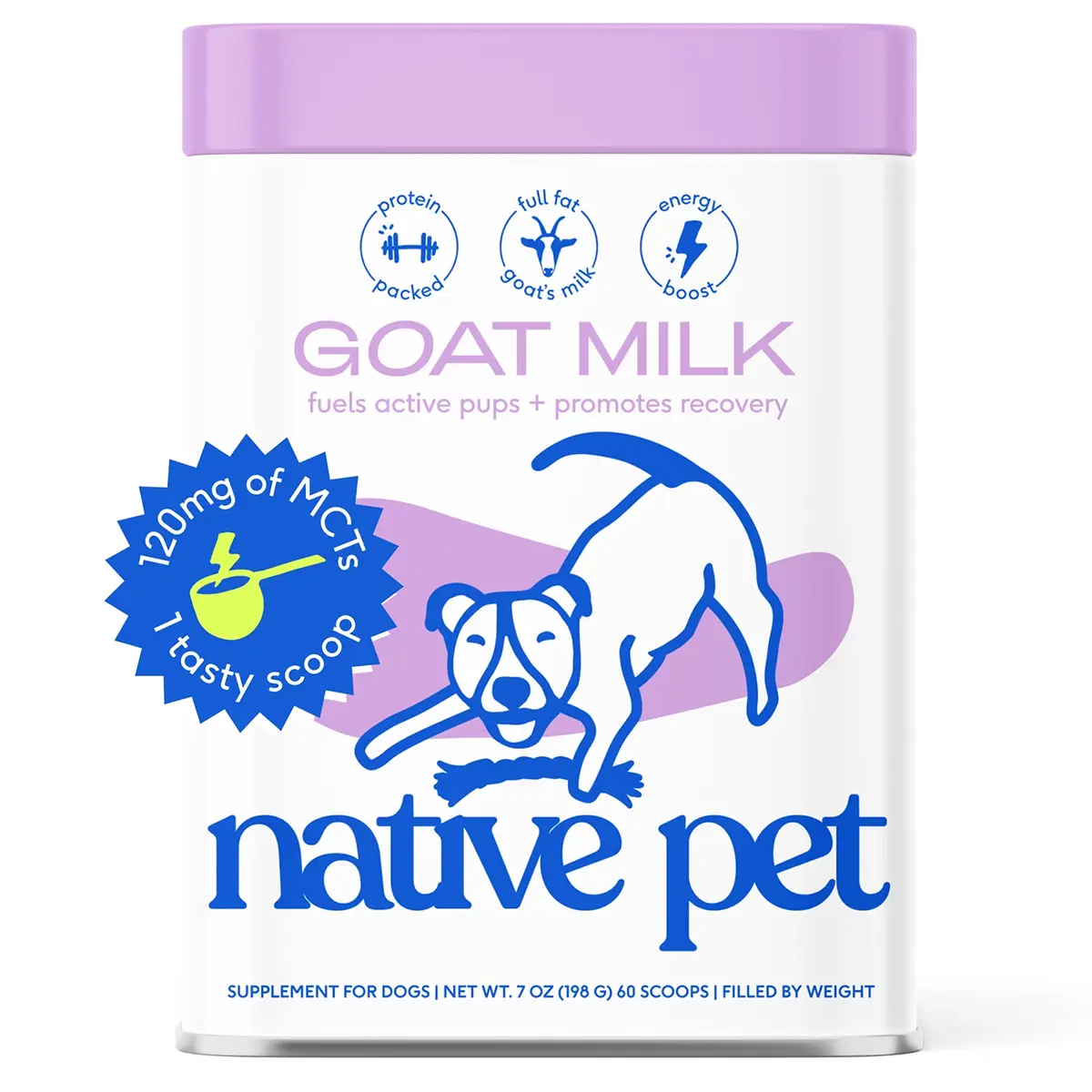
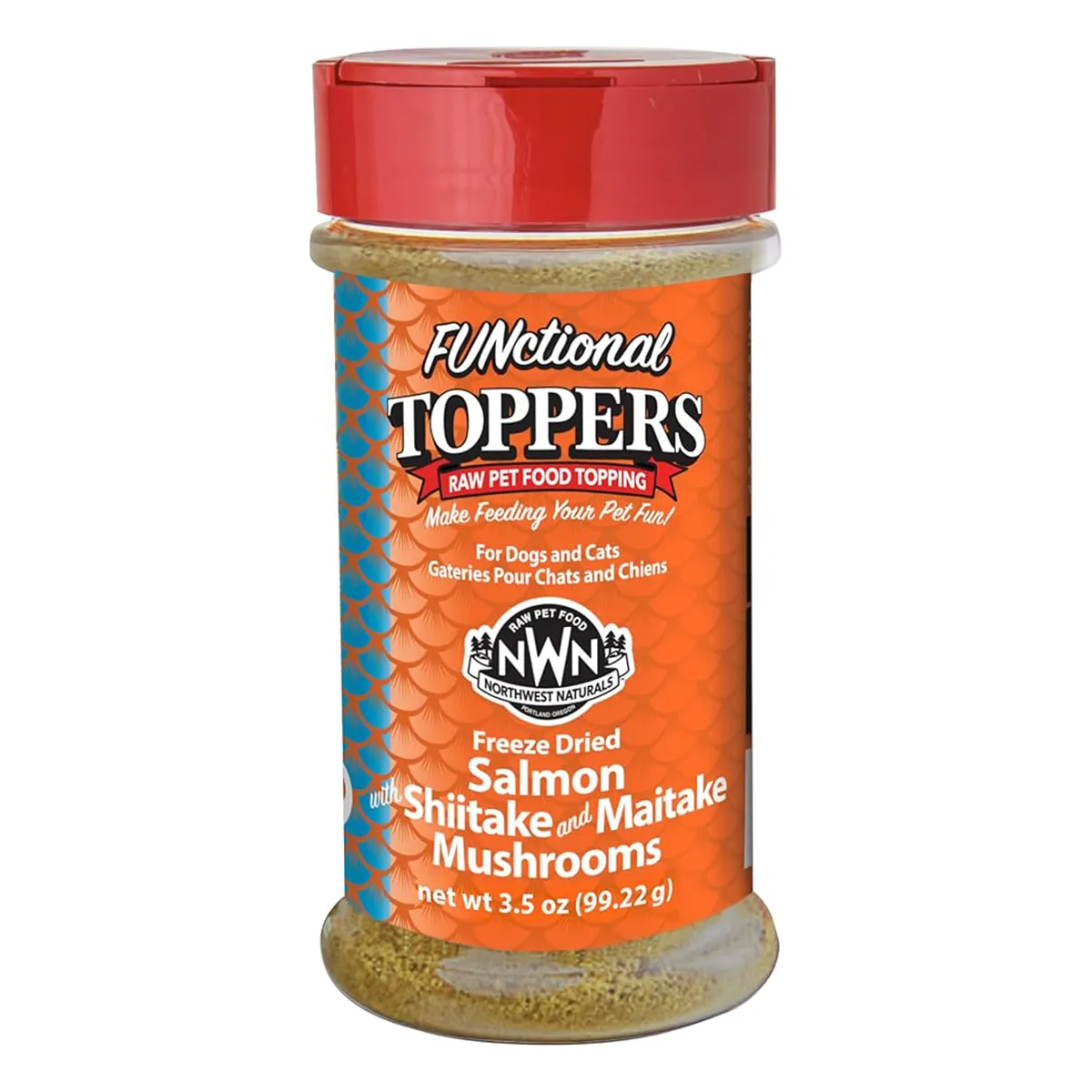
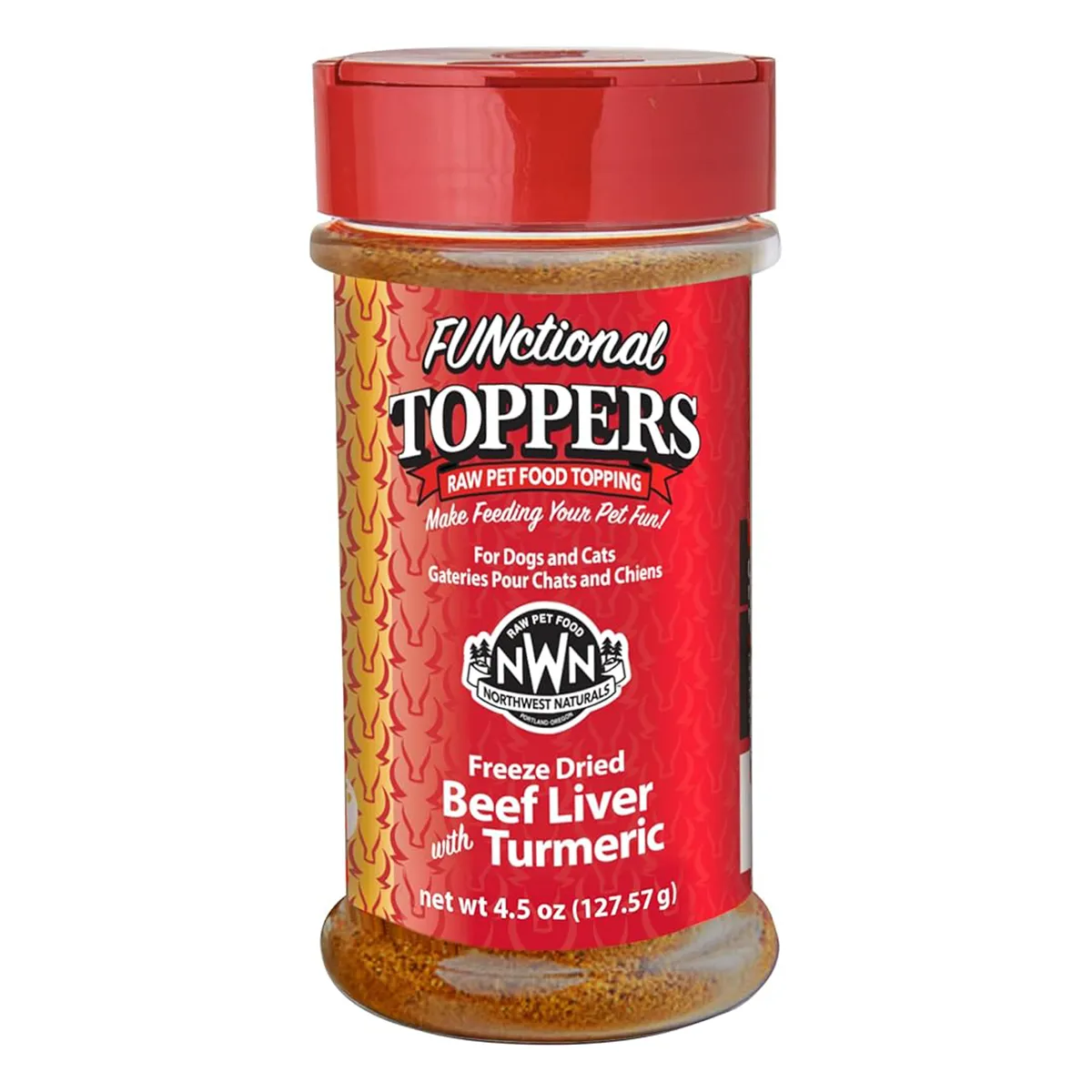
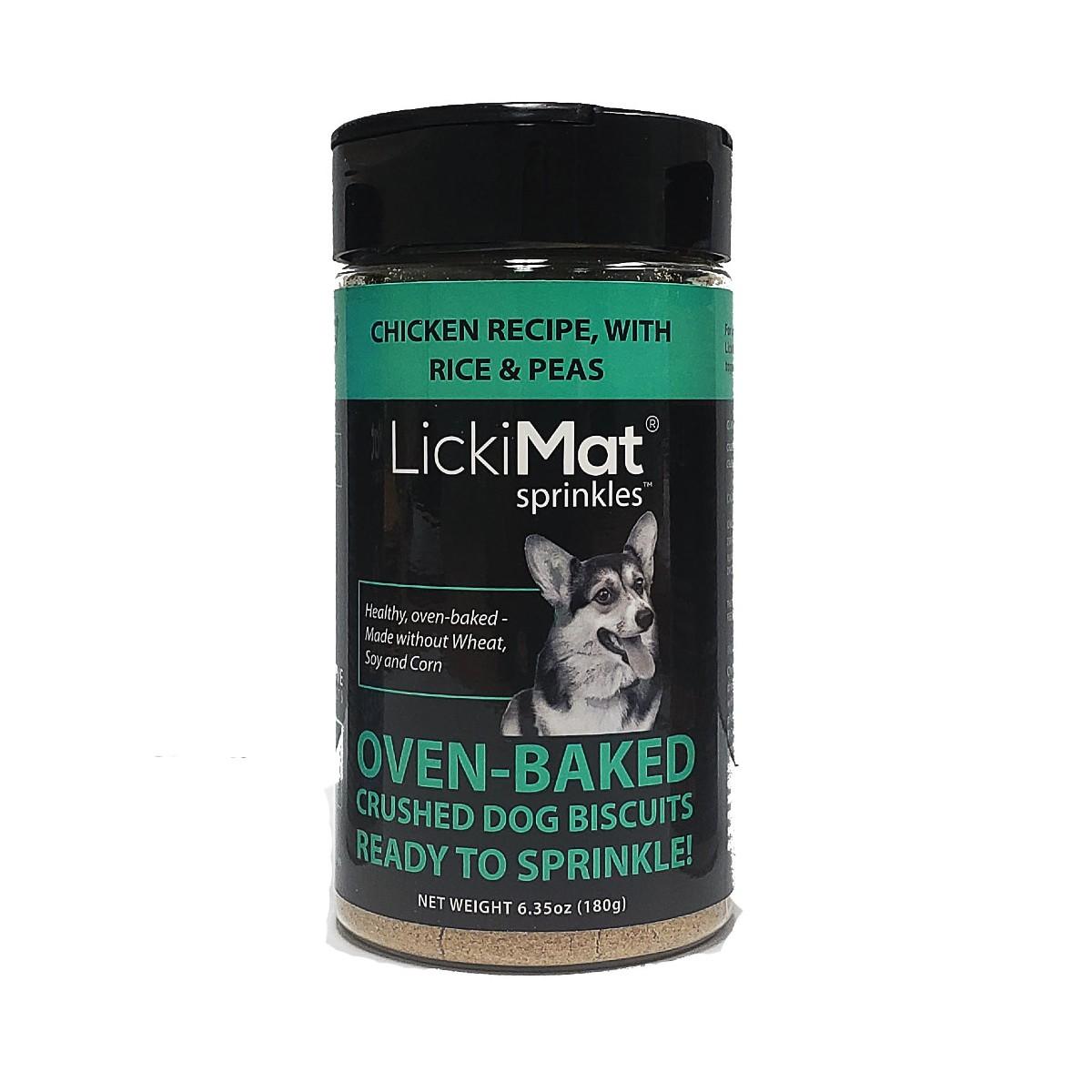
Another great option is to use the kibble from their new diet as treats. This ensures you are not introducing anything new. You can also look for limited-ingredient canned food to use as a topper. This adds variety and moisture to the meal without adding new allergens.
Vet Tip: Always inform anyone who interacts with your dog about their strict diet. This includes groomers, dog walkers, and neighbors who might be tempted to offer a "good boy" treat that could trigger an allergic reaction.
Maintaining Long-Term Health
Once you find a food that works, you might be tempted to never change it again. For many sensitive dogs, staying on a consistent limited diet is the key to a healthy life. However, it is still important to monitor your dog's condition over time.
Check their coat quality and energy levels regularly. A high-quality limited diet should provide all the essential nutrients your dog needs. Brands like Natural Balance, PureVita, and NutriSource are known for their well-balanced limited recipes. These brands ensure that while the ingredients are few, the nutrition is complete.
You should also keep an eye on their weight. Some limited-ingredient foods are higher in carbohydrates to make up for the single protein. If your dog starts gaining weight, you may need to adjust their portions. Healthy fats like Omega-3 fatty acids are often added to these diets to help heal the skin and coat.
Why BaxterBoo is a Trusted Resource
We have been helping pet owners since 2006. Our team understands that every dog is an individual with unique needs. Whether you are visiting our warehouse in Vernon Hills or ordering online for home delivery, we focus on providing expert guidance. We carry over 500 trusted brands to ensure you have access to the best options for your pet.
Our inventory includes a wide range of limited-ingredient dog food options, from premium kibble to freeze-dried raw meals. We also offer tools to make managing your pet's health easier. Our Autoship program ensures you never run out of your dog's specific food. It also provides savings and an MVP Gold membership for consistent value. Learn how our Autoship program works for repeat food orders.
If your dog's needs go beyond retail food, our partnership with Pet's Choice provides a seamless way to manage prescriptions. We are more than just a store. We are a team of people who actually know pets and want to help you find the solution that makes your dog feel like a puppy again.
Conclusion
Choosing a limited-ingredient dog food is a practical step toward solving complex health puzzles. By simplifying what goes into your dog's body, you can reduce inflammation, stop the constant itching, and stabilize their digestion. It requires patience and careful label reading, but the reward of a happy, comfortable dog is worth the effort.
- Limit the bowl to one protein and one carbohydrate.
- Avoid hidden fillers and artificial additives.
- Consult a vet for severe symptoms or elimination trials.
- Use the BaxterBoo pharmacy for prescription diet needs.
Key Takeaway: Success with a limited-ingredient diet comes from consistency and total elimination of outside triggers, allowing your dog's body to heal and thrive.
If you are ready to start your dog on a better path, browse our collection of specialized diets. You can also look into our MVP Rewards program to learn about the available membership benefits.
FAQ
How long does it take for limited ingredient dog food to work?
It usually takes between 8 to 12 weeks to see the full results of a limited-ingredient diet, especially for skin issues. While digestive improvements might happen within a few days, the skin and coat take much longer to regenerate and heal. Consistency is vital during this period, as even one high-allergen treat can reset the clock on your dog's progress.
Can a dog be allergic to limited ingredient dog food?
Yes, a dog can be allergic to any ingredient, even those in a limited-ingredient diet. If the recipe uses a protein your dog is already sensitive to, such as lamb or salmon, they will still have a reaction. This is why it is important to choose a novel protein that your dog hasn't eaten before when starting a new limited diet.
Is grain-free the same as limited ingredient?
No, these are two different concepts in pet nutrition. Grain-free food simply lacks grains like wheat or corn but may still contain many different proteins and vegetables. Limited ingredient food focuses on the total number of components and usually features only one protein and one carbohydrate, which may or may not include grains.
Do I need a prescription for limited ingredient dog food?
Most limited-ingredient dog foods are available over the counter and do not require a prescription. However, if your dog has severe allergies, a veterinarian might prescribe a hydrolyzed protein diet. These specialized medical foods are handled through a pharmacy, like our partnership with Pet's Choice, to ensure the highest level of purity and safety.






- Site & Contents BaxterBoo.com. BaxterBoo is located in the United States.
- Privacy & Security
- Terms of Use
- Accessibility Statement
