
 Save 15% on your 1st Autoship learn more

 Email us
 Live Chat
 FAQs
FAQs






Is Your Dog's Diet Causing Itchy Skin?
Sensitive skin dog food is specially formulated to address itching, irritation, and digestive issues in dogs through carefully selected ingredients that minimize allergic reactions and support skin health.
Quick Answer: Top Features to Look For
- Limited ingredients - Fewer components mean easier allergen identification
- Novel proteins - Salmon, duck, or lamb instead of common triggers like chicken or beef
- Omega-3 fatty acids - Essential for skin barrier function and reducing inflammation
- No artificial additives - Eliminates common irritants like dyes and preservatives
- Probiotics - Supports gut health, which directly impacts skin condition
If your dog is constantly scratching, licking their paws, or experiencing digestive upset, their food might be the culprit. One in three dogs experience skin sensitivities, and 40% of vet visits involve skin-related issues. The connection between what your dog eats and how their skin looks is stronger than many pet parents realize.
The good news? Switching to the right sensitive skin formula can make a dramatic difference. Dog owners report seeing improvements like regrown hair, healed wounds from scratching, and shinier coats within weeks of changing their dog's diet.
Your dog's skin is their largest organ, and it relies on proper nutrition to stay healthy. When dogs don't get enough essential fatty acids or are exposed to ingredients that trigger reactions, they develop uncomfortable symptoms like dry patches, redness, and constant itching.
This guide will help you understand what causes sensitive skin in dogs and show you our top food recommendations to bring relief to your itchy pup.
Understanding the Root Causes of Skin and Stomach Sensitivities
When your dog won't stop scratching or has tummy troubles, the cause is often complex. Sensitive skin and stomach issues are frequently connected, and identifying the root cause is the first step toward providing relief.
Food allergies and intolerances are common culprits. A true food allergy involves an immune response to an ingredient, usually a protein like beef, chicken, or dairy. This can cause chronic ear infections, inflamed skin, scratching, or digestive upset. A food intolerance, however, is a digestive issue where the body struggles to break down an ingredient, leading to gas, bloating, or milder irritation. Differentiating between the two often requires veterinary consultation.
If a food allergy is suspected, your vet will likely recommend an elimination diet trial to pinpoint the problematic ingredient. This is where sensitive skin dog food with limited ingredients proves invaluable.
Sometimes, the issue isn't the food but environmental allergens like pollen, dust mites, or flea saliva. These can trigger seasonal itching, paw licking, and red skin patches. These allergies can be just as frustrating as food sensitivities and often require a different management approach.
Your dog's gut health also plays a massive role. The "gut-skin axis" describes how the balance of bacteria in your dog's digestive system directly impacts their skin. An imbalance can lead to body-wide inflammation, making skin more reactive. This is why probiotics and prebiotics in dog food can make such a noticeable difference.
Certain breeds, like Boxers, Labrador Retrievers, and West Highland White Terriers, are more prone to food allergies, but any dog can develop them.
Watch for these common signs:
- Persistent itching, scratching, or paw licking
- Redness, inflammation, or hot spots
- Fur loss or dry, flaky skin
- Recurrent ear infections
- Vomiting, diarrhea, or chronic soft stools
- Excessive gas
If you see these symptoms, it's time for a vet visit. They can help determine if you're dealing with a food allergy, environmental triggers, or a more serious health concern. You can learn more about the full range of canine allergies and treatment options from trusted sources like the AKC. Once you identify the root cause, the right diet can make a world of difference.
Decoding the Label: Key Ingredients for Sensitive Dogs
Once you and your vet determine that diet is a factor in your dog's sensitivities, the next step is choosing a food that supports their health. This means understanding ingredient lists—what to look for and what to avoid. At BaxterBoo, we help you find high-quality pet products that address these specific needs.

What to Look For
When choosing sensitive skin dog food, look for ingredients that are gentle, nutritious, and unlikely to trigger a reaction.
- Novel Proteins: These are proteins your dog likely hasn't eaten before, reducing the chance of an allergic reaction. Excellent choices include salmon, duck, and lamb.
- Hydrolyzed Proteins: For severe allergies, vets may recommend these proteins, which are broken down into particles too small for the immune system to recognize as allergens.
- Limited Ingredient Diets (LIDs): These formulas contain fewer ingredients, making it much easier to identify and eliminate potential triggers. The simpler the list, the better.
- Omega-3 and Omega-6 Fatty Acids: These are essential for skin and coat health. Omega-3s (from fish oil and flaxseed) reduce inflammation, while Omega-6s maintain the skin's barrier. Look for guaranteed minimums on the label.
- Easily Digestible Carbohydrates: Instead of common grains that can be tough on some dogs, look for gentle options like sweet potatoes, peas, or oatmeal.
- Probiotics and Prebiotics: These support a healthy gut microbiome, which is directly linked to skin condition. Probiotics are beneficial bacteria, and prebiotics (like chicory root) are fibers that feed them.
What to Avoid
Just as important as what's included is what's left out. Many common ingredients can worsen sensitivities.
- Artificial Additives: Avoid artificial colors, flavors, and chemical preservatives. They offer no nutritional value and are common irritants.
- Common Allergens: The most frequent triggers for sensitive dogs are beef, dairy, wheat, chicken, and soy. If you haven't done an elimination trial, it's wise to start by avoiding these.
- By-Product Meals: These can be ambiguous protein sources, making it difficult to pinpoint a specific trigger. Clear, named protein sources are always better.
By focusing on whole, easily digestible ingredients, you can significantly improve your dog's comfort and health.
Our Top Picks for Sensitive Skin Dog Food
Shopping for sensitive skin dog food can be overwhelming. At BaxterBoo, we've curated a selection of high-quality products that work. We organize our recommendations by the specific benefit they offer, making it easier to find the perfect match for your pup.
Some dogs need help identifying allergens, while others need extra skin support or digestive aid. Here’s how we break it down:
| Food Type | Key Features | Primary Benefit | Common Ingredients |
|---|---|---|---|
| Limited Ingredient Diets (LID) | Single protein source, few carbs | Pinpointing allergies & reducing reactions | Salmon, duck, lamb, sweet potato, peas |
| Omega-Rich Formulas | High levels of Omega-3 & Omega-6 fatty acids | Healthy skin barrier & shiny coat | Fish oil, salmon, flaxseed |
| Probiotic-Fortified Foods | Added live probiotics & prebiotic fibers | Improved digestion & gut health | Chicory root, specific probiotic strains, gentle carbs |
Best for Pinpointing Allergies: Limited Ingredient Diets
If you're investigating your dog's food sensitivities, LIDs are your best tool. These formulas use a minimalist approach—often one novel protein source (like duck or lamb) and one or two simple carbohydrates (like sweet potatoes or peas). With fewer ingredients, there are fewer potential culprits for itchy skin or an upset stomach, making it easier to identify the problem.
Best for a Shiny Coat: Omega-Rich Formulas
Is your dog's coat dull or their skin dry and flaky? They may need more essential fatty acids. Omega-3 and Omega-6 fatty acids are game-changers for skin health. They strengthen the skin barrier, reduce inflammation, and promote a glossy, healthy coat. Salmon-based formulas are stars in this category, naturally packed with beneficial omegas. Many recipes also add fish oil or flaxseed for an extra boost.
Beyond diets, we offer supplements like our Brilliant Salmon Oil Supplement for Dogs Cats or the Zesty Paws Omega Bites Skin Coat Dog Supplement Chicken for targeted support.
Best for Digestive Health: Probiotic-Fortified Sensitive Skin Dog Food
Your dog's gut and skin health are deeply connected. A balanced gut microbiome leads to healthier skin, which is why probiotic-fortified foods are so effective. These formulas include live probiotics (beneficial bacteria) and prebiotic fibers (like chicory root) to nourish the gut. This improves digestion, strengthens the immune system, and calms skin sensitivities. Look for guaranteed levels of probiotics (measured in CFU/lb) on the label. We carry specialized options like Farmina Vet Life Canine Derma Management Dry Dog Food Fish Potato that address skin and digestive issues together.
Finding the Right Format for Your Dog
Sensitive skin dog food is available in wet and dry formats. Wet food adds hydration and can entice picky eaters, while dry kibble is convenient and helps with dental hygiene. The quality of the ingredients is more important than the format. Also, be sure to choose a formula appropriate for your dog's life stage (puppy, adult, or senior), like the American Natural Premium Legume-Free Dry Dog Food Large Breed Puppy for young, growing dogs.
Making the Switch and Monitoring Success
You've consulted your vet and chosen the perfect sensitive skin dog food. Now comes the crucial part: the transition. With sensitive dogs, a slow and steady approach is the key to success.
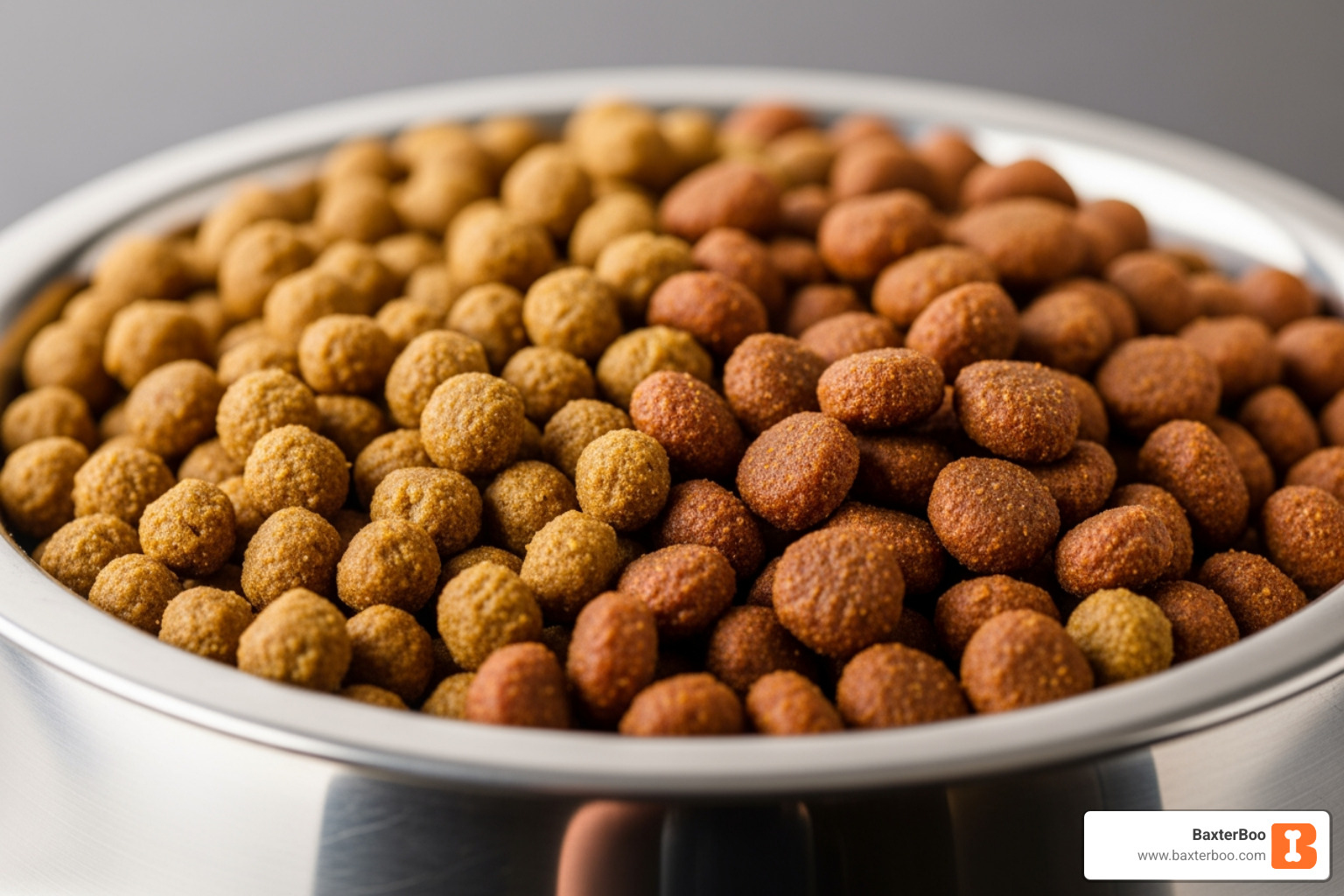
How to Transition Your Dog to a New Sensitive Skin Dog Food
A sudden food change can cause digestive upset, making it impossible to know if the new diet is working. We recommend a gradual transition over 7 to 10 days to allow your dog's digestive system to adjust.
- Days 1-3: Mix 25% new food with 75% old food.
- Days 4-6: Move to a 50-50 split of new and old food.
- Days 7-9: Increase to 75% new food and 25% old food.
- Day 10: Feed 100% new food.
Watch your dog closely during this period. If you see any digestive distress or increased scratching, slow the transition by spending a few more days at the current ratio. Always provide plenty of fresh water.
Signs the New Food is Working
Seeing your dog get relief is the best reward! Visible improvements take time, but many dogs show noticeable changes within 6 to 8 weeks. Be patient and look for these positive signs:
- Reduced scratching and licking. Your dog will seem more comfortable in their own skin.
- A shinier, softer coat. This is a sign the essential fatty acids are working.
- Less shedding. Healthier skin holds onto fur better.
- Firmer, more consistent stools. This indicates improved digestive health.
- Increased energy and a happier demeanor. When they feel better, their personality shines through.
Consistency is key. Stick with the new diet for at least 8 to 12 weeks to give your dog's body time to fully heal. If you don't see improvements after giving the food a fair trial, check back in with your veterinarian to discuss other options.
Frequently Asked Questions about Sensitive Skin Diets
Navigating sensitive skin dog food can bring up a lot of questions. Here are clear, expert-backed answers to the most common concerns we hear from pet parents.
Can I just add supplements like fish oil to my dog's current food?
While supplements like our Brilliant Salmon Oil Supplement for Dogs Cats can provide a concentrated boost of skin-healthy nutrients, they often can't solve the core problem. If your dog's current food contains an ingredient that's causing a reaction, adding a supplement is like treating a symptom without addressing the cause. A complete diet change to a specialized sensitive skin dog food removes potential allergens and provides balanced nutrition designed for sensitive systems. This comprehensive approach is usually far more effective. Always consult your vet before adding any supplements to your dog's regimen.
How do I know if my dog has a food allergy or an environmental one?
This requires teamwork with your veterinarian. They can rule out other medical conditions and help you investigate properly.
For suspected food allergies, the gold standard is an elimination diet trial. Your vet will guide you in feeding your dog a diet with a single novel protein and carbohydrate for 8-12 weeks. During this time, no other treats or scraps are allowed. If symptoms improve, you've likely found your answer. You can learn more about canine allergies from trusted resources like the AKC.
Environmental allergies often follow a seasonal pattern, while food allergies tend to cause year-round issues. However, since many dogs have both, a vet's diagnosis is essential for creating an effective treatment plan.
Are grain-free diets better for sensitive skin?
There's a common myth that grains are a primary cause of skin issues in dogs. In reality, protein sources like beef and chicken are far more common allergens than grains.
For a dog with a diagnosed grain sensitivity, a grain-free diet like Nutrisource Grain-Free High Plains Select Recipe Dry Dog Food is an excellent choice. However, for most dogs, healthy grains like oatmeal or brown rice provide valuable nutrients and are easily digestible. The key is to identify your dog's specific trigger, not to eliminate entire food groups unnecessarily.
Given some of the ongoing research into grain-free diets and canine heart health (DCM), it's always best to discuss this choice with your vet. A well-formulated, grain-inclusive sensitive skin dog food that avoids your dog's specific triggers is often a perfectly healthy and effective option.
Find the Perfect Food for Your Itchy Pet
Watching your dog suffer from constant itching or an upset stomach is heartbreaking. The good news is that the right sensitive skin dog food can be transformative. We've seen it countless times: dogs regain their shiny coats, their skin heals, and their playful energy returns.
Finding relief starts with understanding the cause and choosing a formula with the right ingredients—like novel proteins, limited ingredients, omega fatty acids, and probiotics. A slow transition to the new food is key, and patience is essential as you wait for improvements.
At BaxterBoo, we understand that every dog is unique. We've done the hard work for you by curating a selection of high-quality, vet-approved options designed for sensitive dogs. Whether your pup needs a limited ingredient diet, an omega-rich formula, or a probiotic-fortified food, we have an expertly selected option for you.
Your dog deserves to feel comfortable and happy. With the right food and a little patience, those days of discomfort can become a thing of the past. Browse our curated selection today and take the first step toward a healthier, happier pup.






