
 Save 15% on your 1st Autoship learn more

 Email us
 Live Chat
 FAQs
FAQs





Introduction
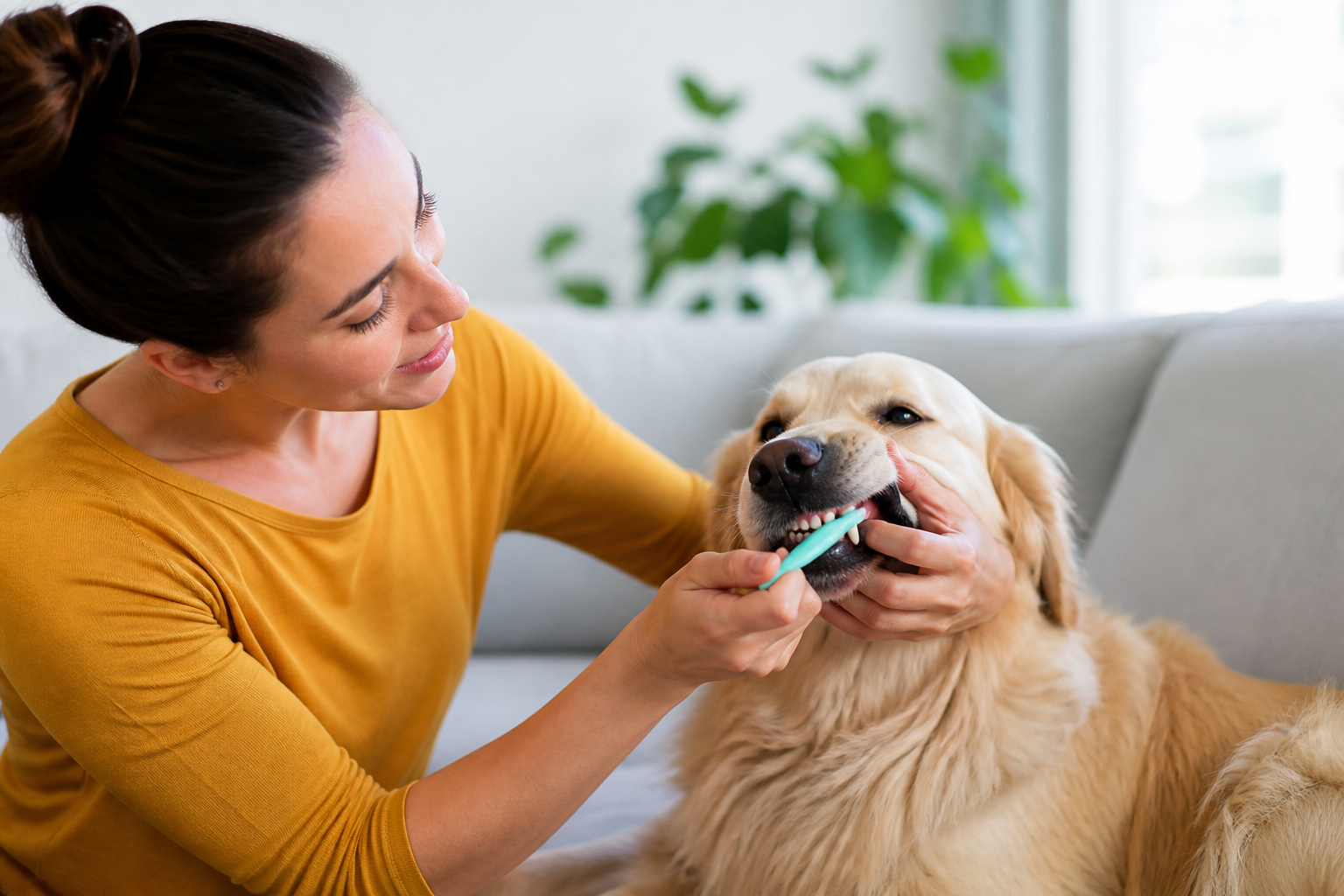
The moment you pull the doggie toothbrush out of the drawer, your dog disappears under the sofa. Many pet owners face this nightly struggle. While brushing is often called the gold standard for oral care, the reality is that many dogs simply will not tolerate it. If your dog reacts with stress or aggression to the brush, or if you find yourself out of pet-safe paste, you need reliable alternatives.
At BaxterBoo, we talk to owners every day who are looking for ways to support their pet's health without the drama of a dental wrestle. Maintaining oral hygiene is about more than just fresh breath. It is about preventing plaque from hardening into tartar and protecting your dog's vital organs from bacteria. This guide covers practical methods to clean your dog's teeth using powders, chews, and mechanical tools that do not require traditional toothpaste.
Why Some Dogs Struggle With Toothpaste
Most human toothpastes contain fluoride or xylitol. Both are toxic to dogs. Pet-specific pastes are safer but they often have strong artificial flavors or thick textures that dogs find off-putting. Some dogs have sensitive gums that make the bubbling or scrubbing sensation of paste uncomfortable.
If you skip the paste, you are not skipping the care. You are simply changing the delivery method. The goal is to disrupt the sticky film of plaque before it mineralizes into tartar. Tartar is the hard, brown substance that forms at the gumline. Once tartar sets, it usually requires a professional cleaning under anesthesia.
Quick Answer: You can clean a dog's teeth without toothpaste by using VOHC-approved dental powders, enzymatic water additives, or mechanical dental wipes. These methods focus on breaking down plaque chemically or physically without the need for flavored pastes or traditional brushing.
Method 1: Dental Powders and Seaweed Supplements
Dental powders are the easiest way to manage oral health for dogs who refuse any mouth handling. You do not have to touch your dog's teeth at all. You simply sprinkle the recommended dose onto their regular food.
The most effective powders use a specific type of seaweed called Ascophyllum nodosum. This is not just a nutritional supplement. When your dog eats it, the compounds are absorbed into the blood and then released back into the saliva. This process works systemically to soften existing tartar and prevent new plaque from sticking.
Brands like ProDen PlaqueOff carry the Veterinary Oral Health Council (VOHC) Seal of Acceptance. This means the product has undergone clinical trials to prove it actually reduces plaque. Because it works through the saliva, it reaches every corner of the mouth, including the back molars that are hardest to reach with a brush.
Key Takeaway: Systemic dental powders are the best choice for highly resistant dogs because they require zero mouth contact and work through the dog's own saliva.
Method 2: Dental Chews and Functional Treats
Mechanical abrasion is one of the most effective ways to scrub teeth. When a dog bites into a firm dental chew, the texture of the treat scrapes against the surface of the tooth. This action acts like a squeegee for plaque.
Not all treats are created equal. Some "dental" treats are too soft and crumble instantly. To be effective, a chew should have a specific density that allows the tooth to sink in before the treat breaks. This ensures the sides of the tooth are cleaned, not just the tips.
| Method | Effort Level | Primary Benefit |
|---|---|---|
| Dental Powder | Very Low | Systemic plaque prevention |
| Dental Chews | Low | Mechanical scrubbing and boredom relief |
| Water Additives | Very Low | Antibacterial support for gums |
| Dental Wipes | Medium | Targeted cleaning of the gumline |
We carry a variety of VOHC-accepted options at BaxterBoo, including brands like Greenies and ProDen PlaqueOff Dental Care Bones. These bones combine the mechanical scrubbing of a chew with the systemic power of seaweed. If your dog is on a calorie-restricted diet, remember to factor these treats into their daily intake.
Method 3: Water Additives for Passive Cleaning
Water additives are liquid solutions you mix into your dog's drinking bowl. They usually contain enzymes or antibacterial agents like chlorhexidine. As your dog drinks throughout the day, the solution coats the teeth and gums.
This method is helpful for reducing the bacterial load in the mouth. It is particularly good for freshening "dog breath" which is often caused by bacteria living on the tongue and along the gumline. While additives are not a complete solution on their own, they are an excellent secondary layer of protection.
Check the ingredient list before buying. Avoid additives with heavy dyes or artificial sweeteners. If your dog is a picky drinker, start with a very small amount to ensure they do not stop drinking their water.
Vet Tip: If your dog has persistent bad breath despite using additives, it may be a sign of underlying periodontal disease or an internal health issue. Always consult your veterinarian for a full oral exam if you notice red gums or bleeding.
Method 4: Dental Wipes and Finger Brushes
If your dog allows you to touch their face but hates the long handle of a toothbrush, dog dental wipes are a great middle ground. These are pre-moistened pads that you wrap around your index finger. You can feel exactly where you are cleaning, which reduces the risk of poking your dog's gums.
Wipes are effective because they allow for targeted mechanical friction. You can focus on the "smoker's spots" where tartar usually starts, like the large upper premolars. You do not need toothpaste with wipes because they are usually treated with enzymes that break down food particles on contact.
Step 1: Get your dog comfortable. Sit with them during a calm time and let them sniff the wipe. Step 2: Lift the lip. Use one hand to gently lift the side of the mouth. Step 3: Swipe the gumline. Move your finger in a circular motion along the base of the teeth. Step 4: Reward. Always follow up with praise or a small dental treat.
Method 5: Therapeutic Toys and Natural Abrasives
Some toys are designed specifically to clean teeth during play. Look for rubber or nylon toys with "nubs" or deep grooves. As your dog chews, these textures massage the gums and scrape the teeth.
Natural options like raw carrots or apple slices can also provide some mechanical cleaning. Carrots are firm and low in calories, making them a safe "toothbrush" for many dogs. However, avoid very hard items like cooked bones, antlers, or heavy nylon bones. These are often harder than the tooth enamel itself and can cause painful fractures.
Bottom line: Interactive dental toys are a great way to turn oral hygiene into a game, provided the material is soft enough to have some "give" when bitten.
Understanding the VOHC Seal of Acceptance
When shopping for dental products, you will see many claims like "whitens teeth" or "freshens breath." Many of these are marketing terms with no clinical backing. The VOHC (Veterinary Oral Health Council) is an independent organization that reviews data from controlled studies.
A product with the VOHC Seal has proven it can reduce plaque or tartar by at least 15 to 20 percent. At BaxterBoo, we recommend looking for this seal on dental bites, chews, and powders. It gives you peace of mind that the product is worth your investment. Using a VOHC-accepted product consistently is far better than using a toothbrush once a month.
For additional guidance, read our pet dental care tips.
When Home Care Isn't Enough
Home care is preventative. It is designed to keep a healthy mouth healthy. If your dog already has thick brown tartar buildup or loose teeth, no amount of powder or chewing will fix the problem.
Bacteria from infected gums can enter the bloodstream and damage the heart, kidneys, and liver. If you notice any of the following, it is time for a veterinary visit:
- Bleeding gums when chewing or playing
- Excessive drooling
- Dropping food while eating
- One-sided chewing
- Bumps or growths on the gums
Our pharmacy carries a range of FDA-approved medications and prescription dental diets through our partnership with Pet's Choice. If your vet prescribes a specific therapeutic food like Farmina Vet Life or Royal Canin Dental, we can help fulfill those needs. Prescription dental diets have a unique kibble structure that is clinically proven to reduce plaque through a specific fiber matrix.
Creating a Consistent Routine
Consistency is more important than the specific method you choose. Plaque begins to reform within hours of eating. If you only clean your dog's teeth once a week, you are leaving 48 hours for that plaque to turn into permanent tartar.
Try to stack your dog's dental care with an existing habit. Add the dental powder to their breakfast every morning. Give a dental chew every evening after their walk. This makes it part of the daily flow rather than a chore you forget.
If you are a member of our MVP Rewards program, you can earn points on these recurring dental purchases. Many owners also use our Autoship service for their favorite dental chews or seaweed powders. This ensures you never run out and provides a discount on every order.
Professional Cleanings and Your Vet
Even the best home routine cannot replace a professional assessment. Your vet can see what is happening under the gumline where 60 percent of dental disease hides. A professional cleaning involves scaling the teeth with ultrasonic tools and polishing the enamel to make it harder for plaque to stick in the future.
Ask your vet for a "dental score" during your next wellness exam. This helps you track how well your home routine is working. If the score stays low, you can keep doing what you are doing. If it starts to climb, you might need to layer another method, like adding a water additive to your powder routine.
Key Takeaway: A multi-modal approach is often best. Using a systemic powder daily plus a mechanical chew three times a week provides comprehensive protection.
For more ideas between cleanings, explore the best dental chews for dogs.
Conclusion
Cleaning your dog’s teeth without toothpaste is not just possible; it is often the most practical choice for many households. By focusing on VOHC-accepted powders, functional chews, and mechanical wipes, you can maintain your dog's oral health without the stress of a toothbrush. Remember that bad breath is not a normal part of being a dog. It is a sign of bacteria that needs your attention.
Keep your routine simple and consistent. Whether you use a daily seaweed supplement or a textured rubber toy, your effort today prevents painful and expensive dental issues tomorrow. For more guidance on specific brands or tools, explore our full collection of dental care products.
Bottom line: Consistency with any effective alternative method is better than an inconsistent brushing routine.
FAQ
Is human toothpaste safe if I only use a tiny bit?
No, you should never use human toothpaste for dogs. Many brands contain xylitol, an artificial sweetener that can cause life-threatening drops in blood sugar and liver failure in dogs. They also contain fluoride and foaming agents that can cause severe stomach upset since dogs cannot spit out the residue.
Can baking soda be used to clean dog teeth?
While baking soda is not toxic, it is generally not recommended. It has a very high sodium content which can be problematic for dogs with heart or kidney issues if swallowed. Most dogs also find the salty, alkaline taste unpleasant, which can make them more resistant to mouth handling in the future.
Does dry kibble really clean a dog's teeth?
Standard dry kibble provides very little dental benefit. Most kibble is small and brittle, meaning it shatters as soon as the tooth touches it. For a food to clean teeth, it must be a specific "dental diet" where the kibble is larger and designed to stay in contact with the tooth surface longer to scrape away plaque.
How often should I use dental wipes?
For the best results, you should use dental wipes daily. Plaque begins to mineralize into tartar within 24 to 48 hours. Using a wipe once a day ensures you are removing the soft plaque before it has a chance to harden into tartar that only a veterinarian can remove.






