
 Save 15% on your 1st Autoship learn more

 Email us
 Live Chat
 FAQs
FAQs





Introduction
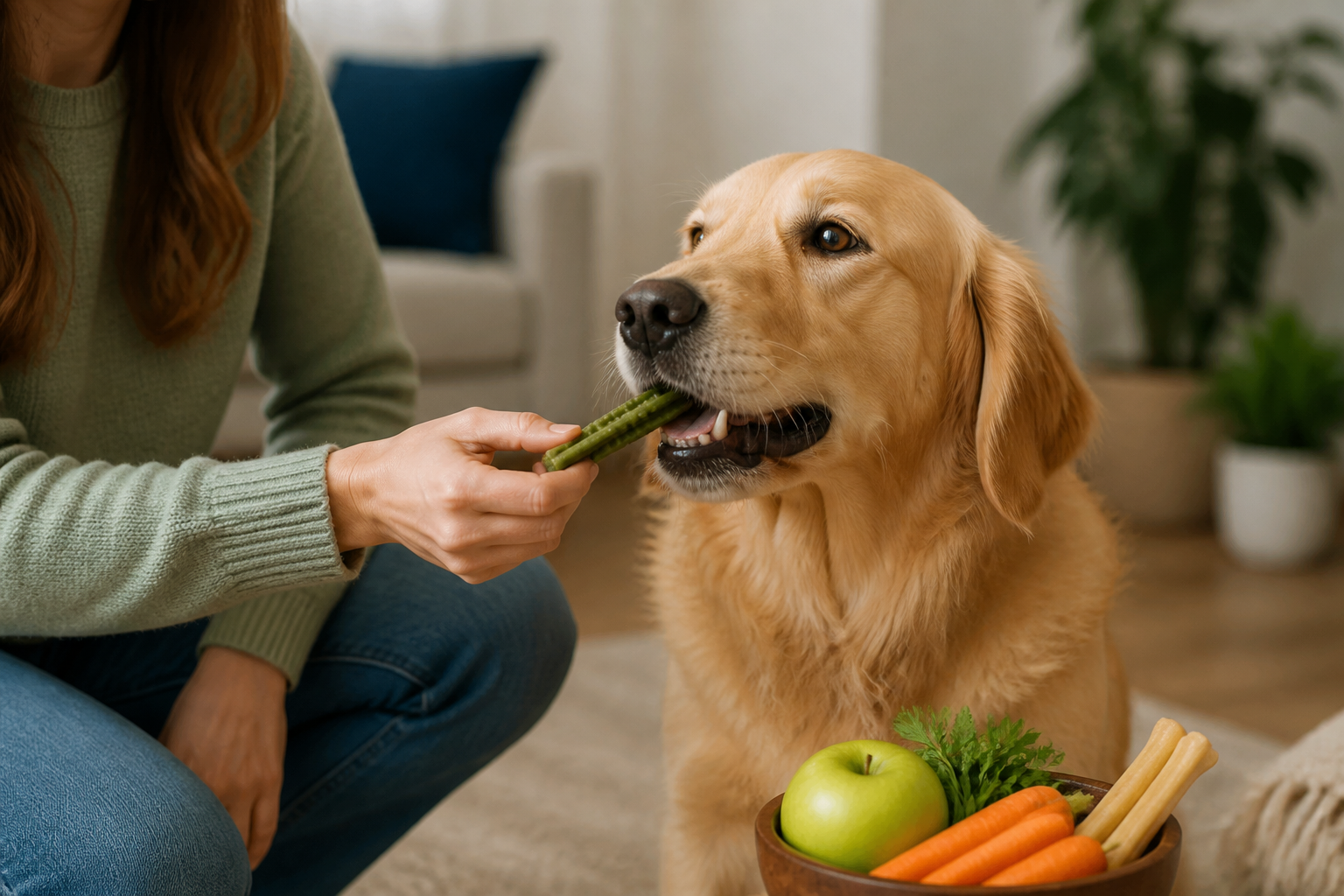
You lean in for a morning cuddle and a wet nose nudge. Instead of sweetness, you get a face full of "dog breath" that makes you recoil. It is a common moment for many dog owners. We want our pets to have healthy mouths, but the thought of wrestling them with a toothbrush every night feels like a chore. At BaxterBoo, we see this struggle every day in our Vernon Hills warehouse. Many dogs simply do not tolerate traditional brushing. Fortunately, you can support your dog's oral hygiene using natural methods that fit into your daily routine. This post covers the most effective ways to reduce plaque and tartar without the stress of a toothbrush. You will learn how to use diet, natural supplements, and safe chewing habits to keep those pearly whites shining.
Quick Answer: You can clean a dog's teeth naturally by using seaweed-based dental powders, providing mechanical abrasion through safe dental chews, and feeding raw vegetables like carrots. These methods work by disrupting plaque formation or physically scraping the tooth surface during play and mealtime.
Understanding Plaque vs Tartar
Before choosing a natural method, you must understand what you are fighting. Plaque is a soft, sticky film of bacteria that forms on the teeth within hours of eating. It is easy to remove with mechanical action or certain enzymes. If plaque stays on the teeth for more than 48 hours, it begins to mineralize. This hardened state is called tartar or calculus.
Tartar is much harder to deal with at home. It bonds to the enamel and often requires professional tools for removal. Natural cleaning methods are most effective against plaque. By preventing plaque from hardening, you stop the cycle of dental decay.
The Role of Bacteria
The mouth is home to a complex microbiome. Not all bacteria are bad. Some help break down food and protect the gums. Natural dental care often focuses on balancing this microbiome. When harmful bacteria take over, they produce acids that damage enamel and cause bad breath. A healthy mouth starts with a balance of beneficial microbes.
Key Takeaway: Consistency is more important than the specific method you choose. Daily plaque disruption is the only way to prevent permanent tartar buildup.
Method 1: Seaweed and Dental Powders
One of the most effective natural ways to clean teeth involves a specific type of seaweed. Ascophyllum nodosum is a brown kelp harvested from the North Atlantic. It contains natural compounds that enter the dog’s bloodstream through the digestive tract. These compounds then reach the saliva.
Once in the saliva, the seaweed extracts work to soften existing tartar and prevent new plaque from sticking. This is a systemic approach. It does not require your dog to chew on a specific surface or let you touch their mouth. You simply sprinkle the powder on their food once a day.
Why Seaweed Works
Seaweed changes the chemical composition of the saliva. It makes the environment less friendly to the bacteria that cause plaque. Over several weeks, you may notice that hard tartar starts to flake off or becomes soft enough to wipe away with a cloth.
We carry brands like ProDen PlaqueOff that use this specific seaweed. It is an excellent choice for senior dogs or pets who are very sensitive about their mouths. It is a passive way to improve health without any struggle.
Bottom line: Dental powders are the easiest natural option for dogs that refuse all forms of oral handling.
Method 2: Mechanical Abrasion with Safe Chews
Dogs have a natural urge to chew. In the wild, canines would clean their teeth by gnawing on the bones and hides of prey. You can mimic this action with safe, modern alternatives. This process is called mechanical abrasion. As the dog chews, the material rubs against the tooth surface and scrapes away soft plaque.
Choosing the Right Texture
Not all chews are equal. A chew that is too soft will not provide enough friction. A chew that is too hard can actually fracture a tooth. You want something with a bit of "give" that allows the teeth to sink in. This ensures the material cleans right up to the gum line.
- Rubber Toys: Many toys from brands like Kong feature ridges or nubs specifically designed to massage gums and scrape teeth.
- Cotton Ropes: The fibers of a natural cotton rope act like dental floss as the dog bites down.
- Dental Treats: Specially formulated treats like Greenies or Whimzees are designed to be chewy and abrasive.
For more ideas, browse our dog dental food and treats category.
The VOHC Seal
When looking for dental products, look for the Veterinary Oral Health Council (VOHC) seal. This seal is only awarded to products that have proven they can reduce plaque or tartar in clinical trials. It is a helpful way to cut through marketing fluff and find products that actually work.
Vet Tip: Always supervise your dog when they are enjoying a chew or a bone. If they try to swallow large chunks, it can lead to choking or intestinal blockages.
For additional guidance on choosing dental chews, read our guide to the best dental chews for dogs.
Method 3: Nature's Toothbrushes (Vegetables)
If you are looking for a low calorie, natural way to clean teeth, look no further than your refrigerator. Certain vegetables provide excellent mechanical cleaning while offering vitamins and minerals.
Raw Carrots
Raw carrots are a fan favorite for a reason. They are crunchy and firm. When a dog crunches through a large carrot, the hard vegetable fiber acts as a natural scrubber. Carrots are also high in vitamin A, which supports overall health. For an extra challenge, you can freeze large carrots before giving them to your dog.
Sliced Apples
Apples are another great crunchy option. They contain malic acid, which can help stimulate saliva production. Saliva is the body's natural way of rinsing the mouth. Make sure to remove all seeds and the core, as apple seeds contain small amounts of cyanide.
Celery
Celery is often called "nature's dental floss." The long, stringy fibers are excellent at getting between teeth. Most dogs enjoy the crunch, and it is a very low calorie treat for dogs watching their weight.
Key Takeaway: Vegetables are a great supplement to dental health, but they should not be the only method you use for heavy plaque control.
Method 4: The Power of Oral Probiotics
We often think of probiotics for gut health, but they are just as important for the mouth. Oral probiotics introduce beneficial bacteria to the oral cavity. These "good" bacteria compete with the "bad" bacteria for space and nutrients.
How to Use Oral Probiotics
Some probiotics come in a powder that you can rub directly onto the gums. Others are added to water or food. By increasing the population of healthy microbes, you can naturally reduce the foul odors associated with bad breath. This is a proactive way to build a healthy environment from the inside out.
The Link to the Gut
A healthy mouth often reflects a healthy gut. Feeding a high quality diet with minimal fillers can reduce the amount of sugar in the mouth. Sugar is the primary fuel for plaque-causing bacteria. Brands like Stella and Chewy's or The Honest Kitchen offer minimally processed options that support a healthier microbiome.
Step-by-Step: Transitioning to a Natural Dental Routine
Starting a new routine can be overwhelming for your dog. Use these steps to introduce natural cleaning methods without causing stress.
Step 1: Start with a supplement. / Add a seaweed-based powder or an oral probiotic to your dog's morning meal. This requires no change in behavior from your pet.
Step 2: Introduce a "dental hour." / Give your dog a safe dental chew or a raw carrot at the same time every day. This creates a positive association with dental care.
Step 3: Monitor and adjust. / Check your dog's teeth once a week. Look for any reduction in redness around the gums or a decrease in bad breath.
Step 4: Rotate your methods. / Switch between different textures like rubber toys, cotton ropes, and vegetables. This ensures different areas of the mouth get cleaned.
Safe vs. Dangerous Chews
When people look for "natural" ways to clean teeth, they often turn to items found in nature. However, some of these can be dangerous. It is important to know the difference between a helpful tool and a health risk.
The Problem with Cooked Bones
Never give your dog cooked bones from your dinner table. Cooking makes bones brittle. They can splinter into sharp shards that pierce the throat or the digestive tract. This is a medical emergency that requires immediate surgery.
Hard Antlers and Hooves
Many people use deer antlers or cow hooves because they last a long time. The problem is that these materials are often harder than the dog's tooth enamel. We see many "slab fractures" in our pharmacy customers where a dog has bitten down too hard and sheared off a piece of a molar.
Safe Raw Bones
If you choose to use bones, stick to raw, meaty bones. These are softer and more pliable. They provide enzymes that help break down plaque. However, raw bones carry a risk of bacterial contamination. If you choose this route, you must be diligent about cleaning the area afterward.
Vet Tip: If your dog has existing dental disease or loose teeth, avoid hard chews entirely. Consult your veterinarian before starting a new chewing routine to ensure their jaw and teeth are strong enough for the activity.
When Natural Methods Aren't Enough
While natural methods are wonderful for maintenance, they are not a cure for advanced dental disease. If your dog has heavy brown tartar, bleeding gums, or loose teeth, they need professional help. Natural methods cannot "fix" a tooth that is already rotting or an infection that has reached the jawbone.
The Importance of the Vet Check
At BaxterBoo, we recommend a professional dental exam at least once a year. Your vet can see things you might miss, such as a cracked tooth or a small growth under the tongue. If your dog needs a professional cleaning, it is often done under anesthesia to ensure every surface of the tooth is reached.
For a broader overview of warning signs, read how to recognize dental trouble in dogs.
Pharmacy and Prescription Care
If your dog develops a mouth infection, your vet may prescribe antibiotics or specialized rinses. Through our partnership with Pet's Choice, we offer a full pharmacy that carries FDA-approved medications for these conditions. We also stock prescription dental diets like Royal Canin Dental or Farmina Vet Life options that are designed to clean teeth as the dog eats.
Bottom line: Natural care is a preventative tool, but medical intervention is necessary for active infections or structural damage.
Signs of Dental Trouble to Watch For
Even with a great natural routine, you should keep an eye out for signs of trouble. Dogs are experts at hiding pain. They will often continue to eat even if they have a painful abscess or a broken tooth.
- One-Sided Chewing: If your dog only uses one side of their mouth, they likely have pain on the other side.
- Dropping Food: Seeing "messy" eating in a dog that was usually neat can indicate a sore mouth.
- Pawing at the Face: This is a clear sign of discomfort.
- Changes in Gum Color: Healthy gums should be a light pink. If they are bright red or purple, it indicates inflammation.
- Excessive Drooling: A sudden increase in saliva can be a response to oral pain or a foreign object stuck in the teeth.
The Role of Water Additives
Water additives are a popular natural supplement for busy owners. These are clear, tasteless liquids that you add to your dog's water bowl. They often contain enzymes that break down the biofilm on the teeth.
While they are not as effective as mechanical scrubbing, they are a great "layer" in a multi-step routine. They work throughout the day every time your dog takes a drink. Look for additives that use natural ingredients like green tea extract or baking soda.
You can explore our breath fresheners and teeth-cleaning products for water additives and other oral-care options.
Diet and Dental Health
The debate between wet food and dry food for dental health is ongoing. Many people believe that dry kibble cleans teeth because it is crunchy. However, most kibble is so small and brittle that it shatters on impact. It provides very little cleaning at the gum line where it is needed most.
The Fresh Food Advantage
Many owners find that moving to a fresh or raw diet improves their dog's breath. These diets are typically lower in starches and sugars. This changes the environment of the mouth and reduces the "sticky" residue that plaque loves to cling to. If you are not ready to go fully raw, even adding some fresh toppers to high quality kibble can make a difference.
Proper Nutrition
General health supports oral health. Nutrients like Vitamin C and Zinc are vital for maintaining healthy gum tissue. Ensuring your dog's diet is balanced will give their body the tools it needs to fight off oral infections naturally.
Creating a Sustainable Routine
The best natural dental routine is the one you will actually stick to. You do not need to do everything on this list. Pick two or three methods that work for your lifestyle.
- Daily: Add a seaweed-based powder to their breakfast.
- Twice a week: Provide a large raw carrot or a VOHC-approved dental chew.
- Ongoing: Use a water additive in their main bowl.
This simple three-step approach covers systemic health, mechanical cleaning, and ongoing rinsing. It takes less than two minutes of your time each day but can save you thousands of dollars in vet bills over your dog's lifetime.
Conclusion
Cleaning your dog's teeth naturally is about more than just a bright smile. It is about protecting their heart, kidneys, and overall well-being. By using seaweed powders, safe chews, and crunchy vegetables, you can significantly reduce the risk of dental disease. We are proud to support your journey with a curated selection of over 500 brands that prioritize your pet's health. Whether you choose a supplement or a specialized toy, consistency is your best friend.
- Use seaweed-based powders for passive cleaning.
- Provide safe mechanical abrasion with toys and chews.
- Incorporate raw vegetables for low-calorie scrubbing.
- Monitor gum health and seek veterinary care when needed.
If your dog's dental needs require more than just natural maintenance, visit our dog dental care collection. Through our partnership with Pet's Choice, we can help you manage your pet's prescription diets and medications with ease.
FAQ
Can I use human toothpaste for my dog?
No, you should never use human toothpaste for dogs because it often contains xylitol or high levels of fluoride. Xylitol is extremely toxic to dogs and can cause life-threatening low blood sugar or liver failure. Additionally, dogs cannot spit out the paste, and swallowing human toothpaste can cause severe stomach upset.
Do carrots actually clean dog teeth?
Carrots provide a mild mechanical cleaning effect because of their firm, fibrous texture. As your dog crunches on the carrot, the fibers scrape against the surface of the teeth to help remove soft plaque. While they are a healthy and low-calorie supplement, they should be used alongside other methods like dental powders for a complete routine.
How often should I give my dog dental chews?
Most manufacturers and veterinarians recommend giving one dental chew per day for maximum effectiveness. This provides a consistent daily "scrubbing" to prevent plaque from hardening into tartar. Always check the packaging for specific caloric information to ensure the chews fit into your dog's daily diet.
How can I tell if my dog has dental pain?
Common signs of dental pain include bad breath, reluctance to eat hard kibble, and pawing at the mouth. You might also notice your dog dropping food while eating or becoming unusually aggressive when you touch their face. If you see bleeding gums or a sudden change in eating habits, you should schedule a veterinary exam immediately.






