
 Save 15% on your 1st Autoship learn more

 Email us
 Live Chat
 FAQs
FAQs





Introduction
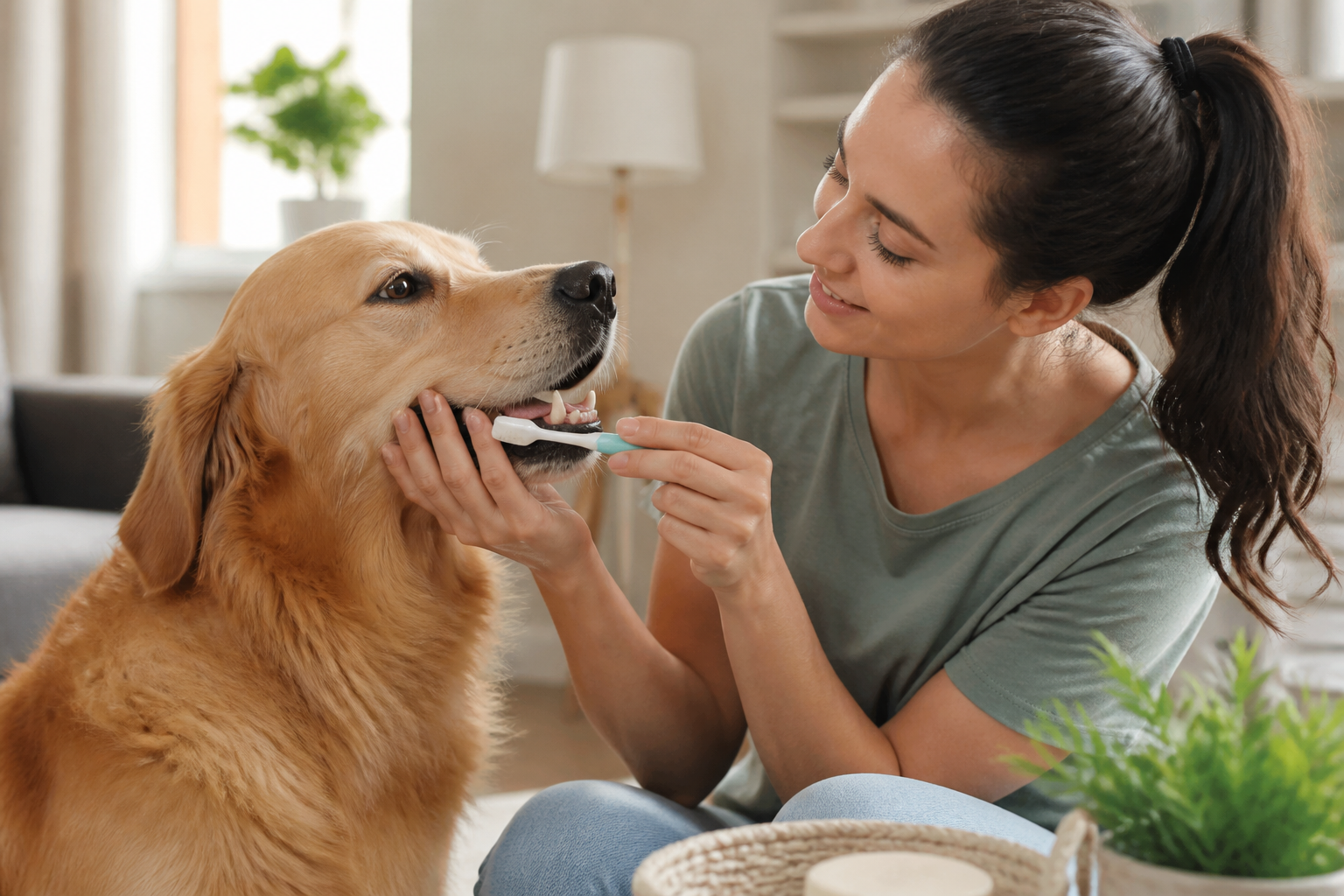
You might notice it while your dog is panting after a game of fetch or giving you a celebratory lick. That distinct, metallic odor and the visible yellow-brown crust along the gumline are more than just cosmetic issues. This buildup is tartar, and if it stays there, it can lead to serious health problems for your pet. At BaxterBoo, we have helped pet owners manage their dogs' wellness since 2006, and we know that dental care is one of the most vital yet overlooked parts of daily grooming. This guide will walk you through the practical steps of managing oral hygiene, the difference between plaque and tartar, and what you can safely do at home. We will also explain when it is time to put down the toothbrush and call your veterinarian for professional help.
Quick Answer: You can remove soft plaque at home through regular brushing and dental chews, but hardened tartar typically requires professional veterinary scaling. Home care focuses on preventing new buildup and managing gum health through dog-specific pastes, gels, and mechanical cleaning.
Understanding the Difference Between Plaque and Tartar
Many pet owners use the terms plaque and tartar interchangeably, but they are very different substances. Plaque is a sticky, colorless film of bacteria and food particles that forms on the teeth within hours of eating. Because it is soft, you can easily remove it with a toothbrush or even a dental wipe. If you catch it at this stage, you prevent the more difficult problems from starting.
Tartar, also known as dental calculus, is what happens when plaque is left alone. Minerals in your dog's saliva react with the plaque, causing it to harden into a cement-like substance. This process can happen in as little as 48 to 72 hours. Once plaque mineralizes into tartar, it bonds strongly to the tooth enamel. It provides a rough surface where even more bacteria can thrive, eventually working its way under the gumline where it causes inflammation and infection.
Key Takeaway: Plaque is a soft bacterial film that you can brush away, while tartar is a hard mineral deposit that usually requires professional tools to remove safely.
Why You Cannot Simply Scrape Tartar at Home
It is a common question from concerned owners: can I just buy a dental scaler and scrape the tartar off myself? The short answer is no. While you can find dental tools online, using them on a conscious dog is dangerous for several reasons. First, your dog is unlikely to sit perfectly still. One small flinch could result in a serious puncture wound to the gums or tongue.
Second, scraping the surface of the tooth creates microscopic scratches in the enamel. These tiny grooves actually make it easier for bacteria and plaque to latch onto the tooth in the future. Professionals polish the teeth after scaling to smooth out these surfaces, a step you cannot perform at home. Finally, the most damaging tartar is the stuff you cannot see. It hides deep under the gumline, and attempting to reach it without anesthesia is painful for the dog and incomplete for the treatment.
The Foundations of At-Home Dental Care
Effective home care is about consistency and the right tools. You want to create a routine that prevents plaque from sitting long enough to turn into tartar. For brushing supplies, explore our dog dental care category.
Choosing the Right Toothbrush
Not all brushes are created equal. For a large dog, a long-handled brush with angled heads helps you reach the back molars where tartar tends to build up most. For smaller dogs or those who are nervous about long objects in their mouth, a finger brush is often a better starting point. These silicone or fabric caps fit over your pointer finger, giving you better control and a more natural feel for the dog.
The Importance of Dog-Specific Toothpaste
You must never use human toothpaste on a dog. Human formulas often contain xylitol, which is a sweetener that is highly toxic to dogs. They also contain foaming agents that are meant to be spit out, not swallowed. Dog toothpaste comes in flavors like poultry, beef, or peanut butter to make the experience a treat rather than a chore. These pastes often contain enzymes that help break down food particles even after you stop brushing. One option is Petsmile Professional Toothpaste for Dogs and Cats.
A Step-By-Step Brushing Routine
Step 1: Introduce the paste. Let your dog lick a small amount of toothpaste off your finger so they associate the flavor with a positive reward.
Step 2: Touch the teeth. Gently lift your dog's lip and rub your finger along their gums and teeth without a brush to get them used to the sensation.
Step 3: Introduce the brush. Add a small amount of paste to the brush and let them lick it while you gently move the bristles against their front teeth.
Step 4: Focus on the outside. Most tartar accumulates on the cheek side of the teeth. Brush in small circles, focusing on the area where the tooth meets the gum.
Step 5: Reward and praise. Always follow a brushing session with a high-value treat or a favorite game to build a positive association.
Dental Chews and Their Role in Cleaning
Dental chews are a popular way to supplement brushing. They work through mechanical abrasion, meaning the physical act of chewing scrapes plaque away from the tooth surface. Brands like Greenies or specialized chews from companies like RedBarn are designed with specific textures and shapes to maximize this scrubbing action. You can compare options in our dog dental treats collection.
When a dog chews, they also produce more saliva. Saliva contains natural enzymes and proteins that help neutralize the acids produced by oral bacteria. However, a chew is only effective if the dog actually chews it. If your dog swallows a dental treat in two bites, it has no time to clean the teeth. Always choose a size appropriate for your dog's weight and supervise them to ensure they are actually gnawing on the product.
For a specific option, Greenies Dental Dog Chew - Fresh is available for dogs in multiple size ranges.
Vet Tip: Check for the Veterinary Oral Health Council (VOHC) seal on dental treats and foods. This seal indicates that the product has been scientifically tested and proven to reduce plaque or tartar by a certain percentage.
For additional ideas, read our guide to the best dental chews for dogs.
Using Dental Gels and Sprays
For dogs that absolutely will not tolerate brushing, dental gels and sprays can be a helpful alternative. These products are usually formulated with enzymes or antimicrobial agents like chlorhexidine. You apply the gel directly to the gumline or spray it into the mouth. The dog’s tongue then spreads the formula across the teeth as they lick. Browse our dog dental and breath care selection for gels, sprays, toothpaste, and water additives.
While these are not as effective as the physical scrubbing of a brush, they help lower the bacterial load in the mouth. This can slow down the rate at which plaque mineralizes into tartar. Many of these products also help neutralize the sulfur compounds that cause bad breath, making your dog's kisses much more tolerable.
Natural Remedies and Dietary Aids
Some pet owners prefer to look at dietary ways to manage oral health. Raw vegetables like carrots or apple slices (without seeds) can act as mild abrasives. They are crunchy and require significant chewing, which helps clean the surface of the teeth.
Coconut oil is another common home remedy. It contains lauric acid, which has natural antimicrobial properties. Some owners rub a bit of coconut oil onto their dog’s teeth and gums using a soft cloth. While it won't remove hard tartar, it may help soothe irritated gums and reduce the population of harmful bacteria.
Water additives are also an option. These are tasteless liquids you add to your dog's water bowl. They often contain ingredients like baking soda or fruit extracts that help prevent plaque from sticking to the enamel. This is a very "hands-off" approach that works well for multi-dog households.
The Connection Between Diet and Tartar
What your dog eats plays a role in how fast tartar forms. Contrary to popular belief, simply feeding dry kibble is not a substitute for brushing. While some specialized dental diets use extra-large, fibrous kibble that doesn't shatter immediately, standard small kibble often breaks apart before it can provide any cleaning benefit.
High-carbohydrate diets can contribute to faster plaque formation because bacteria thrive on sugars. If your dog is prone to heavy tartar buildup, your veterinarian might recommend a prescription dental diet. These foods are specifically engineered to scrub the teeth and often contain minerals that bind to calcium in the saliva, preventing it from hardening into tartar.
Signs Your Dog Has Advanced Dental Disease
It is important to recognize when home care is no longer enough. If your dog has significant tartar buildup, they likely have some degree of periodontal disease. Look for these warning signs:
- Persistent foul breath that does not improve after brushing
- Red, swollen, or bleeding gums (gingivitis)
- Difficulty picking up food or dropping kibble while eating
- Pawing at the mouth or rubbing their face against furniture
- Yellow or brown crust covering more than half of the tooth
- Loose or missing teeth
- Excessive drooling, sometimes with tinges of blood
If you notice these symptoms, a simple toothbrush will not solve the problem. In fact, brushing a dog with inflamed or bleeding gums can be quite painful for them. At this stage, a professional evaluation is the only safe way to proceed. For more information, see our article on warning signs of dental disease in dogs.
The Value of Professional Veterinary Cleaning
When tartar becomes heavy, your dog needs a professional dental cleaning. This is a medical procedure performed under general anesthesia. We understand that anesthesia can be a concern for pet owners, but it is necessary for a thorough and safe cleaning. It allows the veterinarian to scale both the visible parts of the teeth and the hidden areas under the gumline without causing the dog pain or stress.
During a professional cleaning, the vet will use an ultrasonic scaler to vibrate the tartar off the teeth. They will also perform a full oral exam, checking for oral tumors, fractured teeth, or deep pockets in the gums. Often, dental X-rays are taken to see what is happening beneath the surface. Many dental problems, such as root abscesses or bone loss, are invisible to the naked eye.
Our Pharmacy and Ongoing Dental Support
Managing chronic dental issues or recovering from a major dental surgery often requires medication. Our pet pharmacy provides access to medications that your vet may prescribe. This includes antibiotics to treat oral infections, pain relief for post-procedure recovery, and prescription dental diets like Farmina Vet Life that are formulated for long-term oral health management.
If your veterinarian determines that your dog needs a specific therapeutic diet or a course of medication to manage gum disease, you can easily fulfill those needs through us. We carry over 500 trusted brands to ensure you have the tools to keep your dog's mouth healthy for years to come.
Key Takeaway: Home care is for prevention and maintenance, but professional veterinary intervention is required to treat existing periodontal disease and remove hardened tartar safely.
Establishing a Long-Term Dental Plan
A healthy mouth is a team effort between you and your veterinarian. To keep tartar at bay, aim for the following schedule:
- Daily: Brush your dog's teeth or apply a dental gel.
- Daily: Give one VOHC-approved dental chew or treat.
- Weekly: Check your dog's mouth for any new redness, swelling, or bad odors.
- Annually: Schedule a wellness exam where your vet can specifically grade your dog's dental health.
- As Needed: Schedule professional cleanings based on your vet's recommendation.
Some dogs, especially small breeds like Chihuahuas or Yorkies, may need professional cleanings every six to twelve months due to their crowded mouth anatomy. Larger breeds might go longer between cleanings if their home care routine is solid.
Checklist for Starting a Dental Routine
- Purchase a dog-specific toothbrush or finger brush.
- Choose a flavored dog toothpaste (poultry or beef is usually a hit).
- Select a VOHC-approved dental chew for daily use.
- Sign up for our Autoship programme on your favorite dental supplies to ensure you never run out and to save on every order.
- Set a daily reminder on your phone for "Tooth Time" to keep the habit consistent.
Bottom line: While you cannot safely remove hardened tartar at home, a consistent routine of brushing and dental treats can prevent new buildup and keep your dog's gums healthy.
FAQ
Can I use baking soda to clean my dog's teeth?
While baking soda is a mild abrasive that can help clean teeth, it has a very salty taste that most dogs dislike. It also contains high levels of sodium, which may not be appropriate for dogs with certain health conditions like heart or kidney disease. It is generally safer and more effective to use a flavored toothpaste specifically formulated for dogs.
How often should I brush my dog's teeth to prevent tartar?
Ideally, you should brush your dog's teeth every day. Plaque can begin to harden into tartar within 48 hours, so brushing daily ensures you are removing the soft film before it mineralizes. If daily brushing is not possible, aim for at least three times a week to significantly reduce the risk of dental disease.
Are dental wipes as effective as brushing?
Dental wipes are a great alternative for dogs that won't tolerate a brush, but they are not quite as effective. Brushing provides mechanical action that reaches into the tiny grooves of the teeth and slightly under the gumline. Wipes are better at cleaning the flat surfaces of the teeth and are a good supplemental tool or a "better than nothing" option for difficult pets.
Why does my dog's breath still smell bad after brushing?
If your dog's breath remains foul despite regular brushing, they likely have tartar buildup or infection under the gumline that you cannot see. It could also indicate an underlying health issue, such as digestive problems or kidney disease. You should consult your veterinarian for a full physical exam to rule out these more serious conditions.






