
 Save 15% on your 1st Autoship learn more

 Email us
 Live Chat
 FAQs
FAQs





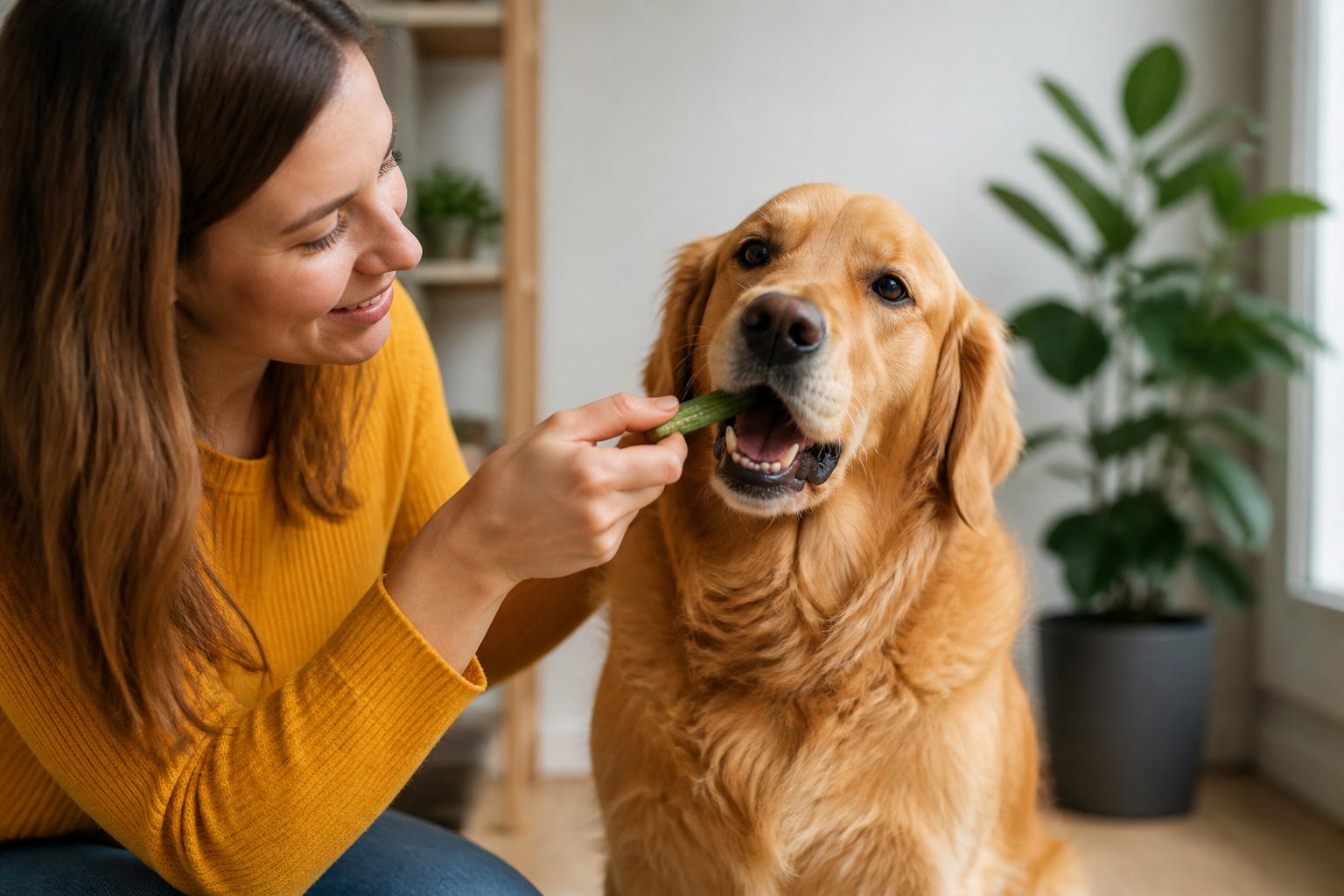
Introduction
You finally have five minutes of quiet time to bond with your dog, so you lean in for a happy nuzzle. Instead of a sweet moment, you are met with a wall of scent that smells like a forgotten gym bag. You know you should probably brush those teeth, but the last time you tried, your dog treated the toothbrush like a personal enemy. Many owners find themselves in this exact position. You want your dog to be healthy, but the daily wrestling match over a toothbrush just is not working for your lifestyle or your pet's personality.
At BaxterBoo, we talk to pet owners every day who are looking for ways to support oral health without the stress of traditional brushing. It is a common challenge, and the good news is that dental care has come a long way since the days of just "giving them a bone." This article will cover the most effective no-brush methods, from clinically studied powders to specialized toys and prescription diets. We want to help you build a routine that actually happens every day. Consistency is the secret to a healthy mouth.
Quick Answer: You can effectively clean a dog's teeth without brushing by using VOHC-approved dental powders, water additives, and mechanical dental chews. These methods work by either chemically disrupting plaque formation or physically scraping the tooth surface during normal eating and play.
The Reality of Canine Dental Health
Oral health is about much more than just fresh breath. When food particles and bacteria sit on the teeth, they form a sticky film called plaque. If that plaque is not disrupted within 24 to 48 hours, it minerals and hardens into tartar. This hard, yellowish-brown substance is like concrete on the teeth. Once tartar forms, no amount of home cleaning or special treats can remove it. Only a professional cleaning under anesthesia by a veterinarian can get the teeth back to a clean state.
Left unchecked, bacteria from the mouth can enter the bloodstream. This puts a constant strain on the heart, liver, and kidneys. This is why we focus so much on preventative care. Small daily habits can prevent serious systemic health issues down the road.
Key Takeaway: Plaque turns into tartar in as little as two days. Daily intervention is necessary to prevent permanent buildup that requires veterinary surgery to remove.
Dental Powders: The Hands-Off Approach
If your dog is highly resistant to having their mouth touched, dental powders are often the best starting point. These products are designed to be sprinkled directly onto your dog's food once a day. The most famous and well-researched ingredient in this category is a specific type of seaweed called Ascophyllum nodosum.
This seaweed works systemically. Once your dog ingests it, the components are absorbed into the blood and then released back into the saliva. This change in saliva composition helps soften existing tartar and prevents new plaque from sticking to the teeth. One of the most trusted brands we carry is ProDen PlaqueOff. It holds the Veterinary Oral Health Council (VOHC) Seal of Acceptance, which means it has been clinically proven to work in controlled studies.
Benefits of Using Dental Powders
- Requires zero mouth handling or restraint.
- Takes seconds to administer during mealtime.
- Works on every tooth in the mouth, not just the ones the dog chooses to chew with.
- Highly palatable for most dogs.
When using a powder, it is important to be patient. You usually will not see a difference in breath or tartar levels for three to eight weeks. It takes time for the systemic change to affect the biofilm in the mouth.
Dental Chews and the Power of Mechanical Abrasion
Dental chews are the most popular alternative to brushing for a reason. Most dogs view them as a high-value treat rather than a health requirement. These chews work through mechanical abrasion. As the dog bites down, the texture of the chew scrapes against the surface of the tooth, rubbing away soft plaque before it can harden.
Brands like Greenies and various dental bones are designed with specific ridges and shapes to reach the gumline. However, not all chews are created equal. When you are browsing our dog dental treats, look for the VOHC seal on the packaging. This seal is the gold standard in the pet industry. It ensures the product has met specific requirements for plaque and tartar reduction.
Choosing the Right Size Chew
Size is the most critical factor when selecting a dental chew. If the chew is too small, your dog might gulp it down in one or two bites, providing zero cleaning benefit. If it is too large, it can add too many calories to their daily diet.
- Check the weight range on the package.
- Observe your dog while they eat the first few chews.
- Ensure they are actually "working" at the chew for at least a minute.
- Adjust their evening meal if you are giving a calorie-dense dental treat.
Vet Tip: Always supervise your dog with a new chew. If your dog is a "gulper" who tries to swallow large pieces whole, dental chews may pose a choking hazard or cause an intestinal blockage.
Water Additives and Dental Rinses
Water additives are often called "mouthwash for dogs." They are tasteless, odorless liquids that you add to your dog's water bowl every time you refill it. These products typically contain enzymes or antibacterial agents like zinc gluconate or chlorhexidine.
The goal of a water additive is to keep a constant, low-level supply of plaque-fighting ingredients in the mouth throughout the day. Every time your dog takes a drink, they are rinsing their gums. An option such as OxyFresh Pet Dental Water Additive can be an excellent supplemental method, especially for dogs who are already prone to bad breath.
While water additives are incredibly easy to use, we recommend using them as part of a multi-layered approach. They are generally not powerful enough to be the only form of dental care, but they work beautifully alongside dental powders or chews.
Prescription Dental Diets
Sometimes, the best way to clean a dog's teeth is to change what they eat for every meal. Standard kibble is often small and brittle. It tends to shatter the moment a dog's tooth hits it, providing almost no cleaning action. Prescription dental diets are different.
The kibble in these diets is much larger and has a specialized fiber matrix. Instead of shattering, the tooth sinks into the kibble, and the fibers "scrub" the tooth surface as the dog chews. These diets also frequently contain minerals that bind calcium in the saliva, preventing it from turning plaque into hard tartar.
Through our pharmacy, BaxterBoo offers access to FDA-approved prescription dental diets. Brands like Royal Canin and Farmina Vet Life have specific formulas designed for oral health. Since these are therapeutic diets, you will need a prescription from your veterinarian to order them.
Why Consider a Prescription Diet?
- It provides dental care with every single bite of food.
- It is nutritionally complete, so it replaces their standard meal.
- It is ideal for breeds prone to dental disease, such as Poodles, Yorkies, and Greyhounds.
- It combines mechanical cleaning with chemical plaque prevention.
Key Takeaway: For dogs with a history of rapid tartar buildup, a prescription dental diet from our pharmacy can be a highly effective way to manage oral health without extra steps.
Dental Toys and Enrichment
Playtime can also be a time for cleaning. Certain toys are specifically engineered to massage the gums and scrape the teeth. Kong is a brand famous for its durable rubber, but they also offer dental-specific designs with ridges and grooves.
You can enhance the cleaning power of these toys by "stuffing" them. Smearing a small amount of dog-safe dental gel or even a bit of peanut butter into the grooves encourages the dog to lick and chew intensely. This prolonged contact between the toy's texture and the teeth helps disrupt the biofilm that leads to plaque.
Safe Toy Materials for Teeth
- Natural rubber with a bit of "give."
- Cotton rope (if supervised, as strings can be swallowed).
- Textured nylon (for aggressive chewers).
Avoid toys that are too hard, such as real animal bones, antlers, or heavy nylon. A good rule of thumb is the "knee test." If you would not want to be hit in the knee with the toy, it is probably too hard for your dog's teeth. Hard objects often lead to slab fractures on the large chewing teeth, which can be very painful and expensive to fix.
Dental Wipes and Finger Brushes
If your dog allows you to touch their mouth but hates the long handle and bristles of a toothbrush, dental wipes are a great middle ground. These are pre-moistened pads that you wrap around your index finger. You simply rub the pad along the outside of the teeth and the gumline.
This method is often much less intimidating for dogs. It feels more like a natural petting motion than a medical procedure. Wipes are particularly good at removing the soft "slime" that accumulates on the teeth after a meal. Even if you only manage to wipe the top back molars, you are still making a significant dent in the daily plaque load. HICC PET Dental Finger Wipes are designed for this type of brush-free routine.
Bottom line: If you can handle your dog's mouth, dental wipes are the most effective non-brushing method for manually removing plaque.
Signs Your Dog Needs a Professional Cleaning
Even with the best at-home routine, most dogs will eventually need a professional cleaning. Genetics, age, and saliva chemistry all play a role in how fast tartar builds up. It is important to know the signs of advanced dental disease so you can seek veterinary help before your pet is in pain.
Watch for these warning signs:
- Persistent Bad Breath: A "doggy" smell is normal, but a sharp, putrid, or rotting smell indicates infection.
- Red or Bleeding Gums: Healthy gums should be a pale pink. Bright red or bleeding edges at the tooth line are signs of gingivitis.
- Difficulty Eating: If your dog drops food, chews on only one side, or suddenly refuses hard kibble, they may have a painful tooth.
- Excessive Drooling: Sudden drooling or pawing at the mouth can indicate an abscess or a loose tooth.
- Visible Tartar: If you see thick, brown "stones" on the teeth, home care will no longer be enough.
Vet Tip: Annual dental exams are a vital part of your dog's wellness plan. Your vet can see what is happening below the gumline, where 60 percent of dental disease is actually hidden.
For more warning signs to watch for, read our guide to hidden dental problems in dogs.
How to Start a No-Brush Routine
You do not have to do everything at once. In fact, it is better to start with one method and see how your dog reacts. If you try to introduce a new food, a new water additive, and a new toy all in one day, you might end up with a dog who has an upset stomach or is confused by the changes.
Step 1: Choose a primary method. If your dog is easygoing about food, start with a dental powder like PlaqueOff. If they love to chew, start with a VOHC-approved treat.
Step 2: Monitor for one week. Ensure your dog likes the taste and that their digestion remains normal.
Step 3: Add a secondary method. Once the first method is part of your daily habit, introduce a water additive or a specific dental toy.
Step 4: Monthly visual checks. Once a month, try to lift your dog's lip and look at the back teeth. This helps you track progress and catch any new red spots on the gums early.
Why Quality Products Matter
At BaxterBoo, we have been operating since 2006, and we have seen a lot of dental fads come and go. We carry over 500 trusted brands because we believe in providing options that actually work. When it comes to dental health, quality really does matter. Cheap, generic dental treats often contain fillers and sugars that can actually contribute to plaque rather than fighting it.
By choosing brands like Kong, Greenies, and the prescription options in our pharmacy, you are investing in your dog's long-term health. Our MVP Rewards program also helps you earn back on these daily essentials, making it easier to keep up with the routine your dog needs.
Summary of No-Brush Methods
| Method | Level of Effort | Best For |
|---|---|---|
| Dental Powder | Very Low | Dogs who hate mouth handling. |
| Dental Chews | Low | Active chewers and food-motivated dogs. |
| Water Additives | Very Low | Supplemental cleaning for fresh breath. |
| Prescription Diets | Low | Breeds prone to heavy tartar buildup. |
| Dental Wipes | Medium | Owners who can touch their dog's mouth. |
| Dental Toys | Low | Bored dogs who need enrichment. |
Conclusion
Cleaning your dog's teeth does not have to be a battle. While brushing is often called the gold standard, it is only effective if it actually happens. A daily dental powder or a consistent chew routine is far better than a toothbrush that stays in the drawer. By layering different methods, like using a water additive alongside a prescription dental diet from our pharmacy, you can significantly reduce plaque and keep your dog's breath smelling much better.
Remember that oral health is a lifelong journey. Start small, be consistent, and always keep an eye out for signs of discomfort. Your dog's smile is a reflection of their overall health, and with these no-brush alternatives, keeping that smile bright is easier than ever.
Our pharmacy is ready to help with any prescription needs your vet recommends. For everything else, from toys to specialized treats, we have you covered.
Bottom line: The best dental routine is the one you and your dog will actually stick to every day.
FAQ
Can I use human mouthwash or toothpaste for my dog? No, you should never use human dental products on a pet. Many human toothpastes and mouthwashes contain xylitol or fluoride, both of which are highly toxic to dogs. Always choose products specifically formulated for canines that are safe for them to swallow.
How long does it take to see results from a no-brush routine? For mechanical methods like chews and wipes, you are removing plaque immediately. For systemic methods like dental powders, it typically takes three to eight weeks of daily use to see a noticeable reduction in bad breath and a softening of existing tartar.
Are natural bones a good alternative for cleaning teeth? While chewing on bones can scrape away some plaque, many veterinarians advise against them. Real bones can be too hard and often cause painful tooth fractures or "slab" fractures. They can also splinter and cause internal injuries, making textured rubber toys or VOHC-approved chews a much safer choice.
Does dry kibble keep a dog's teeth clean? Most standard dry kibbles do very little for dental health because they crumble too easily. To get a real cleaning benefit from food, you usually need a specialized prescription dental diet. These have a specific kibble structure that scrubs the tooth surface instead of just breaking apart.






