Save 15% on your 1st Autoship learn more

 Email us
 Live Chat
 FAQs
FAQs





Introduction
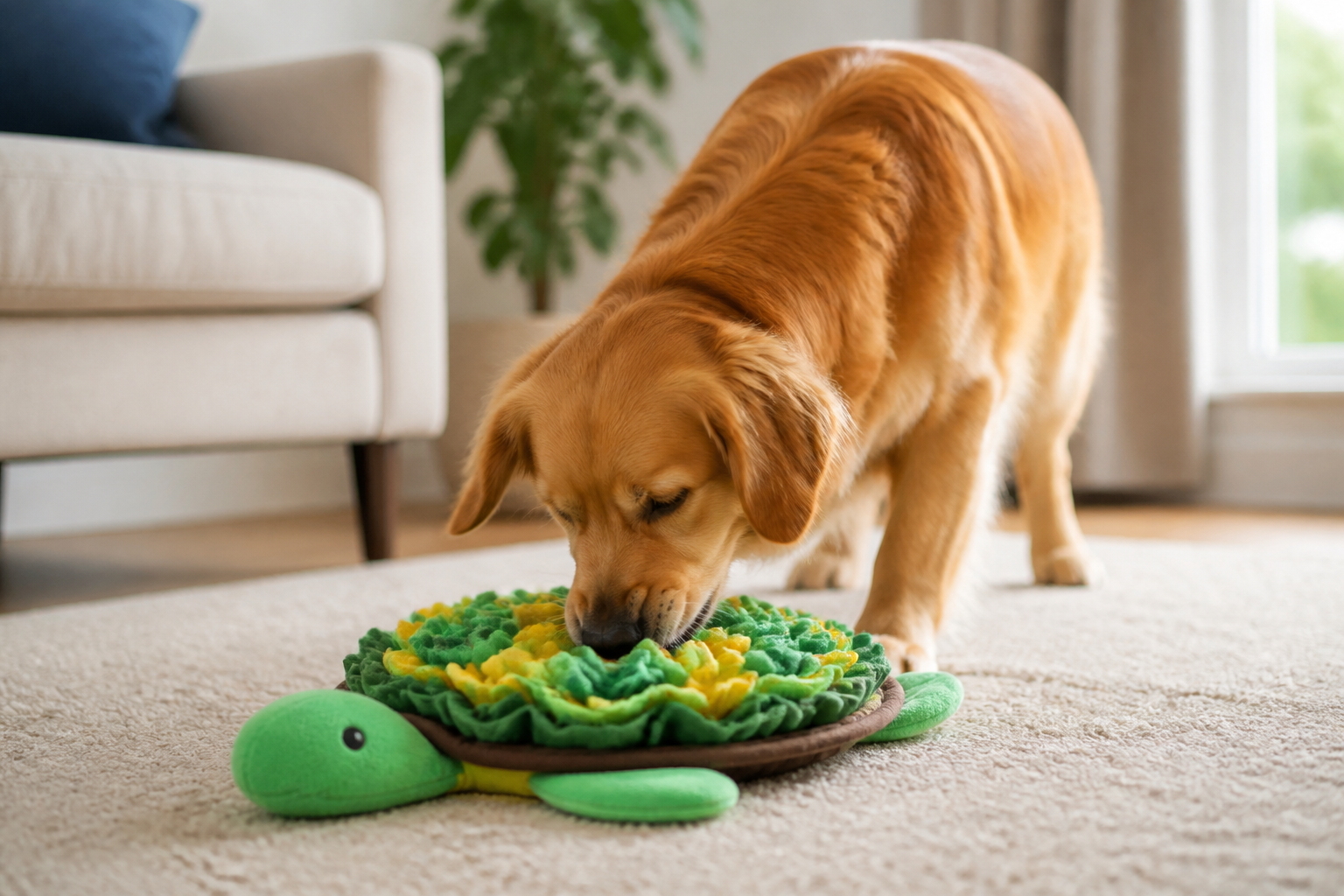
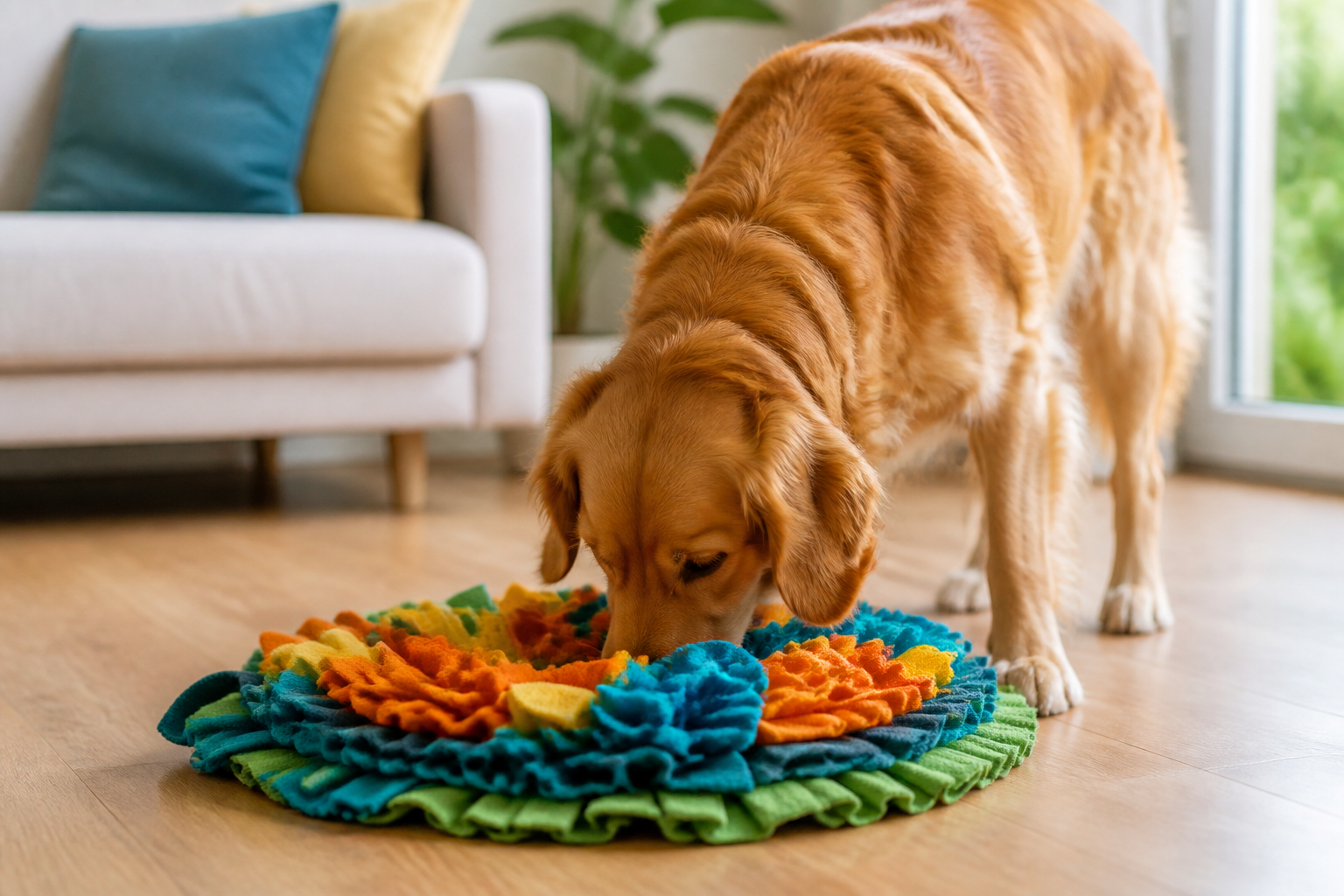
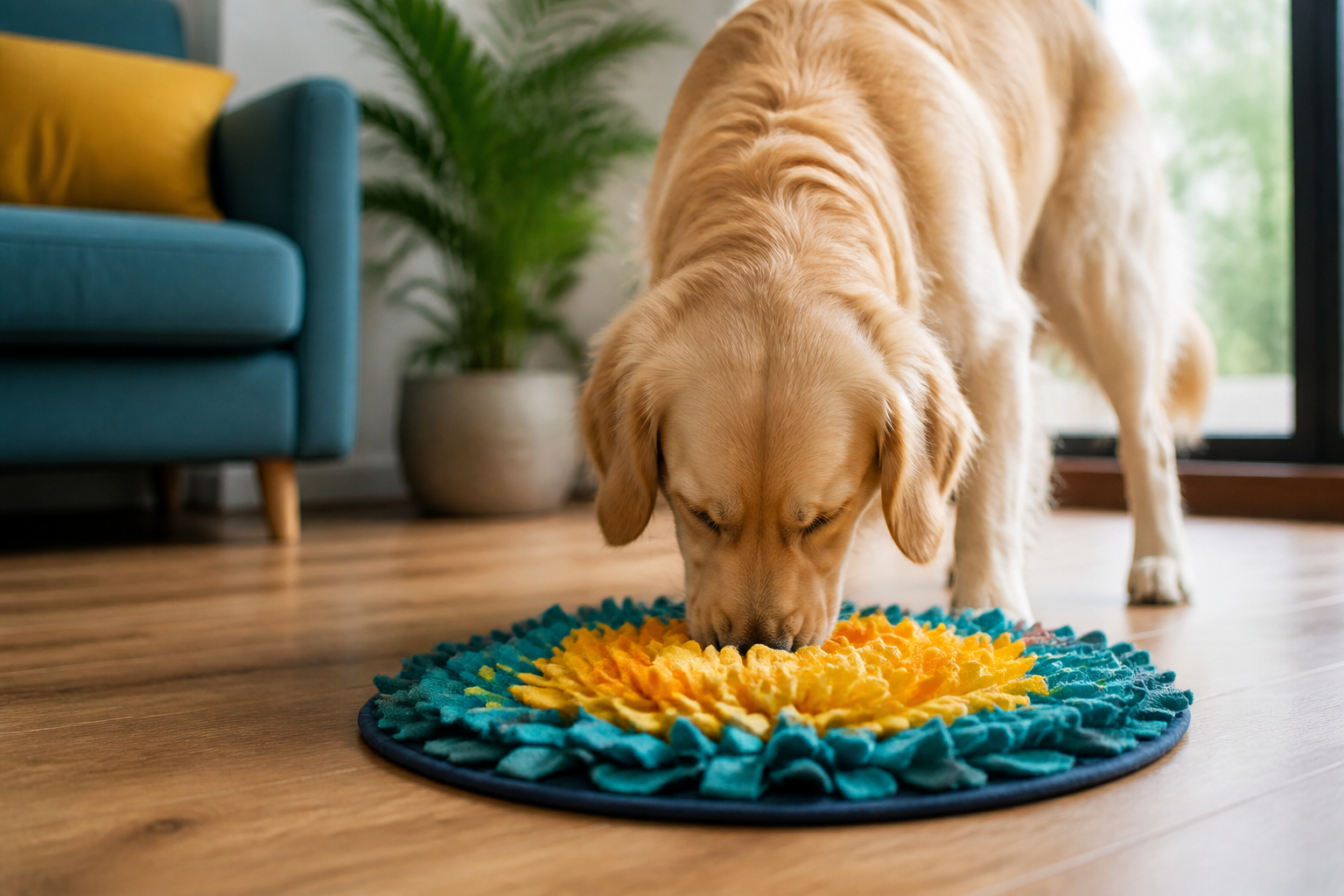
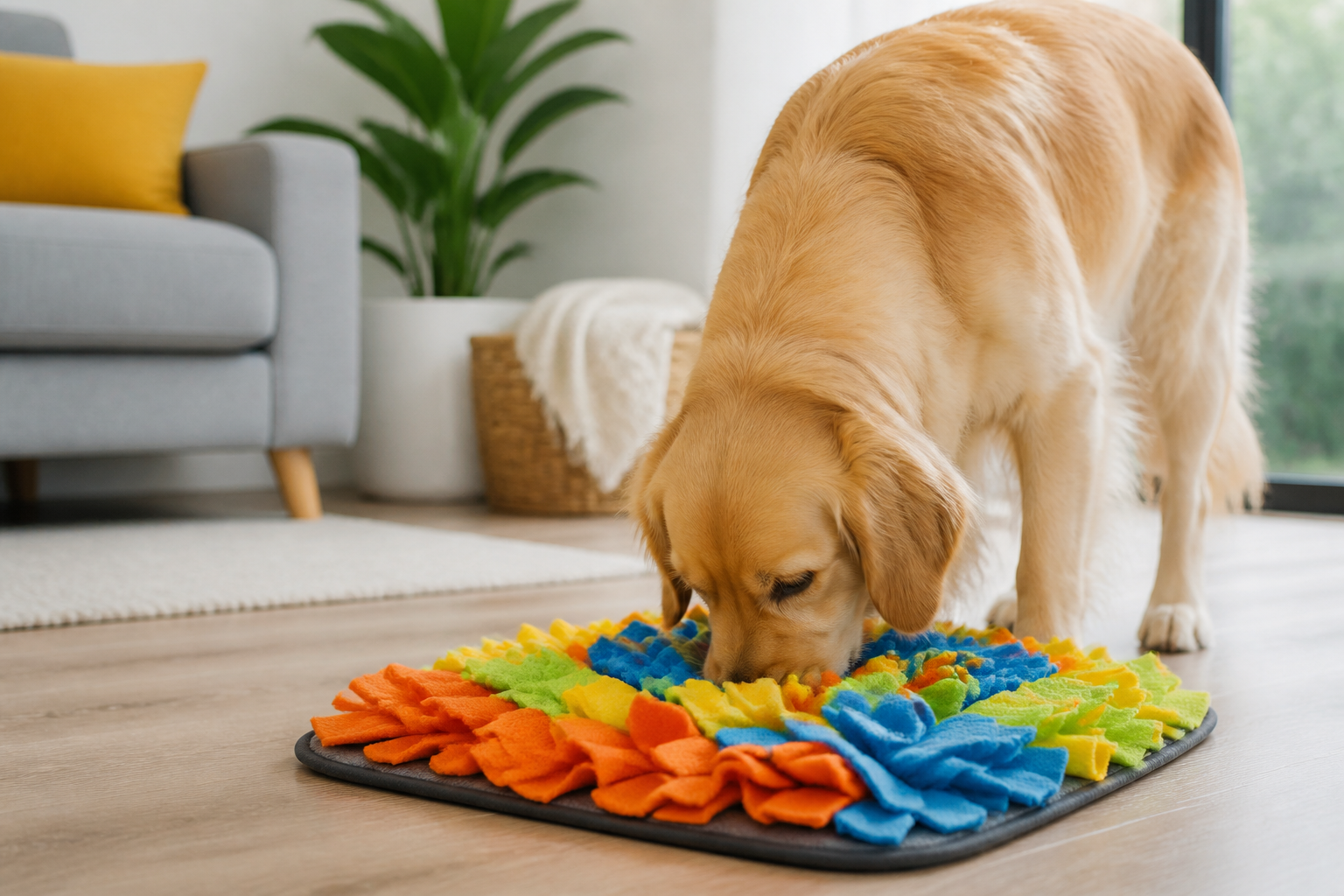
Your dog just finished their dinner in roughly twelve seconds. They are now staring at you with wide eyes, looking for the next activity while you are still trying to sit down after a long day. This common scenario is exactly why so many pet owners are turning to nose work tools. We know that mental exercise can be just as tiring as a long walk. At BaxterBoo, we see how much a simple enrichment tool can change the daily routine for a high energy puppy or a bored senior. This guide will teach you exactly how to fill a snuffle mat to keep your dog engaged. We will cover treat selection, layering techniques for different skill levels, and how to maintain your mat. By the end of this article, you will know how to turn a standard meal into a rewarding brain game.
The Best Foods for a Snuffle Mat
The first step in learning how to fill a snuffle mat is choosing the right fuel. Not every treat or food item works well in a fabric based puzzle. You want items that are dry, small, and highly fragrant. Moist or greasy treats can leave residue on the fleece strips. This leads to bacteria growth and makes the mat difficult to clean.
Dry kibble is the most common choice for many owners. If your dog eats a dry diet, you can replace their traditional bowl with the mat entirely. For dogs on a prescription diet, using their specific kibble is a great way to provide enrichment without upsetting their stomach. Our dog treats offer additional dry options for enrichment activities.
Freeze dried treats are another excellent option. Brands like Stella and Chewy's or Vital Essentials offer freeze dried morsels that are light and easy to crumble. These have a strong scent that naturally draws a dog's nose to the mat. You can also use small, crunchy biscuits like those from Old Mother Hubbard or Cloud Star.
Quick Answer: Use small, dry, and fragrant treats like kibble or freeze dried meat. Avoid wet, sticky, or greasy foods that will stain the fleece and require immediate washing.
How to Fill a Snuffle Mat for Beginners
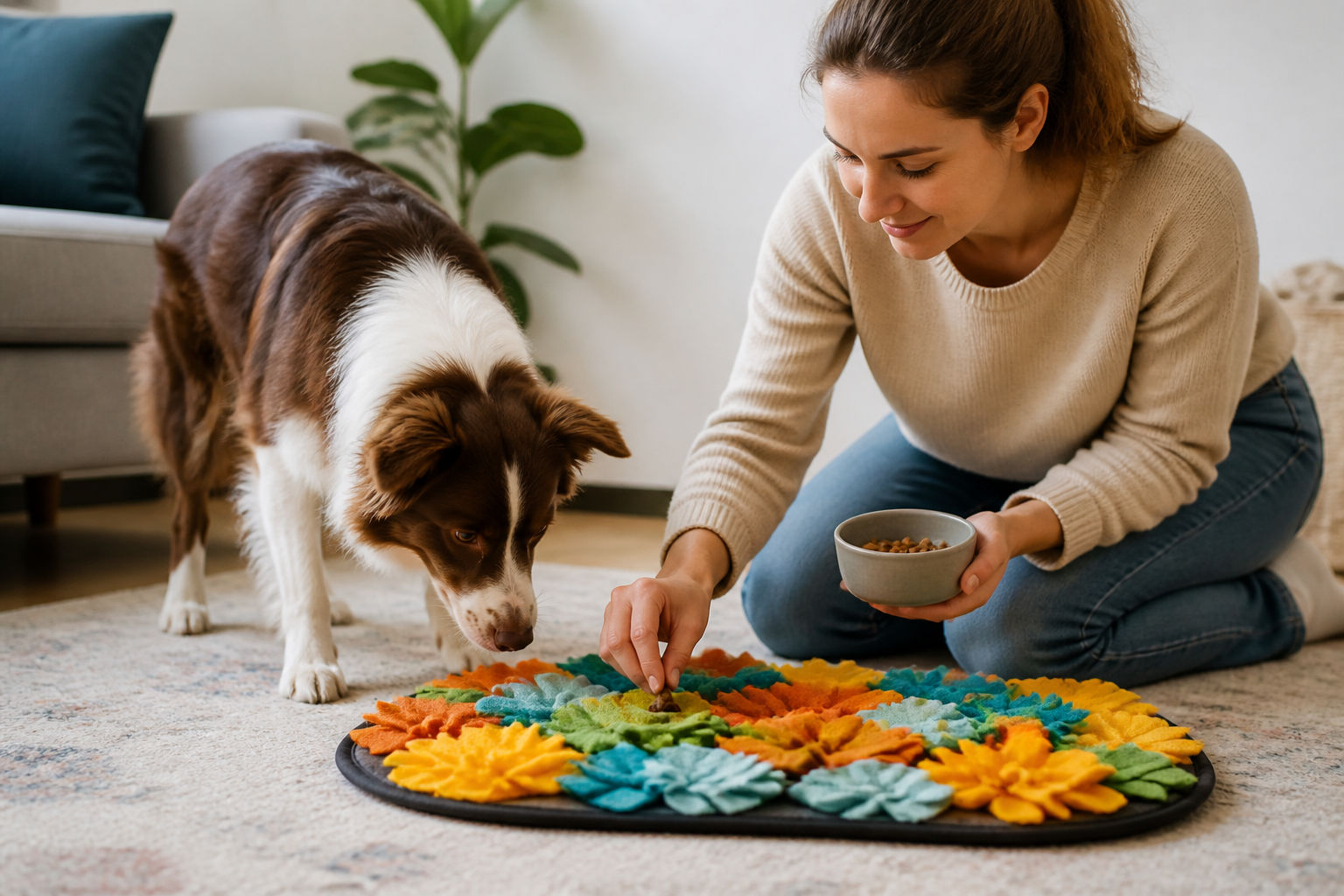
If your dog has never used a foraging toy, you must start slowly. If you hide the food too deeply at first, your dog might get frustrated. A frustrated dog is more likely to give up or try to chew the mat itself to get to the prize. You want to build their confidence by making the initial wins very easy.
Step 1: Clear the mat. Shake it out to make sure no old crumbs or debris are trapped in the fleece.
Step 2: Place the mat on a flat surface. Avoid putting it on a rug if your dog is a messy searcher. Hardwood or tile makes it easier to spot any treats that get nudged off the edge.
Step 3: Sprinkle a small handful of treats directly on top of the fleece strips. Do not push them down. Let them sit right on the surface where your dog can see them.
Step 4: Use a release command. Give your dog a cue like "find it" or "work" to let them know the game has started.
Step 5: Supervise the session. Watch to make sure they are sniffing and not trying to pick up the entire mat or chew the rubber base.
Beginner Checklist
- Use high value treats to build interest.
- Keep the session under five minutes.
- Pick the mat up immediately once the treats are gone.
- Praise your dog when they use their nose.
Moving to Intermediate Filling Techniques
Once your dog understands that the mat contains rewards, you can increase the difficulty. This stage moves from "looking" to "searching." You will start to use the natural folds of the fleece to obscure the food. At this level, your dog should be spending more time with their nose down and less time looking at you for help.
Instead of just dropping treats on top, you will start to "tuck" them. Take a piece of kibble and push it just below the surface of the top layer of fleece. You do not need to bury it at the very bottom yet. Just make it so the dog cannot see the treat from a standing position. They must move the fabric slightly with their nose or paws to reveal the food.
You can also start mixing treat types. Use their regular kibble for 90 percent of the mat, but hide three or four extra special treats deeper in the folds. This creates a "jackpot" effect. It encourages the dog to keep searching even after they have found the easy pieces.
Key Takeaway: Increasing difficulty slowly prevents frustration and encourages a focused "search" behavior rather than a frantic "scavenge" behavior.
Expert Filling Strategies for Pro Snufflers
For the dog that has mastered the intermediate level, it is time to get creative. Some dogs become very efficient at clearing a mat in minutes. To slow them down, you need to use the full depth of the mat and create physical barriers.
Start by turning the mat over and ensuring the strips are fluffed up. When you fill the mat at an expert level, you should be working in layers. Start at the very base of the mat, near the rubber or plastic grid. Place treats deep inside the knots where the fleece is tied to the base.
Next, pull the fleece strips in different directions. You can actually "cross" the strips over one another after placing a treat. This creates a fabric lid that the dog must move out of the way. Some owners even tie very loose knots in a few of the longer fleece strips with a treat tucked inside. Only do this if your dog is not a "shredder."
Expert Filling Steps
- Divide the meal into four small portions.
- Bury the first portion at the very bottom of the mat near the knots.
- Add the second portion halfway up the fleece strips.
- Push the third portion into the folds and "ruffle" the fabric to hide them.
- Sprinkle the final portion on top to give them an easy start.
Using a Snuffle Mat for Mealtime Management
One of the biggest benefits of a snuffle mat is slowing down fast eaters. Dogs that gulp their food are at a higher risk for digestive upset or a dangerous condition called bloat. Using a snuffle mat forces a dog to eat one or two pieces of kibble at a time. This naturally slows the pace of ingestion.
If you are using the mat for full meals, you might need a larger mat or two smaller ones. Ensure you are measuring the food accurately before hiding it. It is easy to overfeed when you are focused on filling every nook and cranny.
For dogs with sensitive stomachs or weight concerns, the way you fill the mat matters. We recommend using the mat as a tool for their daily caloric intake rather than adding extra treats on top of their meals. If your dog is on a weight management plan, filling the mat with their prescribed kibble keeps them full longer by extending the duration of the meal.
Vet Tip: If your dog is prone to bloat or has a history of rapid eating, consult your veterinarian about using enrichment feeders. They can help you determine if a snuffle mat is the right choice for your dog's specific digestive needs or if a medical grade slow feeder is required.
Choosing the Right Mat for Your Filling Style
Not all snuffle mats are the same. Some have long, thin strips of fleece while others have "cups," "pockets," and "grass" textures. The design of the mat will dictate how you fill it.
The standard "shag" style mat is best for beginners. It is easy to sprinkle food on and provides a uniform searching experience. However, if you have a clever dog, you might want a mat with varied textures. Some mats include felt "petals" or "cups" that can be closed with a drawstring. These allow you to hide larger treats or even small toys inside the fabric structures.
When shopping at BaxterBoo, look for mats with a non slip bottom. A mat that slides across the floor can be frustrating for a dog. It might lead them to pounce on the mat to hold it still, which can scatter the treats everywhere. A heavy, weighted base is ideal for larger breeds. You can explore our interactive and puzzle dog toys for enrichment designs suited to different filling styles.
Cleaning and Maintenance After Use
Saliva, food dust, and hair will accumulate in the mat over time. If you do not clean it regularly, it can develop a sour smell. Most high quality snuffle mats are machine washable.
Before washing, take the mat outside and give it a vigorous shake. You want to remove any leftover crumbs or hair. If your dog is a heavy drooller, you might want to spot clean the fleece with a pet safe detergent before putting it in the wash.
Wash the mat on a gentle cycle with cold water. Avoid using fabric softeners or heavily scented detergents. Dogs have a sense of smell that is thousands of times more sensitive than ours. A strong "mountain breeze" scent can be overwhelming and might discourage them from using the mat. Air drying is usually the best way to preserve the integrity of the fleece and the rubber backing.
Note: Always inspect the mat for loose strips or torn fabric after every wash. If a strip is hanging by a thread, remove it so your dog does not accidentally ingest it during their next session.
Troubleshooting Common Filling Problems
Sometimes the game does not go as planned. If your dog is not interested in the mat, you might be using treats that are not smelly enough. Try using a small amount of freeze dried liver or fish based treats to jumpstart their nose.
If your dog is flipping the mat over to get the treats out, they are being "efficient," but they are missing the point of the enrichment. You can prevent this by placing the mat on a sticky silicone surface or by holding the edges of the mat while they search. Eventually, they will learn that sniffing is the most effective way to get the reward.
For dogs that try to dig or scratch at the mat, you might need to go back to the beginner level. Digging usually means they can smell the food but cannot find it quickly enough. By making the treats easier to find for a few sessions, you can calm that frantic energy. For more ideas, see this guide to engaging brain games for dogs.
The Role of Scent Work in Senior Dog Care
As dogs age, their physical mobility often decreases, but their need for mental stimulation remains. A snuffle mat is one of the best tools for senior dogs. It allows them to engage in a natural, low impact activity while standing or even lying down.
Filling a mat for a senior dog should focus on ease of access and high scent profile. Older dogs may have a diminished sense of smell or dental issues. Using softer, smellier treats that are tucked loosely can help keep their brain sharp without causing physical strain.
This type of cognitive enrichment is often recommended by veterinarians to help manage signs of canine cognitive dysfunction. Keeping the "scent center" of the brain active can improve a senior dog's overall mood and confidence. If you are noticing significant changes in your senior dog's behavior or appetite, it is always best to schedule a checkup to rule out underlying health issues.
Key Takeaway: Scent work provides a vital mental outlet for senior dogs with limited mobility, helping to maintain cognitive function and reduce boredom-related anxiety.
Safety and Supervision
While snuffle mats are generally safe, they are not chew toys. The fleece strips are easy to rip off if a dog decides to use their teeth. If a dog swallows fleece, it can cause a dangerous intestinal blockage.
Always supervise your dog when the mat is on the floor. Once the searching is done and the treats are gone, pick the mat up and store it in a cabinet or on a high shelf. This keeps the mat "special" and prevents the dog from turning it into a chew toy out of boredom.
If you have multiple dogs, it is best to separate them during snuffle mat time. Even dogs that get along well can become protective over a high value foraging toy. Giving each dog their own space ensures a stress free enrichment session.
Why Quality Materials Matter
When you are deciding how to fill a snuffle mat, consider the material the mat is made from. Cheap felt can tear easily and might contain dyes that are not safe for your dog to put in their mouth. High quality fleece is more durable and stands up better to repeated washing.
We curate our selection at BaxterBoo to ensure the fabrics used in our enrichment toys are safe and durable. We look for mats that use pet safe materials that will not irritate a dog's nose or mouth during hours of sniffing. Investing in a well made mat means you will spend less money replacing it over time. The P.L.A.Y. Holiday Snuffle Mat Dog Toy is one example of a machine-washable mat designed for treat foraging.
Benefits Beyond the Bowl
The "snuffle" action actually triggers the release of dopamine in a dog's brain. It is a self rewarding activity. This is why many trainers recommend using a snuffle mat to help calm an anxious dog during a thunderstorm or when guests arrive.
By focusing their energy on a specific task, the dog can tune out environmental stressors. Filling the mat ahead of time and keeping it ready for high stress moments is a great management strategy. You can even bring a small, portable mat with you when traveling or visiting the veterinarian to provide a familiar, calming activity. For additional enrichment ideas, read 10 genius ways to create your own indoor enrichment.
Bottom line: Filling a snuffle mat correctly is about matching the difficulty level to your dog's current skills while using safe, dry, and enticing rewards.
Conclusion
Mastering how to fill a snuffle mat is a simple way to improve your dog's quality of life. Whether you are looking to slow down a fast eater or provide a mental workout for a restless puppy, this tool is incredibly versatile. Remember to start with easy "finds" and gradually increase the depth and complexity of your hiding spots. Using high quality, dry treats will keep your mat clean and your dog motivated.
At BaxterBoo, we are committed to providing the gear and knowledge you need to keep your pets happy and healthy. From our curated selection of enrichment toys to our convenient pharmacy services, we are here to support every stage of your pet's life.
- Start with treats on top for beginners.
- Use dry, smelly treats like freeze dried liver.
- Always supervise your dog during use.
- Wash the mat regularly without fabric softener.
Ready to start your dog's enrichment journey? Check out our full collection of dog toys and treats. Don't forget that you can earn points on every order by joining the MVP Rewards programme, making it easier to keep your dog's toy bin full of fresh challenges.
FAQ
What are the best treats to use when filling a snuffle mat?
The best treats are dry, small, and very smelly to help your dog use their nose. Freeze dried treats, small pieces of jerky, or your dog's regular dry kibble work perfectly because they do not leave a messy residue on the fleece. Avoid using anything wet or greasy, like peanut butter or cheese, as these will ruin the fabric and attract bacteria.
How do I stop my dog from flipping the snuffle mat over?
If your dog tries to flip the mat, it usually means they are trying to find a shortcut to the food. You can help them by placing the mat on a non slip surface or a silicone mat to give it more grip. You can also put your hand on the edge of the mat to keep it steady while they learn that sniffing is the only way to get the treats.
How often should I wash my dog's snuffle mat?
You should wash the mat whenever it starts to look dirty or smells like old food, which is usually every two to four weeks depending on use. Always shake out the crumbs and hair first, then wash it on a gentle cycle with cold water. Avoid using scented detergents or fabric softeners, as these can be irritating to your dog's sensitive nose.
Can I use a snuffle mat for a dog that is an aggressive chewer?
You can use a snuffle mat with a chewer, but you must be much more careful with supervision. Since the mat is made of fabric strips, an aggressive chewer can quickly rip them off and swallow them. Only bring the mat out for supervised sessions and pick it up immediately as soon as the dog stops sniffing and starts gnawing on the fleece.