
 Save 15% on your 1st Autoship learn more

 Email us
 Live Chat
 FAQs
FAQs





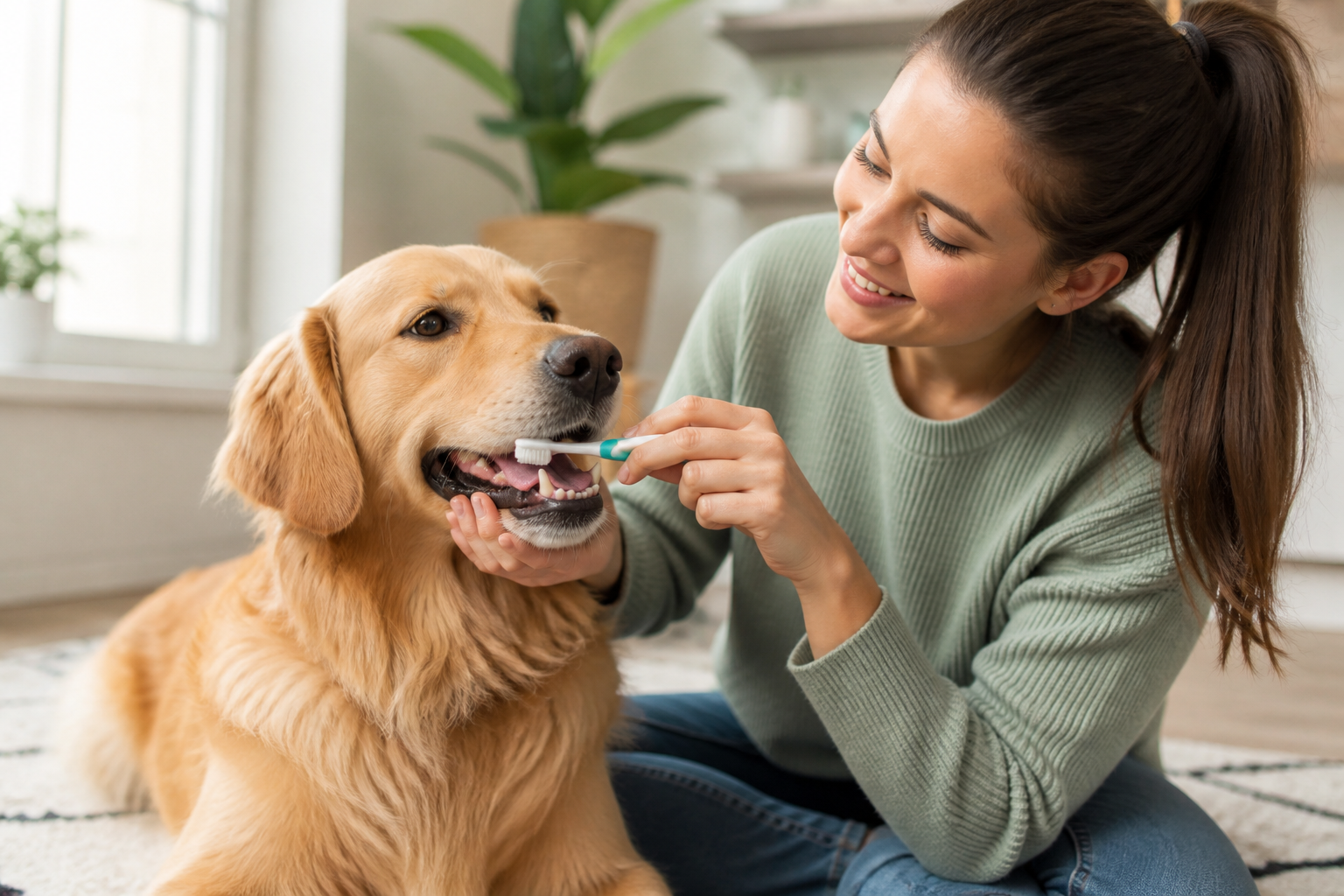
Introduction
You lean in to give your dog a scratch behind the ears and get a face full of "dog breath." Most owners think a smelly mouth is just part of being a dog, but it is often the first sign of dental trouble. At BaxterBoo, we have helped pet owners since 2006 find the right tools to keep their pets healthy from head to tail. We know that a clean mouth is about more than just fresh breath. It is a vital part of your dog's overall physical health and longevity. This guide covers everything from the basics of daily brushing to the best treats for scrubbing away buildup. You will learn how to create a simple, effective routine that keeps those pearly whites shining.
Why Dental Health is Vital for Dogs
Dental health is one of the most overlooked aspects of pet care. Many owners wait until they see brown tartar or red gums before they take action. By that point, your dog might already be in significant pain. Bacteria in the mouth do not just stay on the teeth. They can enter the bloodstream and travel to the heart, liver, and kidneys. This can lead to serious long term health complications that are much harder to treat than a simple tooth cleaning.
Plaque is a sticky film of bacteria that forms on the teeth within hours of eating. If it is not brushed away, it mixes with minerals in the saliva to become tartar. Tartar is hard and cannot be removed with a toothbrush. It provides a rough surface where even more bacteria can grow. This eventually leads to gingivitis and periodontal disease, which can cause tooth loss and bone damage in the jaw.
Key Takeaway: Oral bacteria can travel through the bloodstream and impact vital organs like the heart and kidneys. Consistent dental care at home is a preventive measure for your dog's entire body.
Brushing the Gold Standard of Care
Brushing is the most effective way to keep your dog's teeth clean. It mechanically removes plaque before it has a chance to harden into tartar. While it might seem daunting at first, most dogs can learn to enjoy the process if you start slowly and use positive reinforcement.
You must never use human toothpaste for your dog. Human toothpaste contains ingredients like xylitol and fluoride that are toxic to pets. It also foams, which dogs find distressing since they cannot rinse and spit. Dog toothpaste comes in flavors they love, such as poultry, beef, or peanut butter. This makes the toothbrush feel like a treat rather than a chore. You can explore our dog dental and breath care collection for pet-safe toothpaste, toothbrushes, gels, and other oral-care supplies.
Choosing the Right Tools
The type of brush you use depends on your dog's size and comfort level. A standard pet toothbrush has a long handle and angled bristles to reach the back molars. For smaller dogs or puppies, a finger brush that fits over your fingertip can offer more control. Some owners even find that a soft piece of gauze wrapped around a finger works well for sensitive gums.
Step-by-Step Brushing Guide
Step 1: Introduce the paste. Let your dog lick a small amount of pet-safe toothpaste off your finger. Do this for a few days until they get excited when they see the tube.
Step 2: Touch the teeth. Gently lift your dog's lip and rub your finger along their gums and teeth. Give them a reward afterward so they associate the touch with something good.
Step 3: Introduce the brush. Put toothpaste on the brush and let them lick it. Gradually start moving the brush in a circular motion against the outside surfaces of the teeth.
Step 4: Focus on the gum line. Most plaque accumulates where the tooth meets the gum. Focus your efforts there. You do not need to worry about the inside of the teeth, as the tongue naturally cleans those surfaces.
Vet Tip: If your dog has red, swollen, or bleeding gums, consult your veterinarian before you start brushing. Brushing inflamed gums can be painful and may require a professional cleaning first.
For additional guidance on introducing toothpaste, dental wipes, and brushing, review these pet dental care tips.
The Role of Dental Chews and Treats
Not every dog will sit still for a daily brushing session. Dental chews and treats are excellent supplements to your routine. These products are designed to scrub the teeth through mechanical action as the dog chews. Some also contain enzymes that help break down plaque and freshen breath.
When shopping for dental treats, look for the Veterinary Oral Health Council (VOHC) seal of acceptance. This seal means the product has been tested and proven to reduce plaque or tartar by at least 20 percent. Brands like Greenies are well known for meeting these standards. You can browse our selection of Greenies products for dental chews and other pet treats.
How Dental Chews Work
The texture of a good dental chew is firm but flexible. As your dog's teeth sink into the treat, the material scrapes against the surface of the tooth. This action helps wipe away the soft plaque. Chewing also stimulates saliva production. Saliva contains natural enzymes that help protect the enamel and wash away food particles.
Bottom line: Dental treats are a great secondary defense, but they work best when used alongside regular brushing.
For more ideas, compare options in this guide to dental chews for dogs.
Water Additives and Dental Powders
For dogs that are very resistant to having their mouths touched, water additives and food powders offer a hands-off solution. These products are often tasteless and odorless, so most dogs do not even notice they are there.
Water additives work by altering the chemistry of the mouth. They contain ingredients that prevent bacteria from sticking to the teeth. You simply add a capful to your dog's water bowl each time you refill it. Dental powders work similarly but are sprinkled over your dog's food. Many powders, like those from VetriScience, use probiotics to crowd out the "bad" bacteria that cause plaque and bad breath.
Quick Answer: Water additives and powders help reduce the bacterial load in a dog's mouth. They are a great option for pets that do not tolerate brushing or for owners with busy schedules.
Using Toys for Natural Cleaning
Playtime can also be a time for cleaning. Certain types of toys are specifically designed to improve oral hygiene. Rubber toys with nubs or ridges help massage the gums and scrape the teeth as the dog chews and carries the toy around. Find more options in our dog healthcare category.
Rope toys can act like dental floss. As the dog chews on the cotton strands, the fibers slide between the teeth to remove trapped food. However, you should always supervise rope toy play. If a dog swallows the fibers, it can cause a dangerous intestinal blockage.
Best Materials for Dental Toys
- Firm Rubber: Look for toys from brands like Kong that have "dental" versions with special grooves.
- Nylon: Durable nylon bones often have textures that help wear down tartar.
- Cotton Rope: Natural fibers provide a flossing action for the front teeth.
Always choose a toy that is appropriate for your dog's size and chewing style. A toy that is too hard can actually fracture a tooth. If you cannot make a dent in the toy with your thumbnail, it might be too hard for a powerful chewer.
Nutrition and Specialized Dental Diets
What your dog eats every day has a huge impact on their teeth. While some people believe that all dry kibble cleans teeth, that is not strictly true. Most standard kibble is small and brittle. It shatters as soon as the dog bites it, providing very little cleaning action.
Specialized dental diets, like Royal Canin Vet Life or Hill’s Prescription Diet t/d, are different. The kibbles are much larger and have a specific fiber structure. Instead of shattering, the tooth sinks into the kibble, which scrubs the surface as the dog chews. These diets also contain minerals that bind to calcium in the saliva, preventing it from turning plaque into hard tartar.
Our pharmacy at BaxterBoo carries a variety of these prescription dental foods. Through our partnership with Pet's Choice, we can help you manage your dog's long term health with FDA-approved medications and specialized diets. If your vet recommends a prescription food for your dog's dental health, you can easily set up an Autoship order to ensure they never miss a meal.
When to See the Vet
Even with the best home care, most dogs will eventually need a professional cleaning. Just like humans need a dental hygienist, dogs need a veterinarian to remove tartar that has formed under the gum line. Home care is about prevention, but a vet visit is about treatment.
During a professional cleaning, your dog will be placed under general anesthesia. This allows the vet to perform a thorough exam, take X-rays, and use ultrasonic scalers to clean every tooth surface. Anesthesia is necessary because it is the only way to safely clean beneath the gums without causing the dog pain or stress.
Signs Your Dog Needs Professional Help
- Foul breath that does not improve with brushing.
- Red, swollen, or bleeding gums.
- Discolored teeth (brown or yellow).
- Dropping food while eating or a sudden loss of appetite.
- Pawing at the mouth or face.
- Loose or missing teeth.
Vet Tip: Smaller breeds and senior dogs often require more frequent professional cleanings. Their teeth are more crowded, which allows plaque to hide in tight spaces that a brush cannot reach.
Creating a Sustainable Routine
The key to keeping your dog's teeth clean is consistency. You do not need to spend an hour a day on dental care. A few minutes of brushing, a dental chew after dinner, and the right toys can make a massive difference.
Start by picking one time of day for dental care. Many owners find that brushing after the evening walk works best. Once it becomes a habit, your dog will expect it, and the process will become much faster. You can also use our MVP Rewards program to earn points on your dental supplies, making it more affordable to keep up with the routine.
- Monday: Brush teeth and give a dental chew.
- Tuesday: Add a water additive and play with a dental rope toy.
- Wednesday: Brush teeth and check for any redness in the gums.
- Thursday: Give a dental-friendly treat like Greenies.
- Friday: Brush teeth and rinse out the water bowl.
- Saturday: Inspect the mouth for any signs of loose teeth.
- Sunday: Brush teeth and reward with a favorite activity.
Managing the Cost of Dental Care
Dental care can be expensive if you only focus on reactive treatments. Professional cleanings and extractions can cost hundreds or even thousands of dollars. By investing in high-quality food, treats, and brushing supplies now, you can significantly reduce the frequency of expensive vet visits.
We offer several ways to save on these essentials at BaxterBoo. Our Frequent Buyer Program helps you earn free products on participating brands you already use. Additionally, our partnership with FIGO Pet Insurance can help cover the costs of unexpected dental emergencies or illnesses. Being proactive is the best way to protect both your dog's health and your wallet.
Conclusion
Keeping your dog's teeth clean is a lifelong commitment that pays off in many ways. You will enjoy fresher breath during cuddles, and your dog will stay more comfortable as they age. A healthy mouth supports a healthy heart and a more active life. By combining daily brushing with the right treats, toys, and professional veterinary oversight, you are giving your pet the best possible care.
Check out our full collection of dental care products, or visit our pharmacy for prescription-strength support. Your dog’s bright smile starts with the choices you make today.
- Establish a daily brushing habit with pet-safe paste.
- Use VOHC-approved treats to supplement cleaning.
- Rotate dental toys to keep chewing habits productive.
- Schedule yearly veterinary dental exams.
Bottom line: Prevention is always easier and more affordable than treating advanced dental disease.
FAQ
How often should I really brush my dog's teeth?
Ideally, you should brush your dog's teeth every single day to prevent plaque from hardening into tartar. If daily brushing is not possible, aim for at least three times per week to see a meaningful difference in their oral health. Consistency is more important than the length of each session.
Can I use a human toothbrush for my dog?
You can use a soft human toothbrush for a large dog, but it may be difficult to reach the back teeth. For small dogs, a human toothbrush is usually too large and may hurt their gums. It is generally better to use a brush specifically designed for pets or a finger brush for more control.
My dog hates brushing, what are the alternatives?
If your dog will not tolerate brushing, you can use a combination of dental chews, water additives, and dental powders. These products work together to reduce bacteria and scrape away plaque. However, you should still attempt to gradually desensitize your dog to brushing over time using lots of treats and praise.
Why does my dog still have bad breath after I brush?
Persistent bad breath can be a sign of an underlying health issue or advanced dental disease. If the breath is very foul, there may be an infection or a rotting tooth that brushing cannot fix. You should schedule a visit with your veterinarian to rule out periodontal disease or internal health problems.






