
 Save 15% on your 1st Autoship learn more

 Email us
 Live Chat
 FAQs
FAQs





Introduction
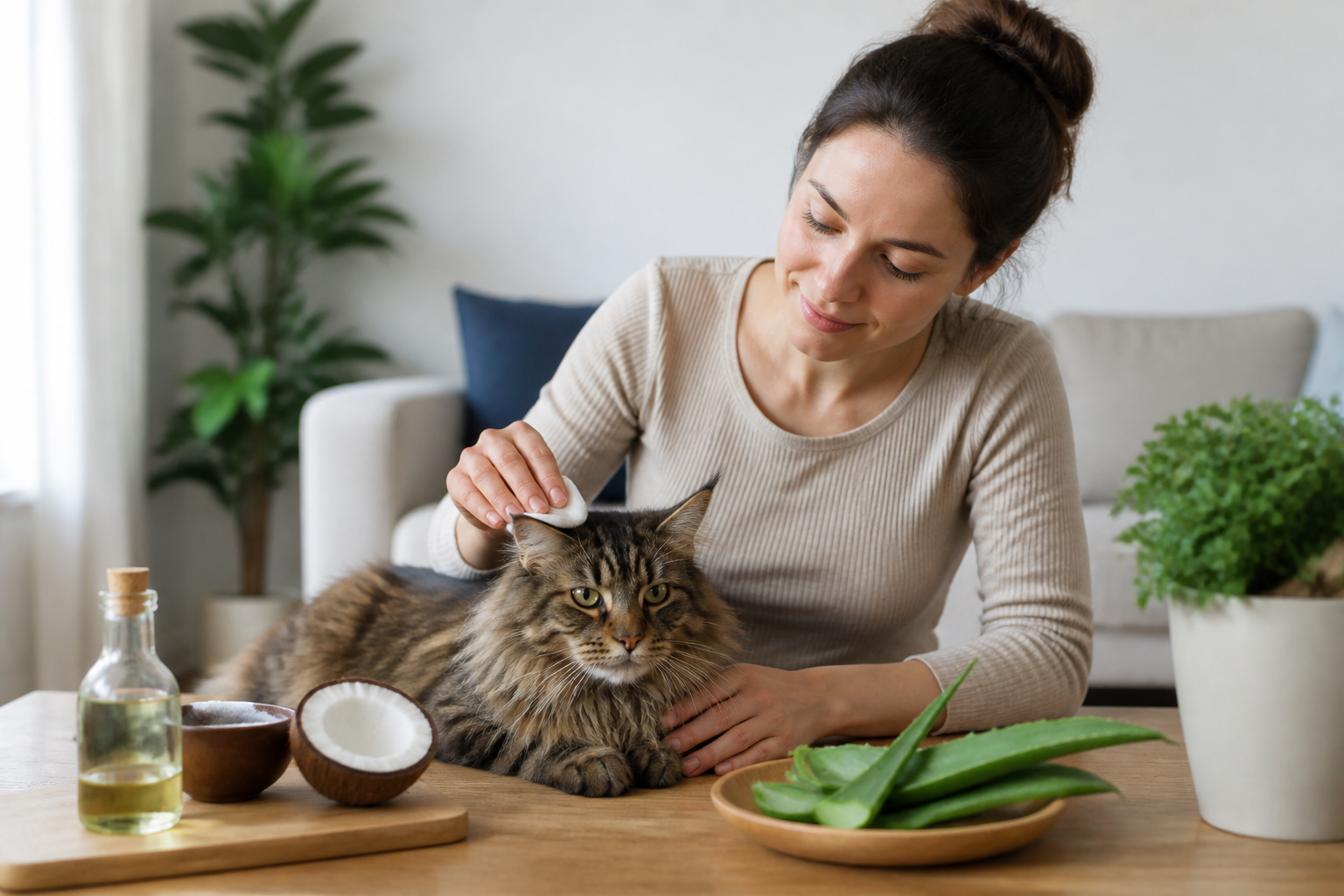
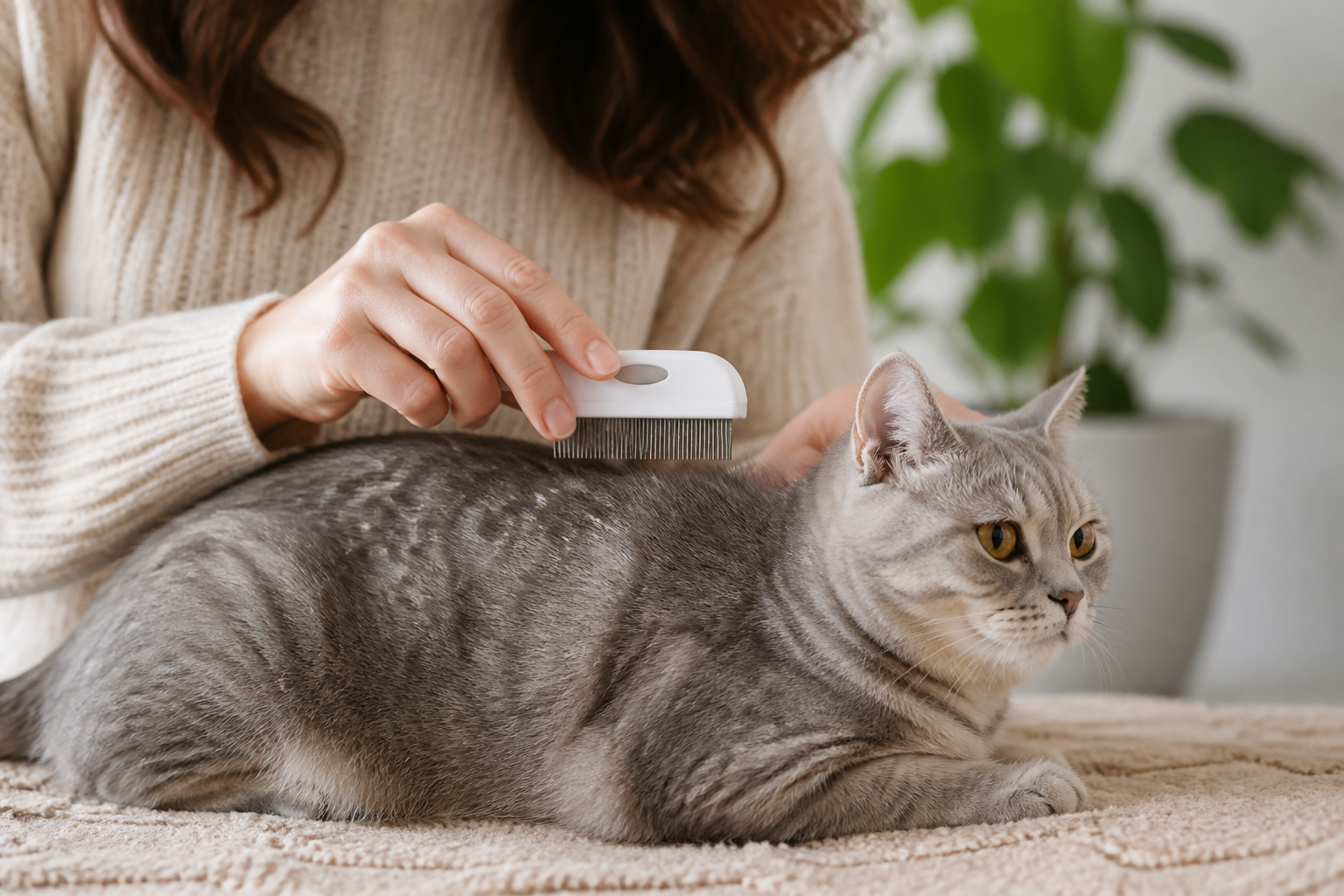
You are petting your cat, enjoying a quiet moment together, when you notice small white flakes dusted across their fur. It is especially visible along their lower back or near the base of their tail. While a few flakes might seem like a minor cosmetic issue, they often signal that your cat’s skin needs a little extra attention. We know how much you care about your cat's comfort, and seeing them itchy or flaky can be worrying. At BaxterBoo, we see this often, especially during seasonal changes or as cats reach their senior years. This guide covers how to identify the causes of these flakes and how to treat cat dandruff at home naturally using grooming, nutrition, and environmental changes. Managing your cat's skin health is a journey toward total wellness.
Quick Answer: Treating cat dandruff naturally involves increasing hydration through wet food, regular brushing to distribute natural oils, and adding omega fatty acids to their diet. Maintaining indoor humidity and ensuring your cat is at a healthy weight also play vital roles in skin health.
Understanding the Difference Between Dandruff and Dander
Before you start a treatment routine, it is important to know exactly what you are looking at. Many people use the terms dander and dandruff interchangeably, but they are different things in the world of feline health. Dander is made of microscopic skin cells that every healthy cat sheds. You generally cannot see dander with the naked eye. It is the protein found in dander that often triggers allergies in humans.
Dandruff is different. These are larger, visible flakes of dead skin that have clumped together. While every cat has dander, not every cat should have visible dandruff. If you can see white specks on your cat’s coat, their skin is likely too dry, too oily, or irritated.
You should also look closely to ensure the flakes are actually skin. Sometimes, flea eggs or flea dirt can be mistaken for dandruff. Flea eggs are white and oval, similar to a grain of salt. Flea dirt, however, looks like tiny black pepper flakes. If you see black specks, it is a sign of a parasite issue rather than simple dry skin.
Cat Skin & Coat Care






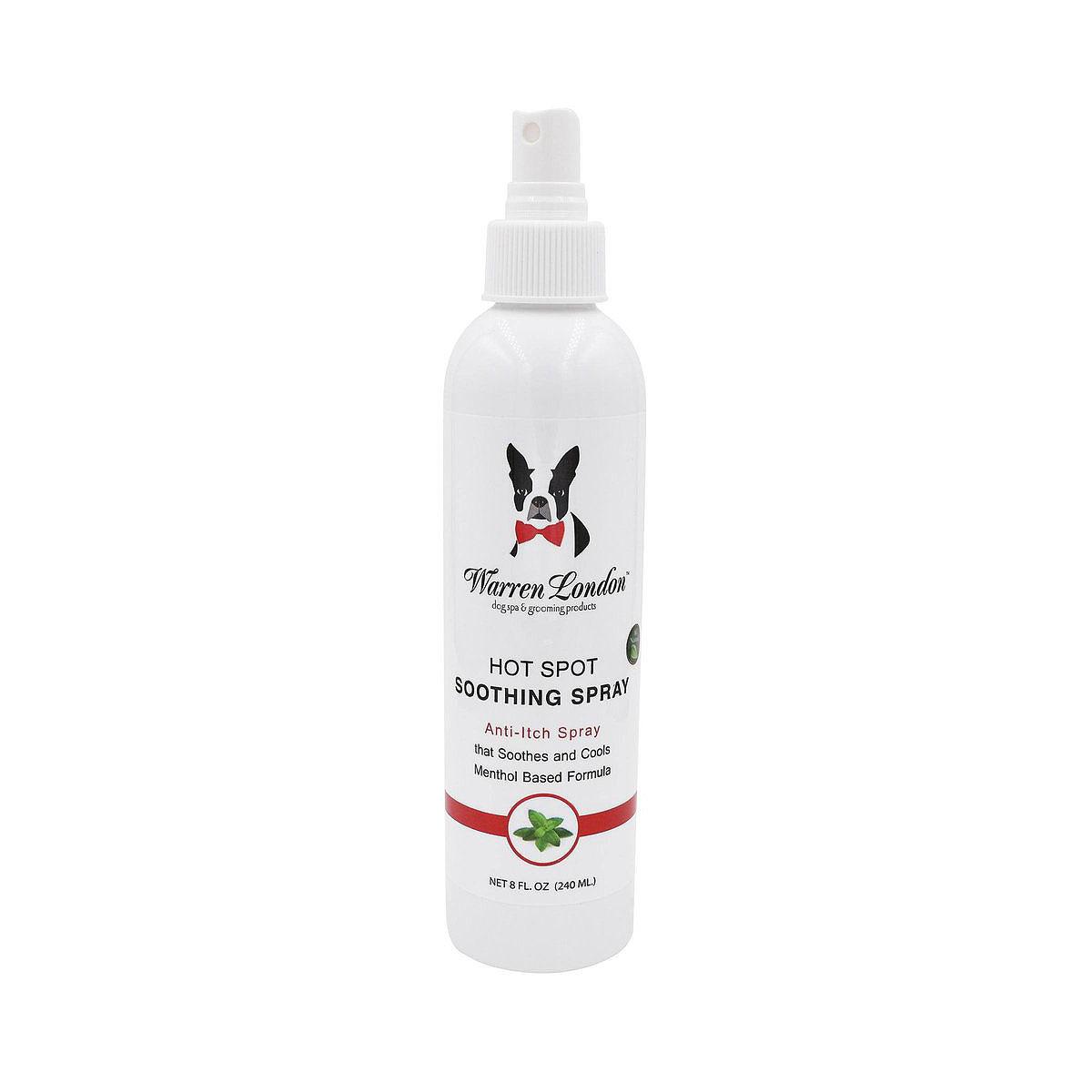

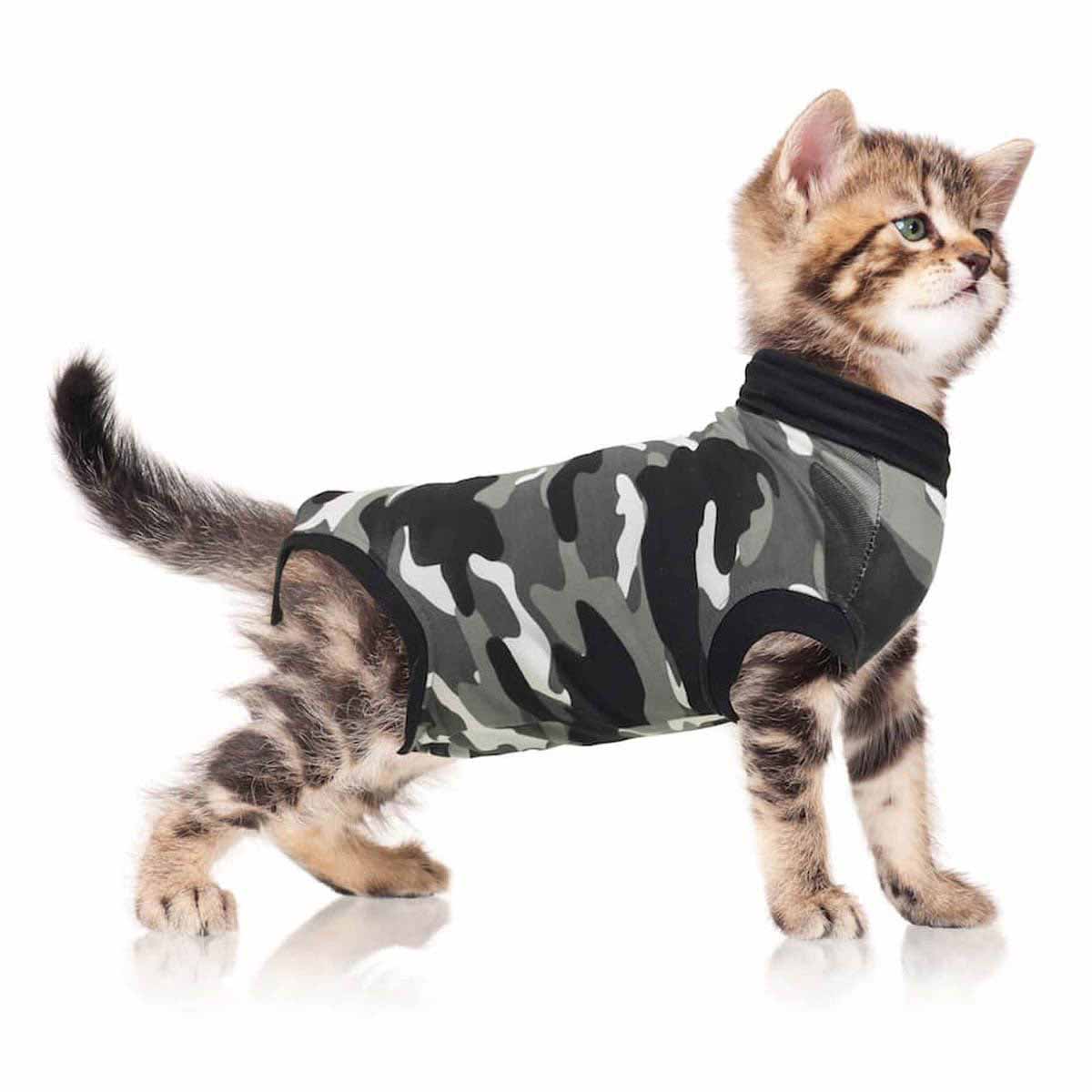


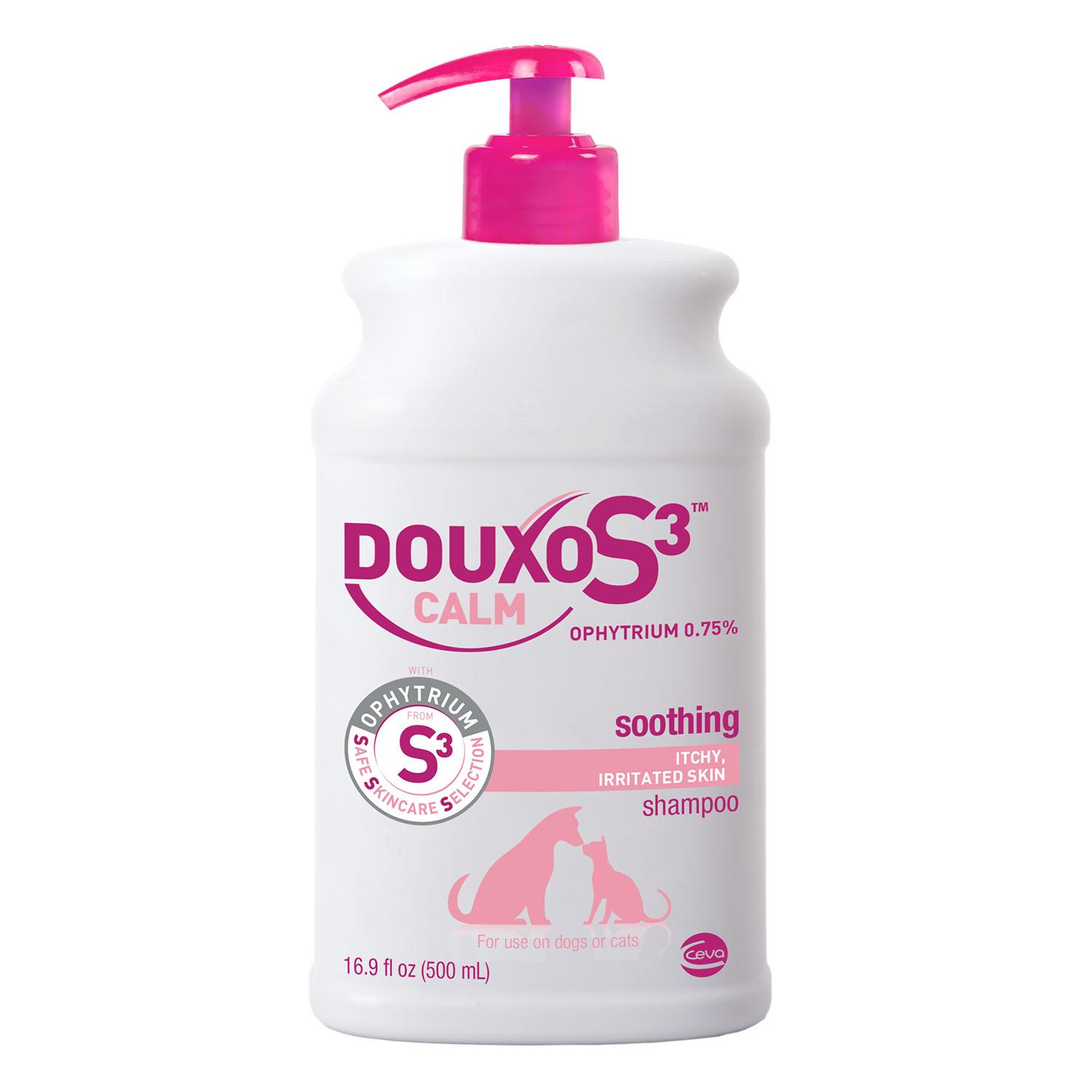
Common Causes of Flaky Skin in Cats
To treat the flakes, you must first understand why they are appearing. Feline skin is a sensitive organ that reacts quickly to internal and external changes.
Environmental Factors and Humidity
Just like humans, cats often get dry skin when the air lacks moisture. During winter months, indoor heating systems strip the air of humidity. This dry environment pulls moisture from your cat's skin, leading to itchiness and flaking. This is one of the most common reasons for seasonal dandruff.
Hydration and Diet
Cats have a naturally low thirst drive. In the wild, they get most of their moisture from their prey. If a cat eats a diet consisting only of dry kibble, they may live in a state of mild, chronic dehydration. This lack of internal moisture often shows up first as dull fur and flaky skin.
The quality of the food matters just as much as the moisture content. Low-quality diets may lack the essential fatty acids needed to maintain the skin’s natural barrier. Without enough Omega-3 and Omega-6 fatty acids, the skin becomes brittle and prone to shedding.
Grooming Struggles
A healthy cat spends a large portion of their day grooming. This process removes dead skin cells and spreads natural oils across the coat. If a cat stops grooming effectively, dandruff builds up. This often happens for two reasons:
- Weight Issues: Overweight cats often cannot reach their lower back or the base of their tail. This is why you frequently see dandruff concentrated in those specific areas.
- Mobility Issues: Senior cats with arthritis may find it painful to twist and reach certain spots. If your older cat suddenly has a flaky back, it might be a sign of joint discomfort rather than a skin disease.
Key Takeaway: Dandruff is usually a symptom of an underlying lifestyle factor like low humidity, poor hydration, or a physical inability to groom properly.
Natural Ways to Improve Hydration
Increasing the amount of water your cat consumes is one of the most effective ways to treat dandruff from the inside out. Since you cannot force a cat to drink, you have to be strategic about how you offer moisture.
Transitioning to Wet Food
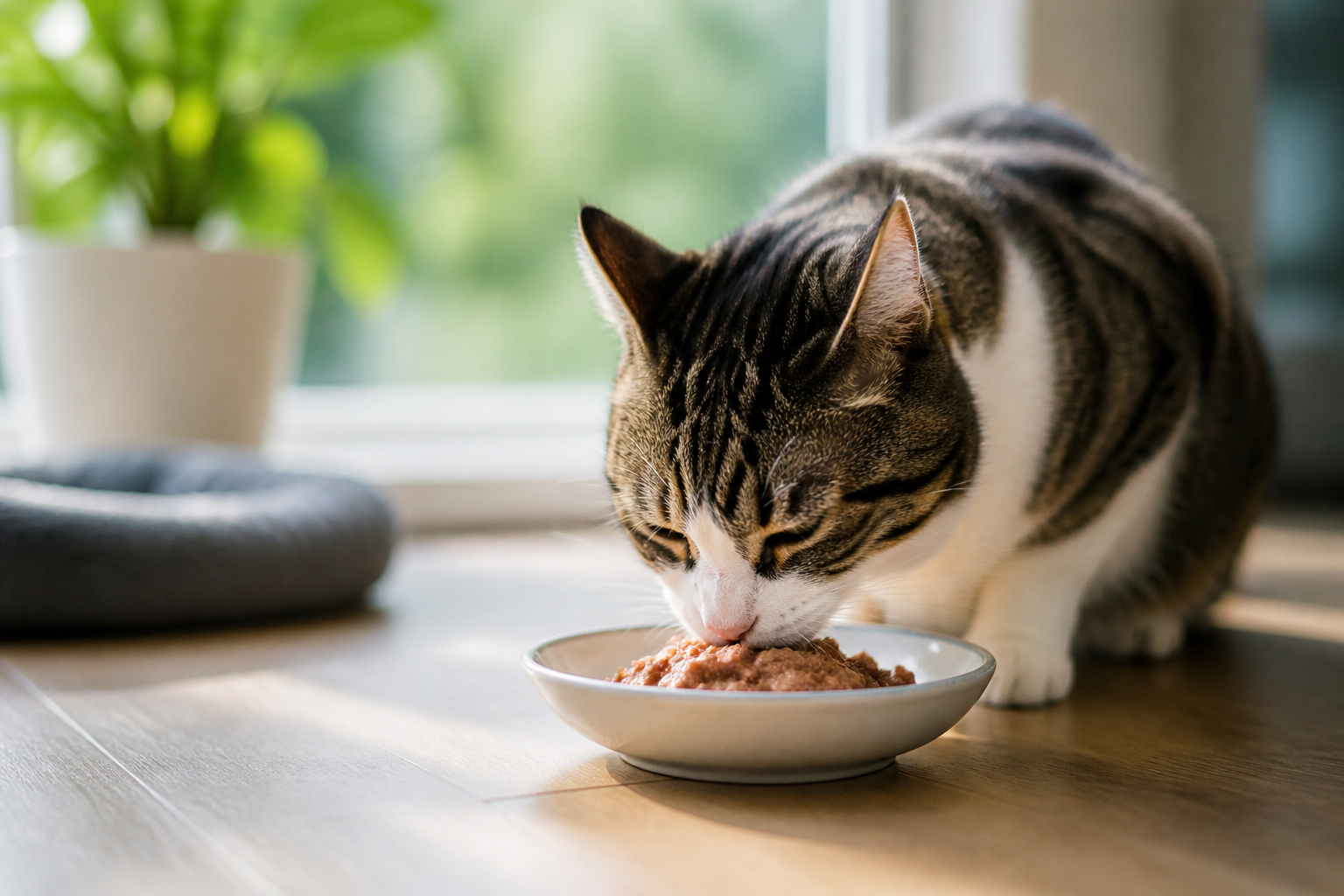
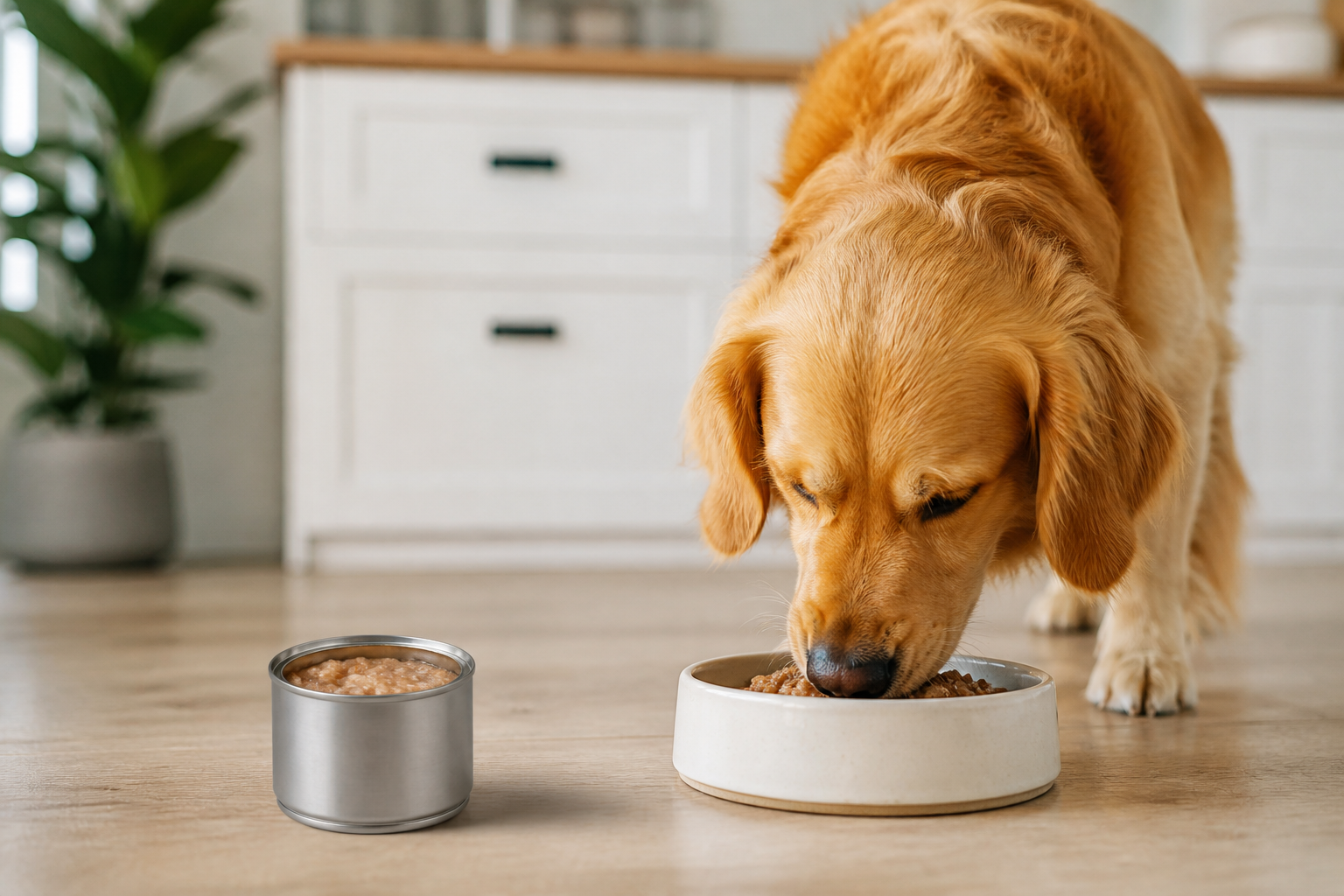
If your cat primarily eats dry kibble, try introducing wet food into their daily routine. Canned food or pouches typically contain about 75 percent to 80 percent water. Even adding a small amount of wet food as a "topper" to their dry kibble can make a significant difference. Brands like Tiki Cat, Fussie Cat, or Weruva offer high-moisture options that appeal to even the pickiest eaters. Explore our wet and dry cat food selection to compare options for your cat.
Fresh Water and Fountains
Cats are often suspicious of standing water in a bowl. In nature, still water can be a breeding ground for bacteria, while running water is usually safer. This instinct remains in our domestic cats. Switching from a standard bowl to a circulating water fountain can entice your cat to drink more. Ensure the water is fresh and the fountain is cleaned weekly to keep it appealing.
Adding "Flavor" to Water
For cats that are particularly stubborn about drinking, you can add a small amount of tuna juice or low-sodium chicken broth to their water bowl. Ensure the broth does not contain onions or garlic, as these are toxic to cats. A tablespoon of the liquid from a can of tuna in water can act as a natural lure to get them to hydrate.
Vet Tip: If your cat’s thirst increases suddenly or if they are drinking excessive amounts of water, consult your veterinarian. This can sometimes be a sign of underlying issues like diabetes or kidney disease, which also cause skin changes.
Improving the Coat Through Better Nutrition
What goes into your cat's body directly impacts the quality of their fur. If you want to stop dandruff, you need to look at the ingredient label on their food bag.
The Role of Essential Fatty Acids
Omega-3 and Omega-6 fatty acids are the building blocks of healthy skin. They help maintain the lipid barrier of the skin, which prevents moisture from escaping. Fish oils, such as salmon oil or pollock oil, are excellent natural sources of these nutrients.
You can find these as standalone supplements or look for foods that are naturally high in these fats. Brands like Stella and Chewy’s or Farmina often include high-quality animal fats and oils that support coat health. Adding a pump of salmon oil to their breakfast is an easy home remedy that most cats find delicious.
Checking for Sensitivities
In some cases, dandruff is a reaction to a food sensitivity. If a cat is allergic to a specific protein or a filler in their food, their skin may become inflamed. This inflammation leads to faster skin cell turnover, resulting in more flakes. Switching to a limited-ingredient diet or a novel protein source like duck or rabbit can sometimes clear up chronic skin issues.
The Importance of High-Quality Protein
Cats are obligate carnivores. They need high-quality animal protein to produce keratin, the primary structural component of hair and skin. If a diet is too heavy on plant-based fillers, the cat may not have the nutrients required to keep their coat glossy. Look for foods where a named meat source is the first ingredient.
Grooming Techniques to Manage Flakes
While you work on the internal causes, you can manage the visible flakes with a regular grooming routine. This is especially important for long-haired cats or those with thick undercoats. Our cat grooming supplies include brushes, combs, shampoos, and other home-care tools.
Choosing the Right Tools
Not all brushes are created equal. To treat dandruff, you need a tool that reaches the skin without being abrasive.
- Slicker Brushes: These have fine wire bristles that are great for removing loose fur from the undercoat.
- Rubber Curry Brushes: These are excellent for short-haired cats. The rubber nubs massage the skin and help stimulate the production of natural oils.
- Soft Bristle Brushes: These are best for finishing the groom and smoothing the topcoat.
How to Brush for Skin Health
Brushing should be a gentle process. If you brush too hard, you can actually irritate the skin and cause more flaking.
Step 1: Start at the head and move toward the tail. / Use long, gentle strokes in the direction of hair growth.
Step 2: Focus on the lower back. / Spend extra time on the areas where your cat cannot reach, but watch for signs of overstimulation like tail flicking.
Step 3: Check the skin. / Look for redness, sores, or parasites as you move the fur aside.
Step 4: Reward your cat. / Give them a healthy treat afterward to make grooming a positive experience.
Distributing Natural Oils
The primary goal of brushing for dandruff is to move the natural oils from the base of the hair follicle down the entire length of the hair shaft. This coats the fur and creates a protective seal over the skin. For cats that struggle to groom themselves due to weight, a daily five-minute brushing session can almost entirely eliminate dandruff.
A tool such as the U-Groom Combo Brush for Dogs and Cats combines pins for detangling with bristles that help smooth the coat.
Bottom line: Regular grooming with the right tools removes dead skin and distributes protective oils that keep the coat hydrated.
Environmental and Lifestyle Adjustments
Sometimes the best natural treatments for cat dandruff have nothing to do with what the cat eats or how they are brushed. Small changes to your home can have a big impact.
Controlling Indoor Humidity
If you notice that your cat’s dandruff only appears when the heater comes on in the winter, the air is likely too dry. Using a humidifier in the rooms where your cat spends the most time can help. Aim for a humidity level between 40 and 50 percent. This keeps both your skin and your cat’s skin from drying out.
Reducing Stress
Stress can manifest physically in cats. When a cat is stressed, their body may produce more cortisol, which can affect skin health and oil production. If you have recently moved, added a new pet, or changed your schedule, your cat’s dandruff might be a stress response. Providing a calm environment with plenty of vertical space and hiding spots can help lower their stress levels.
Natural Cleaning Products
Cats spend a lot of time lying on the floor and grooming their paws. If you use harsh chemical cleaners on your floors or laundry, your cat is coming into direct contact with those residues. Switch to pet-safe, natural cleaners. Look for products that are free from ammonia, bleach, and strong synthetic fragrances, which can irritate sensitive feline skin.
When to Consider Medicated or Professional Options
While natural home remedies work for many cats, some situations require a more clinical approach. If the dandruff is accompanied by other symptoms, it is time to look at professional solutions.
The Role of Our Pharmacy
If your cat's dandruff is caused by an underlying medical condition like an infection, a parasite infestation, or an endocrine disorder, natural home fixes may not be enough. Our pet pharmacy offers FDA-approved medications and prescription pet foods through our partnership with Pet's Choice. Whether your vet prescribes a medicated shampoo to treat a fungal infection or a specific prescription diet for weight management, we provide a convenient way to get those supplies delivered to your door.
Addressing Parasites
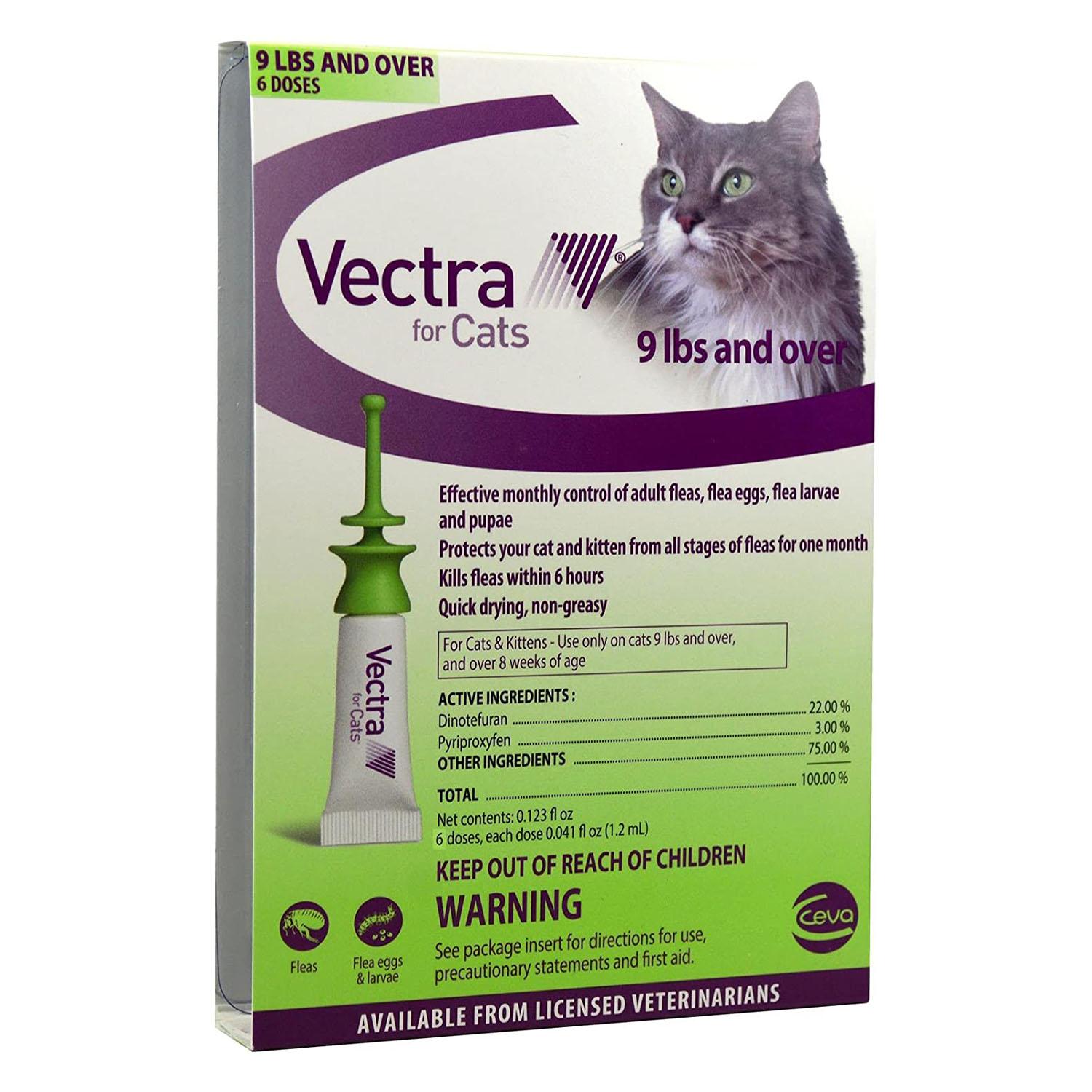
Parasites like the Cheyletiella mite, often called walking dandruff, look exactly like skin flakes but are actually tiny moving organisms. Regular flea and tick prevention is the best way to ensure your cat's skin is protected from these pests. We carry trusted brands like Frontline and NexGard to help keep your home and pet parasite-free.
Prescription Diets for Skin and Weight
If your cat is struggling with obesity that prevents grooming, or if they have severe food allergies, your veterinarian might recommend a prescription diet. These formulas are specifically designed to be highly digestible and nutrient-dense. We offer a wide range of these specialized foods to support your cat's specific health journey.
Vet Tip: If you see your cat scratching excessively, or if you notice hair loss, red sores, or a foul odor from the skin, schedule a veterinary visit immediately. These are signs of a possible infection that requires professional diagnosis and treatment.
Common Myths About Cat Dandruff
There are several misconceptions about how to handle flaky skin that can actually make the problem worse.
Myth 1: You should bathe your cat frequently
Most cats do not need regular baths. In fact, bathing a cat too often can strip away the very oils you are trying to preserve. Unless your cat has a specific medical condition or has gotten into something sticky, skip the tub. Focus on brushing and hydration instead.
Myth 2: Any oil is good for the skin
You might be tempted to rub coconut oil or olive oil directly onto your cat's fur. While these oils are not toxic, they can make the fur greasy and lead to matting. Furthermore, your cat will likely lick it off immediately. It is much more effective to provide oils through their diet where they can be processed and used by the body.
Myth 3: Dandruff is always just dry skin
Sometimes dandruff is actually caused by oily skin (seborrhea). In these cases, the skin produces too much oil, which clumps the dead cells together into greasy yellow or white flakes. If the skin feels oily to the touch, adding more oil to the diet might not be the right solution, and a vet visit is necessary to find the cause of the overproduction.
Summary of Natural Treatments
Treating cat dandruff at home is a multi-step process that focuses on the overall wellness of your pet. By combining internal support with external care, you can help your cat achieve a soft, flake-free coat.
- Hydration: Move toward a wet-food-heavy diet and provide moving water sources.
- Nutrition: Ensure high-quality protein and supplement with Omega-3 fish oils.
- Grooming: Use a rubber or slicker brush daily to spread oils and remove dead skin.
- Environment: Use a humidifier during dry months and switch to natural cleaners.
- Weight Management: Help your cat stay at a healthy weight so they can reach all their grooming spots.
Key Takeaway: Consistency is the most important part of any natural treatment plan. It often takes three to four weeks of dietary changes or regular grooming to see a visible improvement in the coat.
Conclusion
Managing your cat's dandruff naturally is about more than just aesthetics. It is about ensuring their skin, their largest organ, is functioning correctly. Most cases of mild flaking can be resolved at home by improving hydration, upgrading their nutrition, and keeping up with a gentle grooming routine. We are here to support you with the best selection of foods, supplements, and grooming tools to make this process easier. If home remedies are not enough, our pharmacy partnership ensures you have access to the prescription diets and medications your vet may recommend. Take a look at our cat skin and coat care collection to find the right natural solutions for your feline friend today.
FAQ
Can I use human dandruff shampoo on my cat?
No, you should never use human dandruff shampoo on a cat. These products often contain ingredients like zinc pyrithione or salicylic acid that can be toxic if ingested during grooming. Always use a shampoo specifically formulated for feline skin pH if a bath is necessary.
How long does it take for cat dandruff to go away?
Skin cells take time to regenerate, so you should not expect an overnight fix. With consistent brushing and dietary improvements, you will usually see a significant reduction in flakes within three to six weeks. If you see no improvement after a month, it is time to consult your veterinarian.
Is coconut oil safe for my cat's dandruff?
While small amounts of coconut oil are generally safe for cats to eat, it is not the most effective way to treat dandruff. Fish-based oils like salmon oil provide a better balance of Omega-3 fatty acids that are more easily utilized by a cat's body for skin health. Always check with your vet before adding new oils to your cat's diet.
Why does my cat only have dandruff on their lower back?
This is the most common spot for dandruff because it is the hardest place for a cat to reach during grooming. If your cat is overweight or has stiff joints from arthritis, they may skip this area entirely. Regular brushing in this specific spot can help clear up the buildup of flakes.
Bottom line: Most cat dandruff can be managed at home with better hydration and regular grooming, but always watch for signs of skin irritation that may require a vet’s expertise.



- Site & Contents BaxterBoo.com. BaxterBoo is located in the United States.
- Privacy & Security
- Terms of Use
- Accessibility Statement
