Save 15% on your 1st Autoship learn more

 Email us
 Live Chat
 FAQs
FAQs





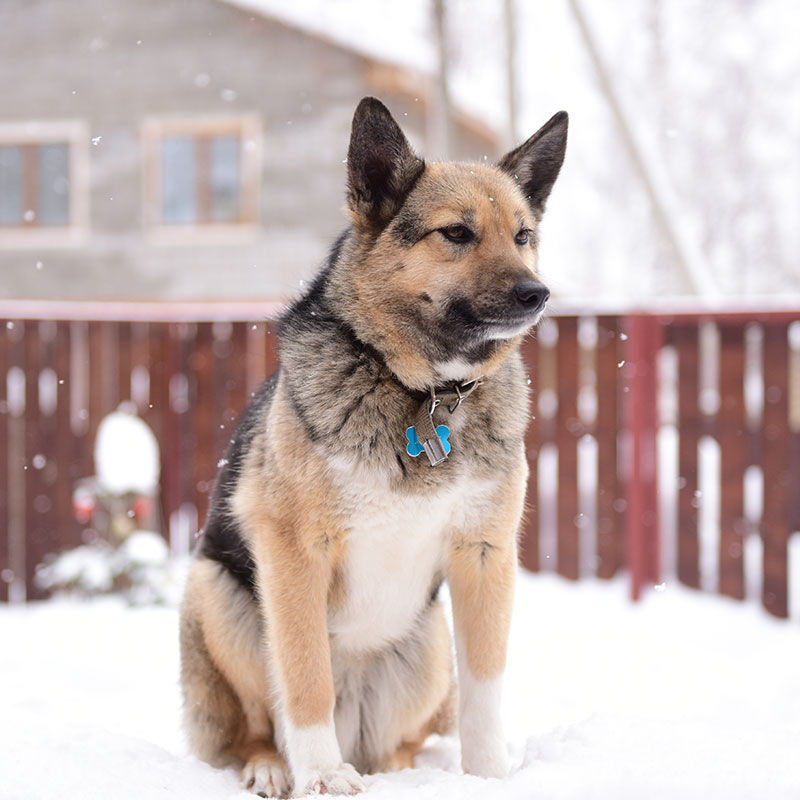
There are several winter holidays that disrupt normal daily schedules. The changes in temperature and environment can be difficult for your dog. Whether you keep your dog in the house or outside, winter poses several new hazards for your furry friend. It is possible to avoid emergency trips to the veterinarian with a little bit of preparation. Review the following safety precautions that every pet owner should understand.
Provide Appropriate Shelter for Inside and Outside Dogs
Cold weather affects dogs as much as it affects people. Even with a layer of hair, your dog needs further protection from the cold. This is especially true for little dogs, as well as young, old, and sick dogs. Take extra steps to keep your dog warm, such as bundling her up in a sweater and booties or a dog coat. Inside dogs need a warm place to sleep; make sure bedding provides a safe, warm place to sleep. Provide a bed that is off the floor and out of drafts.
Even if your dog is typically indoors, provide a warm outside shelter. If your dog is outside all the time, it is crucial that he has a warm shelter. Make sure the floor is elevated and that there's comfortable bedding to provide warmth during windy and wet weather. Invest in a heated water bowl, so your dog can access food and water whether they are inside or outside.
Prepare for Walks and Outside Play
Continue taking daily walks because exercise is always a necessity. However, take care to protect your dog from the cold. Some dogs may need a warm jacket or dog boots before hitting snowy sidewalks. Don't let your dog run loose. If your dog runs without a leash, the snow and ice make it difficult for your dog to find their scent and return home. More dogs are lost when it's cold and snowy than during other types of weather.
Wipe your dog's paws, legs, and belly when you come inside. Packed snow, bits of ice, salt, and chemicals such as antifreeze are often carried in on your dog's paws and belly. Wipe your dog down to protect her health and to keep your home cleaner.
Adjust Grooming Habits for Cold Weather
Grooming habits should be adjusted during cold weather. For example, don't shave your dog during the winter. You may want to clip the hair around the toes, but don't shave off that little bit of hair that provides a bit of protection from cold temperatures. When you bathe your dog, make sure that he is completely dry before allowing him outside. If your dog is very young or old, has arthritis or other disorders, has short hair, or short legs, you may want to consider putting on a doggie coat or sweater.
Prepare for Holiday Risks
Winter months often mean a lot of holiday decorations, extra food, and visits from friends and family. Many of these decorations and foods are poisonous and otherwise harmful for animals; keep them out of reach. If your dog is still a puppy, be vigilant about puppy-proofing your home.
Festive decorations that can mean trouble for animals include
-
Christmas trees that tip over
-
Broken lights and ornaments
-
Small ornaments and homemade decorations
-
Tinsel
-
Cedar, mistletoe, poinsettias, pine, and other holiday plants
-
Lit candles
-
Potpourris, essential oils, and other scented products
Some of the most dangerous foods include
-
Chocolate
-
Artificial sweeteners, especially xylitol
-
Poultry, including turkey and turkey skin
-
Onions
-
Grapes and raisins
-
Yeast products
Don't let your dog eat anything outside and keep him away from garbage. Antifreeze spills are more common during the winter, and the sweet flavor attracts animals. While keeping your dog away from table scraps and inappropriate treats, you should add a little extra protein to your dog's diet during the winter. Some additional food and water can add a little more protection from the elements and lead to a healthier coat of fur or hair.
When visitors come, especially those who are uncomfortable or unfamiliar with pets, prepare a safe place for your dog to retreat when activities and noise get to be too much. If you go out to visit, don't leave your dog in the car. It doesn't take long for dogs to freeze to death when left sitting in a cold vehicle. If you leave your dog home, be sure to unplug decorations and other devices. Clean up leftover food and make sure pets can't get to the garbage.
Guard Open Doors
During the winter, be extra careful about watching pets around open doors. If you haven't been as good about taking walks as you should be or if you have a lot of people coming and going, your dog may slip outside unnoticed. Remember that it's easy for animals to become disoriented during the winter, so consider having your dog microchipped and be sure that your dog has updated identification tags. Proper registration can also help you reunite with your pet if he becomes lost.
Travel Safely
Some states require you to carry a health certificate with you when you take your pet across state lines. Make sure you know the legal requirements of every state you travel through. Your veterinarian can provide the certificate and help you understand additional requirements. If you're traveling in a car, make sure you have an appropriate restraint system , and if you're flying talk to your vet about the risks of air travel. Also, be sure to pack copies of any necessary paperwork, any medications, and weather-appropriate clothing.
Plan for the Worst
Make sure you're prepared for an emergency by keeping your veterinarian's phone number on hand. If your vet can't be reached during off-hours, carry the number to a 24-hour emergency clinic as well. Learn more about purchasing pet insurance; some emergency vet bills are very expensive. You won't want the lack of money to be the reason you can't provide adequate care for your furry family members.
When it comes to winter months, your dog faces many hazards that can make him uncomfortable if not seriously injured. Make sure you understand what the risks are, so you can adequately prepare to avoid those risks.