
 Save 15% on your 1st Autoship learn more

 Email us
 Live Chat
 FAQs
FAQs





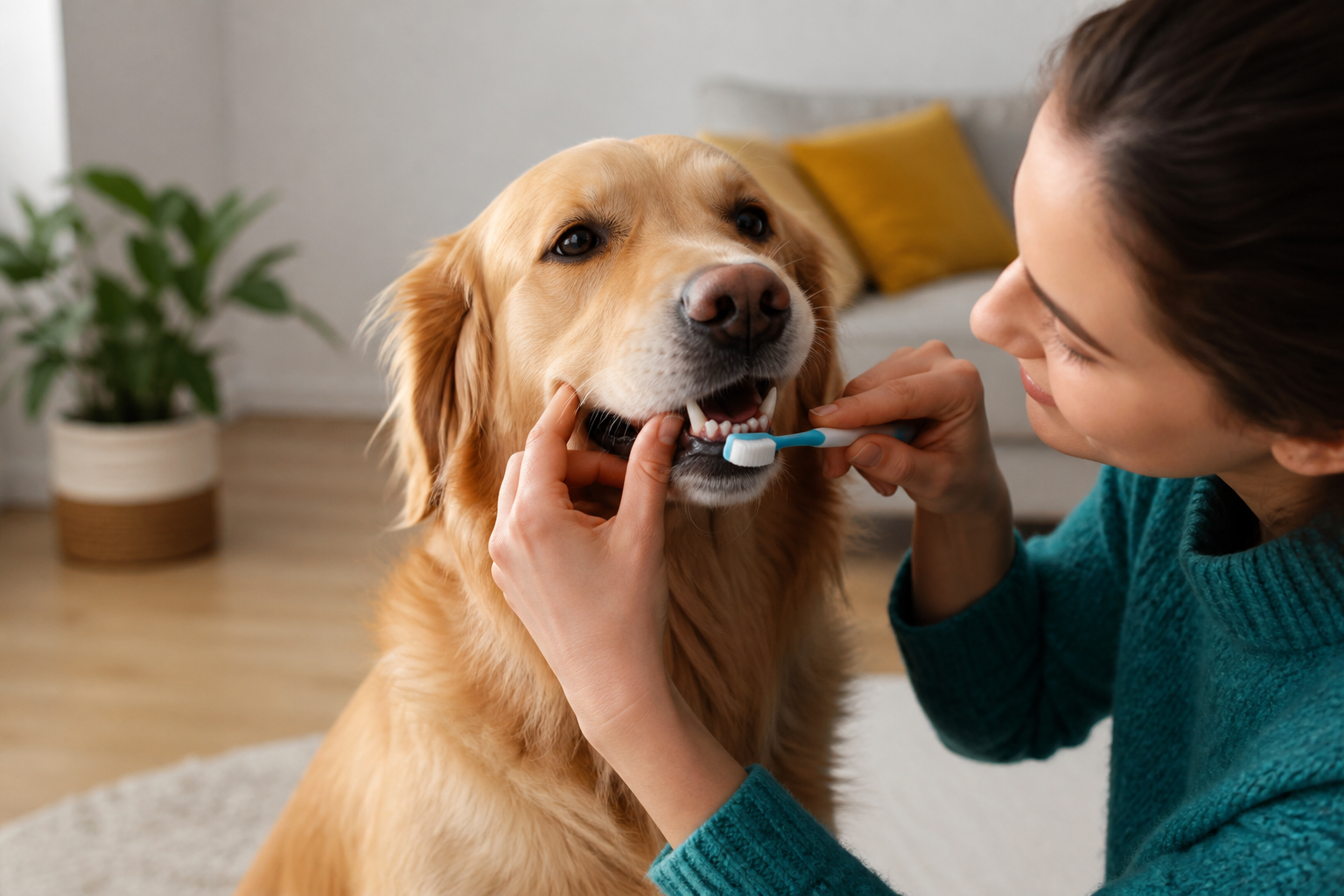
Introduction
You are sitting on the sofa when your dog leans in for a friendly lick, and the smell nearly knocks you over. You notice a thick layer of yellow-brown buildup along their back molars and wonder if a simple scrubbing at home can fix the problem. Maintaining oral hygiene is one of the most impactful things you can do for your pet's longevity. At BaxterBoo, we have helped thousands of owners transition from occasional breath mints to a robust dental routine that actually works. While you can certainly handle daily maintenance and plaque prevention yourself, there are limits to what can be done without professional medical equipment. This guide will walk you through the safe ways to clean your dog's teeth at home and when it is time to call in the experts.
Quick Answer: You can perform daily maintenance like brushing and providing dental chews to prevent plaque. However, you cannot safely perform deep scaling or remove tartar below the gumline yourself. These tasks require professional veterinary tools and often anesthesia to ensure the dog's safety and comfort.
The Reality of DIY Dental Care
Many owners feel hesitant about professional dental cleanings because of the cost or the need for anesthesia. This often leads to the question of whether a "do it yourself" approach can replace a vet visit. It is important to understand the difference between plaque and tartar. Plaque is the soft, sticky film of bacteria that forms on teeth every day. You can easily remove this with a toothbrush or dental wipes.
If plaque is not removed, it mineralizes into tartar within about 48 to 72 hours. Tartar is a hard, cement-like substance that sticks to the enamel and creeps under the gums. Once tartar has formed, a standard toothbrush will not budge it. Attempting to scrape this off at home with metal tools is dangerous. You risk slipping and puncturing the gums or scratching the enamel, which actually creates more places for bacteria to hide.
Our role as pet owners is to be the first line of defense. We focus on the soft stuff so it never becomes the hard stuff. By staying consistent with home care, you can often extend the time between professional cleanings. You might even prevent the need for extractions later in your dog's life.
For additional warning signs, read about how to recognize hidden dental problems in dogs.
Essential Tools for Home Cleaning
Before you start, you need the right supplies. Using the wrong items can be ineffective or even toxic to your dog. We carry a wide range of specialized dental products at BaxterBoo to make this process easier for both of you.
Dog-Specific Toothpaste
Never use human toothpaste on a dog. Most human pastes contain fluoride and foaming agents like sodium lauryl sulfate, which are meant to be spit out, not swallowed. Many also contain xylitol, an artificial sweetener that is highly toxic to dogs. Dog-specific toothpaste is formulated to be swallowed safely. It also comes in flavors dogs actually enjoy, such as poultry, beef, or peanut butter. This makes the experience feel more like a treat than a chore.
For a ready-to-use option, consider the Virbac C.E.T. Enzymatic Pet Toothpaste.
The Right Brushes
You have a few options based on your dog's comfort level:
- Finger Brushes: These are small silicone or fabric sleeves that fit over your index finger. They are great for beginners because you can feel exactly where you are in the dog's mouth.
- Long-Handled Brushes: These look like human toothbrushes but usually have a longer, angled neck to reach the deep back molars. Some have double heads to clean the top and sides of the teeth at once.
- Dental Wipes: If your dog absolutely refuses a brush, dental wipes are a good middle ground. They allow you to wipe away surface plaque and deliver antibacterial enzymes to the mouth.
You can compare brushes, wipes, toothpaste, and other options in our dog dental and breath care category.
Water Additives and Gels
For dogs that are very sensitive to touch, oral gels and water additives provide a "hands-off" approach. You simply add a specific amount to their water bowl or dab a bit of gel on their gums. These products contain enzymes that help break down the protein film that plaque sticks to. They are a great supplement but should not be the only tool you use if your dog allows brushing.
Vet Tip: If you notice your dog has bleeding gums, loose teeth, or a sudden change in eating habits, stop home brushing immediately. These are signs of active periodontal disease. Brushing an infected or painful mouth can cause your dog to associate dental care with pain, making future care much harder. Consult your veterinarian for a professional assessment.
How to Brush Your Dog's Teeth: A Step-by-Step Guide
If your dog is not used to having their mouth handled, you cannot expect to do a full cleaning on day one. You need to build trust. This process can take anywhere from a few days to a few weeks.
Step 1: Get them used to mouth handling.
Spend a few minutes each day gently lifting your dog's lips and touching their teeth with your bare finger. Do not try to brush yet. Just reward them with praise or a small treat when they stay calm.
Step 2: Introduce the toothpaste flavor.
Put a small dab of dog-safe toothpaste on your finger and let them lick it off. Most dogs love the meaty flavors. This teaches them that the "cleaning stuff" tastes good.
Step 3: Try the finger brush or gauze.
Wrap a piece of soft gauze around your finger or put on a finger brush. Add some toothpaste and gently rub just the front canine teeth. Keep the session under thirty seconds.
Step 4: Gradually move to the back.
Once they are comfortable with the front, move to the side and back teeth. These are the areas where the most tartar builds up. Focus on the outside of the teeth, as the tongue usually does a decent job of keeping the inside surfaces clean.
Step 5: Establish a routine.
Consistency is the most important factor. Brushing once a month does very little. Aim for at least three times a week, though daily brushing is the gold standard for preventing dental disease.
For a complete starting kit, the Nutri-Vet Oral Hygiene Kit for Dogs includes toothpaste, a toothbrush, and a finger toothbrush.
Key Takeaway: Home dental care is about gradual habit-building. Starting slow and using positive reinforcement ensures your dog stays cooperative for a lifetime of clean teeth.
The Role of Dental Chews and Toys
Not all cleaning happens with a brush. Mechanical action from chewing is a natural way for dogs to keep their teeth clean. However, the type of chew matters. Some items are too hard and can actually fracture teeth.
Specialized Dental Treats
Products like Greenies or other VOHC (Veterinary Oral Health Council) approved treats are designed with specific textures. As the dog bites down, the treat scrapes against the tooth surface all the way to the gumline. Many of these also contain ingredients that help freshen breath and reduce bacteria.
Browse our selection of Greenies dental products when choosing supplemental treats for your dog's routine.
Rubber and Rope Toys
Toys with nubs, ridges, or rope fibers act like a natural floss. As your dog plays, these textures rub against the teeth. Brands like Kong offer durable rubber toys that can be stuffed with dental-friendly treats, encouraging long chewing sessions.
Why Avoid Real Bones?
While raw bones are often cited as natural teeth cleaners, they come with risks. Cooked bones are brittle and can splinter, causing internal damage. Even raw bones can be hard enough to break a dog's teeth if the dog is a "power chewer." If you choose to use bones, always supervise your pet and talk to your vet about the safest options for your dog's specific jaw strength.
When Home Cleaning Is Not Enough
Even with the best home care, most dogs will eventually need a professional cleaning. This is because we cannot see or reach the most critical area: the space under the gumline. This is where the most dangerous bacteria live. They can eventually enter the bloodstream and cause issues with the heart, liver, and kidneys.
Signs You Need a Professional Cleaning
- Persistent Bad Breath: If the "dog breath" remains foul even after you brush, there is likely an infection or deep-seated tartar.
- Discoloration: If the teeth look brown or grey rather than white or light yellow.
- Receding Gums: If the gums look like they are pulling away from the teeth, exposing the roots.
- Lethargy or Refusing Hard Food: Painful teeth can make a dog stop playing with toys or switch to only eating soft food.
Our pharmacy at BaxterBoo provides access to FDA-approved medications and prescription diets through our partnership with Pet's Choice. If your veterinarian diagnoses periodontal disease, they may prescribe specific oral rinses or antibiotics to clear up infections. Having a reliable source for these prescriptions makes the recovery process much smoother for you and your pet.
The Anesthesia Debate
One of the most common questions we hear is whether "anesthesia-free" dental cleaning is a good alternative. In these procedures, a person scales the visible part of the teeth while the dog is awake. While it might make the teeth look white, it is often considered a cosmetic procedure rather than a medical one.
Without anesthesia, it is impossible to take dental X-rays. X-rays are vital because about 60% of a dog's tooth is located under the gumline. You cannot see abscesses or rotting roots with the naked eye. Additionally, scaling a tooth while a dog is awake is stressful and can be dangerous if the dog moves suddenly. Most veterinarians recommend a full anesthetic cleaning to ensure a thorough, pain-free, and safe experience.
Bottom line: DIY cleaning is for plaque prevention, while professional cleaning is for treating established disease and tartar.
Building a Dental Wellness Plan
A healthy mouth requires a multi-pronged approach. You do not have to do everything at once, but adding layers to your dog's routine will provide the best results.
The Daily Layer
This includes brushing and water additives. If you can brush every night before bed, you are doing better than the vast majority of pet owners. If daily is too much, aim for Monday, Wednesday, and Friday.
The Dietary Layer
Some dogs benefit from specific dental diets. These kibbles are usually larger and have a specific fiber structure that does not crumble immediately. This forces the dog to chew more, creating a scrubbing effect. We carry several premium brands that focus on nutritional support for oral health.
The Annual Layer
Once a year, during your dog's wellness exam, ask your vet to score their dental health. They use a scale from 1 to 4 to determine how much tartar is present and if it is time for a professional cleaning.
For more practical routine-building ideas, explore these pet dental care tips.
Key Takeaway: A successful dental plan combines daily brushing, high-quality dental chews, and regular veterinary check-ups to cover every aspect of oral health.
Managing Dental Care for Seniors and Puppies
The age of your dog changes the focus of your dental care. Puppies need to learn the routine, while seniors often need more intensive support.
Puppies and Training
The best time to start is when they are between 8 and 16 weeks old. While they will lose their puppy teeth, getting them used to the sensation of brushing now will save you years of struggle later. Focus on making it a game. Use lots of treats and keep the sessions very positive.
Senior Dogs and Specialized Needs
Older dogs are much more likely to have existing dental issues. Their immune systems are also working harder, so a mouth full of bacteria can be a major drain on their overall health. If your senior dog has lost teeth or has sensitive gums, look for softer dental chews or enzyme-based gels that do not require vigorous scrubbing.
Many seniors are also on medications for other conditions like joint stiffness or heart health. Always mention these to your vet before a professional dental cleaning, as they may adjust the anesthesia protocol to suit your dog's specific health profile.
Why Quality Products Matter
It can be tempting to grab the cheapest dental treat off a grocery store shelf, but quality matters. At BaxterBoo, we handpick every product we carry because we want to ensure they are safe and effective. We focus on brands like Greenies, Kong, and Cosequin that have a track record of supporting pet wellness.
Operating since 2006, we have seen which products actually help pet owners and which ones are just marketing fluff. Our hybrid model—a warehouse in Vernon Hills combined with our online store—allows us to keep a massive selection of 500+ brands ready for your next order. When you find a dental routine that works, our Autoship program can help you save money while ensuring you never run out of toothpaste or treats.
The Long-Term Benefits of Dental Care
Taking care of your dog's teeth is an investment in their future. Dogs with healthy mouths generally have fewer systemic health issues and live longer, more comfortable lives. You will also save money in the long run by avoiding emergency extractions and complex oral surgeries.
The smell of your dog's breath is the most immediate indicator of their oral health. While "puppy breath" is a thing of the past, a healthy adult dog's breath should not be offensive. If you can stay on top of the daily cleaning, you will find that those sofa cuddles are much more enjoyable.
To get started on your dog's dental journey, we recommend picking up a basic kit with a finger brush and a flavored toothpaste. Start tonight, even if it is just for ten seconds. Your dog might not thank you now, but their body certainly will in the years to come.
Conclusion
Cleaning your dog's teeth yourself is a vital part of responsible pet ownership. While you cannot perform the deep medical cleanings that a veterinarian provides, your daily efforts at home are what prevent serious disease from taking root. By using dog-safe tools and building a consistent routine, you can keep your dog's smile bright and their breath fresh.
- Start with a dog-specific toothpaste and a soft finger brush.
- Introduce the process slowly with lots of positive reinforcement.
- Supplement brushing with VOHC-approved dental chews and rubber toys.
- Watch for warning signs like red gums or persistent bad breath.
- Schedule an annual veterinary exam to catch issues below the gumline.
The best way to stay consistent is to have your supplies delivered right to your door. You can earn up to 5% back on every dental purchase through our MVP Rewards program. If you are ready to build a better routine, explore our dog dental and breath care category to find the brushes, pastes, and chews that best fit your dog's needs.
FAQ
Can I use baking soda to clean my dog's teeth?
While baking soda is not immediately toxic, it has a high alkaline content that can upset a dog's stomach if swallowed in large amounts. It also has a taste that most dogs find unpleasant, which can make them resist future brushing. It is much better to use a flavored dog toothpaste that contains beneficial enzymes and is designed to be swallowed safely.
How long does it take to see results from home cleaning?
If you are focused on freshening breath and removing surface plaque, you may notice a difference in as little as two weeks of daily brushing. However, removing existing tartar is not possible with home brushing. If your goal is to reduce heavy buildup, you will likely need a professional cleaning first to "reset" the mouth before your home care can be truly effective.
Is it too late to start brushing my senior dog's teeth?
It is never too late to start, but you must be more cautious with a senior dog. They are more likely to have sensitive areas or loose teeth that could be painful if brushed. Have your veterinarian check their mouth first to ensure there are no active infections. Once you have the all-clear, start very slowly with a soft cloth or a gentle enzyme gel.
What should I do if my dog hates the toothbrush?
If your dog is terrified of the brush, do not force it. Start by just using your finger with some tasty toothpaste. You can also try dental wipes, which feel more natural to the dog. Water additives and dental chews are also excellent "non-contact" ways to help manage plaque while you slowly work on desensitizing them to having their mouth touched.






