
 Save 15% on your 1st Autoship learn more

 Email us
 Live Chat
 FAQs
FAQs





Introduction
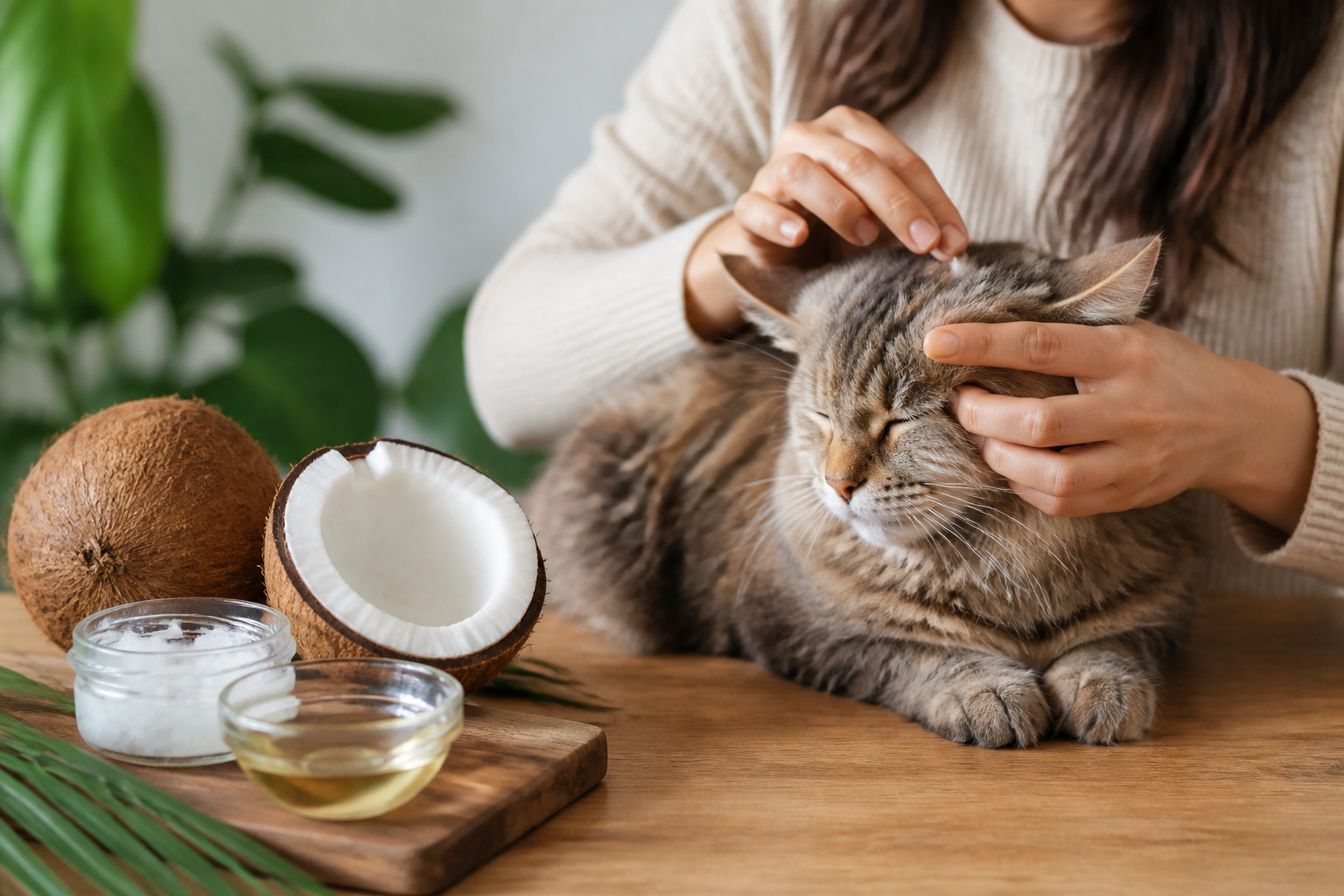
You are relaxing on the couch with your cat. As you reach down to scratch their favorite spot at the base of the tail, you notice a dusting of white flakes on their dark fur. It looks just like human dandruff. This common issue can leave your cat’s coat looking dull and feeling rough. At BaxterBoo, we know that seeing your pet in discomfort is stressful for any owner. This post covers how you can use coconut oil as a natural remedy for feline skin issues. We will look at why these flakes happen and how to apply treatments safely. Coconut oil is a versatile tool for skin health when used correctly.
Quick Answer: Coconut oil helps cat dandruff by providing moisturizing fatty acids that repair the skin barrier. You can apply it topically to dry patches or add a small amount to their food to support skin health from the inside out.
Understanding Feline Dandruff
Dandruff is more than just a cosmetic problem. In the veterinary world, it is often called seborrhea sicca. This happens when the skin produces too many skin cells too quickly. These cells die and flake off. They get trapped in the fur and create the white specks you see. It is important to distinguish between simple dry skin and actual dandruff. Dry skin is often caused by the environment. Dandruff can sometimes point to a deeper health issue.
Many things cause these flakes. Low humidity in your home during winter is a common culprit. If the air is dry, your cat’s skin will lose moisture. Diet also plays a role. Cats need specific fatty acids to keep their skin supple. If their food is lacking in Omega-3 or Omega-6, you might see more flakes. We often see owners looking for ways to boost these nutrients without switching their entire feeding routine. Exploring our cat food selection can help you compare everyday nutrition options.
Grooming habits are the most common factor. A healthy cat spends a large part of their day cleaning themselves. This process removes dead skin and distributes natural oils. If a cat stops grooming, dandruff builds up quickly. This often happens in older cats or those with limited mobility.
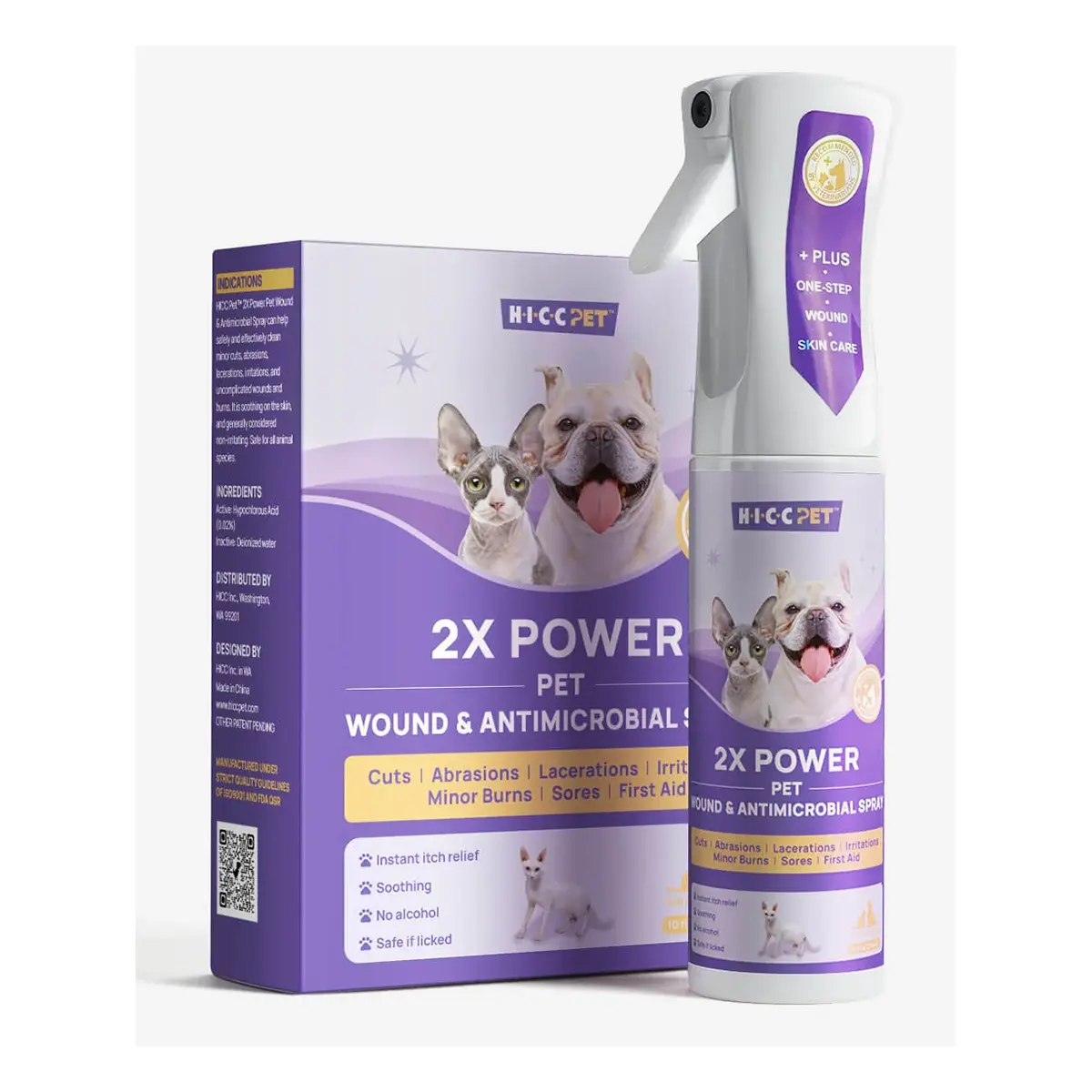
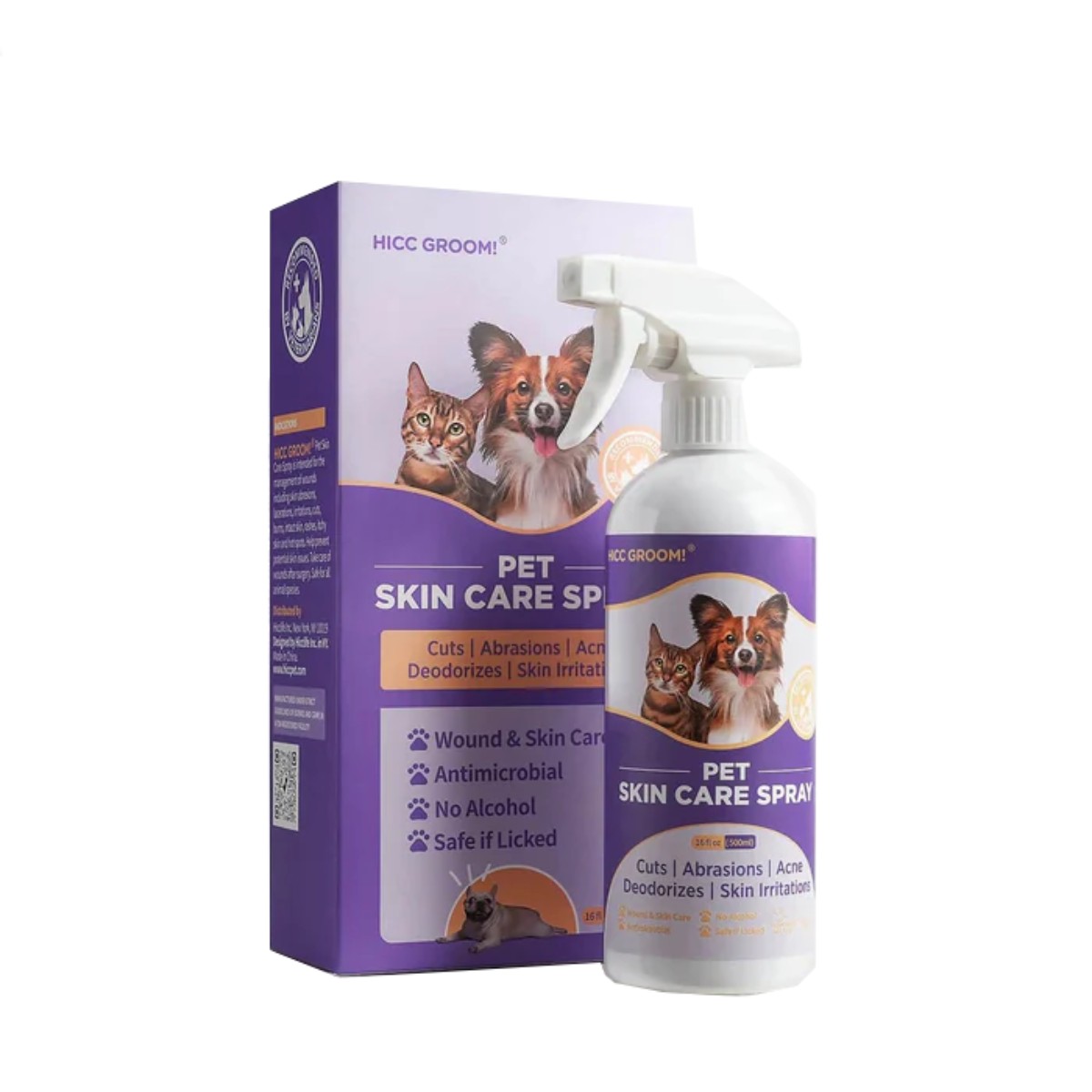
Cat Skin & Coat Care









Why Coconut Oil Works for Skin
Coconut oil has become a staple in many households. It is unique because it is composed almost entirely of Medium Chain Triglycerides. These are often called MCTs. The star of the show is lauric acid. This specific fatty acid makes up about half of the oil. Lauric acid has natural antimicrobial and antifungal properties. This is why it is so effective for skin that might be irritated by yeast or bacteria.
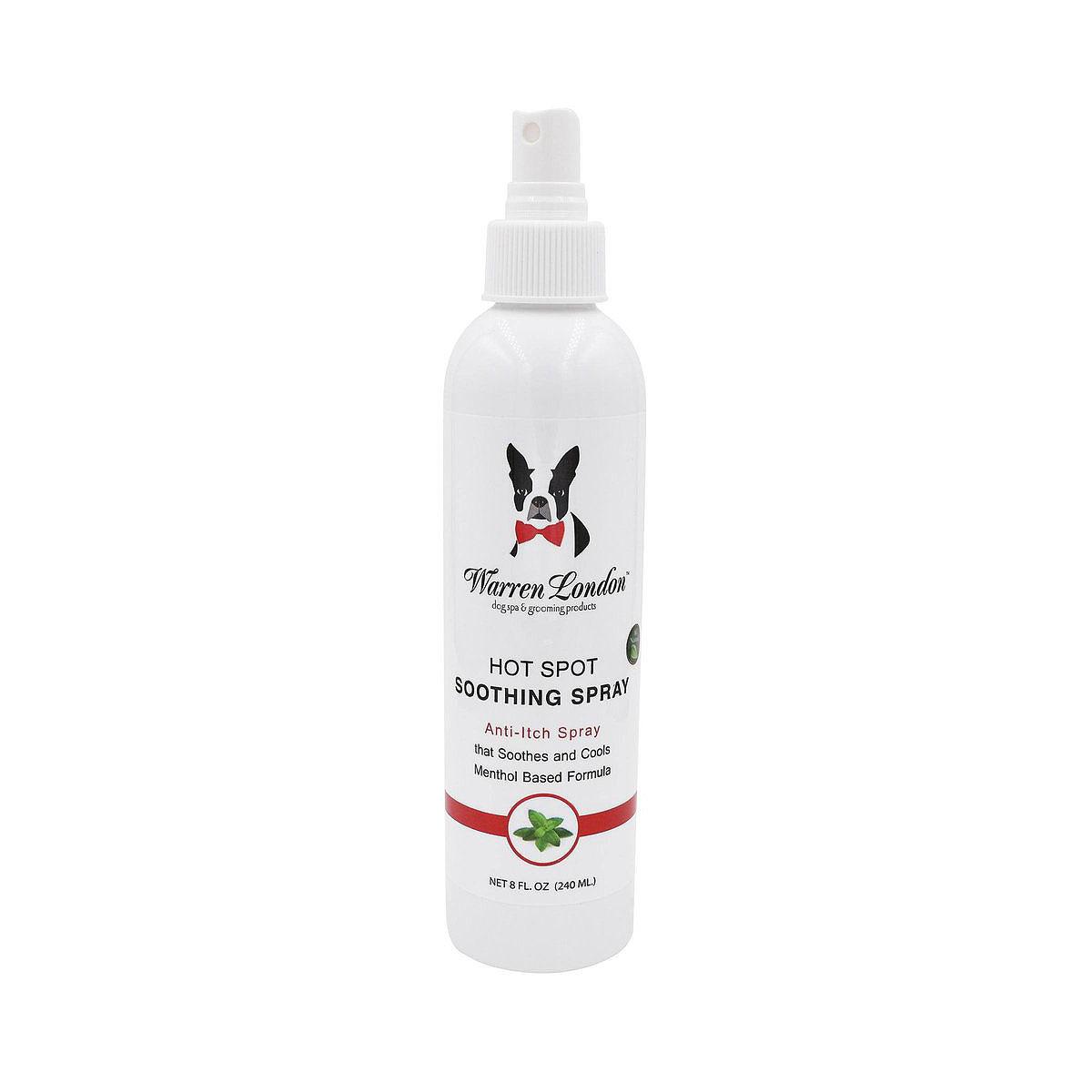
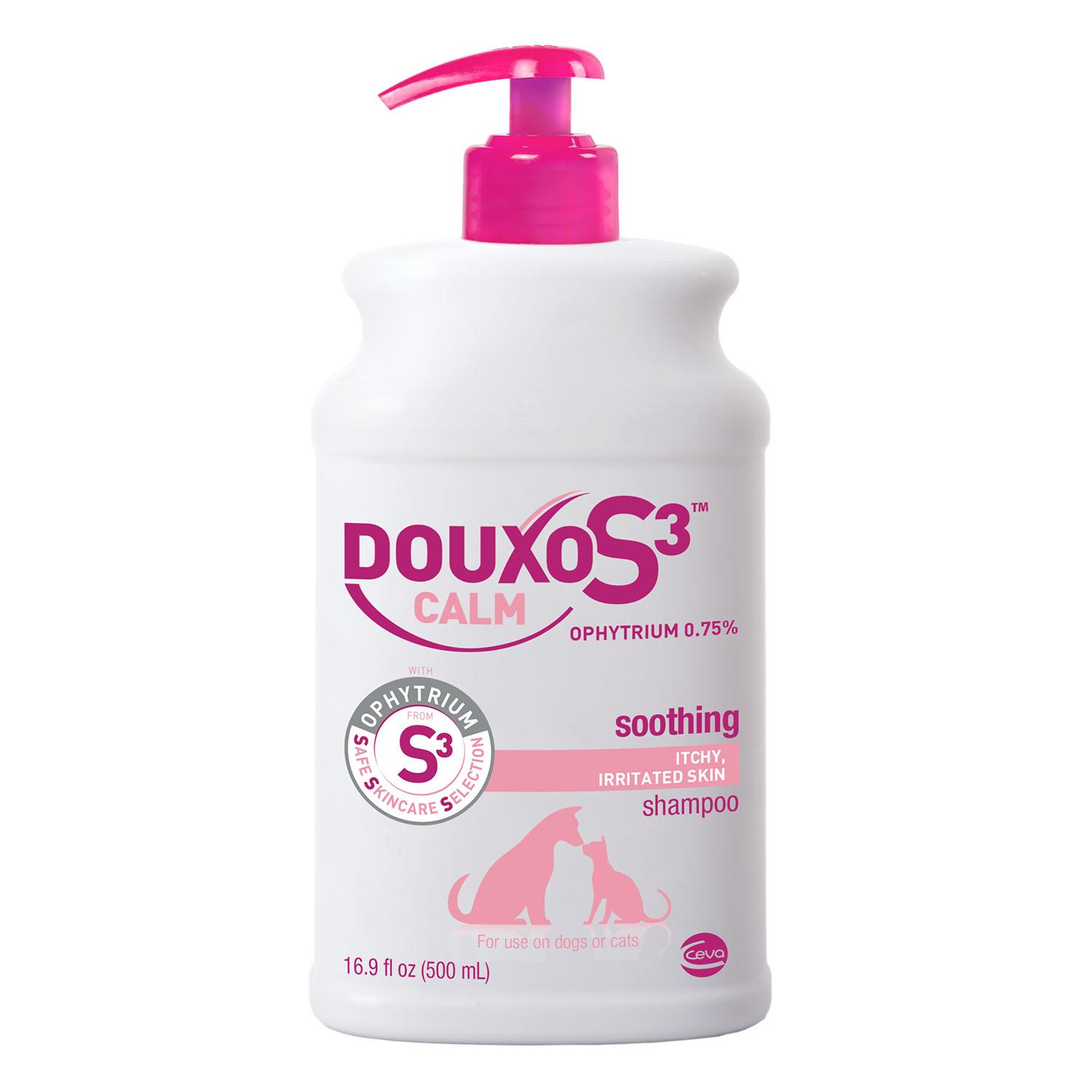
When you apply coconut oil to the skin, it acts as a humectant. This means it helps lock in moisture. It also creates a thin protective layer. This layer prevents environmental irritants from reaching the sensitive skin underneath. For cats with dandruff, this helps stop the cycle of itching and flaking. For other skin and coat products, browse our cat skin and coat care collection.
Inside the body, MCTs are processed differently than other fats. They are sent directly to the liver and used for energy. This makes coconut oil a "clean" fuel source. It provides the building blocks the body needs to create healthy skin cells from the beginning.
Topical Application for Instant Relief
If your cat has specific dry patches, topical application is the best way to start. This provides immediate moisture to the area. Most cats enjoy the sensation of a gentle massage. It can also be a good bonding activity.
How to Apply Coconut Oil Topically
Step 1: Choose the right oil. / Always use organic, virgin, cold-pressed coconut oil. This ensures no chemicals were used during the extraction process.
Step 2: Warm a small amount. / Scoop a pea-sized amount into your palm. Rub your hands together until the solid oil melts into a liquid.
Step 3: Massage the affected area. / Gently work the oil into the skin where you see the most flakes. Focus on the base of the tail and the lower back.
Step 4: Distract your cat. / Most cats will immediately try to lick the oil off. Give them a favorite toy or a small treat to keep them busy for a few minutes while the oil absorbs.
Key Takeaway: Topical application provides a direct moisture boost to flaky areas. It uses the antibacterial properties of lauric acid to soothe irritated skin.
Adding Coconut Oil to the Diet
While rubbing oil on the fur helps the surface, adding it to food works from the inside out. This is often better for cats that have flakes all over their body rather than in just one spot. The fats help improve the quality of the skin cells as they grow.
Start very slowly when introducing any new fat to a cat's diet. Their digestive systems are sensitive. A sudden influx of fat can cause loose stools or stomach upset. Start with a tiny amount, about 1/8 of a teaspoon. You can mix this directly into their wet food. Most cats love the taste and will lick the bowl clean.
If your cat tolerates the small amount well for a week, you can increase it. For an average-sized cat, do not exceed 1/2 teaspoon per day. If you notice your cat gaining weight, you should reduce the amount. Coconut oil is calorie-dense. Each teaspoon contains about 40 calories. For a small cat, that is a significant portion of their daily intake.
Safety and Potential Risks
While coconut oil is natural, it is not a "free" food. The high fat content is the biggest concern. Some cats are prone to a condition called pancreatitis. This is a painful inflammation of the pancreas that can be triggered by high-fat meals. If your cat has a history of digestive issues, be very careful.
You should also watch for signs of an allergy. While rare, some cats can react to coconut. Look for increased redness, swelling, or excessive scratching after you apply the oil. If you see these signs, wash the area with mild pet soap and stop using the oil.
Another risk is weight gain. Obesity in cats leads to many other health problems, including diabetes and joint pain. If you are adding coconut oil to their food, you might need to slightly reduce their kibble portion to balance the calories.
Vet Tip: Always consult your veterinarian before adding supplements like coconut oil to your cat's routine. This is especially important for cats with existing health conditions like pancreatitis, diabetes, or kidney disease. A vet can provide specific dosing advice based on your cat's weight and health history.
When Dandruff Signals a Bigger Problem
Sometimes, coconut oil is not enough. Dandruff can be a symptom of an underlying medical condition. If you notice other symptoms alongside the flakes, it is time for a checkup. Our cat healthcare products can support everyday wellness while you determine the right next steps with your veterinarian.
One major cause of dandruff is feline obesity. If a cat is overweight, they cannot reach their back or the base of their tail to groom. This leads to a massive buildup of flakes and matted fur. We carry products like Farmina Vet Life for weight management that may help in these cases.
Arthritis is another common cause. Older cats often have stiff joints. Reaching around to groom their back becomes painful. They simply give up on those hard-to-reach spots. If your senior cat has dandruff, they might need joint support. We offer supplements like Cosequin and Senilife to help with mobility and cognitive health.
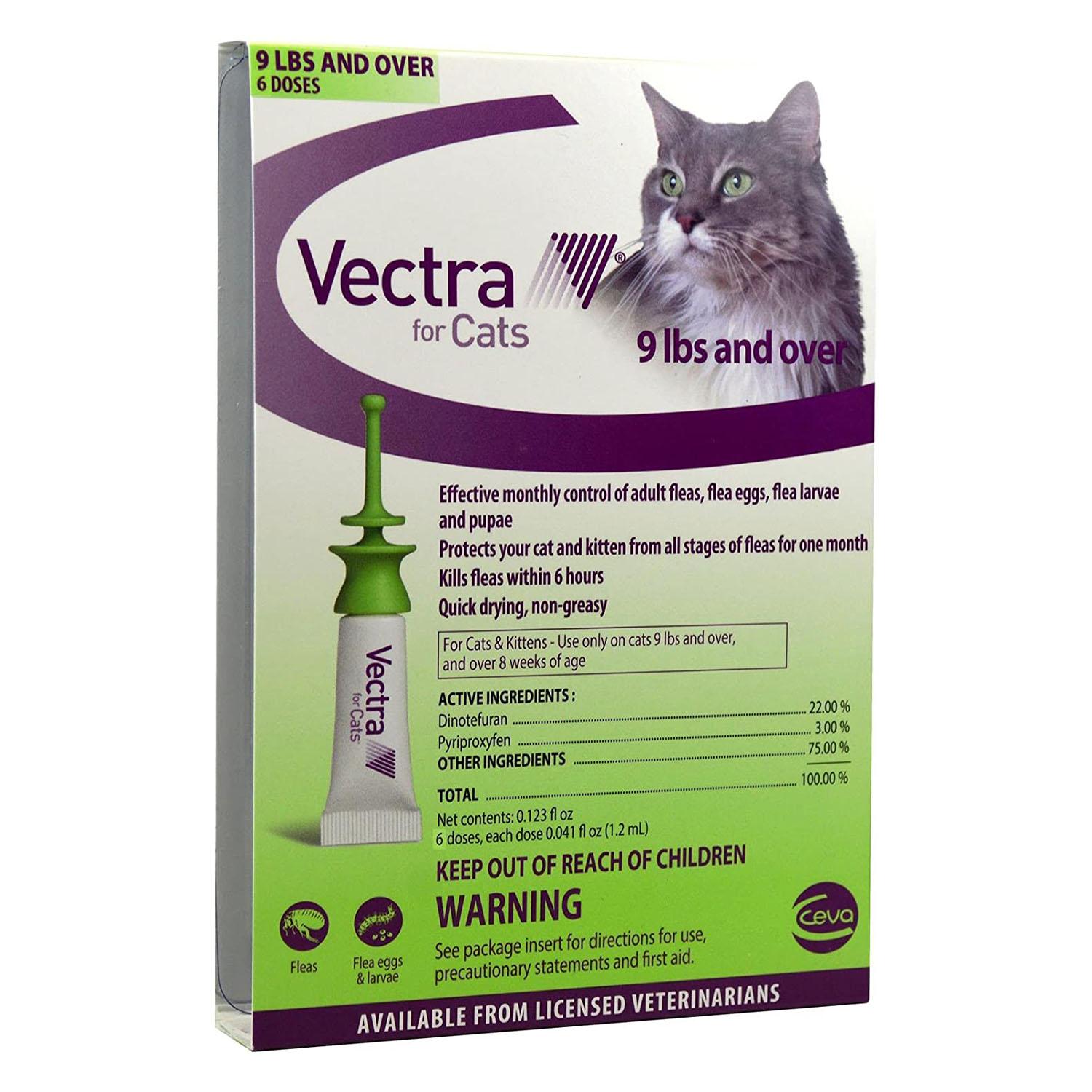
Parasites can also look like dandruff. Cheyletiella mites are often called "walking dandruff" because they are white and move across the skin. Standard coconut oil will not fix a mite infestation. You will need FDA-approved flea and tick preventives. Our cat flea and tick collection provides options for parasite prevention.
Environmental Factors and Grooming Tools
Your home's environment plays a huge role in skin health. Central heating in the winter pulls moisture out of the air and your cat’s skin. Using a humidifier can help. You should also look at the tools you use for grooming.
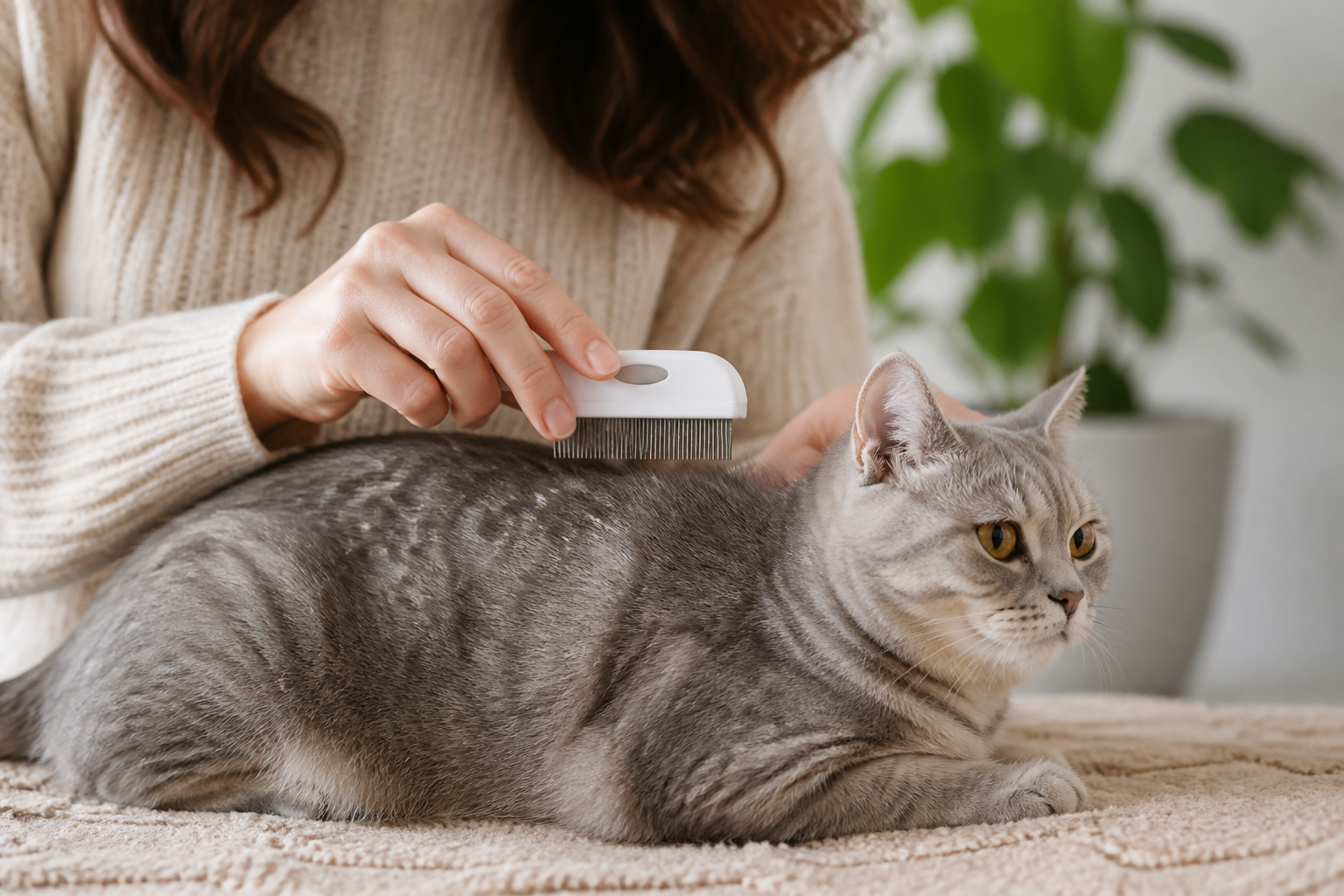
Sometimes, flakes are just dead hair that needs to be brushed away. Using a high-quality brush can distribute natural skin oils more effectively than a cat can do alone. Look for brushes that reach the undercoat without scratching the skin. Regular brushing sessions are one of the best ways to prevent dandruff from returning. You can find suitable tools in our cat grooming collection.
- Use a soft-bristled brush for short-haired cats.
- Use a slicker brush or undercoat rake for long-haired cats.
- Brush at least three times a week.
- Always brush in the direction of hair growth.
For additional grooming guidance, read our guide to caring for cat whiskers.
Comparing Coconut Oil to Fish Oil
Many owners wonder if they should use coconut oil or fish oil. Both are high in fats, but they offer different benefits. Fish oil is rich in EPA and DHA. These are specific Omega-3 fatty acids that are very effective at reducing inflammation.
Coconut oil is better for its antimicrobial properties and its ability to be used topically. Fish oil should never be rubbed into the fur. It has a very strong scent and can make your cat smell like a cannery. If your cat has severe inflammation or allergies, your vet might recommend a high-quality fish oil supplement instead.
We carry many trusted brands that offer both options. Whether you choose a liquid pump or a soft chew, the goal is the same. You want to support the skin's natural barrier.
Choosing the Best Coconut Oil
Not all coconut oils are the same. If you go to a grocery store, you will see many options. For your cat, you must be picky. Avoid "refined" coconut oils. These are often processed with high heat and chemicals. They lose much of the beneficial lauric acid during this process.
Look for these terms on the label:
- Virgin or Extra Virgin
- Cold-pressed
- Unrefined
- Organic
These oils are extracted using mechanical pressure rather than heat. This keeps the nutrients intact. The oil should be solid at room temperature and pure white. If it looks yellow or has a harsh smell, it may be rancid.
Practical Steps for a Flake-Free Cat
Managing dandruff is a long-term commitment. It usually takes a few weeks to see the results of a new skin routine. Consistency is the key to success.
Step 1: Assessment. / Check your cat for other symptoms like lethargy or weight gain. Ensure the flakes are not moving (mites).
Step 2: Environmental check. / Add a humidifier if your home is dry. Ensure your cat has access to plenty of fresh water.
Step 3: Grooming routine. / Start brushing your cat daily. Use this time to check for any lumps, bumps, or red patches.
Step 4: Introduction. / Apply a tiny amount of coconut oil topically to test for allergies. If clear, you can begin adding 1/8 teaspoon to their food.
Step 5: Monitoring. / Watch for improvements in coat shine and a reduction in flakes. Keep an eye on their weight and litter box habits.
Bottom line: Coconut oil is a safe, natural way to treat mild dandruff, provided you use high-quality oil and watch for signs of digestive upset.
Common Myths About Cats and Coconut Oil
There is a lot of information online about coconut oil. Some people claim it can cure everything from fleas to cancer. It is important to stay grounded in reality. Coconut oil is a supplement, not a miracle cure.
One common myth is that coconut oil can replace flea medication. While the oil might suffocate a few fleas if you coat the cat in it, it will not stop an infestation. It also does nothing to stop the flea life cycle in your carpet or furniture. For real protection, use a vet-recommended preventive. You can also read how flea collars work before choosing a prevention method.
Another myth is that it can cure ear mites. While the oil can soothe the itch in the ear, it rarely kills all the mites. Mites are very hardy. Using oil in the ears can also lead to a messy buildup that causes a secondary yeast infection. If your cat is scratching their ears, see a vet for a proper diagnosis.
The Role of Prescription Diets
In some cases, dandruff is caused by food sensitivities. If your cat is allergic to a common protein like chicken or beef, their skin will be the first thing to show it. They may get red, flaky, and itchy.
If natural remedies like coconut oil do not work, your vet might suggest a prescription diet. These foods use hydrolyzed proteins that the immune system does not recognize as a threat. This allows the skin to heal. Our cat pharmacy carries prescription diets through our Pet's Choice partnership. These are specifically formulated for cats with severe skin allergies.
Managing these conditions often requires a mix of medical treatment and home care. Coconut oil can still be used as a topical soothe for these cats, even if they are on a special diet. Always check with your vet to make sure the oil won't interfere with their treatment plan.
Conclusion
Cat dandruff is a manageable condition that often responds well to simple, natural interventions. Coconut oil provides the essential fatty acids and moisture needed to repair a dry coat. By applying it topically or adding a small amount to their meals, you can help your feline friend feel much more comfortable. Remember to start with small amounts and choose high-quality, cold-pressed oil for the best results.
- Identify the cause of the dandruff first.
- Use organic, virgin coconut oil.
- Monitor for weight gain or digestive issues.
- Consult a vet for persistent or severe cases.
The team here at BaxterBoo is ready to help you find the right supplies for your cat's wellness journey. If your cat's dandruff is linked to an underlying health condition or requires a professional touch, our pet pharmacy is a great resource. You can find FDA-approved medications and prescription diets through our Pet's Choice partnership. For everyday maintenance, explore our cat grooming supplies to find the best brushes and supplements for your pet. For regularly needed products, you can also explore our Autoship programme.
FAQ
Can I use human dandruff shampoo on my cat?
No, you should never use human dandruff shampoo on a cat. Human skin has a different pH level than cat skin, and these shampoos often contain chemicals that are toxic to felines if ingested during grooming. Stick to products specifically formulated for cats or natural options like coconut oil.
How long does it take for coconut oil to fix cat dandruff?
You may see a slight improvement in skin moisture immediately after a topical application. However, for a total reduction in dandruff through dietary changes, it usually takes three to four weeks. This is the time it takes for new, healthy skin cells to grow and replace the old, flaky ones.
Is coconut oil safe for kittens with dry skin?
Coconut oil is generally safe for kittens, but you should use even smaller amounts than you would for an adult cat. Their digestive systems are still developing and are very sensitive to high fat. Consult your vet before giving any dietary supplements to a kitten under six months old.
Can coconut oil help my cat with hairballs?
Yes, coconut oil can act as a natural lubricant in the digestive tract. This helps swallowed fur move more easily through the system and out into the litter box. While it may not stop hairballs entirely, many owners find it reduces the frequency of coughing fits. For other options, explore our cat hairball control collection.



- Site & Contents BaxterBoo.com. BaxterBoo is located in the United States.
- Privacy & Security
- Terms of Use
- Accessibility Statement
